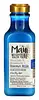
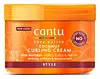
Maui Moisture Nourish & Moisture + Coconut Milk Conditioner Versus Cantu Shea Butter For Natural Hair Coconut Curling Cream


What's inside
What's inside
 Key Ingredients
No key ingredients
Benefits
Concerns
Ingredients Side-by-side
Aloe Barbadensis Leaf Juice
Skin Conditioning


Water
Skin ConditioningCetearyl Alcohol
Emollient




Behentrimonium Chloride
Preservative
Cetyl Alcohol
Emollient
Glycerin
Humectant

Steareth-20
CleansingCocos Nucifera Fruit Extract
Emollient
Psidium Guajava Fruit Extract
AstringentMangifera Indica Seed Butter
Skin Conditioning
Cocos Nucifera Water
Masking
Cocos Nucifera Oil
Masking

Isostearyl Hydroxystearate
EmollientStearamidopropyl Dimethylamine
EmulsifyingIsopropyl Myristate
Emollient
Dicaprylyl Carbonate
EmollientPanthenol
Skin Conditioning
Polyquaternium-37
Polyquaternium-10
PPG-1 Trideceth-6
Skin ConditioningPropylene Glycol Dicaprylate/Dicaprate
EmollientIsopropyl Alcohol
Solvent




Citric Acid
Buffering

Sodium Hydroxide
BufferingSodium Benzoate
Masking
Parfum
Masking
Aloe Barbadensis Leaf Juice, Water, Cetearyl Alcohol, Behentrimonium Chloride, Cetyl Alcohol, Glycerin, Steareth-20, Cocos Nucifera Fruit Extract, Psidium Guajava Fruit Extract, Mangifera Indica Seed Butter, Cocos Nucifera Water, Cocos Nucifera Oil, Isostearyl Hydroxystearate, Stearamidopropyl Dimethylamine, Isopropyl Myristate, Dicaprylyl Carbonate, Panthenol, Polyquaternium-37, Polyquaternium-10, PPG-1 Trideceth-6, Propylene Glycol Dicaprylate/Dicaprate, Isopropyl Alcohol, Citric Acid, Sodium Hydroxide, Sodium Benzoate, Parfum
Water
Skin ConditioningCetearyl Alcohol
Emollient
Canola Oil
Emollient
Glycerin
Humectant
Ceteareth-20
CleansingParfum
Masking
Ceteth-20
CleansingButyrospermum Parkii Butter
Skin Conditioning
Glycol Stearate
Emollient
Petrolatum
Emollient
PEG-75
HumectantPolyquaternium-10
Phenoxyethanol
Preservative
Ethylhexylglycerin
Skin ConditioningCocos Nucifera Fruit Extract
Emollient
Persea Gratissima Oil
Skin Conditioning
Prunus Amygdalus Dulcis Oil
Skin Conditioning
Simmondsia Chinensis Seed Oil
Emollient
Olea Europaea Fruit Oil
Masking
Mangifera Indica Seed Butter
Skin Conditioning
Argania Spinosa Kernel Oil
Emollient

Melia Azadirachta Seed Oil
Emollient
Daucus Carota Sativa Seed Oil
Emollient
Macadamia Ternifolia Seed Oil
Emollient
Mangifera Indica Seed Oil
Emollient
Glycine Soja Oil
Emollient
Vitis Vinifera Seed Oil
Emollient
Hydrolyzed Silk
Humectant
Lonicera Caprifolium Flower Extract
Perfuming
Macrocystis Pyrifera Extract
Skin Conditioning
Salvia Officinalis Leaf Extract
CleansingVitis Vinifera Seed Extract
Antimicrobial
Urtica Dioica Extract
AstringentSilk Amino Acids
HumectantAloe Barbadensis Leaf Juice
Skin Conditioning
Benzyl Benzoate
Antimicrobial
Coumarin
Perfuming
Hexyl Cinnamal
Perfuming
Water, Cetearyl Alcohol, Canola Oil, Glycerin, Ceteareth-20, Parfum, Ceteth-20, Butyrospermum Parkii Butter, Glycol Stearate, Petrolatum, PEG-75, Polyquaternium-10, Phenoxyethanol, Ethylhexylglycerin, Cocos Nucifera Fruit Extract, Persea Gratissima Oil, Prunus Amygdalus Dulcis Oil, Simmondsia Chinensis Seed Oil, Olea Europaea Fruit Oil, Mangifera Indica Seed Butter, Argania Spinosa Kernel Oil, Melia Azadirachta Seed Oil, Daucus Carota Sativa Seed Oil, Macadamia Ternifolia Seed Oil, Mangifera Indica Seed Oil, Glycine Soja Oil, Vitis Vinifera Seed Oil, Hydrolyzed Silk, Lonicera Caprifolium Flower Extract, Macrocystis Pyrifera Extract, Salvia Officinalis Leaf Extract, Vitis Vinifera Seed Extract, Urtica Dioica Extract, Silk Amino Acids, Aloe Barbadensis Leaf Juice, Benzyl Benzoate, Coumarin, Hexyl Cinnamal
Reviews
Ingredients Explained
These ingredients are found in both products.
Ingredients higher up in an ingredient list are typically present in a larger amount.
Aloe Barbadensis Leaf Juice is the filtered, stabilized liquid pressed from the inner gel of the aloe vera leaf.
In cosmetics, it shows up as either soothing active or a water-replacement base. It is roughly 98-99% water and the last 1-2% is an interesting mix of polysaccharides, amino acids, vitamins, minerals, and enzymes.
The polysaccharides do most of the work: they bind water at the skin surface for a light, non-greasy hydration boost. And one of the polysaccharides, glycomannan, is linked to fibroblast stimulation + collagen synthesis. This is also why aloe has such a long track record in wound and burn healing.
This ingredient is also calming with anti-inflammatory and mild antimicrobial activity, making it a great pick for sensitive, irritated, or post-sun skin.
Realistic expectations matter though; the solid evidence is mostly limited to hydration, soothing, and wound support. Deeper claims about anti-aging or sun protection are not well backed, and science reviews note it does not prevent radiation-induced skin injury.
Because it plays well with almost everything, it's commonly used as a base alongside other actives like niacinamide or vitamin C.
Typical usage concentrations range from 0.5% (where hydration benefits already show up) all the way to 90%+ (where it replaces water as the main base).
The safety for this ingredient is well-establish as well. Overall, this is a great supporting ingredient for those who want a boost in hydration.
Learn more about Aloe Barbadensis Leaf JuiceCetearyl alcohol is a waxy mixture of two fatty alcohols: cetyl alcohol and stearyl alcohol. It is an emollient and emulsifier.
Despite having "alcohol" in its name, it has nothing to do with drying solvent alcohols; the FDA also allows "alcohol-free" products to contain fatty alcohols like this ingredient.
It plays several roles in a formula:
Typical use levels for this ingredient sit around 1-10% and the Cosmetic Ingredient Review Expert Panel has affirmed safety at concentrations up to 25% in leave-on products.
Multiple assessments have found it to be non-irritating and non-sensitizing to most people.
However, there have been some cases of allergic contact dermatitis in patients with chronically compromised skin barriers.
Cetearyl alcohol has a comedogenic rating of 2 and irritancy rating of 1. Both of these numbers come from the 1989 study that used rabbit ears; a "2" means mildly comedogenic and a "1" means low irritancy.
Here's the catch: rabbit skin is more sensitive than human skin and throws a lot of false positives. A 1996 reappraisal found that ingredients rated 1-2 in the rabbit ear tests are generally safe for humans.
Remember comedogenic ratings are unable to assess the entire formula of a product or how it will react on your skin. Just be sure to patch test if you are unsure about certain ingredients.
This ingredient is not fungal acne safe. Cetearyl alcohol is a fatty alcohol with chain lengths that fall within the range that Malassezia can metabolize.
A 2019 study has also observed Malassezia growth in the presence of this ingredient, confirming it to be not-fungal acne safe.
Learn more about Cetearyl AlcoholCocos Nucifera Fruit Extract comes from the meat of the coconut fruit. It is an emollient and skin conditioner with antioxidant properties.
Coconut fruit is naturally rich in amino acids, sugars, and nutrients including Vitamin C and small amounts of vitamin B. Malic acid can also be found in coconut fruit extract.
Glycerin (or glycerol) is a compound naturally found in your skin. It's a powerhouse humectant that pulls water into the stratum corneum.
Topically, glycerin does several things at once:
Your skin makes glycerin on its own (mostly from sebaceous oil breakdown) and shuttles it to your outermost layer of skin, or your epidermis, via aquaporin-3.
Aquaporin-3 is a transporter that is essential for normal skin hydration, elasticity, and repair. Interestingly, mice lacking in AQP3 have dry and less elastic skin that can be fully corrected with glycerin.
This ingredient is non-irritating, plays well with almost every ingredient, and works across all skin types. Typical use is anywhere between 3-10% but can go up to 79% in some leave-on products.
Just know very high concentrations (>40%) can feel tacky in low humidity.
Glycerin is the name for this ingredient in American English. British English uses Glycerol/Glycerine.
Learn more about GlycerinThough this ingredient might sound like a juicy fruit extract, it's actually the fat pressed from the mango seed kernel (or the pit).
In skincare, it behaves more like shea butter and cocoa butter than like a plant active.
The fatty acid makeup of mango seed butter makes it special; it's typically rich in stearic acid and oleic acid, with small amounts of palmitic and linoleic acid.
This combo helps it melt on skin, feel creamy, and leave behind a protective "seal" that slows down water loss.
It also contains a small amount of "extras" like tocopherols (vitamin E) and phytosterols, which are often used to support skin soothing.
Due to its fatty acid content (like oleic acid), this ingredient may not be fungal acne safe. In vitro studies have shown that Oleic Acid is one of the fatty acids that induce rapid Malassezia growth in lab settings.
Learn more about Mangifera Indica Seed ButterParfum is a catch-all term for an ingredient or more that is used to give a scent to products.
Also called "fragrance", this ingredient can be a blend of hundreds of chemicals or plant oils. This means every product with "fragrance" or "parfum" in the ingredients list is a different mixture.
For instance, Habanolide is a proprietary trade name for a specific aroma chemical. When used as a fragrance ingredient in cosmetics, most aroma chemicals fall under the broad labeling category of “FRAGRANCE” or “PARFUM” according to EU and US regulations.
The term 'parfum' or 'fragrance' is not regulated in many countries. In many cases, it is up to the brand to define this term.
For instance, many brands choose to label themselves as "fragrance-free" because they are not using synthetic fragrances. However, their products may still contain ingredients such as essential oils that are considered a fragrance by INCI standards.
One example is Calendula flower extract. Calendula is an essential oil that still imparts a scent or 'fragrance'.
Depending on the blend, the ingredients in the mixture can cause allergies and sensitivities on the skin. Some ingredients that are known EU allergens include linalool and citronellol.
Parfum can also be used to mask or cover an unpleasant scent.
The bottom line is: not all fragrances/parfum/ingredients are created equally. If you are worried about fragrances, we recommend taking a closer look at an ingredient. And of course, we always recommend speaking with a professional.
Learn more about ParfumPolyquaternium-10 is an ammonium salt of hydroxyethylcellulose. It is a white and granular powder used as a film-former and anti-static agent.
This ingredient is commonly found in hair conditioning products. According to a manufacturer, its positive charge makes it great for absorbing hair proteins. The manufacturer also states this ingredient helps with curl retention.
For haircare friends: this ingredient is not a silicone.
Learn more about Polyquaternium-10Water. It's the most common cosmetic ingredient of all. You'll usually see it at the top of ingredient lists, meaning that it makes up the largest part of the product.
So why is it so popular? Water most often acts as a solvent - this means that it helps dissolve other ingredients into the formulation.
You'll also recognize water as that liquid we all need to stay alive. If you see this, drink a glass of water. Remember to stay hydrated!
Learn more about Water

