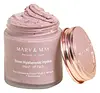
This wash off mask is made with Kaolin and Gluconolactone for a rinse-off smoothing boost.


What's inside
What's inside
 Key Ingredients
Benefits
Concerns
Ingredients Side-by-side
Water
Skin ConditioningDiglycerin
Humectant
Glycerin
Humectant

Kaolin
Abrasive



Bentonite
Absorbent
Propanediol
Solvent
Zea Mays Starch
Absorbent
1,2-Hexanediol
Skin Conditioning
Rosa Damascena Flower Water
Masking
Panthenol
Skin Conditioning
Rosa Gallica Flower Powder
Skin ConditioningXanthan Gum
EmulsifyingAcrylamide/Sodium Acryloyldimethyltaurate Copolymer
Emulsion StabilisingPolyisobutene
Betaine
Humectant
Butylene Glycol
Humectant
Parfum
Masking




Ethylhexylglycerin
Skin ConditioningDipropylene Glycol
HumectantCI 77491
Cosmetic ColorantDisodium EDTA
ChelatingCaprylyl/Capryl Glucoside
CleansingSorbitan Oleate
Emulsifying

Allantoin
Skin Conditioning
Hydrogenated Lecithin
Emulsifying
Centella Asiatica Extract
Cleansing

Ficus Carica Fruit Extract
Humectant
Ceramide NP
Skin Conditioning
Sodium Hyaluronate
Humectant
Tocopherol
Antioxidant



Hyaluronic Acid
Humectant
Sodium Hyaluronate Crosspolymer
Humectant
Hydroxypropyltrimonium Hyaluronate
Sodium Acetylated Hyaluronate
Humectant
Water, Diglycerin, Glycerin, Kaolin, Bentonite, Propanediol, Zea Mays Starch, 1,2-Hexanediol, Rosa Damascena Flower Water, Panthenol, Rosa Gallica Flower Powder, Xanthan Gum, Acrylamide/Sodium Acryloyldimethyltaurate Copolymer, Polyisobutene, Betaine, Butylene Glycol, Parfum, Ethylhexylglycerin, Dipropylene Glycol, CI 77491, Disodium EDTA, Caprylyl/Capryl Glucoside, Sorbitan Oleate, Allantoin, Hydrogenated Lecithin, Centella Asiatica Extract, Ficus Carica Fruit Extract, Ceramide NP, Sodium Hyaluronate, Tocopherol, Hyaluronic Acid, Sodium Hyaluronate Crosspolymer, Hydroxypropyltrimonium Hyaluronate, Sodium Acetylated Hyaluronate
Water
Skin ConditioningGlycerin
Humectant
Kaolin
Abrasive
Gluconolactone
Chelating
Gluconic Acid
Chelating
Polyglyceryl-10 Stearate
Skin Conditioning
Propanediol
Solvent
Bentonite
Absorbent
Cetearyl Alcohol
Emollient


Salvia Hispanica Seed Oil
Emollient
Betula Alba Juice
AstringentGlyceryl Stearate
Emollient
Polyacrylate-13
Sodium Hydroxide
BufferingParfum
Masking
Pullulan
Polyisobutene
Phenoxyethanol
Preservative
Caprylyl Glycol
Emollient
Xanthan Gum
EmulsifyingPotassium Sorbate
Preservative
Polysorbate 20
Emulsifying
Hexylene Glycol
EmulsifyingSorbitan Isostearate
Emulsifying
Tocopherol
Antioxidant
Biotin
AntiseborrhoeicHyaluronic Acid
Humectant
Niacinamide
Smoothing
Panthenol
Skin Conditioning
Chamomilla Recutita Flower Extract
Masking
Citrus Limon Fruit Extract
Masking
Glycyrrhiza Glabra Root Extract
Bleaching
Saccharum Officinarum Extract
MoisturisingSantalum Album Extract
CleansingEriophorum Spissum Flower/Stem Extract
Skin ConditioningChlorphenesin
Antimicrobial
Leuconostoc/Radish Root Ferment Filtrate
Antimicrobial
Sorbic Acid
Preservative
Iron Oxides
Citral
Perfuming
Limonene
Perfuming
Linalool
Perfuming
Water, Glycerin, Kaolin, Gluconolactone, Gluconic Acid, Polyglyceryl-10 Stearate, Propanediol, Bentonite, Cetearyl Alcohol, Salvia Hispanica Seed Oil, Betula Alba Juice, Glyceryl Stearate, Polyacrylate-13, Sodium Hydroxide, Parfum, Pullulan, Polyisobutene, Phenoxyethanol, Caprylyl Glycol, Xanthan Gum, Potassium Sorbate, Polysorbate 20, Hexylene Glycol, Sorbitan Isostearate, Tocopherol, Biotin, Hyaluronic Acid, Niacinamide, Panthenol, Chamomilla Recutita Flower Extract, Citrus Limon Fruit Extract, Glycyrrhiza Glabra Root Extract, Saccharum Officinarum Extract, Santalum Album Extract, Eriophorum Spissum Flower/Stem Extract, Chlorphenesin, Leuconostoc/Radish Root Ferment Filtrate, Sorbic Acid, Iron Oxides, Citral, Limonene, Linalool
Reviews
Ingredients Explained
These ingredients are found in both products.
Ingredients higher up in an ingredient list are typically present in a larger amount.
Bentonite is an aluminium phyllosilicate clay with great absorbent properties. The name 'bentonite' comes from the area where the largest source is found: Fort Benton, Wyoming.
As a clay, bentonite is often used to absorb excess oil and provide exfoliation. It has also been shown to have some antibacterial and anti-inflammatory properties. Studies show bentonite was effective at calming dermatitis from poison ivy and in diaper dermatitis of infants. Bentonite has also been shown to act as a barrier against toxic compounds on your skin.
Sunscreens containing bentonite display higher water resistance and stay on the skin for much longer. The sunscreens containing bentonite also show higher potency and UV light absorbtion.
Bentonite is naturally created from volcanic ash and several natural weathering/hydrothermal processes.
A common usage of bentonite is removing excess protein from white wines. Bentonite contains a property of being able to absorb large amounts of protein from aqueous solutions.
Phyllosilicate clay has a structure formed by sheets.
Learn more about BentoniteGlycerin (or glycerol) is a compound naturally found in your skin. It's a powerhouse humectant that pulls water into the stratum corneum.
Topically, glycerin does several things at once:
Your skin makes glycerin on its own (mostly from sebaceous oil breakdown) and shuttles it to your outermost layer of skin, or your epidermis, via aquaporin-3.
Aquaporin-3 is a transporter that is essential for normal skin hydration, elasticity, and repair. Interestingly, mice lacking in AQP3 have dry and less elastic skin that can be fully corrected with glycerin.
This ingredient is non-irritating, plays well with almost every ingredient, and works across all skin types. Typical use is anywhere between 3-10% but can go up to 79% in some leave-on products.
Just know very high concentrations (>40%) can feel tacky in low humidity.
Glycerin is the name for this ingredient in American English. British English uses Glycerol/Glycerine.
Learn more about GlycerinHyaluronic acid (HA) is a glycosaminoglycan (basically a long sugar chain) that your skin already makes on its own. In your skin, HA lives in the extracellular matrix and acts as the body's moisture reservoir.
Topically, HA is a humectant that binds water and helps skin look more plump, smooth, and hydrated.
The only catch is that HA isn't a single thing; it actually comes in a wide range of molecular weights (~50 - 2,000+ kDA) and size matters.
Some clinical evidence links low molecular weight versions to improved wrinkle depth, elasticity, anti-inflammatory effects, and barrier repair.
This is why the best HA serums blend the two sizes together so you get the best of both worlds.
The majority of cosmetic HA is produced by bacterial fermentation, typically using Streptococcus or Bacillus strains. Typical use levels in skincare sit around 0.1-2%.
A clinical study using a 0.2% low-molecular weight HA gel showed improvement in facial seborrheic dermatitis with excellent tolerance.
These are some other common types of Hyaluronic Acid:
Learn more about Hyaluronic AcidKaolin is a clay. It is used for oil control and to help minimize pores. Like other clays, kaolin has the ability to absorb excess sebum or oil. This can help clean out pores and mattify the skin.
Some types of kaolin may have exfoliating properties. When water is added to kaolin, it becomes a paste with small abrasive particles.
Most kaolin is a white color, but may be pink/orange/red depending on where it comes from.
The name 'kaolin' comes from a Chinese village named 'Gaoling'. Kaolin clay comes from rocks rich in kaolinite. Kaolinite, the mineral, has a silicate layered structure. Kaolinite is formed from chemical weathering of aluminum siilicate minerals.
Besides skincare, kaolin is commonly used to make glossy paper, in ceramics, toothpaste, and as medicine to soothe stomach issues.
Learn more about KaolinPanthenol is a common ingredient that helps hydrate and soothe the skin. It is found naturally in our skin and hair.
There are two forms of panthenol: D and L.
D-panthenol is also known as dexpanthenol. Most cosmetics use dexpanthenol or a mixture of D and L-panthenol.
Panthenol is famous due to its ability to go deeper into the skin's layers. Using this ingredient has numerous pros (and no cons):
Like hyaluronic acid, panthenol is a humectant. Humectants are able to bind and hold large amounts of water to keep skin hydrated.
This ingredient works well for wound healing. It works by increasing tissue in the wound and helps close open wounds.
Once oxidized, panthenol converts to pantothenic acid. Panthothenic acid is found in all living cells.
This ingredient is also referred to as pro-vitamin B5.
Learn more about PanthenolParfum is a catch-all term for an ingredient or more that is used to give a scent to products.
Also called "fragrance", this ingredient can be a blend of hundreds of chemicals or plant oils. This means every product with "fragrance" or "parfum" in the ingredients list is a different mixture.
For instance, Habanolide is a proprietary trade name for a specific aroma chemical. When used as a fragrance ingredient in cosmetics, most aroma chemicals fall under the broad labeling category of “FRAGRANCE” or “PARFUM” according to EU and US regulations.
The term 'parfum' or 'fragrance' is not regulated in many countries. In many cases, it is up to the brand to define this term.
For instance, many brands choose to label themselves as "fragrance-free" because they are not using synthetic fragrances. However, their products may still contain ingredients such as essential oils that are considered a fragrance by INCI standards.
One example is Calendula flower extract. Calendula is an essential oil that still imparts a scent or 'fragrance'.
Depending on the blend, the ingredients in the mixture can cause allergies and sensitivities on the skin. Some ingredients that are known EU allergens include linalool and citronellol.
Parfum can also be used to mask or cover an unpleasant scent.
The bottom line is: not all fragrances/parfum/ingredients are created equally. If you are worried about fragrances, we recommend taking a closer look at an ingredient. And of course, we always recommend speaking with a professional.
Learn more about ParfumPolyisobutene is a synthetic polymer made from isobutene.
It is a film-forming agent and helps bind ingredients together.
Polyisobutene is not absorbed by the skin.
Learn more about PolyisobutenePropanediol is an all-star ingredient. It softens, hydrates, and smooths the skin.
It’s often used to:
Propanediol is not likely to cause sensitivity and considered safe to use. It is derived from corn or petroleum with a clear color and no scent.
Learn more about PropanediolTocopherol is a fat-soluble antioxidant known as Vitamin E.
You'll find this ingredient in the vast majority of skincare (for good reason). It works to neutralize free radicals, or unstable molecules generated by UV exposure, pollution, and other environmental stressors, before they can cause oxidative damage to your skin cells.
Topically applied tocopherol has been shown to protect against UV damage by ramping up the skin's own natural defense enzymes.
It also acts as a skin conditioning agent; some studies show that regular topical use can improve the skin's water-binding capacity over 2-4 weeks.
This ingredient is especially loved for being a team player. When combined with Vitamin C, the photoprotective effect of both ingredients roughly doubles and the combo also helps reduce UV-induced DNA damage.
This ingredient has some brightening potential but it's more of a prevention ingredient than spot-fader. Cell studies show it can slow down melanin production but it's worth noting that it's not the most powerful brightener out there.
In formulations, it also serves as a stabilizer that helps protect other oxidation-prone ingredients from degrading.
Concentrations usually range from 0.1-1% in most leave-on products.
Learn more about TocopherolWater. It's the most common cosmetic ingredient of all. You'll usually see it at the top of ingredient lists, meaning that it makes up the largest part of the product.
So why is it so popular? Water most often acts as a solvent - this means that it helps dissolve other ingredients into the formulation.
You'll also recognize water as that liquid we all need to stay alive. If you see this, drink a glass of water. Remember to stay hydrated!
Learn more about WaterXanthan gum is used as a stabilizer and thickener within cosmetic products. It helps give products a sticky, thick feeling - preventing them from being too runny.
On the technical side of things, xanthan gum is a polysaccharide - a combination consisting of multiple sugar molecules bonded together.
Xanthan gum is a pretty common and great ingredient. It is a natural, non-toxic, non-irritating ingredient that is also commonly used in food products.
Learn more about Xanthan Gum

