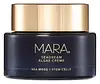
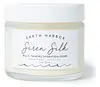
MARA Beauty Sea Moss + Stem Cells Sea Dream Firming Algae Crème Versus Earth Harbor Siren Silk Multi-Tasking Hydration Creme
This anti-aging moisturizer is formulated around Squalane to soften the look of wrinkles and hydrate skin.
This calming night moisturizer is formulated around Aloe Barbadensis Leaf Juice and Panthenol to calm redness and hydrate skin.

What's inside
What's inside
 Key Ingredients
Benefits
Concerns
Ingredients Side-by-side
Palmaria Palmata Extract
Skin Protecting

Water
Skin ConditioningRicinus Communis Seed Oil
Masking




Theobroma Grandiflorum Seed Butter
Skin Conditioning
Pentylene Glycol
Skin Conditioning
Cetearyl Alcohol
Emollient


Glycerin
Humectant
Glyceryl Stearate
Emollient
Cetearyl Olivate
Citrullus Lanatus Seed Oil
Emollient
Moringa Oleifera Seed Oil
Emollient
Glyceryl Caprylate
EmollientSorbitan Olivate
Emulsifying
Squalane
Emollient
Sodium Gluconate
ChelatingSodium Lactate
Buffering
Cetyl Hydroxyethylcellulose
Emulsion StabilisingMaris Aqua
HumectantSodium Stearoyl Glutamate
CleansingKappaphycus Alvarezii Extract
Skin Conditioning
Caprylic/Capric Triglyceride
Masking
Caprylhydroxamic Acid
ChelatingEclipta Prostrata Extract
Skin Conditioning
Limnanthes Alba Seed Oil
Skin Conditioning
Vaccinium Myrtillus Seed Oil
Skin Conditioning
Oenothera Biennis Oil
Emollient
Crambe Abyssinica Seed Oil
Skin Conditioning
Adansonia Digitata Seed Oil
Emollient
Malus Domestica Fruit Cell Culture Extract
Skin ConditioningVitis Vinifera Seed Oil
Emollient
Sodium Phytate
ChelatingSodium PCA
Humectant
Lecithin
Emollient
Benzoic Acid
Masking
Hydrolyzed Pinus Sibirica Seedcake Extract
Skin ConditioningGigartina Stellata Extract
Skin Protecting
Chondrus Crispus Extract
Skin Conditioning
Sodium Nitrate
SoothingXanthan Gum
EmulsifyingCystoseira Tamariscifolia Extract
Skin Conditioning
Hydrated Silica
Abrasive
Alaria Esculenta Extract
Skin Protecting
Sodium Benzoate
Masking
Acanthopanax Senticosus Root Extract
Skin ConditioningDisodium Phosphate
BufferingTocopherol
Antioxidant



Silica Dimethyl Silylate
EmollientSodium Phosphate
BufferingPotassium Sorbate
Preservative
Sodium Hydroxide
BufferingPalmaria Palmata Extract, Water, Ricinus Communis Seed Oil, Theobroma Grandiflorum Seed Butter, Pentylene Glycol, Cetearyl Alcohol, Glycerin, Glyceryl Stearate, Cetearyl Olivate, Citrullus Lanatus Seed Oil, Moringa Oleifera Seed Oil, Glyceryl Caprylate, Sorbitan Olivate, Squalane, Sodium Gluconate, Sodium Lactate, Cetyl Hydroxyethylcellulose, Maris Aqua, Sodium Stearoyl Glutamate, Kappaphycus Alvarezii Extract, Caprylic/Capric Triglyceride, Caprylhydroxamic Acid, Eclipta Prostrata Extract, Limnanthes Alba Seed Oil, Vaccinium Myrtillus Seed Oil, Oenothera Biennis Oil, Crambe Abyssinica Seed Oil, Adansonia Digitata Seed Oil, Malus Domestica Fruit Cell Culture Extract, Vitis Vinifera Seed Oil, Sodium Phytate, Sodium PCA, Lecithin, Benzoic Acid, Hydrolyzed Pinus Sibirica Seedcake Extract, Gigartina Stellata Extract, Chondrus Crispus Extract, Sodium Nitrate, Xanthan Gum, Cystoseira Tamariscifolia Extract, Hydrated Silica, Alaria Esculenta Extract, Sodium Benzoate, Acanthopanax Senticosus Root Extract, Disodium Phosphate, Tocopherol, Silica Dimethyl Silylate, Sodium Phosphate, Potassium Sorbate, Sodium Hydroxide
Aloe Barbadensis Leaf Juice
Skin Conditioning
Prunus Amygdalus Dulcis Oil
Skin Conditioning
Vaccinium Corymbosum Fruit Extract
Skin ConditioningGlyceryl Stearate/Acetate
EmollientStearic Acid
Cleansing
Glycerin
Humectant
Panthenol
Skin Conditioning
Tocopherol
Antioxidant
Persea Gratissima Oil
Skin Conditioning
Calendula Officinalis Flower
Skin Conditioning
Chamomilla Recutita Flower
Skin Conditioning
Lavandula Angustifolia Flower
Skin Conditioning
Trifolium Pratense Flower Extract
AstringentOlea Europaea Fruit Oil
Masking
Helianthus Annuus Seed Oil
Emollient
Oenothera Biennis Oil
Emollient
Limnanthes Alba Seed Oil
Skin Conditioning
Simmondsia Chinensis Seed Oil
Emollient
Butyrospermum Parkii Butter
Skin Conditioning
Theobroma Cacao Seed Butter
Emollient
Macadamia Ternifolia Seed Oil
Emollient
Crithmum Maritimum Extract
Skin ConditioningCitrus Aurantifolia Peel
Skin ConditioningCedrus Atlantica Wood Oil
Perfuming

Lavandula Angustifolia Flower Oil
Masking
Citrus Tangerina Peel
Abrasive
Melia Azadirachta Seed Oil
Emollient
Rosmarinus Officinalis Leaf Extract
AntimicrobialAloe Barbadensis Leaf Juice, Prunus Amygdalus Dulcis Oil, Vaccinium Corymbosum Fruit Extract, Glyceryl Stearate/Acetate, Stearic Acid, Glycerin, Panthenol, Tocopherol, Persea Gratissima Oil, Calendula Officinalis Flower, Chamomilla Recutita Flower, Lavandula Angustifolia Flower, Trifolium Pratense Flower Extract, Olea Europaea Fruit Oil, Helianthus Annuus Seed Oil, Oenothera Biennis Oil, Limnanthes Alba Seed Oil, Simmondsia Chinensis Seed Oil, Butyrospermum Parkii Butter, Theobroma Cacao Seed Butter, Macadamia Ternifolia Seed Oil, Crithmum Maritimum Extract, Citrus Aurantifolia Peel, Cedrus Atlantica Wood Oil, Lavandula Angustifolia Flower Oil, Citrus Tangerina Peel, Melia Azadirachta Seed Oil, Rosmarinus Officinalis Leaf Extract
Reviews
Ingredients Explained
These ingredients are found in both products.
Ingredients higher up in an ingredient list are typically present in a larger amount.
Glycerin (or glycerol) is a compound naturally found in your skin. It's a powerhouse humectant that pulls water into the stratum corneum.
Topically, glycerin does several things at once:
Your skin makes glycerin on its own (mostly from sebaceous oil breakdown) and shuttles it to your outermost layer of skin, or your epidermis, via aquaporin-3.
Aquaporin-3 is a transporter that is essential for normal skin hydration, elasticity, and repair. Interestingly, mice lacking in AQP3 have dry and less elastic skin that can be fully corrected with glycerin.
This ingredient is non-irritating, plays well with almost every ingredient, and works across all skin types. Typical use is anywhere between 3-10% but can go up to 79% in some leave-on products.
Just know very high concentrations (>40%) can feel tacky in low humidity.
Glycerin is the name for this ingredient in American English. British English uses Glycerol/Glycerine.
Learn more about GlycerinLimnanthes Alba Seed Oil is from the seeds of the meadowfoam plant. It is a skin conditioning agent and emollient that sits on top of skin to soften and hydrate it.
Over 98% of the oil is made up of long-chain fatty acids, mostly aachidic acid (61%), docosenoic acid (~16%), and docosadienoic acid (~18%).
This combination is not really found in any other plant oil and is the reason this is one of the most stable botanical oils available.
Some studies show it to be more stable than jojoba oil, helps a product resist going rancid, and can help extend the shelf life of a formula.
It also naturally contains vitamin E and phytosterols that give it a mild antioxidant benefit.
This ingredient is typically used from around 1% to fairly high levels since it's gentle; it's well-tolerated and low on the irritation scale.
Learn more about Limnanthes Alba Seed OilOenothera Biennis Oil (aka Evening Primrose Oil) is a non-fragrant oil from the evening primrose. Like other botanical oils, it is an emollient that helps hydrate and nourish skin.
It has an interesting fatty acid profile: linoleic (70-74%) and γ-linolenic (8-10%), with some amounts ofoleic palmitic, and stearic acids.
The gamma-linoleic acid (GLA) is the headliner here; it's relatively rare in plant oils and acts as a precursor for anti-inflammatory signaling molecules in the skin.
There's a mixed body of clinical research with this ingredient as well, mostly on eczema/atopic dermatitis skin.
Some controlled trials showed improvement in inflammation, dryness, scaling, and overall severity. Other studies and large meta-analysis failed to show a significant effect; the honest takeaway here is "promising but inconsistent" rather than "miracle oil".
On the safety front, this ingredient is found to be safe as used in cosmetics and even has a history of safe food use.
This ingredient does have a comedogenic rating of 3, but this doesn't mean a formula with this ingredient will clog pores. Human testing has proved that any finished product with this ingredient won't automatically make you break out; it really comes down to concentration, formula, and your skin.
Since this oil is contains oleic acid and palmitic acid, it may not be fungal acne safe. The Malassezia yeast feeds on fatty acids with carbon chain lengths between C11-C24. Oleic Acid sits at C18 and Palmitic acid sits at C16.
In vitro studies have shown that oleic acid and palmitic acid are some of the fatty acids that induce rapid Malassezia growth in lab settings.
Learn more about Oenothera Biennis OilTocopherol is a fat-soluble antioxidant known as Vitamin E.
You'll find this ingredient in the vast majority of skincare (for good reason). It works to neutralize free radicals, or unstable molecules generated by UV exposure, pollution, and other environmental stressors, before they can cause oxidative damage to your skin cells.
Topically applied tocopherol has been shown to protect against UV damage by ramping up the skin's own natural defense enzymes.
It also acts as a skin conditioning agent; some studies show that regular topical use can improve the skin's water-binding capacity over 2-4 weeks.
This ingredient is especially loved for being a team player. When combined with Vitamin C, the photoprotective effect of both ingredients roughly doubles and the combo also helps reduce UV-induced DNA damage.
This ingredient has some brightening potential but it's more of a prevention ingredient than spot-fader. Cell studies show it can slow down melanin production but it's worth noting that it's not the most powerful brightener out there.
In formulations, it also serves as a stabilizer that helps protect other oxidation-prone ingredients from degrading.
Concentrations usually range from 0.1-1% in most leave-on products.
Learn more about Tocopherol

