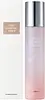
This barrier-repair toner is formulated around Niacinamide and Ceramide NP to strengthen the skin barrier and hydrate skin.
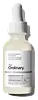
This hydrating serum is formulated around Sodium Hyaluronate and Panthenol to hydrate skin and strengthen the skin barrier.


What's inside
What's inside
 Key Ingredients
Benefits
Concerns
Ingredients Side-by-side
Water
Skin ConditioningButylene Glycol
Humectant

Glycerin
Humectant
Pentylene Glycol
Skin Conditioning
Niacinamide
Smoothing









1,2-Hexanediol
Skin Conditioning
Hydrogenated Lecithin
Emulsifying
Chlorella Vulgaris Extract
Skin ConditioningGlucose
Humectant
Fructooligosaccharides
Humectant
Fructose
Humectant
Glyceryl Stearate
Emollient

Ceramide NP
Skin Conditioning
Adenosine
Skin Conditioning
Caprylic/Capric Triglyceride
Masking
Glycine Soja Seed Extract
Skin Conditioning
Cetearyl Alcohol
Emollient



Glyceryl Stearate Citrate
Emollient
Ethylhexylglycerin
Skin ConditioningOctanediol
Beta-Glucan
Skin Conditioning
Hydrolyzed Glycosaminoglycans
HumectantSoluble Proteoglycan
Skin ConditioningCyanocobalamin
Skin ConditioningGlyceryl Caprylate
EmollientLactobionic Acid
Buffering
Lactobacillus Ferment
Skin Conditioning
Capryloyl Salicylic Acid
Exfoliating
Sucrose
Humectant
Aloe Barbadensis Leaf Polysaccharides
Emollient
Phospholipids
Skin Conditioning
Ethyl Hexanediol
SolventCholesterol
Emollient
Bifida Ferment Filtrate
Skin Conditioning
Bifida Ferment Lysate
Skin Conditioning
Lactobacillus Ferment Lysate
Skin Conditioning
Lactococcus Ferment Lysate
Skin Conditioning
Saccharomyces Ferment Filtrate
Humectant
Disodium EDTA
ChelatingArginine
Masking
Phytosterols
Skin Conditioning
Magnesium PCA
Humectant
Sodium Lactate
Buffering
Copper Tripeptide-1
Skin Conditioning
Serine
Masking
Urea
Buffering
Glycine
Buffering
Calcium Chloride
AstringentPotassium Hydroxide
BufferingOrnithine
Skin ConditioningSea Salt
Abrasive
Alanine
Masking
Magnesium Chloride
Threonine
Histidine
Humectant
Aspartic Acid
Masking
Valine
MaskingProline
Skin Conditioning
Dipotassium Phosphate
BufferingLysine
Skin ConditioningLeucine
Skin ConditioningTyrosine
MaskingIsoleucine
Skin ConditioningMagnesium Citrate
Skin ConditioningGlucosamine Hcl
Phenylalanine
Masking
Glutamic Acid
Humectant
1-Methylhydantoin-2-Imide
Skin ConditioningAsparagine
MaskingCitrulline
Skin ConditioningUric Acid
BufferingMethionine
Skin ConditioningTaurine
BufferingTryptophan
MaskingFormic Acid
Preservative
Ammonia
Buffering
Glutamine
Skin ConditioningCysteine
Antioxidant
Water, Butylene Glycol, Glycerin, Pentylene Glycol, Niacinamide, 1,2-Hexanediol, Hydrogenated Lecithin, Chlorella Vulgaris Extract, Glucose, Fructooligosaccharides, Fructose, Glyceryl Stearate, Ceramide NP, Adenosine, Caprylic/Capric Triglyceride, Glycine Soja Seed Extract, Cetearyl Alcohol, Glyceryl Stearate Citrate, Ethylhexylglycerin, Octanediol, Beta-Glucan, Hydrolyzed Glycosaminoglycans, Soluble Proteoglycan, Cyanocobalamin, Glyceryl Caprylate, Lactobionic Acid, Lactobacillus Ferment, Capryloyl Salicylic Acid, Sucrose, Aloe Barbadensis Leaf Polysaccharides, Phospholipids, Ethyl Hexanediol, Cholesterol, Bifida Ferment Filtrate, Bifida Ferment Lysate, Lactobacillus Ferment Lysate, Lactococcus Ferment Lysate, Saccharomyces Ferment Filtrate, Disodium EDTA, Arginine, Phytosterols, Magnesium PCA, Sodium Lactate, Copper Tripeptide-1, Serine, Urea, Glycine, Calcium Chloride, Potassium Hydroxide, Ornithine, Sea Salt, Alanine, Magnesium Chloride, Threonine, Histidine, Aspartic Acid, Valine, Proline, Dipotassium Phosphate, Lysine, Leucine, Tyrosine, Isoleucine, Magnesium Citrate, Glucosamine Hcl, Phenylalanine, Glutamic Acid, 1-Methylhydantoin-2-Imide, Asparagine, Citrulline, Uric Acid, Methionine, Taurine, Tryptophan, Formic Acid, Ammonia, Glutamine, Cysteine
Water
Skin ConditioningSodium Hyaluronate
Humectant
Propanediol
Solvent
Pentylene Glycol
Skin Conditioning
Hydrolyzed Hyaluronic Acid
Humectant
Sodium Hyaluronate Crosspolymer
Humectant
Phospholipids
Skin Conditioning
Sphingolipids
Emollient
Panthenol
Skin Conditioning
Ahnfeltiopsis Concinna Extract
Skin Conditioning
Glycerin
Humectant
Polysorbate 20
Emulsifying
Citric Acid
Buffering
Sodium Citrate
BufferingP-Anisic Acid
MaskingTocopherol
Antioxidant
Trisodium Ethylenediamine Disuccinate
ChelatingCaprylyl Glycol
Emollient
Ethoxydiglycol
HumectantEthylhexylglycerin
Skin ConditioningHexylene Glycol
EmulsifyingPhenoxyethanol
Preservative
Chlorphenesin
Antimicrobial
Water, Sodium Hyaluronate, Propanediol, Pentylene Glycol, Hydrolyzed Hyaluronic Acid, Sodium Hyaluronate Crosspolymer, Phospholipids, Sphingolipids, Panthenol, Ahnfeltiopsis Concinna Extract, Glycerin, Polysorbate 20, Citric Acid, Sodium Citrate, P-Anisic Acid, Tocopherol, Trisodium Ethylenediamine Disuccinate, Caprylyl Glycol, Ethoxydiglycol, Ethylhexylglycerin, Hexylene Glycol, Phenoxyethanol, Chlorphenesin
Reviews
Ingredients Explained
These ingredients are found in both products.
Ingredients higher up in an ingredient list are typically present in a larger amount.
Ethylhexylglycerin is created from glycerin. It is a multitasker ingredient that:
The CIR Expert Panel found minimal skin absorption or sensitization of any kind in a safety assessment. Though this ingredient is considered well-tolerated, a small number of cases of allergic dermatitis have been published since 2002. Just be sure to patch test if you are unsure.
Industry-reported use ranges from 8% in rinse-off products and 2% in leave-on formulations.
Learn more about EthylhexylglycerinGlycerin (or glycerol) is a compound naturally found in your skin. It's a powerhouse humectant that pulls water into the stratum corneum.
Topically, glycerin does several things at once:
Your skin makes glycerin on its own (mostly from sebaceous oil breakdown) and shuttles it to your outermost layer of skin, or your epidermis, via aquaporin-3.
Aquaporin-3 is a transporter that is essential for normal skin hydration, elasticity, and repair. Interestingly, mice lacking in AQP3 have dry and less elastic skin that can be fully corrected with glycerin.
This ingredient is non-irritating, plays well with almost every ingredient, and works across all skin types. Typical use is anywhere between 3-10% but can go up to 79% in some leave-on products.
Just know very high concentrations (>40%) can feel tacky in low humidity.
Glycerin is the name for this ingredient in American English. British English uses Glycerol/Glycerine.
Learn more about GlycerinPentylene Glycol (1,2-pentanediol) is a multitasking little diol with three main roles in a formula:
Research on alkanediols (the family pentylene glycol belongs to) show they work by disrupting microbial cell membranes. This disruption helps the primary preservative system in a product work more effectively at lower doses.
On the safety side, the Cosmetic Ingredient Review Expert Panel has concluded this ingredient to be safe as used in current cosmetic practices + concentrations.
Typical use levels in a formula run about 1-5%.
Learn more about Pentylene GlycolPhospholipids are a family of skin-identical lipids that makeup the structural backbone of every cell membrane in your body.
In cosmetics, they function as skin conditioning agents with emulsifier and surfactant properties. They're typically sourced from soybean or sunflower lecithin (or sometimes egg yolk or marine sources).
Because they mirror the lipids naturally found in the deeper layers of your skin, topical phospholipids help reinforce the lipid matrix, reduce transepidermal water loss, and leave skin feeling conditioned.
They're also used to form liposomes, or tiny self-assembling vesible used to stabilize actives like vitamin c or retinol. This helps these ingredients integrate into the upper layers of skin more easily.
Phospholipids are compatible with everything and the CIR Expert Panel has concluded them to be safe at current use levels.
Some types of phospholipids include:
Learn more about PhospholipidsWater. It's the most common cosmetic ingredient of all. You'll usually see it at the top of ingredient lists, meaning that it makes up the largest part of the product.
So why is it so popular? Water most often acts as a solvent - this means that it helps dissolve other ingredients into the formulation.
You'll also recognize water as that liquid we all need to stay alive. If you see this, drink a glass of water. Remember to stay hydrated!
Learn more about Water

