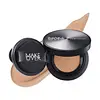
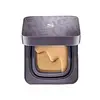
Make Over Powerstay Sync Matte Cushion Versus Somethinc Copy Paste Breathable Mesh Cushion SPF 33 PA++

What's inside
What's inside
 Key Ingredients
Benefits
Concerns
Ingredients Side-by-side
Water
Skin ConditioningCyclopentasiloxane
Emollient
Trimethylsiloxysilicate
Emollient
Diphenylsiloxy Phenyl Trimethicone
Skin Conditioning
Propylene Glycol Dicaprylate/Dicaprate
EmollientDimethicone
Emollient
Titanium Dioxide
Cosmetic Colorant

Methyl Gluceth-20
Humectant
Methyl Trimethicone
Skin Conditioning
PEG-10 Dimethicone
Skin Conditioning
Glycerin
Humectant
Tridecyl Trimellitate
EmollientTrisiloxane
Skin Conditioning
Isohexadecane
EmollientZinc Gluconate
Skin Conditioning



Phenoxyethanol
Preservative
Disteardimonium Hectorite
StabilisingPolypropylsilsesquioxane
Triethoxycaprylylsilane
Neopentyl Glycol Diheptanoate
EmollientEthylhexylglycerin
Skin ConditioningZinc Oxide
Cosmetic Colorant
Polyhydroxystearic Acid
Emulsifying
Lauryl PEG-9 Polydimethylsiloxyethyl Dimethicone
Skin Conditioning
Dimethicone Crosspolymer
Emulsion Stabilising
Aluminum Hydroxide
Emollient1,2-Hexanediol
Skin Conditioning
Caprylyl Glycol
Emollient
Acrylates/Stearyl Acrylate/Dimethicone Methacrylate Copolymer
Boron Nitride
Absorbent
Silica
Abrasive
Propylene Carbonate
SolventHydrated Silica
Abrasive
Methyl Methacrylate Crosspolymer
Synthetic Fluorphlogopite
Allantoin
Skin Conditioning

C30-45 Alkyldimethylsilyl Polypropylsilsesquioxane
Tocopheryl Acetate
Antioxidant


Triethyl Citrate
Masking
Disodium EDTA
Chamomilla Recutita Flower/Leaf Extract
AntimicrobialChlorella Vulgaris Extract
Skin ConditioningPropanediol
Solvent
Sodium Hyaluronate
Humectant

Caprylic/Capric Triglyceride
Masking
Tocopherol
Antioxidant
Deoxyphytantriyl Palmitamide Mea
Skin ConditioningLecithin
Emollient
Hydrogenated Lecithin
Emulsifying
Ascorbyl Glucoside
Antioxidant
Ceramide NP
Skin Conditioning
Cholesterol
Emollient
Sodium Phytate
Lactic Acid
Buffering



Potassium Sorbate
Preservative
Sodium Benzoate
Masking
CI 77891
Cosmetic ColorantCI 77492
Cosmetic ColorantCI 77491
Cosmetic ColorantCI 77499
Cosmetic ColorantCI 77007
Cosmetic ColorantWater, Cyclopentasiloxane, Trimethylsiloxysilicate, Diphenylsiloxy Phenyl Trimethicone, Propylene Glycol Dicaprylate/Dicaprate, Dimethicone, Titanium Dioxide, Methyl Gluceth-20, Methyl Trimethicone, PEG-10 Dimethicone, Glycerin, Tridecyl Trimellitate, Trisiloxane, Isohexadecane, Zinc Gluconate, Phenoxyethanol, Disteardimonium Hectorite, Polypropylsilsesquioxane, Triethoxycaprylylsilane, Neopentyl Glycol Diheptanoate, Ethylhexylglycerin, Zinc Oxide, Polyhydroxystearic Acid, Lauryl PEG-9 Polydimethylsiloxyethyl Dimethicone, Dimethicone Crosspolymer, Aluminum Hydroxide, 1,2-Hexanediol, Caprylyl Glycol, Acrylates/Stearyl Acrylate/Dimethicone Methacrylate Copolymer, Boron Nitride, Silica, Propylene Carbonate, Hydrated Silica, Methyl Methacrylate Crosspolymer, Synthetic Fluorphlogopite, Allantoin, C30-45 Alkyldimethylsilyl Polypropylsilsesquioxane, Tocopheryl Acetate, Triethyl Citrate, Disodium EDTA, Chamomilla Recutita Flower/Leaf Extract, Chlorella Vulgaris Extract, Propanediol, Sodium Hyaluronate, Caprylic/Capric Triglyceride, Tocopherol, Deoxyphytantriyl Palmitamide Mea, Lecithin, Hydrogenated Lecithin, Ascorbyl Glucoside, Ceramide NP, Cholesterol, Sodium Phytate, Lactic Acid, Potassium Sorbate, Sodium Benzoate, CI 77891, CI 77492, CI 77491, CI 77499, CI 77007
Water
Skin ConditioningTitanium Dioxide
Cosmetic Colorant
Cyclopentasiloxane
Emollient
Diphenylsiloxy Phenyl Trimethicone
Skin Conditioning
Butylene Glycol
Humectant
Ethylhexyl Methoxycinnamate
UV Absorber
Lauryl PEG-9 Polydimethylsiloxyethyl Dimethicone
Skin Conditioning
Dicaprylyl Carbonate
EmollientCyclohexasiloxane
Emollient
CI 77492
Cosmetic ColorantGlycerin
Humectant
Caprylic/Capric Triglyceride
Masking
Trimethylsiloxysilicate
Emollient
Phenyl Trimethicone
Skin Conditioning
Pentylene Glycol
Skin Conditioning
Polypropylsilsesquioxane
Synthetic Fluorphlogopite
PEG-10 Dimethicone
Skin Conditioning
Phenoxyethanol
Preservative
Magnesium Sulfate
Dipentaerythrityl Hexa C5-9 Acid Esters
Skin ConditioningCI 77491
Cosmetic ColorantDimethicone
Emollient
Triethoxycaprylylsilane
Dimethicone/Vinyl Dimethicone Crosspolymer
Skin Conditioning
CI 77499
Cosmetic ColorantBetaine
Humectant
Polyhydroxystearic Acid
Emulsifying
Aluminum Hydroxide
EmollientDisteardimonium Hectorite
StabilisingStearic Acid
Cleansing
Parfum
Masking
Ethylhexylglycerin
Skin ConditioningLecithin
Emollient
Ethylhexyl Palmitate
Emollient
Isostearic Acid
Cleansing
Isopropyl Myristate
Emollient
Hydrogenated Castor Oil Isostearate
Skin Conditioning
Polyglyceryl-3 Polyricinoleate
Emulsifying
Anthemis Nobilis Flower Extract
Masking
Disodium EDTA
BHT
Antioxidant
Tocopherol
Antioxidant
Allantoin
Skin Conditioning
Caffeine
Skin Conditioning
1,2-Hexanediol
Skin Conditioning
Water, Titanium Dioxide, Cyclopentasiloxane, Diphenylsiloxy Phenyl Trimethicone, Butylene Glycol, Ethylhexyl Methoxycinnamate, Lauryl PEG-9 Polydimethylsiloxyethyl Dimethicone, Dicaprylyl Carbonate, Cyclohexasiloxane, CI 77492, Glycerin, Caprylic/Capric Triglyceride, Trimethylsiloxysilicate, Phenyl Trimethicone, Pentylene Glycol, Polypropylsilsesquioxane, Synthetic Fluorphlogopite, PEG-10 Dimethicone, Phenoxyethanol, Magnesium Sulfate, Dipentaerythrityl Hexa C5-9 Acid Esters, CI 77491, Dimethicone, Triethoxycaprylylsilane, Dimethicone/Vinyl Dimethicone Crosspolymer, CI 77499, Betaine, Polyhydroxystearic Acid, Aluminum Hydroxide, Disteardimonium Hectorite, Stearic Acid, Parfum, Ethylhexylglycerin, Lecithin, Ethylhexyl Palmitate, Isostearic Acid, Isopropyl Myristate, Hydrogenated Castor Oil Isostearate, Polyglyceryl-3 Polyricinoleate, Anthemis Nobilis Flower Extract, Disodium EDTA, BHT, Tocopherol, Allantoin, Caffeine, 1,2-Hexanediol
Reviews
Ingredients Explained
These ingredients are found in both products.
Ingredients higher up in an ingredient list are typically present in a larger amount.
1,2-Hexanediol is a synthetic liquid and another multi-functional powerhouse.
It is a:
- Humectant, drawing moisture into the skin
- Emollient, helping to soften skin
- Solvent, dispersing and stabilizing formulas
- Preservative booster, enhancing the antimicrobial activity of other preservatives
Allantoin is a soothing ingredient known for its protective and moisturizing properties; it's basically a quiet workhorse ingredient you can find in a huge range of cosmetics.
Though it can be derived from the comfrey plant, allantoin is produced synthetically for cosmetic products to ensure purity.
Research shows it can encourage your skin cells to turn over and renew by stimulating keratinocyte and fibroblast proliferation.
It also has mild keratolytic properties to help loosen and shed dead skin cells without being harsh.
Studies also suggest allantoin can help calm inflammation by dialing down some of the chemical signals your skin sends out when it is irritated.
This ingredient is typically used in the 0.1-0.5% range, and the FDA recognizes it as a skin protectant in OTC products up to 2%.
Overall, allantoin is a wonderful addition to most routines; it is stable across a wide pH range (~4-8), works well with other ingredients, and is considered non-sensitizing/non-irritating.
Fun fact: Allantoin is naturally occurring in comfrey root, beets, chamomile, and wheat sprouts. Our bodies even produce it as a byproduct of uric acid metabolism.
Learn more about AllantoinAluminum Hydroxide is a form of aluminum. It can be naturally found in nature as the mineral gibbsite. In cosmetics, Aluminum Hydroxide is used as a colorant, pH adjuster, and absorbent.
As a colorant, Aluminum Hydroxide may add opacity, or reduce the transparency. Aluminum hydroxide is contains both basic and acidic properties.
According to manufacturers, this ingredient is an emollient and humectant. This means it helps hydrate the skin.
In medicine, this ingredient is used to help relieve heartburn and help heal ulcers.
There is currently no credible scientific evidence linking aluminum hydroxide in cosmetics to increased cancer risk.
Major health organizations allow the use of aluminum hydroxide in personal care products and have not flagged it as a carcinogenic risk at typical usage levels.
Learn more about Aluminum HydroxideThis ingredient is a lightweight emollient, solvent, and texture enhancer. It is considered a skin-softener by helping the skin prevent moisture loss.
It helps thicken a product's formula and makes it easier to spread by dissolving clumping compounds.
Caprylic Triglyceride is made by combining glycerin with coconut oil, forming a clear liquid. Though it behaves like an oil, it is not technically one due to its chemical composition. It is very stable, resistant to oxidation, and unlikely to go rancid. In practice, that translates to a long shelf life and a consistently elegant skin feel.
While there is an assumption Caprylic Triglyceride can clog pores due to it being derived from coconut oil, there is no research supporting this. Be sure to patch test if you have concerns.
Fractionated coconut oil and MCT Oil are both listed as Caprylic/Capric Triglyceride according to INCI. This is because INCI names are based on the ingredient’s final chemical composition and not its marketing name or source.
Learn more about Caprylic/Capric TriglycerideCi 77491 is also hydrated iron III oxide. It's sole purpose is to give a red/pink hue to products.
Iron III oxides are classified as inorganic chemicals for coloring.
Synthetically created Ci 77491 is considered safer than those naturally found. This is because the synthetically created version may contain less impurities. Iron oxides are generally non-toxic and non-allergenic.
Learn more about CI 77491CI 77492 is also hydrated iron III oxide. It's sole purpose is to give a yellow hue to products.
Iron III oxides are classified as inorganic chemicals for coloring.
Synthetically created CI 77492 is considered safer than those naturally found. This is because the synthetically created version may contain less impurities. Iron oxides are generally non-toxic and non-allergenic.
Learn more about CI 77492Ci 77499 is also hydrated iron III oxide. It is created from mixing red and black iron oxides. This helps give shades of darkness to a product.
Iron III oxides are classified as inorganic chemicals for coloring.
Cyclopentasiloxane, or D5, is a silicone used to improve texture of products and trap moisture.
D5 is considered lightweight and volatile. Volatile means it evaporates quickly after application. Once evaporated, D5 leaves a thin barrier that helps keep skin hydrated.
It is also an emollient. Emollients help soften the skin and prevent water loss. Silicones create a silky texture in products. D5 helps other ingredients become more spreadable.
Studies show D5 is safe to use in skincare products. We recommend speaking with a skincare professional if you have concerns.
Learn more about CyclopentasiloxaneDimethicone is a type of synthetic silicone created from natural materials such as quartz. It is also known as polydimethylsiloxane.
What it does:
Dimethicone comes in different viscosities:
Depending on the viscosity, dimethicone has different properties.
Ingredients lists don't always show which type is used, so we recommend reaching out to the brand if you have questions about the viscosity.
This ingredient is unlikely to cause irritation because it does not get absorbed into skin. However, people with silicone allergies should be careful about using this ingredient.
Note: Dimethicone may contribute to pilling. This is because it is not oil or water soluble, so pilling may occur when layered with products. When mixed with heavy oils in a formula, the outcome is also quite greasy.
Learn more about DimethiconeDiphenylsiloxy Phenyl Trimethicone is a silicone. It has a high refractive index and adds shine to formulations.
According to the safety review by the Cosmetic Ingredient Review (CIR) Expert Panel, it is safe for use in cosmetics under the current practices and concentrations.
Disodium EDTA is a chelating agent. It grabs onto and deactivates metal ions that sneak into your products from water, packaging, or air.
This ingredient mainly works behind the scenes and helps with:
On top of that, this ingredient can counteract the effects of hard water by binding to the minerals in it.
One thing worth knowing is that Disodium EDTA has been shown to be a mild penetration enhancer. It can help other ingredients absorb into skin more effectively which can be a double-edged sword (great for actives, but can also make the active too strong if you have sensitive skin).
Clinical patch testing showed no significant skin irritation at typical use concentrations and minimal dermal absorption.
You'll most likely see this ingredient near the end of an ingredient list. It's typically found in concentrations less than 1%.
Learn more about Disodium EDTADisteardimonium Hectorite comes from the clay mineral named hectorite. It is used to add thickness to a product.
It can also help stabilize a product by helping to disperse other ingredients.
Hectorite is a rare, white clay mineral.
Learn more about Disteardimonium HectoriteEthylhexylglycerin is created from glycerin. It is a multitasker ingredient that:
The CIR Expert Panel found minimal skin absorption or sensitization of any kind in a safety assessment. Though this ingredient is considered well-tolerated, a small number of cases of allergic dermatitis have been published since 2002. Just be sure to patch test if you are unsure.
Industry-reported use ranges from 8% in rinse-off products and 2% in leave-on formulations.
Learn more about EthylhexylglycerinGlycerin (or glycerol) is a compound naturally found in your skin. It's a powerhouse humectant that pulls water into the stratum corneum.
Topically, glycerin does several things at once:
Your skin makes glycerin on its own (mostly from sebaceous oil breakdown) and shuttles it to your outermost layer of skin, or your epidermis, via aquaporin-3.
Aquaporin-3 is a transporter that is essential for normal skin hydration, elasticity, and repair. Interestingly, mice lacking in AQP3 have dry and less elastic skin that can be fully corrected with glycerin.
This ingredient is non-irritating, plays well with almost every ingredient, and works across all skin types. Typical use is anywhere between 3-10% but can go up to 79% in some leave-on products.
Just know very high concentrations (>40%) can feel tacky in low humidity.
Glycerin is the name for this ingredient in American English. British English uses Glycerol/Glycerine.
Learn more about GlycerinThis is a silicone-polyether copolymer with skin conditioning, emulsifying, texture enhancing, and surfactant properties. It is used to help blend water and silicone based ingredients to improve slip and spreadability.
Due to its large molecular size and hydrophilic-lipophilic structure (it loves both oil and water), this ingredient is minimally absorbed into the skin.
Lecithin is a term for a group of substances found in the cell membranes of plants, animals, and humans. They are made up of phospholipids.
Thanks to its amphiphilic structure (water-loving head and oil-loving tail), it is a true multitasker:
It plays well with most ingredients and is typically used at 0.1-1%. However, concentrations up to 50% have been reported in moisturizers.
Depending on the source of this ingredient, lecithin may not be fungal acne safe. This is because some sources of lecithin come from soybean oil, which may feed the malassezia yeast that causes fungal acne.
We recommend reaching out to the brand you are purchasing from to inquire about the source of their lecithin.
Learn more about LecithinPeg-10 Dimethicone is silicone with conditioner and emulsifier properties. It mostly acts as an emollient in skincare and and humectant in haircare.
According to the manufacturer, acidic formulations decrease the stability of this ingredient. It works best in neutral or near neutral formulations.
Phenoxyethanol is a preservative that has germicide, antimicrobial, and aromatic properties. Studies show that phenoxyethanol can prevent microbial growth. By itself, it has a scent that is similar to that of a rose.
It's often used in formulations along with Caprylyl Glycol to preserve the shelf life of products.
Polyhydroxystearic Acid is a soft wax made from castor oil.
It is is a texture thickener, emulsifier, and film-former. Emulsifiers prevent ingredients from separating, such as oils and waters.
Polyhydroxystearic Acid may not be fungal acne safe.
Learn more about Polyhydroxystearic AcidPolypropylsilsesquioxane is a synthetic silicone resin used to create a flexible, water-resistant layer on the skin or hair.
This helps improve the wear and transfer resistance in products like foundations, sunscreens, and colored makeup without feeling greasy.
Synthetic Fluorphlogopite is the synthethic version of mica. It consists of fluorine, aluminum and silicate.
Synthetic Fluorphlogopite is used to add volume to products.
It is considered non-irritating on the skin.
Learn more about Synthetic FluorphlogopiteTitanium dioxide is a mineral UV filter widely used in sunscreens and cosmetics.
It is one of only two UV filters officially classified as “mineral” by regulatory agencies, the other being zinc oxide.
Titanium dioxide provides broad-spectrum protection mostly in the UVB and UVAII range, with some protection in the UVAI range.
While its UVA protection isn’t as strong as zinc oxide’s, the difference is minor.
A common myth is that mineral UV filters reflect UV light. However, modern research shows titanium dioxide absorbs UV radiation like chemical filters (~95% absorption & 5% reflection).
Thanks to its non-irritating nature, titanium dioxide is suitable for sensitive, acne-prone, or redness-prone skin. It is unlikely to cause "eye sting" like other sunscreen ingredients.
A major drawback of this ingredient is its white cast and thick texture. This is why mineral sunscreens often leave a white cast and are less cosmetically elegant than chemical/hybrid sunscreens.
To improve white cast and spreadability, micronized or nano-sized titanium dioxide is often used.
There are ongoing concerns surrounding nano-titanium oxide's impact on marine ecosystems.
There is no conclusive evidence that any form of titanium oxide (or any other sunscreen ingredients) will cause harm to marine ecosystems or coral reefs. The science is still developing but many consumers are keeping a close eye on this issue.
Please note, many destinations have reef-safety sunscreen rules. For instance, the U.S. Virgin Islands advises all visitors to use non-nano mineral sunscreens.
Nano mineral sunscreens once raised safety concerns about absorption into skin.
Extensive research has shown that they do not penetrate healthy or damaged skin; they remain safely on the surface and the top layer of dead skin (stratum corneum).
You'll likely find titanium dioxide bundled with alumina, silica, or dimethicone. These ingredients help make titanium dioxide highly photostable; this prevents it from interacting with other formula components under UV light.
Learn more about Titanium DioxideTocopherol is a fat-soluble antioxidant known as Vitamin E.
You'll find this ingredient in the vast majority of skincare (for good reason). It works to neutralize free radicals, or unstable molecules generated by UV exposure, pollution, and other environmental stressors, before they can cause oxidative damage to your skin cells.
Topically applied tocopherol has been shown to protect against UV damage by ramping up the skin's own natural defense enzymes.
It also acts as a skin conditioning agent; some studies show that regular topical use can improve the skin's water-binding capacity over 2-4 weeks.
This ingredient is especially loved for being a team player. When combined with Vitamin C, the photoprotective effect of both ingredients roughly doubles and the combo also helps reduce UV-induced DNA damage.
This ingredient has some brightening potential but it's more of a prevention ingredient than spot-fader. Cell studies show it can slow down melanin production but it's worth noting that it's not the most powerful brightener out there.
In formulations, it also serves as a stabilizer that helps protect other oxidation-prone ingredients from degrading.
Concentrations usually range from 0.1-1% in most leave-on products.
Learn more about TocopherolTriethoxycaprylylsilane is a silicon-based surface modifier that makes sunscreens feel silky and makeup stay put.
Its main job is to coat mineral particles like titanium dioxide, zinc oxide, and color pigments in a thin, oily layer so they spread smoothly, don't clump, and stick to skin better.
This ingredient is typically used at low levels (up to 2.5% in eyeshadow and 1% in lipstick).
Learn more about TriethoxycaprylylsilaneThis silicone is an emollient. Emollients create a thin film on the skin to prevent moisture from escaping.
It is not soluble in water and helps increase water-resistance in products.
According to a manufacturer, it can blend seamlessly with silicone oils, such as Cyclopentasiloxane.
Learn more about TrimethylsiloxysilicateWater. It's the most common cosmetic ingredient of all. You'll usually see it at the top of ingredient lists, meaning that it makes up the largest part of the product.
So why is it so popular? Water most often acts as a solvent - this means that it helps dissolve other ingredients into the formulation.
You'll also recognize water as that liquid we all need to stay alive. If you see this, drink a glass of water. Remember to stay hydrated!
Learn more about Water
