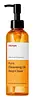
This oil-based makeup remover is made to dissolve makeup, sunscreen, and daily buildup.
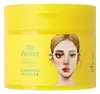
This cleansing wipe is made to dissolve makeup, sunscreen, and daily buildup.

What's inside
What's inside
 Key Ingredients
Benefits
Concerns
Ingredients Side-by-side
Vitis Vinifera Seed Oil
Emollient




Ethylhexyl Palmitate
Emollient


Sorbeth-30 Tetraoleate
Emulsifying
Cetyl Ethylhexanoate
EmollientIsododecane
EmollientDicaprylyl Ether
Emollient
Oxidized Hazelnut Seed Oil
Skin Conditioning
Nigella Sativa Seed Oil
Emollient
Helianthus Annuus Seed Oil
Emollient
Citrus Aurantium Bergamia Fruit Oil
Masking

Lavandula Angustifolia Oil
Masking
Glucose
Humectant
Butylene Glycol
Humectant
Tocopherol
Antioxidant




Water
Skin ConditioningLinalool
Perfuming
Limonene
Perfuming
Vitis Vinifera Seed Oil, Ethylhexyl Palmitate, Sorbeth-30 Tetraoleate, Cetyl Ethylhexanoate, Isododecane, Dicaprylyl Ether, Oxidized Hazelnut Seed Oil, Nigella Sativa Seed Oil, Helianthus Annuus Seed Oil, Citrus Aurantium Bergamia Fruit Oil, Lavandula Angustifolia Oil, Glucose, Butylene Glycol, Tocopherol, Water, Linalool, Limonene
Water
Skin ConditioningCyclopentasiloxane
Emollient
Cetyl Ethylhexanoate
EmollientIsododecane
EmollientPolyglyceryl-6 Dicaprate
EmulsifyingPotassium Sorbate
Preservative
Acrylates/C10-30 Alkyl Acrylate Crosspolymer
Emulsion StabilisingGardenia Florida Fruit Extract
Skin ConditioningCitrus Aurantium Bergamia Fruit Oil
Masking
Disodium EDTA
ChelatingDextrin
AbsorbentOenothera Biennis Oil
Emollient
Rosa Canina Fruit Oil
Emollient
Macadamia Ternifolia Seed Oil
Emollient
Squalane
Emollient
Argania Spinosa Kernel Oil
Emollient
Persea Gratissima Oil
Skin Conditioning
Olea Europaea Fruit Oil
Masking
Vitis Vinifera Seed Oil
Emollient
Helianthus Annuus Seed Oil
Emollient
Simmondsia Chinensis Seed Oil
Emollient
Ribes Nigrum Seed Oil
Emollient
Houttuynia Cordata Extract
Skin Conditioning
Butylene Glycol
Humectant
Citrus Limon Peel Oil
Masking
Centella Asiatica Extract
Cleansing
Citrus Aurantium Dulcis Peel Oil
Masking
Citrus Aurantifolia Oil
Cleansing
1,2-Hexanediol
Skin Conditioning
Pinus Sylvestris Leaf Oil
Masking
Quillaja Saponaria Bark Extract
CleansingSaponaria Officinalis Extract
Skin ConditioningYucca Schidigera Root Extract
Skin ConditioningBiotin
AntiseborrhoeicPanthenol
Skin Conditioning
Eucalyptus Globulus Leaf Oil
Perfuming
Prunus Mume Fruit Extract
Humectant
Malus Domestica Fruit Extract
Antioxidant
Carica Papaya Fruit Extract
Skin ConditioningVitis Vinifera Fruit Extract
Skin ConditioningLavandula Angustifolia Extract
Skin Conditioning
Thymus Vulgaris Extract
Perfuming
Rosmarinus Officinalis Extract
AntimicrobialOriganum Vulgare Flower/Leaf/Stem Extract
Skin ConditioningPapain
Skin Conditioning
Hyaluronic Acid
Humectant
Caprylyl Glycol
Emollient
Ethylhexylglycerin
Skin ConditioningLinalool
Perfuming
Limonene
Perfuming
Water, Cyclopentasiloxane, Cetyl Ethylhexanoate, Isododecane, Polyglyceryl-6 Dicaprate, Potassium Sorbate, Acrylates/C10-30 Alkyl Acrylate Crosspolymer, Gardenia Florida Fruit Extract, Citrus Aurantium Bergamia Fruit Oil, Disodium EDTA, Dextrin, Oenothera Biennis Oil, Rosa Canina Fruit Oil, Macadamia Ternifolia Seed Oil, Squalane, Argania Spinosa Kernel Oil, Persea Gratissima Oil, Olea Europaea Fruit Oil, Vitis Vinifera Seed Oil, Helianthus Annuus Seed Oil, Simmondsia Chinensis Seed Oil, Ribes Nigrum Seed Oil, Houttuynia Cordata Extract, Butylene Glycol, Citrus Limon Peel Oil, Centella Asiatica Extract, Citrus Aurantium Dulcis Peel Oil, Citrus Aurantifolia Oil, 1,2-Hexanediol, Pinus Sylvestris Leaf Oil, Quillaja Saponaria Bark Extract, Saponaria Officinalis Extract, Yucca Schidigera Root Extract, Biotin, Panthenol, Eucalyptus Globulus Leaf Oil, Prunus Mume Fruit Extract, Malus Domestica Fruit Extract, Carica Papaya Fruit Extract, Vitis Vinifera Fruit Extract, Lavandula Angustifolia Extract, Thymus Vulgaris Extract, Rosmarinus Officinalis Extract, Origanum Vulgare Flower/Leaf/Stem Extract, Papain, Hyaluronic Acid, Caprylyl Glycol, Ethylhexylglycerin, Linalool, Limonene
Ingredients Explained
These ingredients are found in both products.
Ingredients higher up in an ingredient list are typically present in a larger amount.
Butylene Glycol (or BG) is used within cosmetic products for a few different reasons:
Overall, Butylene Glycol is a safe and well-rounded ingredient that works well with other ingredients.
Though this ingredient works well with most skin types, some people with sensitive skin may experience a reaction such as allergic rashes, closed comedones, or itchiness.
Learn more about Butylene GlycolCetyl Ethylhexanoate is an emollient ester. It comes from cetearyl alcohol and 2-ethylhexanoic acid.
Cetyl Ethylhexanoate is an emollient that adds a velvety feel to skin without being greasy or oily. Emollients help trap moisture into your skin, keeping your skin soft and hydrated.
Citrus Aurantium Bergamia Fruit Oil is the oil from the bergamot orange and is primarily used as a fragrance. It has a "fresh" and "bright orange" scent.
The main aroma compounds found in this ingredient are limonene (~27-52%), linalool (~2-22%), and linalyl acetate (~27-40%). These are known EU fragrance allergens.
The term 'fragrance' is not regulated in many countries. In many cases, it is up to the brand to define this term. For instance, many brands choose to label themselves as "fragrance-free" because they are not using synthetic fragrances. However, their products may still contain ingredients such as essential oils that are considered a fragrance.
When used topically, Citrus Aurantium Bergamia Fruit Oil is a photosensitizer due to the furanocoumarin content. Furanocoumarins absorb UV-A and cause phytophotodermatitis; this can look like redness, blistering, and lasting brown pigmentation on sun-exposed skin.
Due to this, this ingredient is capped at 0.4% in leave-on products applied to sun exposed skin.
Many modern formulas used a "furanocoumarin-free" version that sidesteps the phototoxicity issue, but still contains the fragrance allergens.
Learn more about Citrus Aurantium Bergamia Fruit OilHelianthus Annuus Seed Oil is a plant oil derived from the seeds of a sunflower.
It is rich in fatty acids, primarily linoleic acid and oleic acid. This gives it emollient and skin conditioning properties.
The reason this ingredient is so effective is because it forms a thin film on the skin that reduces transepidermal water loss (TEWL) while supplying linoleic acid to the stratum corneum to improve barrier strength.
The high linoleic acid content is particularly noteworthy for acne-prone skin.
Research suggests that acne-prone skin tends to be deficient in linoleic acid in sebum. Topical application may help replenish this to support a healthier follicular environment and less comedone-promoting sebum.
One randomized study found sunflower seed oil preserved skin barrier integrity in adult volunteers with and without atopic dermatitis (outperforming olive oil).
This ingredient is well-studied, gentle, and an effective emollient suitable for most skin types.
On fungal acne: This ingredient may not be Fungal acne (Malassezia folliculitis) safe. This is because it contains fatty acids with carbon chain lengths in the C11-C24 range.
Learn more about Helianthus Annuus Seed OilIsododecane is a fragrance, emollient, and solvent.
As an emollient, it helps your skin stay soft and hydrated. Emollients help trap moisture into your skin.
Isododecane's role as a solvent makes it a great texture enhancer. It spreads smoothly on skin and does not leave a sticky feeling behind. Isododecane also helps prevent color transfer in makeup products.
Isododecane is not absorbed into skin.
The chemical name for this ingredient is 2,2,4,6,6-PENTAMETHYLHEPTANE.
Learn more about IsododecaneLimonene is the compound that gives citrus peel its smell.
In skincare, it shows up as a standalone fragrance ingredient or as a natural compound of citrus and other essential oils.
You'll typically see this ingredient used in very small amounts; anything above 0.001% in a leave-on product or 0.01% in a rinse-off has to be named on the label in the EU. The citrus oils that carry it sit around 0.5-1% in a finished formula.
Fresh limonene is a weak allergen; the real issue is that it slowly reacts with air and then breaks down from oxidation to create hydroperoxides (which are strong sensitizers). This is why suppliers are required to keep the peroxide value below 20 mmol.
Positive reactions in people being investigated for eczema vary:
It's worth skipping if you have a known fragrance allergy or a compromised barrier, but the risk is low for most people.
Older or long-opened products are also more likely to bother you than fresh ones due to oxidation.
Learn more about LimoneneLinalool is a small, naturally occurring scent molecule found in plants like lavender, coriander, bergamot, and more.
It is one of the two most-used fragrance ingredients in cosmetics and added purely for smell. Since it's not used for a skin benefit, there's no "effective dose". Concentration depends on the fragrance load of the product.
The EU requires it to be named on the label above 0.001% in leave-on and 0.01% in rinse-off products.
Fresh linalool is a weak sensitizer but air exposure turns some of it into hydroperoxides, which are strong sensitizers. Those oxidation products are the actual allergy concern.
Patch-test clinics see positive reactions to linalool hydroperoxides in about 4% to 12% of dermatitis patients depending on country and test concentration.
Resassuringly, one analytical study found hydroperoxide levels in real fragranced products to be orders of magnitude below what induced sensitization in animal studies with no evidence of oxidation building up during normal storage.
The practical takeaway is that linalool is fine for most people but worth avoiding if you have a confirmed fragrance contact allergy or a badly compromised barrier.
Products stored a long time after opening are also the high-risk scenario since that is when oxidation happens.
The scent of linalool is described as floral, spicy tropical, and citrus-like.
Learn more about LinaloolVitis Vinifera Seed Oil comes from the grape vine. Grape seeds are a byproduct of creating grape juice or wine.
The components of grape seeds have many skin benefits. Research has found it to be antimicrobial and anti-inflammatory. It also contains many potent antioxidants such as Vitamin E , Vitamin C, proanthocyanidins, polyphenols, flavonoids, and anthocyanins. Proanthocyanidin has been shown to help even out skin tone.
Antioxidants help fight free-radical molecules. Free-radical molecules are capable of damaging our cells and other genetic material. Antioxidants help stabilize free-radicals by donating extra electrons. Grape seed extract may help reduce the signs of aging.
The antimicrobial properties of grape seed may help treat acne. However, more research is needed to support this claim.
Grape seed has also been found to help absorb UV rays. Grape seed extract should not replace your sunscreen.
The fatty acids of grape seed oil give it emollient properties. Emollients help soothe and soften your skin by creating a film. This film traps moisture within, keeping your skin hydrated.
Learn more about Vitis Vinifera Seed OilWater. It's the most common cosmetic ingredient of all. You'll usually see it at the top of ingredient lists, meaning that it makes up the largest part of the product.
So why is it so popular? Water most often acts as a solvent - this means that it helps dissolve other ingredients into the formulation.
You'll also recognize water as that liquid we all need to stay alive. If you see this, drink a glass of water. Remember to stay hydrated!
Learn more about Water

