

What's inside
What's inside
 Key Ingredients
Benefits
Concerns
Ingredients Side-by-side
Water
Skin ConditioningPotassium Cocoyl Glycinate
Surfactant
Glycerin
Humectant


Hydrated Silica
Abrasive
Cocamidopropyl Hydroxysultaine
Cleansing
PEG-150 Distearate
Emulsifying

Citric Acid
Buffering

Sodium Lauroyl Glutamate
SurfactantSodium Chloride
MaskingNiacinamide
Smoothing








PEG-75 Lanolin
Emollient
Sodium Lauroyl Oat Amino Acids
CleansingPhenoxyethanol
Preservative
Parfum
Masking



Cocamidopropyl Dimethylamine
Emulsifying
Sodium Citrate
BufferingMethylparaben
Preservative

Jasminum Sambac Flower Water
Perfuming
Urea
Buffering
Ethylhexylglycerin
Skin ConditioningOlea Europaea Husk Powder
Abrasive
Argan Oil Polyglyceryl-6 Esters
Emollient
Sodium Benzoate
Masking
Oryza Sativa Bran Oil
Emollient
Paeonia Suffruticosa Seed Oil
Emollient
Glycine Soja Seed Extract
Skin Conditioning
Avena Sativa Kernel Oil
Skin Conditioning
Tocopherol
Antioxidant

CI 47005
Cosmetic ColorantAscorbic Acid
Antioxidant
3-O-Ethyl Ascorbic Acid
Skin Conditioning
Squalane
Emollient
Jasminum Sambac Flower Oil
Masking
Tartaric Acid
Buffering
Sodium Bisulfite
Antioxidant
Sodium Sulfite
Preservative
Disodium EDTA
ChelatingPapain
Skin Conditioning
Butylene Glycol
Humectant
Carbomer
Emulsion StabilisingCaprylyl Glycol
Emollient
1,2-Hexanediol
Skin Conditioning
Leontopodium Alpinum Flower/Leaf Extract
Skin ConditioningSaussurea Involucrata Extract
HumectantAlgin
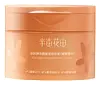
MaskingWater, Potassium Cocoyl Glycinate, Glycerin, Hydrated Silica, Cocamidopropyl Hydroxysultaine, PEG-150 Distearate, Citric Acid, Sodium Lauroyl Glutamate, Sodium Chloride, Niacinamide, PEG-75 Lanolin, Sodium Lauroyl Oat Amino Acids, Phenoxyethanol, Parfum, Cocamidopropyl Dimethylamine, Sodium Citrate, Methylparaben, Jasminum Sambac Flower Water, Urea, Ethylhexylglycerin, Olea Europaea Husk Powder, Argan Oil Polyglyceryl-6 Esters, Sodium Benzoate, Oryza Sativa Bran Oil, Paeonia Suffruticosa Seed Oil, Glycine Soja Seed Extract, Avena Sativa Kernel Oil, Tocopherol, CI 47005, Ascorbic Acid, 3-O-Ethyl Ascorbic Acid, Squalane, Jasminum Sambac Flower Oil, Tartaric Acid, Sodium Bisulfite, Sodium Sulfite, Disodium EDTA, Papain, Butylene Glycol, Carbomer, Caprylyl Glycol, 1,2-Hexanediol, Leontopodium Alpinum Flower/Leaf Extract, Saussurea Involucrata Extract, Algin
Sucrose
Humectant
Glycerin
Humectant
Sorbitol
Humectant
Water
Skin ConditioningPolysorbate 20
Emulsifying
Silica
Abrasive
Parfum
Masking
Citrus Aurantium Bergamia Fruit Oil
Masking
Juniperus Mexicana Oil
Masking
Citrus Aurantium Dulcis Peel Oil
Masking
Butyrospermum Parkii Butter
Skin Conditioning
Cannabis Sativa Seed Oil
Emollient
Persea Gratissima Oil
Skin Conditioning
Citrus Sinensis Peel Oil Expressed
Perfuming
Oenothera Biennis Oil
Emollient
Macadamia Ternifolia Seed Oil
Emollient
Prunus Amygdalus Dulcis Oil
Skin Conditioning
Carthamus Tinctorius Seed Oil
Masking
Cocos Nucifera Oil
Masking
Retinyl Palmitate
Skin Conditioning
Ascorbic Acid
Antioxidant
Sorbic Acid
Preservative
Phenoxyethanol
Preservative
Ethylhexylglycerin
Skin ConditioningCI 19140
Cosmetic ColorantCI 42090
Cosmetic ColorantCI 17200
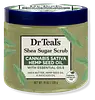
Cosmetic ColorantSucrose, Glycerin, Sorbitol, Water, Polysorbate 20, Silica, Parfum, Citrus Aurantium Bergamia Fruit Oil, Juniperus Mexicana Oil, Citrus Aurantium Dulcis Peel Oil, Butyrospermum Parkii Butter, Cannabis Sativa Seed Oil, Persea Gratissima Oil, Citrus Sinensis Peel Oil Expressed, Oenothera Biennis Oil, Macadamia Ternifolia Seed Oil, Prunus Amygdalus Dulcis Oil, Carthamus Tinctorius Seed Oil, Cocos Nucifera Oil, Retinyl Palmitate, Ascorbic Acid, Sorbic Acid, Phenoxyethanol, Ethylhexylglycerin, CI 19140, CI 42090, CI 17200
Ingredients Explained
These ingredients are found in both products.
Ingredients higher up in an ingredient list are typically present in a larger amount.
Ascorbic Acid is is pure Vitamin C and is the biologically active form used directly by skin.
Not only is vitamin C great for your overall health and immune system, but it also has plenty of benefits for your skin. It is best supported by academic literature for:
Topical vitamin C has been shown to help neutralize oxidative stress from UV and pollution, helping to improve photoaging and hyperpigmentation when used consistently.
One clinical study found that using 5% topical vitamin C for six months improved signs of photodamaged skin, both on the surface and in the deeper structural layers of the skin.
While vitamin C doesn’t replace sunscreen, studies show it can boost photoprotection when combined with Vitamin E and ferulic acid. These two ingredients help improve stability and protective effects.
The big downside of this ingredient is formulation difficulty. Vitamin C is prone to oxidation and doesn't penetrate the skin unless formulated correctly. Research found that vitamin C absorbs into the skin best at a low pH (< 3.5) with about 20% being the upper limit for effective absorption.
Skin levels can saturate after repeated application; this means your skin won’t keep absorbing more once it’s full of vitamin C. This is why more isn’t always better with vitamin C and why very high concentrations don’t necessarily give extra benefits.
Ascorbic acid generally works well with many skincare ingredients but can be irritating when combined with other active ingredients. Strong oxidizing acne treatments like benzoyl peroxide can reduce the effectiveness of vitamin C if they are used at the same time; they are often recommended for use at different times of day.
Read more about other types of Vitamin C:
Foods rich with vitamin C include oranges, strawberries, broccoli, bell peppers, and more. When consuming Vitamin C, your skin receives a portion of the nutrients.
Learn more about Ascorbic AcidEthylhexylglycerin is created from glycerin. It is a multitasker ingredient that:
The CIR Expert Panel found minimal skin absorption or sensitization of any kind in a safety assessment. Though this ingredient is considered well-tolerated, a small number of cases of allergic dermatitis have been published since 2002. Just be sure to patch test if you are unsure.
Industry-reported use ranges from 8% in rinse-off products and 2% in leave-on formulations.
Learn more about EthylhexylglycerinGlycerin (or glycerol) is a compound naturally found in your skin. It's a powerhouse humectant that pulls water into the stratum corneum.
Topically, glycerin does several things at once:
Your skin makes glycerin on its own (mostly from sebaceous oil breakdown) and shuttles it to your outermost layer of skin, or your epidermis, via aquaporin-3.
Aquaporin-3 is a transporter that is essential for normal skin hydration, elasticity, and repair. Interestingly, mice lacking in AQP3 have dry and less elastic skin that can be fully corrected with glycerin.
This ingredient is non-irritating, plays well with almost every ingredient, and works across all skin types. Typical use is anywhere between 3-10% but can go up to 79% in some leave-on products.
Just know very high concentrations (>40%) can feel tacky in low humidity.
Glycerin is the name for this ingredient in American English. British English uses Glycerol/Glycerine.
Learn more about GlycerinParfum is a catch-all term for an ingredient or more that is used to give a scent to products.
Also called "fragrance", this ingredient can be a blend of hundreds of chemicals or plant oils. This means every product with "fragrance" or "parfum" in the ingredients list is a different mixture.
For instance, Habanolide is a proprietary trade name for a specific aroma chemical. When used as a fragrance ingredient in cosmetics, most aroma chemicals fall under the broad labeling category of “FRAGRANCE” or “PARFUM” according to EU and US regulations.
The term 'parfum' or 'fragrance' is not regulated in many countries. In many cases, it is up to the brand to define this term.
For instance, many brands choose to label themselves as "fragrance-free" because they are not using synthetic fragrances. However, their products may still contain ingredients such as essential oils that are considered a fragrance by INCI standards.
One example is Calendula flower extract. Calendula is an essential oil that still imparts a scent or 'fragrance'.
Depending on the blend, the ingredients in the mixture can cause allergies and sensitivities on the skin. Some ingredients that are known EU allergens include linalool and citronellol.
Parfum can also be used to mask or cover an unpleasant scent.
The bottom line is: not all fragrances/parfum/ingredients are created equally. If you are worried about fragrances, we recommend taking a closer look at an ingredient. And of course, we always recommend speaking with a professional.
Learn more about ParfumPhenoxyethanol is one of the most widely used preservatives in skincare (and for good reason!).
It has a large spectrum of antimicrobial activity and especially effective bacteria, yeast, and mold while only having a weak effect on your skin's natural microbiome.
On a cellular level, it disrupts the cell membranes of microbes by poking holes that make the cell leak. This shuts down the chemical reactions the microbe needs to make energy so it can no longer survive.
Another perk of this ingredient is that it stays functional across a wide pH range (3-10).
You'll often see it paired with boosters like Ethylhexylglycerin; one study showed that a 1:9 ratio of Ethylhexylglycerin to Phenoxyethanol damages bacterial membranes as effectively as doubling the Phenoxyethanol concentration on its own.
Typical use concentrations range from 0.3-1% depending on the formula, and this ingredient is capped at 1% int the EU.
Safety-wise, the fear mongering does not hold up to the evidence. The EU's Scientific Committee on Consumer Safety and FDA consider it safe as a preservative at up to 1%, including for children of all ages.
Adverse systemic effects only showed up in animal studies at exposures roughly 200x higher than what people get from cosmetics. And despite its very widespread use, this ingredient is a rare sensitizer and allergic reactions are uncommon.
Learn more about PhenoxyethanolWater. It's the most common cosmetic ingredient of all. You'll usually see it at the top of ingredient lists, meaning that it makes up the largest part of the product.
So why is it so popular? Water most often acts as a solvent - this means that it helps dissolve other ingredients into the formulation.
You'll also recognize water as that liquid we all need to stay alive. If you see this, drink a glass of water. Remember to stay hydrated!
Learn more about Water

