
What's inside
What's inside
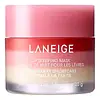 Key Ingredients
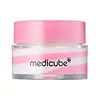
Benefits
Concerns
Ingredients Side-by-side
Diisostearyl Malate
EmollientHydrogenated Polyisobutene
EmollientPhytosteryl/Isostearyl/Cetyl/Stearyl/Behenyl Dimer Dilinoleate
Skin Conditioning
Polybutene
Hydrogenated Poly(C6-14 Olefin)
EmollientCera Microcristallina
Emulsion StabilisingButyrospermum Parkii Butter
Skin Conditioning



Synthetic Wax
Abrasive
Ethylene/Propylene/Styrene Copolymer
Sucrose Tetrastearate Triacetate
Emollient
Magnesium Potassium Fluorosilicate
Abrasive
Euphorbia Cerifera Cera
Astringent
Parfum
Masking



Candelilla Wax Esters
Astrocaryum Murumuru Seed Butter
Emollient
Polyglyceryl-2 Triisostearate
Emulsifying
Glyceryl Caprylate
EmollientBenzyl Benzoate
Antimicrobial

Butylene/Ethylene/Styrene Copolymer
CI 77891
Cosmetic ColorantCopernicia Cerifera Cera
Emollient
Dimethicone
Emollient

CI 15850
Cosmetic ColorantLimonene
Perfuming
Cocos Nucifera Oil
Masking

Pentaerythrityl Tetra-Di-T-Butyl Hydroxyhydrocinnamate
Antioxidant
CI 15985
Cosmetic ColorantAscorbic Acid
Antioxidant




CI 19140
Cosmetic ColorantTocopherol
Antioxidant

Water
Skin ConditioningGlycerin
Humectant
Propanediol
Solvent
BHT
Antioxidant
Punica Granatum Fruit Juice
MaskingRubus Idaeus Juice
AstringentVitis Vinifera Juice
Antioxidant
Diisostearyl Malate, Hydrogenated Polyisobutene, Phytosteryl/Isostearyl/Cetyl/Stearyl/Behenyl Dimer Dilinoleate, Polybutene, Hydrogenated Poly(C6-14 Olefin), Cera Microcristallina, Butyrospermum Parkii Butter, Synthetic Wax, Ethylene/Propylene/Styrene Copolymer, Sucrose Tetrastearate Triacetate, Magnesium Potassium Fluorosilicate, Euphorbia Cerifera Cera, Parfum, Candelilla Wax Esters, Astrocaryum Murumuru Seed Butter, Polyglyceryl-2 Triisostearate, Glyceryl Caprylate, Benzyl Benzoate, Butylene/Ethylene/Styrene Copolymer, CI 77891, Copernicia Cerifera Cera, Dimethicone, CI 15850, Limonene, Cocos Nucifera Oil, Pentaerythrityl Tetra-Di-T-Butyl Hydroxyhydrocinnamate, CI 15985, Ascorbic Acid, CI 19140, Tocopherol, Water, Glycerin, Propanediol, BHT, Punica Granatum Fruit Juice, Rubus Idaeus Juice, Vitis Vinifera Juice
Diisostearyl Malate
EmollientPhytosteryl/Isostearyl/Cetyl/Stearyl/Behenyl Dimer Dilinoleate
Skin Conditioning
Polyisobutene
Butyrospermum Parkii Butter
Skin Conditioning
Hydrogenated Polydecene
EmollientMicrocrystalline Wax
Emulsion StabilisingDipropylene Glycol
HumectantGlycerin
Humectant
Water
Skin ConditioningHydrogenated Lecithin
Emulsifying
Polyglyceryl-10 Oleate
Skin Conditioning
Adenosine
Skin Conditioning
Ceresin
Emulsion StabilisingTitanium Dioxide
Cosmetic Colorant

Caprylic/Capric Triglyceride
Masking
Polyhydroxystearic Acid
Emulsifying
Alumina
Abrasive
Stearic Acid
Cleansing
Bisabolol
Antioxidant
Silica Dimethyl Silylate
EmollientLauryl Polyglyceryl-3 Polydimethylsiloxyethyl Dimethicone
Skin Conditioning
Aluminum Hydroxide
EmollientCI 73360
Cosmetic ColorantCI 77742
Cosmetic ColorantBlue 1 Lake
Cosmetic ColorantCamellia Japonica Seed Oil
Emollient
Sodium Dna
Skin Conditioning
Tocopherol
Antioxidant
Butylene Glycol
Humectant
1,2-Hexanediol
Skin Conditioning
Hydrolyzed Collagen
Emollient
Akebia Quinata Extract
Skin ConditioningCaprylyl/Capryl Glucoside
CleansingCamellia Japonica Flower Extract
EmollientPolyglyceryl-10 Laurate
Skin Conditioning
Propanediol
Solvent
Acetyl Hexapeptide-8
Humectant
Acetyl Tetrapeptide-5
Humectant
Carnosine
Skin Conditioning
Palmitoyl Tetrapeptide-7
Skin Conditioning
Palmitoyl Tripeptide-5
Skin Conditioning
Yeast Beta-Glucan
Skin ConditioningDiisostearyl Malate, Phytosteryl/Isostearyl/Cetyl/Stearyl/Behenyl Dimer Dilinoleate, Polyisobutene, Butyrospermum Parkii Butter, Hydrogenated Polydecene, Microcrystalline Wax, Dipropylene Glycol, Glycerin, Water, Hydrogenated Lecithin, Polyglyceryl-10 Oleate, Adenosine, Ceresin, Titanium Dioxide, Caprylic/Capric Triglyceride, Polyhydroxystearic Acid, Alumina, Stearic Acid, Bisabolol, Silica Dimethyl Silylate, Lauryl Polyglyceryl-3 Polydimethylsiloxyethyl Dimethicone, Aluminum Hydroxide, CI 73360, CI 77742, Blue 1 Lake, Camellia Japonica Seed Oil, Sodium Dna, Tocopherol, Butylene Glycol, 1,2-Hexanediol, Hydrolyzed Collagen, Akebia Quinata Extract, Caprylyl/Capryl Glucoside, Camellia Japonica Flower Extract, Polyglyceryl-10 Laurate, Propanediol, Acetyl Hexapeptide-8, Acetyl Tetrapeptide-5, Carnosine, Palmitoyl Tetrapeptide-7, Palmitoyl Tripeptide-5, Yeast Beta-Glucan
Reviews
Ingredients Explained
These ingredients are found in both products.
Ingredients higher up in an ingredient list are typically present in a larger amount.
This ingredient is also known as shea butter. It is a plant-derived extract from the nuts of the Africa shea tree and one of the most well-studied emollients.
Because it has a high concentration of fatty acids (primarily oleic, stearic, and linoleic) it is able to form a protective barrier on the skin's surface. This helps seal in moisture and prevents transepidermal water loss (TEWL).
In vitro research found an increase in skin hydration by 58% and a decrease in TEWL by 37.8% after 24 hours of applying this ingredient (pretty impressive for a single ingredient!).
Besides hydration, shea butter also contains triterpenes that have anti-inflammatory potential. In particule, lupeol cinnamate has shown the highest anti-inflammatory activity in vivo.
Shea butter also contains vitamins A and E which may contribute to antioxidant activity.
While Shea Butter has an SPF rating of about 3-4, it is not a sunscreen replacement.
This ingredient may not be fungal acne safe because its fatty acids fall within the C11-C24 range that the Malassezia yeast can metabolize.
Learn more about Butyrospermum Parkii ButterDiisostearyl Malate is an emollient and most often used in lip products. It comes from isostearyl alcohol, a fatty acid, and malic acid, an AHA.
As an emollient, Diisostearyl Malate helps create a thin film on your skin to trap moisture in. This helps keep your skin soft and smooth.
Glycerin (or glycerol) is a compound naturally found in your skin. It's a powerhouse humectant that pulls water into the stratum corneum.
Topically, glycerin does several things at once:
Your skin makes glycerin on its own (mostly from sebaceous oil breakdown) and shuttles it to your outermost layer of skin, or your epidermis, via aquaporin-3.
Aquaporin-3 is a transporter that is essential for normal skin hydration, elasticity, and repair. Interestingly, mice lacking in AQP3 have dry and less elastic skin that can be fully corrected with glycerin.
This ingredient is non-irritating, plays well with almost every ingredient, and works across all skin types. Typical use is anywhere between 3-10% but can go up to 79% in some leave-on products.
Just know very high concentrations (>40%) can feel tacky in low humidity.
Glycerin is the name for this ingredient in American English. British English uses Glycerol/Glycerine.
Learn more about GlycerinPhytosteryl/Isostearyl/Cetyl/Stearyl/Behenyl Dimer Dilinoleate is an emollient ester.
As an emollient, it softens and hydrates your skin by locking moisture in. Its large, branched structure gives it a thick, cushiony feel without being greasy. This is why it shows up most often in lip balms, lipsticks, and other stick or balm formulas, where it adds gloss and helps hold waxes and pigments together.
The phytosterol portion is a nice extra. Phytosterols are plant-based lipids that are structurally similar to ones found naturally in skin, so they can help support the skin barrier.
Because this ingredient contains C16, C18, and C22 fatty chains, it may not be Malassezia/fungal acne safe. The Malassezia yeast potentially feeds on fatty acids in the C11-C24 range. If you're prone to flare-ups, you might want to patch-test or skip this one.
Learn more about Phytosteryl/Isostearyl/Cetyl/Stearyl/Behenyl Dimer DilinoleatePropanediol is an all-star ingredient. It softens, hydrates, and smooths the skin.
It’s often used to:
Propanediol is not likely to cause sensitivity and considered safe to use. It is derived from corn or petroleum with a clear color and no scent.
Learn more about PropanediolTocopherol is a fat-soluble antioxidant known as Vitamin E.
You'll find this ingredient in the vast majority of skincare (for good reason). It works to neutralize free radicals, or unstable molecules generated by UV exposure, pollution, and other environmental stressors, before they can cause oxidative damage to your skin cells.
Topically applied tocopherol has been shown to protect against UV damage by ramping up the skin's own natural defense enzymes.
It also acts as a skin conditioning agent; some studies show that regular topical use can improve the skin's water-binding capacity over 2-4 weeks.
This ingredient is especially loved for being a team player. When combined with Vitamin C, the photoprotective effect of both ingredients roughly doubles and the combo also helps reduce UV-induced DNA damage.
This ingredient has some brightening potential but it's more of a prevention ingredient than spot-fader. Cell studies show it can slow down melanin production but it's worth noting that it's not the most powerful brightener out there.
In formulations, it also serves as a stabilizer that helps protect other oxidation-prone ingredients from degrading.
Concentrations usually range from 0.1-1% in most leave-on products.
Learn more about TocopherolWater. It's the most common cosmetic ingredient of all. You'll usually see it at the top of ingredient lists, meaning that it makes up the largest part of the product.
So why is it so popular? Water most often acts as a solvent - this means that it helps dissolve other ingredients into the formulation.
You'll also recognize water as that liquid we all need to stay alive. If you see this, drink a glass of water. Remember to stay hydrated!
Learn more about Water
