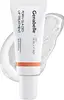
This anti-aging lip moisturizer is formulated around Sodium DNA and Tocopherol to soften the look of wrinkles and hydrate lips.
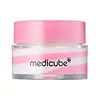
This hydrating lip mask is formulated around Butyrospermum Parkii Butter and Adenosine to hydrate lips and soften the look of wrinkles.

What's inside
What's inside
 Key Ingredients
Benefits
Concerns
Ingredients Side-by-side
Polyisobutene
Tridecyl Trimellitate
EmollientHydrogenated Polyisobutene
EmollientOctyldodecanol
Emollient
Water
Skin ConditioningDextrin Palmitate
Emulsifying

Silica Dimethyl Silylate
Emollient1,2-Hexanediol
Skin Conditioning
Tocopherol
Antioxidant






Ethylene/Propylene/Styrene Copolymer
Helianthus Annuus Seed Oil
Emollient
Caprylyl Glycol
Emollient
Dimethicone
Emollient

Pentaerythrityl Tetra-Di-T-Butyl Hydroxyhydrocinnamate
Antioxidant
Ethylhexylglycerin
Skin ConditioningSodium DNA
Skin Conditioning
Butylene Glycol
Humectant
Butylene/Ethylene/Styrene Copolymer
Propanediol
Solvent
Saccharide Isomerate
Humectant
Brassica Oleracea Italica Extract
AstringentHyaluronic Acid
Humectant
Hydrolyzed Sodium DNA
Skin ConditioningTripeptide-1
Skin Conditioning
Glycerin
Humectant
Myrothamnus Flabellifolia Leaf/Stem Extract
HumectantSodium Hyaluronate Crosspolymer
Humectant
Pantothenic Acid
Skin ConditioningCitric Acid
Buffering
Sodium Citrate
BufferingAscorbic Acid
Antioxidant

Polyglutamic Acid
Skin Conditioning
Xylose
HumectantAcetyl Hexapeptide-8
Humectant
Polyisobutene, Tridecyl Trimellitate, Hydrogenated Polyisobutene, Octyldodecanol, Water, Dextrin Palmitate, Silica Dimethyl Silylate, 1,2-Hexanediol, Tocopherol, Ethylene/Propylene/Styrene Copolymer, Helianthus Annuus Seed Oil, Caprylyl Glycol, Dimethicone, Pentaerythrityl Tetra-Di-T-Butyl Hydroxyhydrocinnamate, Ethylhexylglycerin, Sodium DNA, Butylene Glycol, Butylene/Ethylene/Styrene Copolymer, Propanediol, Saccharide Isomerate, Brassica Oleracea Italica Extract, Hyaluronic Acid, Hydrolyzed Sodium DNA, Tripeptide-1, Glycerin, Myrothamnus Flabellifolia Leaf/Stem Extract, Sodium Hyaluronate Crosspolymer, Pantothenic Acid, Citric Acid, Sodium Citrate, Ascorbic Acid, Polyglutamic Acid, Xylose, Acetyl Hexapeptide-8
Diisostearyl Malate
EmollientPhytosteryl/Isostearyl/Cetyl/Stearyl/Behenyl Dimer Dilinoleate
Skin Conditioning
Polyisobutene
Butyrospermum Parkii Butter
Skin Conditioning


Hydrogenated Polydecene
EmollientMicrocrystalline Wax
Emulsion StabilisingDipropylene Glycol
HumectantGlycerin
Humectant
Water
Skin ConditioningHydrogenated Lecithin
Emulsifying
Polyglyceryl-10 Oleate
Skin Conditioning
Adenosine
Skin Conditioning
Ceresin
Emulsion StabilisingTitanium Dioxide
Cosmetic Colorant

Caprylic/Capric Triglyceride
Masking
Polyhydroxystearic Acid
Emulsifying
Alumina
Abrasive
Stearic Acid
Cleansing
Bisabolol
Antioxidant
Silica Dimethyl Silylate
EmollientLauryl Polyglyceryl-3 Polydimethylsiloxyethyl Dimethicone
Skin Conditioning
Aluminum Hydroxide
EmollientCI 73360
Cosmetic ColorantCI 77742
Cosmetic ColorantBlue 1 Lake
Cosmetic ColorantCamellia Japonica Seed Oil
Emollient
Sodium DNA
Skin Conditioning
Tocopherol
Antioxidant
Butylene Glycol
Humectant
1,2-Hexanediol
Skin Conditioning
Hydrolyzed Collagen
Emollient
Akebia Quinata Extract
Skin ConditioningCaprylyl/Capryl Glucoside
CleansingCamellia Japonica Flower Extract
EmollientPolyglyceryl-10 Laurate
Skin Conditioning
Propanediol
Solvent
Acetyl Hexapeptide-8
Humectant
Acetyl Tetrapeptide-5
Humectant
Carnosine
Skin Conditioning
Palmitoyl Tetrapeptide-7
Skin Conditioning
Palmitoyl Tripeptide-5
Skin Conditioning
Yeast Beta-Glucan
Skin ConditioningDiisostearyl Malate, Phytosteryl/Isostearyl/Cetyl/Stearyl/Behenyl Dimer Dilinoleate, Polyisobutene, Butyrospermum Parkii Butter, Hydrogenated Polydecene, Microcrystalline Wax, Dipropylene Glycol, Glycerin, Water, Hydrogenated Lecithin, Polyglyceryl-10 Oleate, Adenosine, Ceresin, Titanium Dioxide, Caprylic/Capric Triglyceride, Polyhydroxystearic Acid, Alumina, Stearic Acid, Bisabolol, Silica Dimethyl Silylate, Lauryl Polyglyceryl-3 Polydimethylsiloxyethyl Dimethicone, Aluminum Hydroxide, CI 73360, CI 77742, Blue 1 Lake, Camellia Japonica Seed Oil, Sodium DNA, Tocopherol, Butylene Glycol, 1,2-Hexanediol, Hydrolyzed Collagen, Akebia Quinata Extract, Caprylyl/Capryl Glucoside, Camellia Japonica Flower Extract, Polyglyceryl-10 Laurate, Propanediol, Acetyl Hexapeptide-8, Acetyl Tetrapeptide-5, Carnosine, Palmitoyl Tetrapeptide-7, Palmitoyl Tripeptide-5, Yeast Beta-Glucan
Reviews
Ingredients Explained
These ingredients are found in both products.
Ingredients higher up in an ingredient list are typically present in a larger amount.
1,2-Hexanediol is a synthetic liquid and another multi-functional powerhouse.
It is a:
- Humectant, drawing moisture into the skin
- Emollient, helping to soften skin
- Solvent, dispersing and stabilizing formulas
- Preservative booster, enhancing the antimicrobial activity of other preservatives
Acetyl Hexapeptide-8 (also known as Argireline) is a synthetic hexapeptide that is often called a "topical Botox alternative".
It works by mimicking how Botox relaxes muscles; it interferes with the signaling process that tells your facial muscles to contract. This can help soften expression lines like forehead wrinkles or crow's feet over time.
The comparison to Botox does have limits because the molecule is water-loving and relatively large.
Acetyl Hexapeptide-8 has a hard time absorbing deeply enough through the skin's outer barrier to actually reach the muscles.
So whether it truly works the way Botox does at a biological level is still up for debate, but early clinical outcomes are fairly encouraging.
A 12 week human study of a multi-ingredient regimen containing this ingredient saw:
While some studies have observed improvements in wrinkle appearance, it is important to note that more consistent results are seen in multi-ingredient formulations (vs just Acetyl Hexapeptide-8 alone).
Some research studies also used higher concentrations (up to 10%) while this ingredient is usually found in concentrations up to 0.005% in leave-on formulations.
Learn more about Acetyl Hexapeptide-8Butylene Glycol (or BG) is used within cosmetic products for a few different reasons:
Overall, Butylene Glycol is a safe and well-rounded ingredient that works well with other ingredients.
Though this ingredient works well with most skin types, some people with sensitive skin may experience a reaction such as allergic rashes, closed comedones, or itchiness.
Learn more about Butylene GlycolGlycerin (or glycerol) is a compound naturally found in your skin. It's a powerhouse humectant that pulls water into the stratum corneum.
Topically, glycerin does several things at once:
Your skin makes glycerin on its own (mostly from sebaceous oil breakdown) and shuttles it to your outermost layer of skin, or your epidermis, via aquaporin-3.
Aquaporin-3 is a transporter that is essential for normal skin hydration, elasticity, and repair. Interestingly, mice lacking in AQP3 have dry and less elastic skin that can be fully corrected with glycerin.
This ingredient is non-irritating, plays well with almost every ingredient, and works across all skin types. Typical use is anywhere between 3-10% but can go up to 79% in some leave-on products.
Just know very high concentrations (>40%) can feel tacky in low humidity.
Glycerin is the name for this ingredient in American English. British English uses Glycerol/Glycerine.
Learn more about GlycerinPolyisobutene is a synthetic polymer made from isobutene.
It is a film-forming agent and helps bind ingredients together.
Polyisobutene is not absorbed by the skin.
Learn more about PolyisobutenePropanediol is an all-star ingredient. It softens, hydrates, and smooths the skin.
It’s often used to:
Propanediol is not likely to cause sensitivity and considered safe to use. It is derived from corn or petroleum with a clear color and no scent.
Learn more about PropanediolThis silica is mainly used to thicken oils and suspend particles in oils. It is not water soluble.
According to the manufacturer, it:
The manufacturer also claims this ingredient to be useful in makeup.
In lipstick formulations, this ingredient improves color payoff, reduces pigment settling, and reduces oil bleeding. This ingredient also improves the grip of powder products such as dry shampoos.
Learn more about Silica Dimethyl SilylateSodium DNA is an emerging anti-aging ingredient.
It is created by taking deoxyribonucleic acid (DNA) and purifying it with sodium hydroxide.
The DNA is extracted from several different animal sources, including: calf thymus, the gonadic tissue of a male sturgeon, or herring / salmon sperm.
You have probably seen this ingredient in anti-aging skincare. But what is it?
DNA is composed of nucleotides, or chemical building blocks. Nucleotides include adenine (A), thymine (T), guanine (G), and cytosine (C). Talk about a flashback to biology! Nucleosides are formed from these nucleotides.
The science behind Sodium DNA is based on an ingredient called Polydeoxyribonucleotide or PDRN.
PDRN are DNA fragments mainly extracted from the sperm cells of trout or salmon. Meaning, PDRN can be derived from Sodium DNA.
PDRN consists of chains of nucleotides and nucleosides mentioned above. They can range anywhere from 80 - 2000 pairs.
Studies show PDRN has the following properties:
Most of the research on PDRN has been done using injectable forms. That’s important, because PDRN is a large molecule and doesn’t absorb well through the skin. So if you’re applying it topically, the effects are likely to be much milder.
Still, topical Sodium DNA is emerging as a trendy anti-aging ingredient. It’s generally well-tolerated and offers good biocompatibility with human skin, making it a low-risk addition to most routines.
Further studies are needed to truly confirm this ingredients anti-aging ability (Remember, retinol has decades of research!).
Sodium DNA may be sourced from fish, animal tissue, or plants. Since this isn’t always disclosed, we recommend asking the brand directly if the ingredient’s origin is important to you.
Learn more about Sodium DNATocopherol is a fat-soluble antioxidant known as Vitamin E.
You'll find this ingredient in the vast majority of skincare (for good reason). It works to neutralize free radicals, or unstable molecules generated by UV exposure, pollution, and other environmental stressors, before they can cause oxidative damage to your skin cells.
Topically applied tocopherol has been shown to protect against UV damage by ramping up the skin's own natural defense enzymes.
It also acts as a skin conditioning agent; some studies show that regular topical use can improve the skin's water-binding capacity over 2-4 weeks.
This ingredient is especially loved for being a team player. When combined with Vitamin C, the photoprotective effect of both ingredients roughly doubles and the combo also helps reduce UV-induced DNA damage.
This ingredient has some brightening potential but it's more of a prevention ingredient than spot-fader. Cell studies show it can slow down melanin production but it's worth noting that it's not the most powerful brightener out there.
In formulations, it also serves as a stabilizer that helps protect other oxidation-prone ingredients from degrading.
Concentrations usually range from 0.1-1% in most leave-on products.
Learn more about TocopherolWater. It's the most common cosmetic ingredient of all. You'll usually see it at the top of ingredient lists, meaning that it makes up the largest part of the product.
So why is it so popular? Water most often acts as a solvent - this means that it helps dissolve other ingredients into the formulation.
You'll also recognize water as that liquid we all need to stay alive. If you see this, drink a glass of water. Remember to stay hydrated!
Learn more about Water

