
What's inside
What's inside
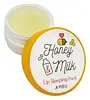 Key Ingredients
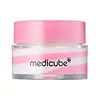
Benefits
Concerns
Ingredients Side-by-side
Petrolatum
Emollient


Paraffinum Liquidum
Emollient
Polybutene
Microcrystalline Wax
Emulsion StabilisingSilica Silylate
Emollient
Paraffin
Skin ConditioningHoney Extract
Humectant
Milk Protein Extract
Glycerin
Humectant

Polyethylene
Abrasive

Vp/Hexadecene Copolymer
Methyl Hydrogenated Rosinate
Perfuming
Tocopheryl Acetate
Antioxidant


Diisostearyl Malate
EmollientPolyglyceryl-2 Triisostearate
Emulsifying
Water
Skin ConditioningPropylene Glycol
Humectant
Dehydroacetic Acid
Preservative
Phenoxyethanol
Preservative
Parfum
Masking
CI 77891
Cosmetic ColorantCI 19140
Cosmetic ColorantPetrolatum, Paraffinum Liquidum, Polybutene, Microcrystalline Wax, Silica Silylate, Paraffin, Honey Extract, Milk Protein Extract, Glycerin, Polyethylene, Vp/Hexadecene Copolymer, Methyl Hydrogenated Rosinate, Tocopheryl Acetate, Diisostearyl Malate, Polyglyceryl-2 Triisostearate, Water, Propylene Glycol, Dehydroacetic Acid, Phenoxyethanol, Parfum, CI 77891, CI 19140
Diisostearyl Malate
EmollientPhytosteryl/Isostearyl/Cetyl/Stearyl/Behenyl Dimer Dilinoleate
Skin Conditioning
Polyisobutene
Butyrospermum Parkii Butter
Skin Conditioning
Hydrogenated Polydecene
EmollientMicrocrystalline Wax
Emulsion StabilisingDipropylene Glycol
HumectantGlycerin
Humectant
Water
Skin ConditioningHydrogenated Lecithin
Emulsifying
Polyglyceryl-10 Oleate
Skin Conditioning
Adenosine
Skin Conditioning

Ceresin
Emulsion StabilisingTitanium Dioxide
Cosmetic Colorant

Caprylic/Capric Triglyceride
Masking
Polyhydroxystearic Acid
Emulsifying
Alumina
Abrasive
Stearic Acid
Cleansing
Bisabolol
Antioxidant
Silica Dimethyl Silylate
EmollientLauryl Polyglyceryl-3 Polydimethylsiloxyethyl Dimethicone
Skin Conditioning
Aluminum Hydroxide
EmollientCI 73360
Cosmetic ColorantCI 77742
Cosmetic ColorantBlue 1 Lake
Cosmetic ColorantCamellia Japonica Seed Oil
Emollient
Sodium Dna
Skin Conditioning
Tocopherol
Antioxidant
Butylene Glycol
Humectant
1,2-Hexanediol
Skin Conditioning
Hydrolyzed Collagen
Emollient
Akebia Quinata Extract
Skin ConditioningCaprylyl/Capryl Glucoside
CleansingCamellia Japonica Flower Extract
EmollientPolyglyceryl-10 Laurate
Skin Conditioning
Propanediol
Solvent
Acetyl Hexapeptide-8
Humectant
Acetyl Tetrapeptide-5
Humectant
Carnosine
Skin Conditioning
Palmitoyl Tetrapeptide-7
Skin Conditioning
Palmitoyl Tripeptide-5
Skin Conditioning
Yeast Beta-Glucan
Skin ConditioningDiisostearyl Malate, Phytosteryl/Isostearyl/Cetyl/Stearyl/Behenyl Dimer Dilinoleate, Polyisobutene, Butyrospermum Parkii Butter, Hydrogenated Polydecene, Microcrystalline Wax, Dipropylene Glycol, Glycerin, Water, Hydrogenated Lecithin, Polyglyceryl-10 Oleate, Adenosine, Ceresin, Titanium Dioxide, Caprylic/Capric Triglyceride, Polyhydroxystearic Acid, Alumina, Stearic Acid, Bisabolol, Silica Dimethyl Silylate, Lauryl Polyglyceryl-3 Polydimethylsiloxyethyl Dimethicone, Aluminum Hydroxide, CI 73360, CI 77742, Blue 1 Lake, Camellia Japonica Seed Oil, Sodium Dna, Tocopherol, Butylene Glycol, 1,2-Hexanediol, Hydrolyzed Collagen, Akebia Quinata Extract, Caprylyl/Capryl Glucoside, Camellia Japonica Flower Extract, Polyglyceryl-10 Laurate, Propanediol, Acetyl Hexapeptide-8, Acetyl Tetrapeptide-5, Carnosine, Palmitoyl Tetrapeptide-7, Palmitoyl Tripeptide-5, Yeast Beta-Glucan
Reviews
Ingredients Explained
These ingredients are found in both products.
Ingredients higher up in an ingredient list are typically present in a larger amount.
Diisostearyl Malate is an emollient and most often used in lip products. It comes from isostearyl alcohol, a fatty acid, and malic acid, an AHA.
As an emollient, Diisostearyl Malate helps create a thin film on your skin to trap moisture in. This helps keep your skin soft and smooth.
Glycerin (or glycerol) is a compound naturally found in your skin. It's a powerhouse humectant that pulls water into the stratum corneum.
Topically, glycerin does several things at once:
Your skin makes glycerin on its own (mostly from sebaceous oil breakdown) and shuttles it to your outermost layer of skin, or your epidermis, via aquaporin-3.
Aquaporin-3 is a transporter that is essential for normal skin hydration, elasticity, and repair. Interestingly, mice lacking in AQP3 have dry and less elastic skin that can be fully corrected with glycerin.
This ingredient is non-irritating, plays well with almost every ingredient, and works across all skin types. Typical use is anywhere between 3-10% but can go up to 79% in some leave-on products.
Just know very high concentrations (>40%) can feel tacky in low humidity.
Glycerin is the name for this ingredient in American English. British English uses Glycerol/Glycerine.
Learn more about GlycerinMicrocrystalline Wax is derived from petroleum through a de-oiling process, then highly refined and purified before use in cosmetics.
In skincare formulations, it is used to improve texture and create a smooth, even consistency. It also helps stabilize products by preventing ingredients from separating.
Water. It's the most common cosmetic ingredient of all. You'll usually see it at the top of ingredient lists, meaning that it makes up the largest part of the product.
So why is it so popular? Water most often acts as a solvent - this means that it helps dissolve other ingredients into the formulation.
You'll also recognize water as that liquid we all need to stay alive. If you see this, drink a glass of water. Remember to stay hydrated!
Learn more about Water
