

What's inside
What's inside
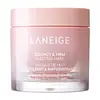 Key Ingredients
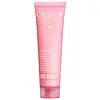
Benefits
Concerns
Ingredients Side-by-side
Water
Skin ConditioningButylene Glycol
Humectant
Glycerin
Humectant


Dimethicone
Emollient
1,2-Hexanediol
Skin Conditioning
Squalane
Emollient
Diisostearyl Malate
EmollientC12-16 Alcohols
EmollientAmmonium Acryloyldimethyltaurate/Beheneth-25 Methacrylate Crosspolymer
Emulsion StabilisingCetearyl Alcohol
Emollient



Palmitic Acid
Emollient
Hydrogenated Lecithin
Emulsifying
Dimethicone/Vinyl Dimethicone Crosspolymer
Skin Conditioning
Sodium Polyacrylate Starch
AbsorbentStearic Acid
Cleansing
Hydroxypropyl Bispalmitamide Mea
Emollient
Mannitol
Humectant
Lactobacillus Ferment Lysate
Skin Conditioning
Propanediol
Solvent
Ammonium Acryloyldimethyltaurate/Vp Copolymer
Cetearyl Glucoside
EmulsifyingXanthan Gum
EmulsifyingGlyceryl Caprylate
EmollientDisodium EDTA
Ethylhexylglycerin
Skin ConditioningAllantoin
Skin Conditioning

Adenosine
Skin Conditioning

Parfum
Masking


Acrylates/Ammonium Methacrylate Copolymer
Caprylyl Glycol
Emollient
Carbomer
Emulsion StabilisingCholesterol
Emollient
Linalool
Perfuming

Silica
Abrasive
Malachite Extract
Antioxidant
Citronellol
Perfuming
Geraniol
Perfuming
Hydroxycitronellal
Perfuming
Carthamus Tinctorius Flower Extract
Skin ConditioningDextrin
AbsorbentBenzyl Salicylate
Perfuming
Cyanocobalamin
Skin ConditioningHydrolyzed Collagen
Emollient
Sodium Hyaluronate
Humectant
Paeonia Albiflora Root Extract
Skin ConditioningTocopherol
Antioxidant
Hydrolyzed Hyaluronic Acid
Humectant
Acetyl Tetrapeptide-2
Skin Conditioning
Sodium Hyaluronate Crosspolymer
Humectant
Hyaluronic Acid
Humectant
Paeonia Albiflora Flower Extract
TonicSodium Acetylated Hyaluronate
Humectant
Water, Butylene Glycol, Glycerin, Dimethicone, 1,2-Hexanediol, Squalane, Diisostearyl Malate, C12-16 Alcohols, Ammonium Acryloyldimethyltaurate/Beheneth-25 Methacrylate Crosspolymer, Cetearyl Alcohol, Palmitic Acid, Hydrogenated Lecithin, Dimethicone/Vinyl Dimethicone Crosspolymer, Sodium Polyacrylate Starch, Stearic Acid, Hydroxypropyl Bispalmitamide Mea, Mannitol, Lactobacillus Ferment Lysate, Propanediol, Ammonium Acryloyldimethyltaurate/Vp Copolymer, Cetearyl Glucoside, Xanthan Gum, Glyceryl Caprylate, Disodium EDTA, Ethylhexylglycerin, Allantoin, Adenosine, Parfum, Acrylates/Ammonium Methacrylate Copolymer, Caprylyl Glycol, Carbomer, Cholesterol, Linalool, Silica, Malachite Extract, Citronellol, Geraniol, Hydroxycitronellal, Carthamus Tinctorius Flower Extract, Dextrin, Benzyl Salicylate, Cyanocobalamin, Hydrolyzed Collagen, Sodium Hyaluronate, Paeonia Albiflora Root Extract, Tocopherol, Hydrolyzed Hyaluronic Acid, Acetyl Tetrapeptide-2, Sodium Hyaluronate Crosspolymer, Hyaluronic Acid, Paeonia Albiflora Flower Extract, Sodium Acetylated Hyaluronate
Water
Skin ConditioningGlycerin
Humectant
Vitis Vinifera Fruit Water
Skin ConditioningIsostearyl Isostearate
Emollient
Octyldodecyl Myristate
EmollientSqualane
Emollient
Microcrystalline Cellulose
AbsorbentCaprylic/Capric Triglyceride
Masking
Benzyl Alcohol
Perfuming


Xanthan Gum
EmulsifyingCarbomer
Emulsion StabilisingCellulose Gum
Emulsion StabilisingCaprylyl Glycol
Emollient
Vitis Vinifera Juice
Antioxidant
Sodium Hyaluronate
Humectant
Sodium Hydroxide
BufferingAloe Barbadensis Leaf Juice Powder
Skin Conditioning
Helianthus Annuus Seed Oil
Emollient
Sodium Phytate
Tocopherol
Antioxidant
Citric Acid
Buffering


Dehydroacetic Acid
Preservative
Sodium Carboxymethyl Beta-Glucan
CleansingSodium Benzoate
Masking
Potassium Sorbate
Preservative
Parfum
Masking
Water, Glycerin, Vitis Vinifera Fruit Water, Isostearyl Isostearate, Octyldodecyl Myristate, Squalane, Microcrystalline Cellulose, Caprylic/Capric Triglyceride, Benzyl Alcohol, Xanthan Gum, Carbomer, Cellulose Gum, Caprylyl Glycol, Vitis Vinifera Juice, Sodium Hyaluronate, Sodium Hydroxide, Aloe Barbadensis Leaf Juice Powder, Helianthus Annuus Seed Oil, Sodium Phytate, Tocopherol, Citric Acid, Dehydroacetic Acid, Sodium Carboxymethyl Beta-Glucan, Sodium Benzoate, Potassium Sorbate, Parfum
Reviews
Ingredients Explained
These ingredients are found in both products.
Ingredients higher up in an ingredient list are typically present in a larger amount.
Caprylyl Glycol is a humectant and emollient, meaning it attracts and preserves moisture.
It is a common ingredient in many products, especially those designed to hydrate skin. The primary benefits are retaining moisture, skin softening, and promoting a healthy skin barrier.
Though Caprylyl Glycol is an alcohol derived from fatty acids, it is not the kind that can dry out skin.
This ingredient is also used as a preservative to extend the life of products. It has slight antimicrobial properties.
Learn more about Caprylyl GlycolCarbomer is a polymer of acrylic acid. Its main role is to create a gel consistency.
A high amount of carbomer can cause pilling or balling up of products. Don't worry, most products contain 1% or less of carbomer.
Glycerin is already naturally found in your skin. It helps moisturize and protect your skin.
A study from 2016 found glycerin to be more effective as a humectant than AHAs and hyaluronic acid.
As a humectant, it helps the skin stay hydrated by pulling moisture to your skin. The low molecular weight of glycerin allows it to pull moisture into the deeper layers of your skin.
Hydrated skin improves your skin barrier; Your skin barrier helps protect against irritants and bacteria.
Glycerin has also been found to have antimicrobial and antiviral properties. Due to these properties, glycerin is often used in wound and burn treatments.
In cosmetics, glycerin is usually derived from plants such as soybean or palm. However, it can also be sourced from animals, such as tallow or animal fat.
This ingredient is organic, colorless, odorless, and non-toxic.
Glycerin is the name for this ingredient in American English. British English uses Glycerol/Glycerine.
Learn more about GlycerinParfum is a catch-all term for an ingredient or more that is used to give a scent to products.
Also called "fragrance", this ingredient can be a blend of hundreds of chemicals or plant oils. This means every product with "fragrance" or "parfum" in the ingredients list is a different mixture.
For instance, Habanolide is a proprietary trade name for a specific aroma chemical. When used as a fragrance ingredient in cosmetics, most aroma chemicals fall under the broad labeling category of “FRAGRANCE” or “PARFUM” according to EU and US regulations.
The term 'parfum' or 'fragrance' is not regulated in many countries. In many cases, it is up to the brand to define this term.
For instance, many brands choose to label themselves as "fragrance-free" because they are not using synthetic fragrances. However, their products may still contain ingredients such as essential oils that are considered a fragrance by INCI standards.
One example is Calendula flower extract. Calendula is an essential oil that still imparts a scent or 'fragrance'.
Depending on the blend, the ingredients in the mixture can cause allergies and sensitivities on the skin. Some ingredients that are known EU allergens include linalool and citronellol.
Parfum can also be used to mask or cover an unpleasant scent.
The bottom line is: not all fragrances/parfum/ingredients are created equally. If you are worried about fragrances, we recommend taking a closer look at an ingredient. And of course, we always recommend speaking with a professional.
Learn more about ParfumSodium Hyaluronate is hyaluronic acid's salt form. It is commonly derived from the sodium salt of hyaluronic acid.
Like hyaluronic acid, it is great at holding water and acts as a humectant. This makes it a great skin hydrating ingredient.
Sodium Hyaluronate is naturally occurring in our bodies and is mostly found in eye fluid and joints.
These are some other common types of Hyaluronic Acid:
Learn more about Sodium HyaluronateSqualane is an emollient that helps the skin hold onto moisture. It's an oily liquid that occurs naturally in certain types of fish and plant oils.
Because squalane boosts hydration in the skin, it also comes with plenty of benefits: it is an antioxidant and can help fight free radicals and skin damage. Squalane is also found to have a detoxifying effect when applied.
Squalane comes from squalene, which occurs naturally within the sebum of our skin. It is one of the oils our skin produces to keep itself hydrated. Squalane is the hydrogenated version of squalene and has a longer shelf life.
Research shows that squalane is non-irritating (even at 100% concentration).
In general, it's a fantastic ingredient. It does a great job at hydrating the skin, and it's suitable for those with sensitive skin.
The source of squalane may impact malassezia / fungal acne. This is because olive oil derived squalane can contain impurities such as fatty acids and plant waxes. Sugarcane derived squalane is recommended for anyone with malassezia concerns.
Is squalane vegan?
This depends on the source. Squalane can be derived from both plants and animals. Most squalane used in skincare comes from plants.
Please note: the source of squalane is only known if disclosed by the brand. We recommend reaching out to the brand if you have any questions about their squalane.
Read more about squalene with an "e".
Is squalane an oil?
Squalane is often called an oil, but it’s technically not; it’s a hydrocarbon, meaning it’s only made of carbon and hydrogen, unlike true oils which are triglycerides made of fatty acids and glycerol.
The term “oil-free” isn’t regulated, so companies can define it however they want. Some exclude all oils, while others just avoid mineral oil or comedogenic oils.
While some people avoid oils thinking they cause breakouts, the right kind of oil (or oil-like ingredient like squalane) can actually help balance and hydrate your skin. It’s worth testing out simple oils or squalane to see what works best for your skin.
Learn more about SqualaneTocopherol (also known as Vitamin E) is a common antioxidant used to help protect the skin from free-radicals and strengthen the skin barrier. It's also fat soluble - this means our skin is great at absorbing it.
Vitamin E also helps keep your natural skin lipids healthy. Your lipid skin barrier naturally consists of lipids, ceramides, and fatty acids. Vitamin E offers extra protection for your skin’s lipid barrier, keeping your skin healthy and nourished.
Another benefit is a bit of UV protection. Vitamin E helps reduce the damage caused by UVB rays. (It should not replace your sunscreen). Combining it with Vitamin C can decrease sunburned cells and hyperpigmentation after UV exposure.
You might have noticed Vitamin E + C often paired together. This is because it is great at stabilizing Vitamin C. Using the two together helps increase the effectiveness of both ingredients.
There are often claims that Vitamin E can reduce/prevent scarring, but these claims haven't been confirmed by scientific research.
Learn more about TocopherolWater. It's the most common cosmetic ingredient of all. You'll usually see it at the top of ingredient lists, meaning that it makes up the largest part of the product.
So why is it so popular? Water most often acts as a solvent - this means that it helps dissolve other ingredients into the formulation.
You'll also recognize water as that liquid we all need to stay alive. If you see this, drink a glass of water. Stay hydrated!
Learn more about WaterXanthan gum is used as a stabilizer and thickener within cosmetic products. It helps give products a sticky, thick feeling - preventing them from being too runny.
On the technical side of things, xanthan gum is a polysaccharide - a combination consisting of multiple sugar molecules bonded together.
Xanthan gum is a pretty common and great ingredient. It is a natural, non-toxic, non-irritating ingredient that is also commonly used in food products.
Learn more about Xanthan Gum
