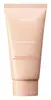
This wash off mask is formulated around Salicylic Acid to clear breakouts and unclog pores.
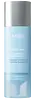
This smoothing serum is formulated around Gluconolactone and Niacinamide to refine skin texture.

What's inside
What's inside
 Key Ingredients
Benefits
Concerns
Ingredients Side-by-side
Oryza Sativa Bran Water
Masking
Polyvinyl Alcohol
Alcohol Denat.
Antimicrobial




Glycerin
Humectant


Butylene Glycol
Humectant
Niacinamide
Smoothing









Water
Skin ConditioningCI 77891
Cosmetic ColorantPvp
Emulsion StabilisingHydroxyethyl Urea
Humectant
Alcohol
Antimicrobial
1,2-Hexanediol
Skin Conditioning
Mica
Cosmetic ColorantSorbitol
Humectant
Inositol
Humectant
Bentonite
Absorbent
Ammonium Acryloyldimethyltaurate/Vp Copolymer
Xanthan Gum
EmulsifyingSalicylic Acid
Masking

Tromethamine
BufferingDextrin
AbsorbentMaltitol
HumectantSodium Hyaluronate
Humectant
Cellulose Gum
Emulsion StabilisingEthylhexylglycerin
Skin ConditioningHouttuynia Cordata Extract
Skin Conditioning
Cyclodextrin
AbsorbentSodium Gluconate
ChelatingSqualane
Emollient
Madecassoside
Antioxidant
Hydrolyzed Extensin
Skin ConditioningTin Oxide
Abrasive
Protease
Exfoliating
Tryptophan
MaskingTheobroma Cacao Extract
Skin ConditioningMonascus/Rice Ferment
Antioxidant
Tocopherol
Antioxidant
Oryza Sativa Bran Water, Polyvinyl Alcohol, Alcohol Denat., Glycerin, Butylene Glycol, Niacinamide, Water, CI 77891, Pvp, Hydroxyethyl Urea, Alcohol, 1,2-Hexanediol, Mica, Sorbitol, Inositol, Bentonite, Ammonium Acryloyldimethyltaurate/Vp Copolymer, Xanthan Gum, Salicylic Acid, Tromethamine, Dextrin, Maltitol, Sodium Hyaluronate, Cellulose Gum, Ethylhexylglycerin, Houttuynia Cordata Extract, Cyclodextrin, Sodium Gluconate, Squalane, Madecassoside, Hydrolyzed Extensin, Tin Oxide, Protease, Tryptophan, Theobroma Cacao Extract, Monascus/Rice Ferment, Tocopherol
Water
Skin ConditioningBetaine
Humectant
Gluconolactone
Chelating
Glycerin
Humectant
Butylene Glycol
Humectant
Dipropylene Glycol
HumectantSodium Lactate
Buffering
Glycereth-26
Humectant
Niacinamide
Smoothing
Dimethyl Isosorbide
SolventTromethamine
BufferingLactobacillus Ferment Lysate
Skin Conditioning
1,2-Hexanediol
Skin Conditioning
Caffeine
Skin Conditioning
Diethoxyethyl Succinate
SolventVaccinium Myrtillus Fruit Extract
Skin ConditioningAllantoin
Skin Conditioning
Dextrin
AbsorbentPropanediol
Solvent
Pectin
Emulsion StabilisingSaccharum Officinarum Extract
MoisturisingSalicylic Acid
Masking
Sodium Gluconate
ChelatingSphingomonas Ferment Extract
Skin Conditioning
Lactic Acid
Buffering
Glycolic Acid
Buffering
Ethylhexylglycerin
Skin ConditioningXanthan Gum
EmulsifyingCitrus Aurantium Dulcis Fruit Extract
MaskingCitrus Limon Fruit Extract
Masking
Cyclodextrin
AbsorbentAcrylates/Stearyl Methacrylate Copolymer
Emulsion StabilisingHydrolyzed Hyaluronic Acid
Humectant
Tremella Fuciformis Sporocarp Extract
Antioxidant
Hyaluronic Acid
Humectant
Acer Saccharum Extract
Skin ConditioningProtease
Exfoliating
Calcium Chloride
AstringentCeramide NP
Skin Conditioning
Glutathione
Polyglutamic Acid
Skin Conditioning
Sodium Hyaluronate Crosspolymer
Humectant
Glyceryl Caprylate
EmollientHydrolyzed DNA
Skin ConditioningWater, Betaine, Gluconolactone, Glycerin, Butylene Glycol, Dipropylene Glycol, Sodium Lactate, Glycereth-26, Niacinamide, Dimethyl Isosorbide, Tromethamine, Lactobacillus Ferment Lysate, 1,2-Hexanediol, Caffeine, Diethoxyethyl Succinate, Vaccinium Myrtillus Fruit Extract, Allantoin, Dextrin, Propanediol, Pectin, Saccharum Officinarum Extract, Salicylic Acid, Sodium Gluconate, Sphingomonas Ferment Extract, Lactic Acid, Glycolic Acid, Ethylhexylglycerin, Xanthan Gum, Citrus Aurantium Dulcis Fruit Extract, Citrus Limon Fruit Extract, Cyclodextrin, Acrylates/Stearyl Methacrylate Copolymer, Hydrolyzed Hyaluronic Acid, Tremella Fuciformis Sporocarp Extract, Hyaluronic Acid, Acer Saccharum Extract, Protease, Calcium Chloride, Ceramide NP, Glutathione, Polyglutamic Acid, Sodium Hyaluronate Crosspolymer, Glyceryl Caprylate, Hydrolyzed DNA
Reviews
Ingredients Explained
These ingredients are found in both products.
Ingredients higher up in an ingredient list are typically present in a larger amount.
1,2-Hexanediol is a synthetic liquid and another multi-functional powerhouse.
It is a:
- Humectant, drawing moisture into the skin
- Emollient, helping to soften skin
- Solvent, dispersing and stabilizing formulas
- Preservative booster, enhancing the antimicrobial activity of other preservatives
Butylene Glycol (or BG) is used within cosmetic products for a few different reasons:
Overall, Butylene Glycol is a safe and well-rounded ingredient that works well with other ingredients.
Though this ingredient works well with most skin types, some people with sensitive skin may experience a reaction such as allergic rashes, closed comedones, or itchiness.
Learn more about Butylene GlycolCyclodextrins are ring-shaped sugar molecules made from starch. It is used to stabilize, protect, and slowly release active ingredients.
This ingredient can help prevent oxidation, reduce irritation from strong actives, and make certain ingredients absorb better once applied.
Once applied to your skin, enzymes gradually break down the cyclodextrin "ring"; this releases the active ingredient in a controlled way.
Learn more about CyclodextrinDextrin is a starch-derived polysaccharide. It's made by partially breaking down corn, potato, or other plant starches.
Think of it as "half-processed" starch; it's less complex than the original but not fully broken down into sugar like maltodextrin.
In cosmetics, it mainly functions as a bulking agent, viscosity controller, binder, and absorbent. It helps thicken products, stabilize powders, and get certain textures a less "wet" feel.
This ingredient has a pretty solid safety profile; it's recognized as a safe food additive and its large molecular size means it doesn't meaningfully penetrate skin.
Human repeat insult patch tests using a rinse-off facial product containing 42.69% dextrin found no skin irritation or sensitization in 54 subjects.
Typical real-world usage is much lower: usually under 1% as a texture modifier and up to 40% in masks (rinse off products use less).
Learn more about DextrinEthylhexylglycerin is created from glycerin. It is a multitasker ingredient that:
The CIR Expert Panel found minimal skin absorption or sensitization of any kind in a safety assessment. Though this ingredient is considered well-tolerated, a small number of cases of allergic dermatitis have been published since 2002. Just be sure to patch test if you are unsure.
Industry-reported use ranges from 8% in rinse-off products and 2% in leave-on formulations.
Learn more about EthylhexylglycerinGlycerin (or glycerol) is a compound naturally found in your skin. It's a powerhouse humectant that pulls water into the stratum corneum.
Topically, glycerin does several things at once:
Your skin makes glycerin on its own (mostly from sebaceous oil breakdown) and shuttles it to your outermost layer of skin, or your epidermis, via aquaporin-3.
Aquaporin-3 is a transporter that is essential for normal skin hydration, elasticity, and repair. Interestingly, mice lacking in AQP3 have dry and less elastic skin that can be fully corrected with glycerin.
This ingredient is non-irritating, plays well with almost every ingredient, and works across all skin types. Typical use is anywhere between 3-10% but can go up to 79% in some leave-on products.
Just know very high concentrations (>40%) can feel tacky in low humidity.
Glycerin is the name for this ingredient in American English. British English uses Glycerol/Glycerine.
Learn more about GlycerinNiacinamide is a multitasking form of vitamin B3 that strengthens the skin barrier, reduces pores and dark spots, regulates oil, and improves signs of aging.
And the best part? It's gentle and well-tolerated by most skin types, including sensitive and reactive skin.
You might have heard of "niacin flush", or the reddening of skin that causes itchiness. Niacinamide has not been found to cause this.
In very rare cases, some individuals may not be able to tolerate niacinamide at all or experience an allergic reaction to it.
If you are experiencing flaking, irritation, and dryness with this ingredient, be sure to double check all your products as this ingredient can be found in all categories of skincare.
When incorporating niacinamide into your routine, look out for concentration amounts. Typically, 5% niacinamide provides benefits such as fading dark spots. However, if you have sensitive skin, it is better to begin with a smaller concentration.
When you apply niacinamide to your skin, your body converts it into nicotinamide adenine dinucleotide (NAD). NAD is an essential coenzyme that is already found in your cells as "fuel" and powers countless biological processes.
In your skin, NAD helps repair cell damage, produce new healthy cells, support collagen production, strengthen the skin barrier, and fight environmental stressors (like UV and pollution).
Our natural NAD levels start to decline with age, leading to slower skin repair, visible aging, and a weaker skin barrier. By providing your skin niacinamide, you're recharging your skin's NAD levels. This leads to stronger, healthier, and younger looking skin.
Another name for vitamin B3 is nicotinamide. This vitamin is water-soluble and our bodies don't store it. We obtain Vitamin B3 from either food or skincare. Meat, fish, wheat, yeast, and leafy greens contain vitamin B3.
The type of niacinamide used in skincare is synthetically created.
Learn more about NiacinamideProtease is an enzyme that works as a gentle exfoliant by mimicking something your skin already does naturally.
Your skin uses proteolytic enzymes to carry out desquamation; this is the process of shedding dead skin cells from the stratum corneum.
In skincare, proteases act as biological catalysts that mimic this natural desquamation process. You can think of it as giving your skin's own renewal system a nudge.
By breaking down the bonds that hold dead skin cells together, proteases help accelerate cell turnover to:
One reason they're becoming a popular AHA alternative is because proteases are considered effective while also being well-tolerated on skin. Because they work at a protein level rather than by lowering the skin pH, they can be a good option for those sensitive to AHAs.
Available in vitro and in vivo studies show positive exfoliant results but clinical (human) trials specifically on enzymatic exfoliation are still limited at this time.
Just one thing worth noting: temperature, pH, and stabilization are important factors that affect enzyme activity. The formulation quality definitely matters with this ingredient.
This ingredient can be either microbial sourced or plant-derived (papain from papaya, bromelain from pineapple).
Learn more about ProteaseSalicylic Acid (also known as beta hydroxy acid or BHA) is a well-known ingredient for treating skin that struggles with acne and clogged pores. It exfoliates both the skin's surface and deep within the pores to help clear out buildup, control oil, and reduce inflammation.
Unlike AHAs (alpha hydroxy acids), salicylic acid is oil-soluble. This allows it to penetrate into pores which makes it especially effective for treating blackheads and preventing future breakouts.
Salicylic acid is also known for its soothing properties. It has a similar structure to aspirin and can calm inflamed or irritated skin, making it a good option for acne-prone skin that is also sensitive.
Concentrations of 0.5-2% are recognized by the U.S. FDA as an over-the-counter topical acne product.
It can cause irritation and/or dryness if one's skin already has a compromised moisture barrier, so it's best to focus on repairing that before introducing this ingredient into your routine.
While salicylic acid does not increase sun sensitivity, it’s still important to wear sunscreen daily to protect your skin.
If you are looking for the ingredient called BHA or Butylated Hydroxyanisole, click here.
Learn more about Salicylic AcidSodium Gluconate is the sodium salt of gluconic acid. In skincare, its main job is as a chelator.
Chelators grab onto stray metal ions like iron and copper that sneak in through water, raw materials, or manufacturing equipment. This stops them from triggering reactions that cause oils to go rancid, formulas to change color, and actives like vitamin C to fall apart.
This ingredient is often chosen as a biodegradable, gentler-sounding alternative to EDTA. It also pulls double duty as a mild humectant and pH buffer.
Typical use levels sit around 0.1-1% and supplier documents list up to 10% as an acceptable ceiling. Industry data found this ingredient family is mostly used well below 1% in leave on products.
Allergy risk is very low; animal testing has found it to be non-irritating to skin and eyes, mutagenicity assays came back negative, and there are no published reports of allergic contact dermatitis to it.
Learn more about Sodium GluconateTromethamine (aka THAM) is a synthetic amino acid that shows up in skincare as a helper ingredient.
It functions as a pH adjuster to help neutralize acidic ingredients and set a formula's pH to the right spot.
This matters a lot because a lot of actives (like vitamin C) needs a specific pH to work well and feel comfortable on skin.
Concentration use ranges from 0.1-1.0% depending on the formula.
Learn more about TromethamineWater. It's the most common cosmetic ingredient of all. You'll usually see it at the top of ingredient lists, meaning that it makes up the largest part of the product.
So why is it so popular? Water most often acts as a solvent - this means that it helps dissolve other ingredients into the formulation.
You'll also recognize water as that liquid we all need to stay alive. If you see this, drink a glass of water. Remember to stay hydrated!
Learn more about WaterXanthan gum is used as a stabilizer and thickener within cosmetic products. It helps give products a sticky, thick feeling - preventing them from being too runny.
On the technical side of things, xanthan gum is a polysaccharide - a combination consisting of multiple sugar molecules bonded together.
Xanthan gum is a pretty common and great ingredient. It is a natural, non-toxic, non-irritating ingredient that is also commonly used in food products.
Learn more about Xanthan Gum

