
What's inside
What's inside
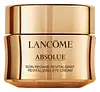 Key Ingredients
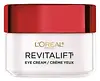
Benefits
Concerns
Ingredients Side-by-side
Water
Skin ConditioningGlycerin
Humectant


Cyclohexasiloxane
Emollient
Butylene Glycol
Humectant
Alcohol Denat.
Antimicrobial




Butyrospermum Parkii Butter
Skin Conditioning


Stearic Acid
Cleansing
Stearyl Alcohol
Emollient
Cetyl Alcohol
Emollient
Palmitic Acid
Emollient
PEG-100 Stearate
Glyceryl Stearate
Emollient
Beeswax
Emulsion Stabilising
Sodium Stearoyl Glutamate
CleansingOctyldodecanol
Emollient
CI 77891
Cosmetic ColorantCI 19140
Cosmetic ColorantCI 16035
Cosmetic ColorantZea Mays Oil
Emulsifying

Mica
Cosmetic ColorantTocopheryl Acetate
Antioxidant


Escin
TonicTocopherol
Antioxidant


Ascorbyl Palmitate
Antioxidant
Hydroxypropyl Tetrahydropyrantriol
Skin ConditioningHydrolyzed Linseed Extract
Skin ConditioningSodium Benzoate
Masking
Phenoxyethanol
Preservative
Adenosine
Skin Conditioning
PEG-20 Stearate
Emulsifying
Trisodium Ethylenediamine Disuccinate
Polysorbate 80
Emulsifying
Chlorhexidine Digluconate
Antimicrobial
Panthenol
Skin Conditioning
Pentaerythrityl Tetra-Di-T-Butyl Hydroxyhydrocinnamate
Antioxidant
Tin Oxide
Abrasive
Propanediol
Solvent
Propylene Glycol
Humectant
Isohexadecane
EmollientCapryloyl Salicylic Acid
Exfoliating


Acrylamide/Sodium Acryloyldimethyltaurate Copolymer
Emulsion StabilisingMyristic Acid
Cleansing
Sorbitan Oleate
Emulsifying
Geraniol
Perfuming
Passiflora Edulis Seed Oil
Emollient
Rose Extract
Skin ConditioningRosa Damascena Flower Oil
Masking
Rosa Centifolia Flower Extract
Astringent
Tetrasodium Glutamate Diacetate
Citronellol
Perfuming
Citric Acid
Buffering
Prunus Armeniaca Kernel Oil
Masking
Oryza Sativa Bran Oil
Emollient
Parfum
Masking
Water, Glycerin, Cyclohexasiloxane, Butylene Glycol, Alcohol Denat., Butyrospermum Parkii Butter, Stearic Acid, Stearyl Alcohol, Cetyl Alcohol, Palmitic Acid, PEG-100 Stearate, Glyceryl Stearate, Beeswax, Sodium Stearoyl Glutamate, Octyldodecanol, CI 77891, CI 19140, CI 16035, Zea Mays Oil, Mica, Tocopheryl Acetate, Escin, Tocopherol, Ascorbyl Palmitate, Hydroxypropyl Tetrahydropyrantriol, Hydrolyzed Linseed Extract, Sodium Benzoate, Phenoxyethanol, Adenosine, PEG-20 Stearate, Trisodium Ethylenediamine Disuccinate, Polysorbate 80, Chlorhexidine Digluconate, Panthenol, Pentaerythrityl Tetra-Di-T-Butyl Hydroxyhydrocinnamate, Tin Oxide, Propanediol, Propylene Glycol, Isohexadecane, Capryloyl Salicylic Acid, Acrylamide/Sodium Acryloyldimethyltaurate Copolymer, Myristic Acid, Sorbitan Oleate, Geraniol, Passiflora Edulis Seed Oil, Rose Extract, Rosa Damascena Flower Oil, Rosa Centifolia Flower Extract, Tetrasodium Glutamate Diacetate, Citronellol, Citric Acid, Prunus Armeniaca Kernel Oil, Oryza Sativa Bran Oil, Parfum
Water
Skin ConditioningDimethicone
Emollient
Glycerin
Humectant
C12-15 Alkyl Benzoate
AntimicrobialShorea Robusta Seed Butter
Emollient
Stearic Acid
Cleansing
Palmitic Acid
Emollient
PEG-100 Stearate
Glyceryl Stearate
Emollient
PEG-20 Stearate
Emulsifying
Stearyl Alcohol
Emollient
Paraffin
Perfuming
Glycine Soja Protein
EmulsifyingTriethanolamine
BufferingCaffeine
Skin Conditioning
Isohexadecane
EmollientPhenethyl Alcohol
MaskingHydrolyzed Soy Protein
Humectant
Acetyl Trifluoromethylphenyl Valylglycine
Skin ConditioningFaex Extract
Skin ConditioningPolysorbate 80
Emulsifying
Acrylamide/Sodium Acryloyldimethyltaurate Copolymer
Emulsion StabilisingAcrylates Copolymer
Cetyl Alcohol
Emollient
Retinyl Palmitate
Skin Conditioning
Potassium Sorbate
Preservative
Methylparaben
Preservative

Sodium Benzoate
Masking
Chlorhexidine Digluconate
Antimicrobial
Ethylparaben
Preservative
Phenoxyethanol
Preservative
Water, Dimethicone, Glycerin, C12-15 Alkyl Benzoate, Shorea Robusta Seed Butter, Stearic Acid, Palmitic Acid, PEG-100 Stearate, Glyceryl Stearate, PEG-20 Stearate, Stearyl Alcohol, Paraffin, Glycine Soja Protein, Triethanolamine, Caffeine, Isohexadecane, Phenethyl Alcohol, Hydrolyzed Soy Protein, Acetyl Trifluoromethylphenyl Valylglycine, Faex Extract, Polysorbate 80, Acrylamide/Sodium Acryloyldimethyltaurate Copolymer, Acrylates Copolymer, Cetyl Alcohol, Retinyl Palmitate, Potassium Sorbate, Methylparaben, Sodium Benzoate, Chlorhexidine Digluconate, Ethylparaben, Phenoxyethanol
Reviews
Ingredients Explained
These ingredients are found in both products.
Ingredients higher up in an ingredient list are typically present in a larger amount.
This ingredient is a synthetic polymer used to stabilize formulas and give products a "gel-cream" feel.
When applied, this ingredient mostly stays on the surface of skin. Safety reviews have found these polymers safe in cosmetics when made to proper quality standards. Testing also shows they’re unlikely to cause irritation or sensitization at normal use levels.
Cetyl Alcohol is a fatty alcohol. Fatty Alcohols are most often used as an emollient or to thicken a product.
Its main roles are:
Though it has "alcohol" in the name, it is not related to denatured alcohol or ethyl alcohol.
The FDA allows products labeled "alcohol-free" to have fatty alcohols.
Learn more about Cetyl AlcoholChlorhexidine Digluconate is a preservative.
Glycerin (or glycerol) is a compound naturally found in your skin. It's a powerhouse humectant that pulls water into the stratum corneum.
Topically, glycerin does several things at once:
Your skin makes glycerin on its own (mostly from sebaceous oil breakdown) and shuttles it to your outermost layer of skin, or your epidermis, via aquaporin-3.
Aquaporin-3 is a transporter that is essential for normal skin hydration, elasticity, and repair. Interestingly, mice lacking in AQP3 have dry and less elastic skin that can be fully corrected with glycerin.
This ingredient is non-irritating, plays well with almost every ingredient, and works across all skin types. Typical use is anywhere between 3-10% but can go up to 79% in some leave-on products.
Just know very high concentrations (>40%) can feel tacky in low humidity.
Glycerin is the name for this ingredient in American English. British English uses Glycerol/Glycerine.
Learn more about GlycerinGlyceryl Stearate is made by reacting glycerin with stearic acid (typically sourced from plant oils like palm or coconut). It's an emulsifier, emollient, and mild occlusive.
Emulsifiers help ingredients like oil and water stay mixed so your formula stays nicely blended and uniform in texture.
This ingredient is typically used in concentrations between 1-10%. Studies have found it to be non-sensitizing, non-phototoxic, and non-photoallergenic.
A close cousin of this ingredient is Glyceryl Stearate SE ("self-emulsifying"). This just has a small amount of sodium or potassium stearate added so it can emulsify without a co-emulsifier.
Since this ingredient is an ester of a C18 fatty acid, it may not be fungal acne safe. The Malassezia yeast can potentially metabolize within the C11-C24 range.
Fun fact: The human body also creates Glyceryl Stearate naturally.
Learn more about Glyceryl StearateIsohexadecane is added to enhance texture, emulsify, and to help cleanse. It is an isoparrafin. It is a component of petrolatum.
Due to its large size, Isohexadecane is not absorbed by the skin. Instead, it sits on top and acts as an emollient. Emollients help keep your skin soft and smooth by trapping moisture within.
Isohexadecane is often used in products designed to help oily skin. It is lightweight and non-greasy while helping to moisturize. When mixed with silicones, it gives a product a silky feel.
Learn more about IsohexadecanePalmitic Acid is a fatty acid naturally found in our skin and in many plant and animal sources.
In cosmetics, it is usually derived from palm oil. It serves many purposes in skincare, acting as a cleanser, emollient, and emulsifier.
Interestingly, topically applied Palmitic Acid can be elongated into longer chain fatty acids and ceramides. A 2019 study found low levels of Palmitic Acid lead to slower development of cells, suggesting it plays a role in keeping your skin's renewal process on track.
The CIR (Cosmetic Ingredient Review) panel determined it safe as used in cosmetics at concentrations up to 13%. It is non-irritating and non-sensitizing in clinical studies.
The culprit behind fungal acne, the Malassezia yeast, feeds on fatty acids with carbon chain lengths between C11-C24. Palmitic Acid, at C16, falls right into that sweet spot.
In vitro studies have shown that Palmitic Acid is one of the fatty acids that induce rapid Malassezia growth in lab settings.
It's worth noting that what feeds yeast in a lab doesn't necessarily feed it on your face since formulation and your skin's chemistry play a bigger role.
Learn more about Palmitic AcidPeg-100 Stearate is an emollient and emulsifier. As an emollient, it helps keep skin soft by trapping moisture in. On the other hand, emulsifiers help prevent oil and water from separating in a product.
PEGS are a hydrophilic polyether compound . There are 100 ethylene oxide monomers in Peg-100 Stearate. Peg-100 Stearate is polyethylene glycol ester of stearic acid.
Peg-20 Stearate is produced from stearic acid. It is an emulsifier and humectant.
The 20 stands for the average number of ethylene oxide monomers in the polyethylene chain. The 'p' in 'Peg' stands for this chain.
This ingredient may not be Malassezia folliculitis, or fungal-acne safe.
Learn more about PEG-20 StearatePhenoxyethanol is a preservative that has germicide, antimicrobial, and aromatic properties. Studies show that phenoxyethanol can prevent microbial growth. By itself, it has a scent that is similar to that of a rose.
It's often used in formulations along with Caprylyl Glycol to preserve the shelf life of products.
Polysorbate 80 is a surfactant and emulsifier. It is used to keep ingredients together, and prevent oils and waters from separating.
It is made from polyethoxylated sorbitan and oleic acid. This ingredient can be found in cosmetics, foods, and medicine. It is water-soluble.
Polysorbate 80 may not be fungal acne safe.
Learn more about Polysorbate 80Sodium Benzoate is a preservative. It's used in both cosmetic and food products to inhibit the growth of mold and bacteria. It is typically produced synthetically.
Both the US FDA and EU Health Committee have approved the use of sodium benzoate. In the US, levels of 0.1% (of the total product) are allowed.
Sodium benzoate works as a preservative by inhibiting the growth of bacteria inside of cells. It prevents the cell from fermenting a type of sugar using an enzyme called phosphofructokinase.
It is the salt of benzoic acid. Foods containing sodium benzoate include soda, salad dressings, condiments, fruit juices, wines, and snack foods.
Studies for using ascorbic acid and sodium benzoate in cosmetics are lacking, especially in skincare routines with multiple steps.
We always recommend speaking with a professional, such as a dermatologist, if you have any concerns.
Learn more about Sodium BenzoateStearic Acid is a fatty acid that is already found in your skin. It's one of the free fatty acids that works alongside ceramides and cholesterols to maintain your barrier.
In cosmetics, it is a multitasker:
Safety-wise, the CIR Expert Panel has concluded it to be safe in cosmetics when formulated to be non-irritating and non-sensitizing.
Free stearic acid is a C18 fatty acid that the Malassezia yeast can substrate, so this ingredient may not be fungal acne safe.
Learn more about Stearic AcidStearyl Alcohol is a type of fatty alcohol from stearic acid. It is a white, waxy compound used to emulsify ingredients used as an emollient or to thicken a product.
Emollients help soothe and hydrate the skin by trapping moisture.
Fatty alcohols are usually derived from natural fats and oils and therefore do not have the same drying or irritating effect as solvent (ethanol) alcohols.
The FDA allows products labeled "alcohol-free" to have fatty alcohols.
Learn more about Stearyl AlcoholWater. It's the most common cosmetic ingredient of all. You'll usually see it at the top of ingredient lists, meaning that it makes up the largest part of the product.
So why is it so popular? Water most often acts as a solvent - this means that it helps dissolve other ingredients into the formulation.
You'll also recognize water as that liquid we all need to stay alive. If you see this, drink a glass of water. Remember to stay hydrated!
Learn more about Water
