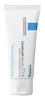
This barrier-repair moisturizer is formulated around Panthenol and Centella Asiatica Leaf Extract to strengthen the skin barrier and calm redness.
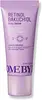
This anti-aging night moisturizer is formulated around Niacinamide and Retinol to soften the look of wrinkles and refine skin texture.


What's inside
What's inside
 Key Ingredients
Benefits
Concerns
Ingredients Side-by-side
Water
Skin ConditioningHydrogenated Polyisobutene
EmollientDimethicone
Emollient

Glycerin
Humectant

Butyrospermum Parkii Butter
Skin Conditioning




Panthenol
Skin Conditioning

Zea Mays Starch
Absorbent
Propanediol
Solvent
Butylene Glycol
Humectant
Cetyl PEG/PPG-10/1 Dimethicone
Emulsifying
Trihydroxystearin
Skin Conditioning
Centella Asiatica Leaf Extract
Skin Conditioning
Polymnia Sonchifolia Root Juice
Skin ConditioningZinc Gluconate
Skin Conditioning


Madecassoside
Antioxidant

Manganese Gluconate
Skin ConditioningAlpha-Glucan Oligosaccharide
Cleansing
Silica
Abrasive
Aluminum Hydroxide
EmollientMagnesium Sulfate
Mannose
HumectantCapryloyl Glycine
CleansingCaprylyl Glycol
Emollient
Vitreoscilla Ferment
Skin Conditioning
Citric Acid
Buffering

Trisodium Ethylenediamine Disuccinate
ChelatingLactobacillus
Skin ConditioningAcetylated Glycol Stearate
Emollient
Maltodextrin
Absorbent
Polyglyceryl-4 Isostearate
Emulsifying
Tocopherol
Antioxidant

Pentaerythrityl Tetra-Di-T-Butyl Hydroxyhydrocinnamate
Antioxidant
Titanium Dioxide
Cosmetic Colorant

Water, Hydrogenated Polyisobutene, Dimethicone, Glycerin, Butyrospermum Parkii Butter, Panthenol, Zea Mays Starch, Propanediol, Butylene Glycol, Cetyl PEG/PPG-10/1 Dimethicone, Trihydroxystearin, Centella Asiatica Leaf Extract, Polymnia Sonchifolia Root Juice, Zinc Gluconate, Madecassoside, Manganese Gluconate, Alpha-Glucan Oligosaccharide, Silica, Aluminum Hydroxide, Magnesium Sulfate, Mannose, Capryloyl Glycine, Caprylyl Glycol, Vitreoscilla Ferment, Citric Acid, Trisodium Ethylenediamine Disuccinate, Lactobacillus, Acetylated Glycol Stearate, Maltodextrin, Polyglyceryl-4 Isostearate, Tocopherol, Pentaerythrityl Tetra-Di-T-Butyl Hydroxyhydrocinnamate, Titanium Dioxide
Water
Skin ConditioningDipropylene Glycol
HumectantOctyldodecanol
Emollient
Butylene Glycol
Humectant
Methylpropanediol
SolventGlycerin
Humectant
1,2-Hexanediol
Skin Conditioning
Niacinamide
Smoothing
Caprylyl Methicone
Skin Conditioning
Helianthus Annuus Seed Oil
Emollient
Ammonium Acryloyldimethyltaurate/Vp Copolymer
Polyglyceryl-10 Behenate/Eicosadioate
EmulsifyingPolymethylsilsesquioxane
Hydroxyethyl Acrylate/Sodium Acryloyldimethyl Taurate Copolymer
Emulsion StabilisingPolyglyceryl-2 Stearate
Emulsifying
Acrylates/C10-30 Alkyl Acrylate Crosspolymer
Emulsion StabilisingArginine
Masking
Glyceryl Stearate
Emollient
Stearyl Alcohol
Emollient
Glycine Soja Oil
Emollient
Ethylhexylglycerin
Skin ConditioningAdenosine
Skin Conditioning
Sorbitan Isostearate
Emulsifying
Xanthan Gum
EmulsifyingRetinol
Skin Conditioning

Disodium EDTA
ChelatingUndecane
EmollientTridecane
Perfuming

Bixa Orellana Seed Oil
Emollient
Macadamia Ternifolia Seed Oil
Emollient
Tocopherol
Antioxidant
Brassica Campestris Sterols
EmollientPolyglyceryl-10 Stearate
Skin Conditioning
Cholesterol
Emollient
Ceramide NP
Skin Conditioning
Hydrogenated Phosphatidylcholine
Emulsifying
Panthenol
Skin Conditioning
Retinal
Skin Conditioning
Squalane
Emollient
Parfum
Masking
Bakuchiol
Antimicrobial
Dextrin
AbsorbentGardenia Florida Fruit Extract
Skin ConditioningCyanocobalamin
Skin ConditioningCollagen Water
Humectant
Hydrogenated Polyisobutene
EmollientAcetyl Hexapeptide-8
Humectant
Anemarrhena Asphodeloides Root Extract
Skin Conditioning
Copper Tripeptide-1
Skin Conditioning
Palmitoyl Pentapeptide-4
Skin Conditioning
Palmitoyl Hexapeptide-12
Skin Conditioning
Water, Dipropylene Glycol, Octyldodecanol, Butylene Glycol, Methylpropanediol, Glycerin, 1,2-Hexanediol, Niacinamide, Caprylyl Methicone, Helianthus Annuus Seed Oil, Ammonium Acryloyldimethyltaurate/Vp Copolymer, Polyglyceryl-10 Behenate/Eicosadioate, Polymethylsilsesquioxane, Hydroxyethyl Acrylate/Sodium Acryloyldimethyl Taurate Copolymer, Polyglyceryl-2 Stearate, Acrylates/C10-30 Alkyl Acrylate Crosspolymer, Arginine, Glyceryl Stearate, Stearyl Alcohol, Glycine Soja Oil, Ethylhexylglycerin, Adenosine, Sorbitan Isostearate, Xanthan Gum, Retinol, Disodium EDTA, Undecane, Tridecane, Bixa Orellana Seed Oil, Macadamia Ternifolia Seed Oil, Tocopherol, Brassica Campestris Sterols, Polyglyceryl-10 Stearate, Cholesterol, Ceramide NP, Hydrogenated Phosphatidylcholine, Panthenol, Retinal, Squalane, Parfum, Bakuchiol, Dextrin, Gardenia Florida Fruit Extract, Cyanocobalamin, Collagen Water, Hydrogenated Polyisobutene, Acetyl Hexapeptide-8, Anemarrhena Asphodeloides Root Extract, Copper Tripeptide-1, Palmitoyl Pentapeptide-4, Palmitoyl Hexapeptide-12
Reviews
Ingredients Explained
These ingredients are found in both products.
Ingredients higher up in an ingredient list are typically present in a larger amount.
Butylene Glycol (or BG) is used within cosmetic products for a few different reasons:
Overall, Butylene Glycol is a safe and well-rounded ingredient that works well with other ingredients.
Though this ingredient works well with most skin types, some people with sensitive skin may experience a reaction such as allergic rashes, closed comedones, or itchiness.
Learn more about Butylene GlycolGlycerin (or glycerol) is a compound naturally found in your skin. It's a powerhouse humectant that pulls water into the stratum corneum.
Topically, glycerin does several things at once:
Your skin makes glycerin on its own (mostly from sebaceous oil breakdown) and shuttles it to your outermost layer of skin, or your epidermis, via aquaporin-3.
Aquaporin-3 is a transporter that is essential for normal skin hydration, elasticity, and repair. Interestingly, mice lacking in AQP3 have dry and less elastic skin that can be fully corrected with glycerin.
This ingredient is non-irritating, plays well with almost every ingredient, and works across all skin types. Typical use is anywhere between 3-10% but can go up to 79% in some leave-on products.
Just know very high concentrations (>40%) can feel tacky in low humidity.
Glycerin is the name for this ingredient in American English. British English uses Glycerol/Glycerine.
Learn more about GlycerinHydrogenated Polyisobutene is a synthetic polymer. Polymers are compounds with high molecular weight. Hydrogenated Polyisobutene is an emollient and texture enhancer.
In one study, Hydrogenated Polyisobutene showed better skin hydration levels than Caprylic/Capric Triglyceride. As an emollient, it helps keep your skin soft and hydrated by trapping moisture in.
Hydrogenated Polyisobutene is often used as a mineral oil replacement.
Learn more about Hydrogenated PolyisobutenePanthenol is a common ingredient that helps hydrate and soothe the skin. It is found naturally in our skin and hair.
There are two forms of panthenol: D and L.
D-panthenol is also known as dexpanthenol. Most cosmetics use dexpanthenol or a mixture of D and L-panthenol.
Panthenol is famous due to its ability to go deeper into the skin's layers. Using this ingredient has numerous pros (and no cons):
Like hyaluronic acid, panthenol is a humectant. Humectants are able to bind and hold large amounts of water to keep skin hydrated.
This ingredient works well for wound healing. It works by increasing tissue in the wound and helps close open wounds.
Once oxidized, panthenol converts to pantothenic acid. Panthothenic acid is found in all living cells.
This ingredient is also referred to as pro-vitamin B5.
Learn more about PanthenolTocopherol is a fat-soluble antioxidant known as Vitamin E.
You'll find this ingredient in the vast majority of skincare (for good reason). It works to neutralize free radicals, or unstable molecules generated by UV exposure, pollution, and other environmental stressors, before they can cause oxidative damage to your skin cells.
Topically applied tocopherol has been shown to protect against UV damage by ramping up the skin's own natural defense enzymes.
It also acts as a skin conditioning agent; some studies show that regular topical use can improve the skin's water-binding capacity over 2-4 weeks.
This ingredient is especially loved for being a team player. When combined with Vitamin C, the photoprotective effect of both ingredients roughly doubles and the combo also helps reduce UV-induced DNA damage.
This ingredient has some brightening potential but it's more of a prevention ingredient than spot-fader. Cell studies show it can slow down melanin production but it's worth noting that it's not the most powerful brightener out there.
In formulations, it also serves as a stabilizer that helps protect other oxidation-prone ingredients from degrading.
Concentrations usually range from 0.1-1% in most leave-on products.
Learn more about TocopherolWater. It's the most common cosmetic ingredient of all. You'll usually see it at the top of ingredient lists, meaning that it makes up the largest part of the product.
So why is it so popular? Water most often acts as a solvent - this means that it helps dissolve other ingredients into the formulation.
You'll also recognize water as that liquid we all need to stay alive. If you see this, drink a glass of water. Remember to stay hydrated!
Learn more about Water

