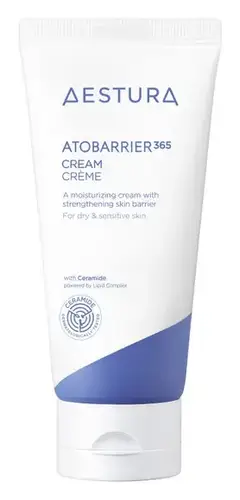
What's inside
What's inside
 Key Ingredients
Benefits
Concerns
Ingredients Side-by-side
Water
Skin ConditioningHydrogenated Polyisobutene
EmollientDimethicone
Emollient

Glycerin
Humectant



Butyrospermum Parkii Butter
Skin Conditioning




Panthenol
Skin Conditioning

Propanediol
Solvent
Butylene Glycol
Humectant
Aluminum Starch Octenylsuccinate
Absorbent
Cetyl PEG/PPG-10/1 Dimethicone
Emulsifying
Trihydroxystearin
Skin Conditioning
Zinc Gluconate
Skin Conditioning


Madecassoside
Antioxidant


Manganese Gluconate
Skin ConditioningSilica
Abrasive
Aluminum Hydroxide
EmollientMagnesium Sulfate
Disodium EDTA
Copper Gluconate
Skin Conditioning
Capryloyl Glycine
CleansingCitric Acid
Buffering

Acetylated Glycol Stearate
Emollient
Polyglyceryl-4 Isostearate
Emulsifying
Tocopherol
Antioxidant

Pentaerythrityl Tetra-Di-T-Butyl Hydroxyhydrocinnamate
Antioxidant
CI 77891
Cosmetic ColorantWater, Hydrogenated Polyisobutene, Dimethicone, Glycerin, Butyrospermum Parkii Butter, Panthenol, Propanediol, Butylene Glycol, Aluminum Starch Octenylsuccinate, Cetyl PEG/PPG-10/1 Dimethicone, Trihydroxystearin, Zinc Gluconate, Madecassoside, Manganese Gluconate, Silica, Aluminum Hydroxide, Magnesium Sulfate, Disodium EDTA, Copper Gluconate, Capryloyl Glycine, Citric Acid, Acetylated Glycol Stearate, Polyglyceryl-4 Isostearate, Tocopherol, Pentaerythrityl Tetra-Di-T-Butyl Hydroxyhydrocinnamate, CI 77891
Water
Skin ConditioningPanthenol
Skin Conditioning
PEG-8
HumectantErythritol
Humectant
Butylene Glycol
Humectant
Dimethicone
Emollient
Ceramide NP
Skin Conditioning
Ceramide AP
Skin Conditioning
Ceramide Ns
Skin Conditioning
Ceramide As
Skin Conditioning
Ceramide EOP
Skin Conditioning
Centella Asiatica Extract
Cleansing
Madecassoside
Antioxidant
Asiatic Acid
Skin Conditioning
Madecassic Acid
Skin Conditioning
Hyaluronic Acid
Humectant
Urea
Buffering
Trehalose
Humectant
PCA
Humectant
Sodium PCA
Humectant
Ammonium Acryloyldimethyltaurate/Beheneth-25 Methacrylate Crosspolymer
Emulsion Stabilising1,2-Hexanediol
Skin Conditioning
Hydroxyacetophenone
Antioxidant
Sodium Polyacryloyldimethyl Taurate
Emulsion StabilisingGlycerin
Humectant
Xanthan Gum
EmulsifyingBisabolol
Antioxidant
Lactic Acid
Buffering
Hydroxyphenyl Propamidobenzoic Acid
Skin ConditioningPotassium Sorbate
Preservative
Zingiber Officinale Root Extract
Masking
Ascorbyl Palmitate
Antioxidant
Dimethicone/Vinyl Dimethicone Crosspolymer
Skin Conditioning
Sodium Lauroyl Lactylate
EmulsifyingOctyldodecanol
Emollient
Diglucosyl Gallic Acid
Hydrolyzed Algae Extract
Skin ConditioningHydrogenated Lecithin
Emulsifying
Bioflavonoids
Skin ConditioningPPG-26-Buteth-26
Skin ConditioningPEG-40 Hydrogenated Castor Oil
Emulsifying
Diisostearyl Malate
EmollientEpigallocatechin Gallatyl Glucoside
Antioxidant
Ethoxydiglycol
HumectantLecithin
Emollient
Sodium Benzoate
Masking
Polyglyceryl-10 Stearate
Skin Conditioning
Disodium EDTA
Sucrose Stearate
EmollientPhytosphingosine
Skin Conditioning
Hexyldecanol
Emollient
Caprylic/Capric Triglyceride
Masking
Water, Panthenol, PEG-8, Erythritol, Butylene Glycol, Dimethicone, Ceramide NP, Ceramide AP, Ceramide Ns, Ceramide As, Ceramide EOP, Centella Asiatica Extract, Madecassoside, Asiatic Acid, Madecassic Acid, Hyaluronic Acid, Urea, Trehalose, PCA, Sodium PCA, Ammonium Acryloyldimethyltaurate/Beheneth-25 Methacrylate Crosspolymer, 1,2-Hexanediol, Hydroxyacetophenone, Sodium Polyacryloyldimethyl Taurate, Glycerin, Xanthan Gum, Bisabolol, Lactic Acid, Hydroxyphenyl Propamidobenzoic Acid, Potassium Sorbate, Zingiber Officinale Root Extract, Ascorbyl Palmitate, Dimethicone/Vinyl Dimethicone Crosspolymer, Sodium Lauroyl Lactylate, Octyldodecanol, Diglucosyl Gallic Acid, Hydrolyzed Algae Extract, Hydrogenated Lecithin, Bioflavonoids, PPG-26-Buteth-26, PEG-40 Hydrogenated Castor Oil, Diisostearyl Malate, Epigallocatechin Gallatyl Glucoside, Ethoxydiglycol, Lecithin, Sodium Benzoate, Polyglyceryl-10 Stearate, Disodium EDTA, Sucrose Stearate, Phytosphingosine, Hexyldecanol, Caprylic/Capric Triglyceride
Reviews
Ingredients Explained
These ingredients are found in both products.
Ingredients higher up in an ingredient list are typically present in a larger amount.
Butylene Glycol (or BG) is used within cosmetic products for a few different reasons:
Overall, Butylene Glycol is a safe and well-rounded ingredient that works well with other ingredients.
Though this ingredient works well with most skin types, some people with sensitive skin may experience a reaction such as allergic rashes, closed comedones, or itchiness.
Learn more about Butylene GlycolDimethicone is a type of synthetic silicone created from natural materials such as quartz. It is also known as polydimethylsiloxane.
What it does:
Dimethicone comes in different viscosities:
Depending on the viscosity, dimethicone has different properties.
Ingredients lists don't always show which type is used, so we recommend reaching out to the brand if you have questions about the viscosity.
This ingredient is unlikely to cause irritation because it does not get absorbed into skin. However, people with silicone allergies should be careful about using this ingredient.
Note: Dimethicone may contribute to pilling. This is because it is not oil or water soluble, so pilling may occur when layered with products. When mixed with heavy oils in a formula, the outcome is also quite greasy.
Learn more about DimethiconeDisodium EDTA is a chelating agent. It grabs onto and deactivates metal ions that sneak into your products from water, packaging, or air.
This ingredient mainly works behind the scenes and helps with:
On top of that, this ingredient can counteract the effects of hard water by binding to the minerals in it.
One thing worth knowing is that Disodium EDTA has been shown to be a mild penetration enhancer. It can help other ingredients absorb into skin more effectively which can be a double-edged sword (great for actives, but can also make the active too strong if you have sensitive skin).
Clinical patch testing showed no significant skin irritation at typical use concentrations and minimal dermal absorption.
You'll most likely see this ingredient near the end of an ingredient list. It's typically found in concentrations less than 1%.
Learn more about Disodium EDTAGlycerin (or glycerol) is a compound naturally found in your skin. It's a powerhouse humectant that pulls water into the stratum corneum.
Topically, glycerin does several things at once:
Your skin makes glycerin on its own (mostly from sebaceous oil breakdown) and shuttles it to your outermost layer of skin, or your epidermis, via aquaporin-3.
Aquaporin-3 is a transporter that is essential for normal skin hydration, elasticity, and repair. Interestingly, mice lacking in AQP3 have dry and less elastic skin that can be fully corrected with glycerin.
This ingredient is non-irritating, plays well with almost every ingredient, and works across all skin types. Typical use is anywhere between 3-10% but can go up to 79% in some leave-on products.
Just know very high concentrations (>40%) can feel tacky in low humidity.
Glycerin is the name for this ingredient in American English. British English uses Glycerol/Glycerine.
Learn more about GlycerinMadecassoside is one of four active compounds found in Centella asiatica and is one of the main reasons Centella is so effective at calming irritated skin and supporting the moisture barrier.
There's a solid body of peer-reviewed research backing Madecassoside for several skin benefits. Studies have found:
Madecassoside pairs well with other hydrating or antioxidant ingredients like Ascorbic Acid or Hyaluronic Acid.
Learn more about MadecassosidePanthenol is a common ingredient that helps hydrate and soothe the skin. It is found naturally in our skin and hair.
There are two forms of panthenol: D and L.
D-panthenol is also known as dexpanthenol. Most cosmetics use dexpanthenol or a mixture of D and L-panthenol.
Panthenol is famous due to its ability to go deeper into the skin's layers. Using this ingredient has numerous pros (and no cons):
Like hyaluronic acid, panthenol is a humectant. Humectants are able to bind and hold large amounts of water to keep skin hydrated.
This ingredient works well for wound healing. It works by increasing tissue in the wound and helps close open wounds.
Once oxidized, panthenol converts to pantothenic acid. Panthothenic acid is found in all living cells.
This ingredient is also referred to as pro-vitamin B5.
Learn more about PanthenolWater. It's the most common cosmetic ingredient of all. You'll usually see it at the top of ingredient lists, meaning that it makes up the largest part of the product.
So why is it so popular? Water most often acts as a solvent - this means that it helps dissolve other ingredients into the formulation.
You'll also recognize water as that liquid we all need to stay alive. If you see this, drink a glass of water. Remember to stay hydrated!
Learn more about Water