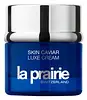
This moisturizer is formulated around Butyrospermum Parkii Butter and Panax Ginseng Root Extract to hydrate skin.
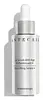
This anti-aging serum is formulated around Rosa Damascena Flower Water and Acetyl Hexapeptide-8 to soften the look of wrinkles.


What's inside
What's inside
 Key Ingredients
Benefits
Concerns
Ingredients Side-by-side
Water
Skin ConditioningDimethicone
Emollient

Cetearyl Alcohol
Emollient






Butyrospermum Parkii Butter
Skin Conditioning

Glycerin
Humectant
Prunus Amygdalus Dulcis Oil
Skin Conditioning
Butylene Glycol
Humectant
Cetearyl Glucoside
Emulsifying
Octyldodecanol
Emollient
Glyceryl Stearate
Emollient
Glycoproteins
Skin Conditioning
Panax Ginseng Root Extract
Emollient

Equisetum Arvense Extract
AstringentCaviar Extract
Skin ConditioningTocopheryl Acetate
Antioxidant


Pullulan
Mangifera Indica Seed Oil
Emollient
Haematococcus Pluvialis Extract
Antioxidant
Lactic Acid
Buffering






Caulerpa Lentillifera Extract
Sodium DNA
Skin Conditioning
Ceramide NP
Skin Conditioning
Lecithin
Emollient
Tocopherol
Antioxidant
Sodium Hyaluronate
Humectant
Diethylhexyl Syringylidenemalonate
Skin Protecting
Carnosine
Skin Conditioning
Rna
Skin ConditioningHydrolyzed Rice Bran Protein
Skin ConditioningHydrogenated Lecithin
Emulsifying
Borago Officinalis Seed Oil
Emollient
Citric Acid
Buffering
Malic Acid
Buffering
Camellia Sinensis Leaf Extract
Antimicrobial
Chamomilla Recutita Flower Extract
Masking
Lactobacillus Ferment
Skin Conditioning
Polyglucuronic Acid
Skin ConditioningRetinyl Palmitate
Skin Conditioning
Saccharomyces Cerevisiae Extract
Skin Conditioning
Tetrapeptide-3
Skin Conditioning
Ascorbyl Palmitate
Antioxidant
Parfum
Masking

Linalool
Perfuming
Citronellol
Perfuming
Geraniol
Perfuming
Limonene
Perfuming
Alpha-Isomethyl Ionone
Perfuming
Benzyl Salicylate
Perfuming
Phenoxyethanol
Preservative
Sodium Dehydroacetate
Preservative
Potassium Sorbate
Preservative
CI 77891
Cosmetic ColorantCI 77491
Cosmetic ColorantCI 19140
Cosmetic ColorantCI 14700
Cosmetic ColorantCI 15985
Cosmetic ColorantWater, Dimethicone, Cetearyl Alcohol, Butyrospermum Parkii Butter, Glycerin, Prunus Amygdalus Dulcis Oil, Butylene Glycol, Cetearyl Glucoside, Octyldodecanol, Glyceryl Stearate, Glycoproteins, Panax Ginseng Root Extract, Equisetum Arvense Extract, Caviar Extract, Tocopheryl Acetate, Pullulan, Mangifera Indica Seed Oil, Haematococcus Pluvialis Extract, Lactic Acid, Caulerpa Lentillifera Extract, Sodium DNA, Ceramide NP, Lecithin, Tocopherol, Sodium Hyaluronate, Diethylhexyl Syringylidenemalonate, Carnosine, Rna, Hydrolyzed Rice Bran Protein, Hydrogenated Lecithin, Borago Officinalis Seed Oil, Citric Acid, Malic Acid, Camellia Sinensis Leaf Extract, Chamomilla Recutita Flower Extract, Lactobacillus Ferment, Polyglucuronic Acid, Retinyl Palmitate, Saccharomyces Cerevisiae Extract, Tetrapeptide-3, Ascorbyl Palmitate, Parfum, Linalool, Citronellol, Geraniol, Limonene, Alpha-Isomethyl Ionone, Benzyl Salicylate, Phenoxyethanol, Sodium Dehydroacetate, Potassium Sorbate, CI 77891, CI 77491, CI 19140, CI 14700, CI 15985
Rosa Damascena Flower Water
Masking
Water
Skin ConditioningGlycerin
Humectant
Butylene Glycol
Humectant
Methyl Gluceth-20
Humectant
Imperata Cylindrica Root Extract
Skin ConditioningDiglycerin
Humectant
Hydroxypropyl Methylcellulose
Emulsion StabilisingPhenoxyethanol
Preservative
Pullulan
Xanthan Gum
EmulsifyingPlantago Lanceolata Leaf Extract
AntimicrobialEthylhexylglycerin
Skin ConditioningPPG-26-Buteth-26
Skin ConditioningPEG-40 Hydrogenated Castor Oil
Emulsifying
Acrylates/C10-30 Alkyl Acrylate Crosspolymer
Emulsion StabilisingPentylene Glycol
Skin Conditioning
Porphyridium Cruentum Extract
Skin ConditioningCaprylyl Glycol
Emollient
Maltodextrin
Absorbent
Sodium Hydroxide
BufferingRosa Damascena Flower Oil
Masking
Pelargonium Graveolens Oil
Masking
Citric Acid
Buffering
Theobroma Cacao Seed Extract
Antioxidant
Psilanthus Bengalensis Leaf Cell Culture Extract
Skin ConditioningSodium Hyaluronate
Humectant
Carbomer
Emulsion StabilisingAcetyl Hexapeptide-8
Humectant
Camellia Sinensis Leaf Extract
Antimicrobial
Rubus Idaeus Leaf Cell Culture
Skin ConditioningNicotiana Sylvestris Leaf Cell Culture
Skin ConditioningAcetyl Hexapeptide-38
Skin Conditioning
N-Prolyl Palmitoyl Tripeptide-56 Acetate
Skin Conditioning
Citronellol
Perfuming
Geraniol
Perfuming
Linalool
Perfuming
Rosa Damascena Flower Water, Water, Glycerin, Butylene Glycol, Methyl Gluceth-20, Imperata Cylindrica Root Extract, Diglycerin, Hydroxypropyl Methylcellulose, Phenoxyethanol, Pullulan, Xanthan Gum, Plantago Lanceolata Leaf Extract, Ethylhexylglycerin, PPG-26-Buteth-26, PEG-40 Hydrogenated Castor Oil, Acrylates/C10-30 Alkyl Acrylate Crosspolymer, Pentylene Glycol, Porphyridium Cruentum Extract, Caprylyl Glycol, Maltodextrin, Sodium Hydroxide, Rosa Damascena Flower Oil, Pelargonium Graveolens Oil, Citric Acid, Theobroma Cacao Seed Extract, Psilanthus Bengalensis Leaf Cell Culture Extract, Sodium Hyaluronate, Carbomer, Acetyl Hexapeptide-8, Camellia Sinensis Leaf Extract, Rubus Idaeus Leaf Cell Culture, Nicotiana Sylvestris Leaf Cell Culture, Acetyl Hexapeptide-38, N-Prolyl Palmitoyl Tripeptide-56 Acetate, Citronellol, Geraniol, Linalool
Reviews
Ingredients Explained
These ingredients are found in both products.
Ingredients higher up in an ingredient list are typically present in a larger amount.
Butylene Glycol (or BG) is used within cosmetic products for a few different reasons:
Overall, Butylene Glycol is a safe and well-rounded ingredient that works well with other ingredients.
Though this ingredient works well with most skin types, some people with sensitive skin may experience a reaction such as allergic rashes, closed comedones, or itchiness.
Learn more about Butylene GlycolCamellia Sinensis Leaf Extract (tea extract) is one of the most well-researched plant extracts in skincare with an impressive resume.
Black tea, green tea, and oolong tea are all harvested from the Camellia Sinensis plant.
Studies show green tea extract and its catechins (like epigallocatechin gallate (EGCG)) help your skin cells product energy more efficiently and reducing the number of free-radicals that can damage your skin from the inside.
In lab-grown skin models, this translated to younger, healthier, and stronger skin.
There's also good sun protection data; researchers saw less DNA damage and redness on human skin when green tea was applied before UVB exposure. And the more they applied, the better the protection.
Needless to say, this ingredient shouldn't replace your sunscreen. But it is a great supportive ingredient that you can already find in many sunscreens and antioxidant serums.
A 2009 study found a 2% green tea lotion was effective for mild-to-moderate acne thanks to its anti-inflammatory and mild antimicrobial activity.
The quality of the extract matters a lot here:
Good extracts contain 50-90% catechins while lower quality ones are mostly there for marketing. We recommend reaching out to the brand if you have questions about the quality or source of their ingredients.
Human Repeated Insult Patch Testing showed no irritation or sensitization at use concentrations (0.86% in leave-on products and up to 30% as leaf water).
Learn more about Camellia Sinensis Leaf ExtractCitric Acid is an alpha hydroxy acid (AHA) naturally found in citrus fruits like oranges, lemons, and limes.
Like other AHAs, citric acid can exfoliate skin by breaking down the bonds that hold dead skin cells together. This helps reveal smoother and brighter skin underneath.
However, this exfoliating effect only happens at high concentrations (20%) which can be hard to find in cosmetic products.
Due to this, citric acid is usually included in small amounts as a pH adjuster. This helps keep products slightly more acidic and compatible with skin's natural pH.
In skincare formulas, citric acid can:
While it can provide some skin benefits, research shows lactic acid and glycolic acid are generally more effective and less irritating exfoliants.
Most citric acid used in skincare today is made by fermenting sugars (usually from molasses). This synthetic version is identical to the natural citrus form but easier to stabilize and use in formulations.
Rosacea skin has a lower threshold for acids generally, with 62.5% of rosacea subjects in one study reacting to lactic acid in a sting test. This is why we mark citric acid as a potential rosacea trigger.
However, this ingredient shows up as a pH adjuster or chelator at roughly 0.1-1% in many products. These low levels are unlikely to be an issue for rosacea skin and becomes a potential trigger at exfoliating concentrations (20%). Because everybody's skin is unique, we recommend a patch test if you are unsure.
Learn more about Citric AcidCitronellol is used to add fragrance/parfum to a product. It is often derived from plants such as roses. In fact, it can be found in many essential oils including geranium, lavender, neroli, and more. The scent of Citronellol is often described as "fresh, grassy, and citrus-like".
Since the Citronellol molecule is already unstable, Citronellol becomes irritating on the skin when exposed to air.
Citronellol is a modified terpene. Terpenes are unsaturated hydrocarbons found in plants. They make up the primary part of essential oils.
Citronellol is not able to be absorbed into deeper layers of the skin. It has low permeability,
Citronellol is also a natural insect repellent.
Learn more about CitronellolGeraniol is used to add fragrance/parfum to a product. It is the main component of citronellol. It is a monoterpenoid and an alcohol.
Monoterpenes are naturally found in many parts of different plants.
Geraniol can be found in many essential oils including Rose Oil and Citronella Oil. The scent of Geraniol is often described as "rose-like". Many foods also contain Geraniol for fruit flavoring.
Geraniol can irritate the skin when exposed to air. However, irritation depends on the ability of geraniol to penetrate into the skin. In general, geraniol is not able to penetrate skin easily.
Geraniol is colorless and has low water-solubility. However, it is soluble in common organic solvents.
Like citronellol, it is a natural insect repellent.
2,6-Octadien-1-ol, 3,7-dimethyl-, (2E)-
Learn more about GeraniolGlycerin (or glycerol) is a compound naturally found in your skin. It's a powerhouse humectant that pulls water into the stratum corneum.
Topically, glycerin does several things at once:
Your skin makes glycerin on its own (mostly from sebaceous oil breakdown) and shuttles it to your outermost layer of skin, or your epidermis, via aquaporin-3.
Aquaporin-3 is a transporter that is essential for normal skin hydration, elasticity, and repair. Interestingly, mice lacking in AQP3 have dry and less elastic skin that can be fully corrected with glycerin.
This ingredient is non-irritating, plays well with almost every ingredient, and works across all skin types. Typical use is anywhere between 3-10% but can go up to 79% in some leave-on products.
Just know very high concentrations (>40%) can feel tacky in low humidity.
Glycerin is the name for this ingredient in American English. British English uses Glycerol/Glycerine.
Learn more about GlycerinLinalool is a fragrance and helps add scent to products. It's derived from common plants such as cinnamon, mint, citrus, and lavender.
Like Limonene, this ingredient oxidizes when exposed to air. Oxidized linalool can cause allergies and skin sensitivity.
This ingredient has a scent that is floral, spicy tropical, and citrus-like.
Learn more about LinaloolPhenoxyethanol is one of the most widely used preservatives in skincare (and for good reason!).
It has a large spectrum of antimicrobial activity and especially effective bacteria, yeast, and mold while only having a weak effect on your skin's natural microbiome.
On a cellular level, it disrupts the cell membranes of microbes by poking holes that make the cell leak. This shuts down the chemical reactions the microbe needs to make energy so it can no longer survive.
Another perk of this ingredient is that it stays functional across a wide pH range (3-10).
You'll often see it paired with boosters like Ethylhexylglycerin; one study showed that a 1:9 ratio of Ethylhexylglycerin to Phenoxyethanol damages bacterial membranes as effectively as doubling the Phenoxyethanol concentration on its own.
Typical use concentrations range from 0.3-1% depending on the formula, and this ingredient is capped at 1% int the EU.
Safety-wise, the fear mongering does not hold up to the evidence. The EU's Scientific Committee on Consumer Safety and FDA consider it safe as a preservative at up to 1%, including for children of all ages.
Adverse systemic effects only showed up in animal studies at exposures roughly 200x higher than what people get from cosmetics. And despite its very widespread use, this ingredient is a rare sensitizer and allergic reactions are uncommon.
Learn more about PhenoxyethanolPullulan is a low viscosity polysaccharide (a long chain carbohydrate) with binding and film forming properties when dissolved in water. It is used to create a "silicone-like" or silky feel in cosmetics without adding viscosity.
According to a manufacturer, this ingredient's ability to easily dissolves makes it a great carrier for active ingredients.
Due to it being edible and tasteless, you'll likely find this ingredient in breath freshener strips. This ingredient is produced from the starch of the fungus, Aureobasidium pullulans.
Pullulan is stable over a broad-range of pH.
Learn more about PullulanSodium Hyaluronate is the salt form of hyaluronic acid. It is a long sugar chain that is naturally found in your skin, joints, and connective tissue that maintains hydration and elasticity.
In skincare, it works as a humectant. It pulls water from the environment and deeper layers of skin and binds it to the surface.
Interestingly, the size of the molecule affects its behavior:
Some clinical evidence links low molecular weight versions to improved wrinkle depth, elasticity, anti-inflammatory effects, and barrier repair.
Many serums use a blend of both weights so you can get surface hydration plus longer-lasting and deeper effects.
You'll typically see concentrations between 0.1-2% for this ingredient.
Learn more about Sodium HyaluronateWater. It's the most common cosmetic ingredient of all. You'll usually see it at the top of ingredient lists, meaning that it makes up the largest part of the product.
So why is it so popular? Water most often acts as a solvent - this means that it helps dissolve other ingredients into the formulation.
You'll also recognize water as that liquid we all need to stay alive. If you see this, drink a glass of water. Remember to stay hydrated!
Learn more about Water

