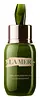
This calming serum is formulated around Laminaria Ochroleuca Extract and Linoleic Acid to calm redness and strengthen the skin barrier.
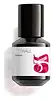
This smoothing serum is formulated around Salicylic Acid and Lactic Acid to refine skin texture and refine the look of pores.


What's inside
What's inside
 Key Ingredients
Benefits
Concerns
Ingredients Side-by-side
Cyclopentasiloxane
Emollient
Algae Extract
Emollient

Glycerin
Humectant


Dimethicone
Emollient
Polysilicone-11

Isononyl Isononanoate
EmollientDimethicone/PEG-10/15 Crosspolymer
Cyclohexasiloxane
Emollient
Sesamum Indicum Seed Oil
Emollient


Medicago Sativa Seed Powder
Skin ConditioningHelianthus Annuus Seedcake
Abrasive
Prunus Amygdalus Dulcis Seed Meal
Abrasive
Eucalyptus Globulus Leaf Oil
Perfuming



Sodium Gluconate
ChelatingCopper Gluconate
Skin Conditioning
Calcium Gluconate
HumectantMagnesium Gluconate
Skin ConditioningZinc Gluconate
Skin Conditioning


Tocopheryl Succinate
Antioxidant
Niacin
SmoothingSesamum Indicum Seed Powder
Skin ConditioningWater
Skin ConditioningDimethicone Crosspolymer
Emulsion Stabilising
Laminaria Ochroleuca Extract
Skin Conditioning

Triticum Vulgare Flour Lipids
Skin ConditioningCitrus Aurantifolia Peel Extract
Cleansing
Crithmum Maritimum Extract
Skin ConditioningAlteromonas Ferment Extract
Skin Conditioning
Chlorella Vulgaris Extract
Skin ConditioningFaex Extract
Skin ConditioningCholesterol
Emollient
Linoleic Acid
Cleansing
Tocopherol
Antioxidant


Tetraacetylphytosphingosine
Skin ConditioningCaprylic/Capric Triglyceride
Masking
Rosmarinus Officinalis Leaf Oil
Masking
Ocimum Basilicum Oil
Masking
Lavandula Angustifolia Oil
Masking
Lavandula Hybrida Oil
Emollient
Dipropylene Glycol
HumectantAlcohol Denat.
Antimicrobial

Sodium Citrate
BufferingParfum
Masking
Eugenol
Perfuming
Limonene
Perfuming
Linalool
Perfuming
BHT
Antioxidant
Phenoxyethanol
Preservative
Potassium Sorbate
Preservative
Cyclopentasiloxane, Algae Extract, Glycerin, Dimethicone, Polysilicone-11, Isononyl Isononanoate, Dimethicone/PEG-10/15 Crosspolymer, Cyclohexasiloxane, Sesamum Indicum Seed Oil, Medicago Sativa Seed Powder, Helianthus Annuus Seedcake, Prunus Amygdalus Dulcis Seed Meal, Eucalyptus Globulus Leaf Oil, Sodium Gluconate, Copper Gluconate, Calcium Gluconate, Magnesium Gluconate, Zinc Gluconate, Tocopheryl Succinate, Niacin, Sesamum Indicum Seed Powder, Water, Dimethicone Crosspolymer, Laminaria Ochroleuca Extract, Triticum Vulgare Flour Lipids, Citrus Aurantifolia Peel Extract, Crithmum Maritimum Extract, Alteromonas Ferment Extract, Chlorella Vulgaris Extract, Faex Extract, Cholesterol, Linoleic Acid, Tocopherol, Tetraacetylphytosphingosine, Caprylic/Capric Triglyceride, Rosmarinus Officinalis Leaf Oil, Ocimum Basilicum Oil, Lavandula Angustifolia Oil, Lavandula Hybrida Oil, Dipropylene Glycol, Alcohol Denat., Sodium Citrate, Parfum, Eugenol, Limonene, Linalool, BHT, Phenoxyethanol, Potassium Sorbate
Water
Skin ConditioningEthoxydiglycol
HumectantVaccinium Myrtillus Fruit Extract
Skin ConditioningDimethyl Isosorbide
SolventSalicylic Acid
Masking

Lactic Acid
Buffering
Saccharum Officinarum Extract
MoisturisingGlycerin
Humectant
Citrus Aurantium Dulcis Fruit Extract
MaskingCitrus Limon Fruit Extract
Masking
Sodium Levulinate
Skin ConditioningAcer Saccharum Extract
Skin ConditioningDiutan Gum
Melaleuca Alternifolia Leaf
Abrasive
Sodium Anisate
AntimicrobialMentha Australis Leaf Extract
Skin ConditioningButylene Glycol
Humectant
Santalum Spicatum Seed Oil
Skin Conditioning
Citrus Aurantium Dulcis Oil
Masking
Citrus Aurantium Bergamia Leaf Oil
Astringent
Juniperus Mexicana Oil
Masking
Pelargonium Graveolens Oil
Masking
Citrus Aurantium Amara Flower Oil
Masking
Eugenia Caryophyllus Leaf Oil
Masking
Citrus Aurantium Bergamia Fruit Oil
Masking
Citrus Grandis Peel Oil
Masking
Citrus Limon Peel Oil
Masking
Litsea Cubeba Fruit Oil
Masking
Pentylene Glycol
Skin Conditioning
Magnesium Aspartate
Skin ConditioningZinc Gluconate
Skin Conditioning
Citrus Australasica Fruit Extract
Antioxidant
Sodium Benzoate
Masking
Citric Acid
Buffering
Copper Gluconate
Skin Conditioning
Potassium Sorbate
Preservative
Glycine
Buffering
Serine
Masking
Glutamic Acid
Humectant
Aspartic Acid
Masking
Leucine
Skin ConditioningAlanine
Masking
Lysine
Skin ConditioningArginine
Masking
Tyrosine
MaskingPhenylalanine
Masking
Proline
Skin Conditioning
Threonine
Valine
MaskingIsoleucine
Skin ConditioningHistidine
Humectant
Limonene
Perfuming
Citral
Perfuming
Linalool
Perfuming
Citronellol
Perfuming
Water, Ethoxydiglycol, Vaccinium Myrtillus Fruit Extract, Dimethyl Isosorbide, Salicylic Acid, Lactic Acid, Saccharum Officinarum Extract, Glycerin, Citrus Aurantium Dulcis Fruit Extract, Citrus Limon Fruit Extract, Sodium Levulinate, Acer Saccharum Extract, Diutan Gum, Melaleuca Alternifolia Leaf, Sodium Anisate, Mentha Australis Leaf Extract, Butylene Glycol, Santalum Spicatum Seed Oil, Citrus Aurantium Dulcis Oil, Citrus Aurantium Bergamia Leaf Oil, Juniperus Mexicana Oil, Pelargonium Graveolens Oil, Citrus Aurantium Amara Flower Oil, Eugenia Caryophyllus Leaf Oil, Citrus Aurantium Bergamia Fruit Oil, Citrus Grandis Peel Oil, Citrus Limon Peel Oil, Litsea Cubeba Fruit Oil, Pentylene Glycol, Magnesium Aspartate, Zinc Gluconate, Citrus Australasica Fruit Extract, Sodium Benzoate, Citric Acid, Copper Gluconate, Potassium Sorbate, Glycine, Serine, Glutamic Acid, Aspartic Acid, Leucine, Alanine, Lysine, Arginine, Tyrosine, Phenylalanine, Proline, Threonine, Valine, Isoleucine, Histidine, Limonene, Citral, Linalool, Citronellol
Reviews
Ingredients Explained
These ingredients are found in both products.
Ingredients higher up in an ingredient list are typically present in a larger amount.
This ingredient is a copper salt known for its wound healing properties.
Our bodies use copper to help stabilize our skin's collagen and elastin. Its also an essential for superoxide dismutase, an enzyme with strong antioxidant properties.
Copper has wound healing properties due to its role in creating new blood vessels and tissue repair.
Learn more about Copper GluconateGlycerin (or glycerol) is a compound naturally found in your skin. It's a powerhouse humectant that pulls water into the stratum corneum.
Topically, glycerin does several things at once:
Your skin makes glycerin on its own (mostly from sebaceous oil breakdown) and shuttles it to your outermost layer of skin, or your epidermis, via aquaporin-3.
Aquaporin-3 is a transporter that is essential for normal skin hydration, elasticity, and repair. Interestingly, mice lacking in AQP3 have dry and less elastic skin that can be fully corrected with glycerin.
This ingredient is non-irritating, plays well with almost every ingredient, and works across all skin types. Typical use is anywhere between 3-10% but can go up to 79% in some leave-on products.
Just know very high concentrations (>40%) can feel tacky in low humidity.
Glycerin is the name for this ingredient in American English. British English uses Glycerol/Glycerine.
Learn more about GlycerinLimonene is the compound that gives citrus peel its smell.
In skincare, it shows up as a standalone fragrance ingredient or as a natural compound of citrus and other essential oils.
You'll typically see this ingredient used in very small amounts; anything above 0.001% in a leave-on product or 0.01% in a rinse-off has to be named on the label in the EU. The citrus oils that carry it sit around 0.5-1% in a finished formula.
Fresh limonene is a weak allergen; the real issue is that it slowly reacts with air and then breaks down from oxidation to create hydroperoxides (which are strong sensitizers). This is why suppliers are required to keep the peroxide value below 20 mmol.
Positive reactions in people being investigated for eczema vary:
It's worth skipping if you have a known fragrance allergy or a compromised barrier, but the risk is low for most people.
Older or long-opened products are also more likely to bother you than fresh ones due to oxidation.
Learn more about LimoneneLinalool is a small, naturally occurring scent molecule found in plants like lavender, coriander, bergamot, and more.
It is one of the two most-used fragrance ingredients in cosmetics and added purely for smell. Since it's not used for a skin benefit, there's no "effective dose". Concentration depends on the fragrance load of the product.
The EU requires it to be named on the label above 0.001% in leave-on and 0.01% in rinse-off products.
Fresh linalool is a weak sensitizer but air exposure turns some of it into hydroperoxides, which are strong sensitizers. Those oxidation products are the actual allergy concern.
Patch-test clinics see positive reactions to linalool hydroperoxides in about 4% to 12% of dermatitis patients depending on country and test concentration.
Resassuringly, one analytical study found hydroperoxide levels in real fragranced products to be orders of magnitude below what induced sensitization in animal studies with no evidence of oxidation building up during normal storage.
The practical takeaway is that linalool is fine for most people but worth avoiding if you have a confirmed fragrance contact allergy or a badly compromised barrier.
Products stored a long time after opening are also the high-risk scenario since that is when oxidation happens.
The scent of linalool is described as floral, spicy tropical, and citrus-like.
Learn more about LinaloolPotassium Sorbate is a preservative used to prevent yeast and mold in products. It is commonly found in both cosmetic and food products.
This ingredient comes from potassium salt derived from sorbic acid. Sorbic acid is a natural antibiotic and effective against fungus.
Both potassium sorbate and sorbic acid can be found in baked goods, cheeses, dried meats, dried fruit, ice cream, pickles, wine, yogurt, and more.
You'll often find this ingredient used with other preservatives.
Learn more about Potassium SorbateWater. It's the most common cosmetic ingredient of all. You'll usually see it at the top of ingredient lists, meaning that it makes up the largest part of the product.
So why is it so popular? Water most often acts as a solvent - this means that it helps dissolve other ingredients into the formulation.
You'll also recognize water as that liquid we all need to stay alive. If you see this, drink a glass of water. Remember to stay hydrated!
Learn more about WaterZinc gluconate has antibacterial and wound healing properties. It is particularly effective against fighting inflammatory acne.
This ingredient is the zinc salt of the PHA gluconic acid. PHAs are gentle cousins to AHAs.


