
What's inside
What's inside
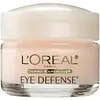 Key Ingredients
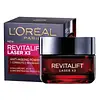
Benefits
Concerns
Ingredients Side-by-side
Water
Skin ConditioningGlycerin
Humectant



Simmondsia Chinensis Seed Oil
Emollient

Propanediol
Solvent
Pentaerythrityl Tetraethylhexanoate
Emollient
Polyglyceryl-2 Stearate
Emulsifying
Phenoxyethanol
Preservative
Carbomer
Emulsion StabilisingCaffeine
Skin Conditioning

Myristyl Alcohol
Emollient
Bisabolol
Masking

Methylparaben
Preservative


Sodium Hydroxide
BufferingXanthan Gum
EmulsifyingMica
Cosmetic Colorant
Ethylparaben
Preservative
Disodium EDTA
Avena Sativa Kernel Extract
Abrasive

Citric Acid
Buffering




CI 77891
Cosmetic ColorantFarnesol
Perfuming


Sodium Hyaluronate
Humectant
CI 16035
Cosmetic ColorantWater, Glycerin, Simmondsia Chinensis Seed Oil, Propanediol, Pentaerythrityl Tetraethylhexanoate, Polyglyceryl-2 Stearate, Phenoxyethanol, Carbomer, Caffeine, Myristyl Alcohol, Bisabolol, Methylparaben, Sodium Hydroxide, Xanthan Gum, Mica, Ethylparaben, Disodium EDTA, Avena Sativa Kernel Extract, Citric Acid, CI 77891, Farnesol, Sodium Hyaluronate, CI 16035
Water
Skin ConditioningGlycerin
Humectant
Isohexadecane
EmollientHydroxypropyl Tetrahydropyrantriol
Skin ConditioningDimethicone
Emollient
Isopropyl Isostearate
Emollient

Aluminum Starch Octenylsuccinate
Absorbent
Propylene Glycol
Humectant
Nylon-12
Octyldodecanol
Emollient
Cetyl Alcohol
Emollient
Behenyl Alcohol
Emollient
Ammonium Polyacryloyldimethyl Taurate
Emulsion StabilisingC13-14 Isoparaffin
Emollient
PEG-100 Stearate
Stearic Acid
Cleansing
Stearyl Alcohol
Emollient
Triethanolamine
BufferingCetearyl Alcohol
Emollient
Cetearyl Glucoside
EmulsifyingMyristic Acid
Cleansing
Myristyl Alcohol
Emollient
Palmitic Acid
Emollient
Adenosine
Skin Conditioning
Disodium EDTA
Disodium Stearoyl Glutamate
CleansingHydrolyzed Hyaluronic Acid
Humectant
Capryloyl Salicylic Acid
Exfoliating
Laureth-7
EmulsifyingT-Butyl Alcohol
Perfuming

Polyacrylamide
Polyethylene
Abrasive
Methylparaben
Preservative
Phenoxyethanol
Preservative
CI 15985
Cosmetic ColorantCI 19140
Cosmetic ColorantLinalool
Perfuming
Isoeugenol
Perfuming
Limonene
Perfuming
Citronellol
Perfuming
Benzyl Alcohol
Perfuming
Parfum
Masking
Water, Glycerin, Isohexadecane, Hydroxypropyl Tetrahydropyrantriol, Dimethicone, Isopropyl Isostearate, Aluminum Starch Octenylsuccinate, Propylene Glycol, Nylon-12, Octyldodecanol, Cetyl Alcohol, Behenyl Alcohol, Ammonium Polyacryloyldimethyl Taurate, C13-14 Isoparaffin, PEG-100 Stearate, Stearic Acid, Stearyl Alcohol, Triethanolamine, Cetearyl Alcohol, Cetearyl Glucoside, Myristic Acid, Myristyl Alcohol, Palmitic Acid, Adenosine, Disodium EDTA, Disodium Stearoyl Glutamate, Hydrolyzed Hyaluronic Acid, Capryloyl Salicylic Acid, Laureth-7, T-Butyl Alcohol, Polyacrylamide, Polyethylene, Methylparaben, Phenoxyethanol, CI 15985, CI 19140, Linalool, Isoeugenol, Limonene, Citronellol, Benzyl Alcohol, Parfum
Ingredients Explained
These ingredients are found in both products.
Ingredients higher up in an ingredient list are typically present in a larger amount.
Disodium EDTA plays a role in making products more stable by aiding other preservatives.
It is a chelating agent, meaning it neutralizes metal ions that may be found in a product.
Disodium EDTA is a salt of edetic acid and is found to be safe in cosmetic ingredients.
Learn more about Disodium EDTAGlycerin is already naturally found in your skin. It helps moisturize and protect your skin.
A study from 2016 found glycerin to be more effective as a humectant than AHAs and hyaluronic acid.
As a humectant, it helps the skin stay hydrated by pulling moisture to your skin. The low molecular weight of glycerin allows it to pull moisture into the deeper layers of your skin.
Hydrated skin improves your skin barrier; Your skin barrier helps protect against irritants and bacteria.
Glycerin has also been found to have antimicrobial and antiviral properties. Due to these properties, glycerin is often used in wound and burn treatments.
In cosmetics, glycerin is usually derived from plants such as soybean or palm. However, it can also be sourced from animals, such as tallow or animal fat.
This ingredient is organic, colorless, odorless, and non-toxic.
Glycerin is the name for this ingredient in American English. British English uses Glycerol/Glycerine.
Learn more about GlycerinMethylparaben is a preservative and is a paraben. It is used to prevent the growth of fungus, mold, and other harmful bacteria. Parabens are chemicals used as preservatives in both cosmetics and food.
Methylparaben can be synthetically created. It can also be found naturally in some fruits, such as blueberries.
Oftentimes, Methylparaben is combined with other parabens to help increase the shelf life.
The safety of Methylparaben is currently being studied. While ongoing studies are looking into the safety of parabens, the results have been very mixed. Some studies have not found Methylparaben to be harmful.
Learn more about MethylparabenMyristyl Alcohol is type of fatty alcohol. It is a white, waxy solid and insoluble in water.
As an emollient, it hydrates the skin by trapping moisture in.
Fatty Alcohols are most often used as an emollient or to thicken a product. They are usually derived from natural fats and oils and therefore do not have the same drying or irritating effect as solvent alcohols.
Learn more about Myristyl AlcoholPhenoxyethanol is a preservative that has germicide, antimicrobial, and aromatic properties. Studies show that phenoxyethanol can prevent microbial growth. By itself, it has a scent that is similar to that of a rose.
It's often used in formulations along with Caprylyl Glycol to preserve the shelf life of products.
Water. It's the most common cosmetic ingredient of all. You'll usually see it at the top of ingredient lists, meaning that it makes up the largest part of the product.
So why is it so popular? Water most often acts as a solvent - this means that it helps dissolve other ingredients into the formulation.
You'll also recognize water as that liquid we all need to stay alive. If you see this, drink a glass of water. Stay hydrated!
Learn more about Water
