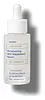
This barrier-repair day moisturizer is formulated around Bisabolol to strengthen the skin barrier and hydrate skin.
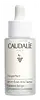
This brightening serum is formulated around Palmitoyl Grapevine Shoot Extract and Squalane to fade the look of dark spots and brighten dull-looking skin.


What's inside
What's inside
 Key Ingredients
Benefits
Concerns
Ingredients Side-by-side
Water
Skin ConditioningGlycerin
Humectant


Pentylene Glycol
Skin Conditioning
Propanediol
Solvent
Algin
MaskingAlpha-Glucan Oligosaccharide
Cleansing
Ammonium Acryloyldimethyltaurate/Vp Copolymer
Ascorbic Acid
Antioxidant





Bisabolol
Antioxidant

Caprylyl Glycol
Emollient
Chlorella Vulgaris Extract
Skin ConditioningDisodium Phosphate
BufferingEthylhexylglycerin
Skin ConditioningGlyceryl Acrylate/Acrylic Acid Copolymer
HumectantGlyceryl Polyacrylate
Helianthus Annuus Seed Oil
Emollient


Hydrolyzed Sodium Hyaluronate
Skin Conditioning
Hydroxyethylcellulose
Emulsion StabilisingLactic Acid
Buffering




Lactobacillus
Skin ConditioningLactobacillus/Arundinaria Gigantea Ferment Filtrate
Skin ConditioningLaminaria Digitata Extract
Skin Protecting
Leuconostoc/Radish Root Ferment Filtrate
Antimicrobial
Lonicera Caprifolium Flower Extract
Perfuming
Lonicera Japonica Flower Extract
Skin ConditioningMaltodextrin
Absorbent
Maris Aqua
HumectantMenthyl Lactate
Masking
Phenethyl Alcohol
MaskingPolyglyceryl-3 Diisostearate
Emulsifying
Polymnia Sonchifolia Root Juice
Skin ConditioningPotassium Phosphate
BufferingPullulan
Saccharide Isomerate
Humectant
Salvia Hispanica Seed Oil
Emollient
Serine
Masking
Sodium Carboxymethyl Beta-Glucan
CleansingSodium Hyaluronate
Humectant
Sodium Polyacrylate
Absorbent
Tetrasodium Glutamate Diacetate
ChelatingTocopherol
Antioxidant
Trehalose
Humectant
Urea
Buffering
Yogurt
Skin ProtectingYogurt Powder
Zingiber Officinale Root Extract
Masking
Benzyl Alcohol
Perfuming



Phenoxyethanol
Preservative
Parfum
Masking
Water, Glycerin, Pentylene Glycol, Propanediol, Algin, Alpha-Glucan Oligosaccharide, Ammonium Acryloyldimethyltaurate/Vp Copolymer, Ascorbic Acid, Bisabolol, Caprylyl Glycol, Chlorella Vulgaris Extract, Disodium Phosphate, Ethylhexylglycerin, Glyceryl Acrylate/Acrylic Acid Copolymer, Glyceryl Polyacrylate, Helianthus Annuus Seed Oil, Hydrolyzed Sodium Hyaluronate, Hydroxyethylcellulose, Lactic Acid, Lactobacillus, Lactobacillus/Arundinaria Gigantea Ferment Filtrate, Laminaria Digitata Extract, Leuconostoc/Radish Root Ferment Filtrate, Lonicera Caprifolium Flower Extract, Lonicera Japonica Flower Extract, Maltodextrin, Maris Aqua, Menthyl Lactate, Phenethyl Alcohol, Polyglyceryl-3 Diisostearate, Polymnia Sonchifolia Root Juice, Potassium Phosphate, Pullulan, Saccharide Isomerate, Salvia Hispanica Seed Oil, Serine, Sodium Carboxymethyl Beta-Glucan, Sodium Hyaluronate, Sodium Polyacrylate, Tetrasodium Glutamate Diacetate, Tocopherol, Trehalose, Urea, Yogurt, Yogurt Powder, Zingiber Officinale Root Extract, Benzyl Alcohol, Phenoxyethanol, Parfum
Water
Skin ConditioningButylene Glycol
Humectant
Glycerin
Humectant
Coco-Caprylate/Caprate
Emollient
Squalane
Emollient
Palmitoyl Grapevine Shoot Extract
Antioxidant
Polyglyceryl-3 Distearate
Emulsifying
Bisabolol
Antioxidant
Glyceryl Stearate
Emollient
Xanthan Gum
EmulsifyingCaprylyl Glycol
Emollient
Microcrystalline Cellulose
AbsorbentPolyacrylate Crosspolymer-6
Emulsion StabilisingPotassium Sorbate
Preservative
Glyceryl Stearate Citrate
Emollient
Citric Acid
Buffering
Sodium Phytate
ChelatingSodium Hydroxide
BufferingParfum
Masking
Water, Butylene Glycol, Glycerin, Coco-Caprylate/Caprate, Squalane, Palmitoyl Grapevine Shoot Extract, Polyglyceryl-3 Distearate, Bisabolol, Glyceryl Stearate, Xanthan Gum, Caprylyl Glycol, Microcrystalline Cellulose, Polyacrylate Crosspolymer-6, Potassium Sorbate, Glyceryl Stearate Citrate, Citric Acid, Sodium Phytate, Sodium Hydroxide, Parfum
Reviews
Ingredients Explained
These ingredients are found in both products.
Ingredients higher up in an ingredient list are typically present in a larger amount.
Bisabolol is a gentle skin conditioner, antioxidant, and soothing ingredient.
It's primary claim to fame is soothing and research shows topically applied bisabolol can quiet the chemical messengers that cause your skin to become inflamed, helping to sooth any irritation.
A clinical study found that applying 0.5% bisabolol daily for 8 weeks produced an average 9% decrease in skin pigmentation. Researchers found it can also suppress the process that leads to excess melanin production in skin.
In vitro studies found that bisabolol combined with propylene glycol significantly increased skin permeability by increasing lipid fluidity in the stratum corneum.
You'll likely see use concentrations quite low, usually 0.1-0.2%.
Overall, this is a well-tolerated ingredient that works well in formulas designed for sensitive, reactive, or post-procedure skin.
Learn more about BisabololCaprylyl Glycol is a humectant, skin conditioner, emollient, and preservative booster derived from either caprylic acid or synthetically created.
Typical use levels vary from 0.3-1% as a preservative booster and go up to 2% to condition skin.
Because it is not a free-fatty acid, this ingredient is fungal acne safe (there's nothing for Malassezia to feed on).
Learn more about Caprylyl GlycolGlycerin (or glycerol) is a compound naturally found in your skin. It's a powerhouse humectant that pulls water into the stratum corneum.
Topically, glycerin does several things at once:
Your skin makes glycerin on its own (mostly from sebaceous oil breakdown) and shuttles it to your outermost layer of skin, or your epidermis, via aquaporin-3.
Aquaporin-3 is a transporter that is essential for normal skin hydration, elasticity, and repair. Interestingly, mice lacking in AQP3 have dry and less elastic skin that can be fully corrected with glycerin.
This ingredient is non-irritating, plays well with almost every ingredient, and works across all skin types. Typical use is anywhere between 3-10% but can go up to 79% in some leave-on products.
Just know very high concentrations (>40%) can feel tacky in low humidity.
Glycerin is the name for this ingredient in American English. British English uses Glycerol/Glycerine.
Learn more about GlycerinParfum is a catch-all term for an ingredient or more that is used to give a scent to products.
Also called "fragrance", this ingredient can be a blend of hundreds of chemicals or plant oils. This means every product with "fragrance" or "parfum" in the ingredients list is a different mixture.
For instance, Habanolide is a proprietary trade name for a specific aroma chemical. When used as a fragrance ingredient in cosmetics, most aroma chemicals fall under the broad labeling category of “FRAGRANCE” or “PARFUM” according to EU and US regulations.
The term 'parfum' or 'fragrance' is not regulated in many countries. In many cases, it is up to the brand to define this term.
For instance, many brands choose to label themselves as "fragrance-free" because they are not using synthetic fragrances. However, their products may still contain ingredients such as essential oils that are considered a fragrance by INCI standards.
One example is Calendula flower extract. Calendula is an essential oil that still imparts a scent or 'fragrance'.
Depending on the blend, the ingredients in the mixture can cause allergies and sensitivities on the skin. Some ingredients that are known EU allergens include linalool and citronellol.
Parfum can also be used to mask or cover an unpleasant scent.
The bottom line is: not all fragrances/parfum/ingredients are created equally. If you are worried about fragrances, we recommend taking a closer look at an ingredient. And of course, we always recommend speaking with a professional.
Learn more about ParfumWater. It's the most common cosmetic ingredient of all. You'll usually see it at the top of ingredient lists, meaning that it makes up the largest part of the product.
So why is it so popular? Water most often acts as a solvent - this means that it helps dissolve other ingredients into the formulation.
You'll also recognize water as that liquid we all need to stay alive. If you see this, drink a glass of water. Remember to stay hydrated!
Learn more about Water

