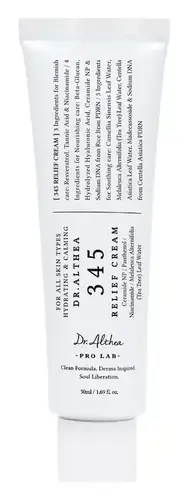
This calming moisturizer is formulated around Aloe Barbadensis Leaf Juice and Lactobacillus Ferment to calm redness and hydrate skin.
This anti-aging moisturizer is formulated around Camellia Sinensis Leaf Extract and Aloe Barbadensis Leaf Juice to soften the look of wrinkles and hydrate skin.


What's inside
What's inside
 Key Ingredients
Benefits
Concerns
Ingredients Side-by-side
Aloe Barbadensis Leaf Juice
Skin Conditioning


Glycerin
Humectant

Helianthus Annuus Seed Oil
Emollient


Isoamyl Laurate
Emollient
Water
Skin ConditioningTriheptanoin
Skin ConditioningGlyceryl Stearate Citrate
Emollient
Chlamydomonas Reinhardtii Extract
HumectantCoco-Caprylate/Caprate
Emollient
Polyglyceryl-3 Stearate
Emulsifying
Lactobacillus Ferment
Skin Conditioning
Hydrogenated Lecithin
Emulsifying
Xylityl Sesquicaprylate
Antimicrobial
Lysolecithin
EmulsifyingSclerotium Gum
Emulsion StabilisingDilinoleic Acid/Butanediol Copolymer
Chlorophyllin-Copper Complex
Antioxidant
Lactobacillus
Skin ConditioningXanthan Gum
EmulsifyingPullulan
Potassium Sorbate
Preservative
Citric Acid
Buffering

Anhydroxylitol
Humectant
Lecithin
Emollient
Tocopherol
Antioxidant


Morinda Citrifolia Fruit Extract
Skin Conditioning
Cocos Nucifera Fruit Extract
Emollient

Pelargonium Graveolens Flower Oil
Masking



Camellia Sinensis Leaf Extract
Antimicrobial

Rhododendron Ferrugineum Extract
MaskingSilica
Abrasive
Castor Oil/Ipdi Copolymer
Ocimum Basilicum Oil
Masking
Rosa Centifolia Flower Oil
Masking
Alcohol
Antimicrobial

Citronellol
Perfuming
Geraniol
Perfuming
Aloe Barbadensis Leaf Juice, Glycerin, Helianthus Annuus Seed Oil, Isoamyl Laurate, Water, Triheptanoin, Glyceryl Stearate Citrate, Chlamydomonas Reinhardtii Extract, Coco-Caprylate/Caprate, Polyglyceryl-3 Stearate, Lactobacillus Ferment, Hydrogenated Lecithin, Xylityl Sesquicaprylate, Lysolecithin, Sclerotium Gum, Dilinoleic Acid/Butanediol Copolymer, Chlorophyllin-Copper Complex, Lactobacillus, Xanthan Gum, Pullulan, Potassium Sorbate, Citric Acid, Anhydroxylitol, Lecithin, Tocopherol, Morinda Citrifolia Fruit Extract, Cocos Nucifera Fruit Extract, Pelargonium Graveolens Flower Oil, Camellia Sinensis Leaf Extract, Rhododendron Ferrugineum Extract, Silica, Castor Oil/Ipdi Copolymer, Ocimum Basilicum Oil, Rosa Centifolia Flower Oil, Alcohol, Citronellol, Geraniol
Camellia Sinensis Leaf Extract
Antimicrobial
Aloe Barbadensis Leaf Juice
Skin Conditioning
Glycerin
Humectant
Hydrogenated Vegetable Oil
Emollient
Mangifera Indica Seed Butter
Skin Conditioning
Hydrogenated Ethylhexyl Olivate
EmollientCetearyl Olivate
Sorbitan Olivate
Emulsifying
Silybum Marianum Ethyl Ester
Skin ConditioningTerminalia Chebula Fruit Extract
Skin ConditioningSodium Hyaluronate
Humectant
Calendula Officinalis Flower Extract
Masking
Rosa Rubiginosa Seed Oil
Emollient
Rubus Idaeus Seed Oil
Emollient
Hippophae Rhamnoides Seed Oil
Skin Protecting
Sclerocarya Birrea Seed Oil
Humectant
Lactobacillus/Acerola Cherry Ferment
Skin ProtectingHydrolyzed Viola Tricolor Extract
Skin ProtectingPersea Gratissima Oil
Skin Conditioning
Simmondsia Chinensis Seed Oil
Emollient
Lecithin
Emollient
Caprylic/Capric Triglyceride
Masking
Carthamus Tinctorius Seed Oil
Masking
Eclipta Prostrata Extract
Skin Conditioning
Melia Azadirachta Leaf Extract
Skin ConditioningMoringa Oleifera Seed Oil
Emollient
Populus Tremuloides Bark Extract
AntiseborrhoeicJuniperus Virginiana Oil
Masking
Cananga Odorata Flower Oil
Masking
Cedrus Atlantica Wood Oil
Perfuming
Amyris Balsamifera Bark Oil
Masking
Juniperus Mexicana Oil
Masking
Lavandula Angustifolia Oil
Masking
Tocopherol
Antioxidant
Hydrogenated Olive Oil Unsaponifiables
Emollient
Leuconostoc/Radish Root Ferment Filtrate
Antimicrobial
Xanthan Gum
EmulsifyingSodium Phytate
ChelatingPhenethyl Alcohol
MaskingEthylhexylglycerin
Skin ConditioningCitric Acid
Buffering
Water
Skin ConditioningCaprylyl Glycol
Emollient
1,2-Hexanediol
Skin Conditioning
Limonene
Perfuming
Linalool
Perfuming
Camellia Sinensis Leaf Extract, Aloe Barbadensis Leaf Juice, Glycerin, Hydrogenated Vegetable Oil, Mangifera Indica Seed Butter, Hydrogenated Ethylhexyl Olivate, Cetearyl Olivate, Sorbitan Olivate, Silybum Marianum Ethyl Ester, Terminalia Chebula Fruit Extract, Sodium Hyaluronate, Calendula Officinalis Flower Extract, Rosa Rubiginosa Seed Oil, Rubus Idaeus Seed Oil, Hippophae Rhamnoides Seed Oil, Sclerocarya Birrea Seed Oil, Lactobacillus/Acerola Cherry Ferment, Hydrolyzed Viola Tricolor Extract, Persea Gratissima Oil, Simmondsia Chinensis Seed Oil, Lecithin, Caprylic/Capric Triglyceride, Carthamus Tinctorius Seed Oil, Eclipta Prostrata Extract, Melia Azadirachta Leaf Extract, Moringa Oleifera Seed Oil, Populus Tremuloides Bark Extract, Juniperus Virginiana Oil, Cananga Odorata Flower Oil, Cedrus Atlantica Wood Oil, Amyris Balsamifera Bark Oil, Juniperus Mexicana Oil, Lavandula Angustifolia Oil, Tocopherol, Hydrogenated Olive Oil Unsaponifiables, Leuconostoc/Radish Root Ferment Filtrate, Xanthan Gum, Sodium Phytate, Phenethyl Alcohol, Ethylhexylglycerin, Citric Acid, Water, Caprylyl Glycol, 1,2-Hexanediol, Limonene, Linalool
Reviews
Ingredients Explained
These ingredients are found in both products.
Ingredients higher up in an ingredient list are typically present in a larger amount.
Aloe Barbadensis Leaf Juice is the filtered, stabilized liquid pressed from the inner gel of the aloe vera leaf.
In cosmetics, it shows up as either soothing active or a water-replacement base. It is roughly 98-99% water and the last 1-2% is an interesting mix of polysaccharides, amino acids, vitamins, minerals, and enzymes.
The polysaccharides do most of the work: they bind water at the skin surface for a light, non-greasy hydration boost. And one of the polysaccharides, glycomannan, is linked to fibroblast stimulation + collagen synthesis. This is also why aloe has such a long track record in wound and burn healing.
This ingredient is also calming with anti-inflammatory and mild antimicrobial activity, making it a great pick for sensitive, irritated, or post-sun skin.
Realistic expectations matter though; the solid evidence is mostly limited to hydration, soothing, and wound support. Deeper claims about anti-aging or sun protection are not well backed, and science reviews note it does not prevent radiation-induced skin injury.
Because it plays well with almost everything, it's commonly used as a base alongside other actives like niacinamide or vitamin C.
Typical usage concentrations range from 0.5% (where hydration benefits already show up) all the way to 90%+ (where it replaces water as the main base).
The safety for this ingredient is well-establish as well. Overall, this is a great supporting ingredient for those who want a boost in hydration.
Learn more about Aloe Barbadensis Leaf JuiceCamellia Sinensis Leaf Extract (tea extract) is one of the most well-researched plant extracts in skincare with an impressive resume.
Black tea, green tea, and oolong tea are all harvested from the Camellia Sinensis plant.
Studies show green tea extract and its catechins (like epigallocatechin gallate (EGCG)) help your skin cells product energy more efficiently and reducing the number of free-radicals that can damage your skin from the inside.
In lab-grown skin models, this translated to younger, healthier, and stronger skin.
There's also good sun protection data; researchers saw less DNA damage and redness on human skin when green tea was applied before UVB exposure. And the more they applied, the better the protection.
Needless to say, this ingredient shouldn't replace your sunscreen. But it is a great supportive ingredient that you can already find in many sunscreens and antioxidant serums.
A 2009 study found a 2% green tea lotion was effective for mild-to-moderate acne thanks to its anti-inflammatory and mild antimicrobial activity.
The quality of the extract matters a lot here:
Good extracts contain 50-90% catechins while lower quality ones are mostly there for marketing. We recommend reaching out to the brand if you have questions about the quality or source of their ingredients.
Human Repeated Insult Patch Testing showed no irritation or sensitization at use concentrations (0.86% in leave-on products and up to 30% as leaf water).
Learn more about Camellia Sinensis Leaf ExtractCitric Acid is an alpha hydroxy acid (AHA) naturally found in citrus fruits like oranges, lemons, and limes.
Like other AHAs, citric acid can exfoliate skin by breaking down the bonds that hold dead skin cells together. This helps reveal smoother and brighter skin underneath.
However, this exfoliating effect only happens at high concentrations (20%) which can be hard to find in cosmetic products.
Due to this, citric acid is usually included in small amounts as a pH adjuster. This helps keep products slightly more acidic and compatible with skin's natural pH.
In skincare formulas, citric acid can:
While it can provide some skin benefits, research shows lactic acid and glycolic acid are generally more effective and less irritating exfoliants.
Most citric acid used in skincare today is made by fermenting sugars (usually from molasses). This synthetic version is identical to the natural citrus form but easier to stabilize and use in formulations.
Rosacea skin has a lower threshold for acids generally, with 62.5% of rosacea subjects in one study reacting to lactic acid in a sting test. This is why we mark citric acid as a potential rosacea trigger.
However, this ingredient shows up as a pH adjuster or chelator at roughly 0.1-1% in many products. These low levels are unlikely to be an issue for rosacea skin and becomes a potential trigger at exfoliating concentrations (20%). Because everybody's skin is unique, we recommend a patch test if you are unsure.
Learn more about Citric AcidGlycerin (or glycerol) is a compound naturally found in your skin. It's a powerhouse humectant that pulls water into the stratum corneum.
Topically, glycerin does several things at once:
Your skin makes glycerin on its own (mostly from sebaceous oil breakdown) and shuttles it to your outermost layer of skin, or your epidermis, via aquaporin-3.
Aquaporin-3 is a transporter that is essential for normal skin hydration, elasticity, and repair. Interestingly, mice lacking in AQP3 have dry and less elastic skin that can be fully corrected with glycerin.
This ingredient is non-irritating, plays well with almost every ingredient, and works across all skin types. Typical use is anywhere between 3-10% but can go up to 79% in some leave-on products.
Just know very high concentrations (>40%) can feel tacky in low humidity.
Glycerin is the name for this ingredient in American English. British English uses Glycerol/Glycerine.
Learn more about GlycerinLecithin is a term for a group of substances found in the cell membranes of plants, animals, and humans. They are made up of phospholipids.
Thanks to its amphiphilic structure (water-loving head and oil-loving tail), it is a true multitasker:
It plays well with most ingredients and is typically used at 0.1-1%. However, concentrations up to 50% have been reported in moisturizers.
Learn more about LecithinTocopherol is a fat-soluble antioxidant known as Vitamin E.
You'll find this ingredient in the vast majority of skincare (for good reason). It works to neutralize free radicals, or unstable molecules generated by UV exposure, pollution, and other environmental stressors, before they can cause oxidative damage to your skin cells.
Topically applied tocopherol has been shown to protect against UV damage by ramping up the skin's own natural defense enzymes.
It also acts as a skin conditioning agent; some studies show that regular topical use can improve the skin's water-binding capacity over 2-4 weeks.
This ingredient is especially loved for being a team player. When combined with Vitamin C, the photoprotective effect of both ingredients roughly doubles and the combo also helps reduce UV-induced DNA damage.
This ingredient has some brightening potential but it's more of a prevention ingredient than spot-fader. Cell studies show it can slow down melanin production but it's worth noting that it's not the most powerful brightener out there.
In formulations, it also serves as a stabilizer that helps protect other oxidation-prone ingredients from degrading.
Concentrations usually range from 0.1-1% in most leave-on products.
Learn more about TocopherolWater. It's the most common cosmetic ingredient of all. You'll usually see it at the top of ingredient lists, meaning that it makes up the largest part of the product.
So why is it so popular? Water most often acts as a solvent - this means that it helps dissolve other ingredients into the formulation.
You'll also recognize water as that liquid we all need to stay alive. If you see this, drink a glass of water. Remember to stay hydrated!
Learn more about WaterXanthan gum is used as a stabilizer and thickener within cosmetic products. It helps give products a sticky, thick feeling - preventing them from being too runny.
On the technical side of things, xanthan gum is a polysaccharide - a combination consisting of multiple sugar molecules bonded together.
Xanthan gum is a pretty common and great ingredient. It is a natural, non-toxic, non-irritating ingredient that is also commonly used in food products.
Learn more about Xanthan Gum