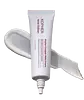
This brightening moisturizer is formulated around Chamomilla Recutita Flower Extract and Niacinamide to fade the look of dark spots and strengthen the skin barrier.
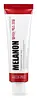
This brightening treatment is formulated around Niacinamide and Alpha-Arbutin to fade the look of dark spots and brighten dull-looking skin.

What's inside
What's inside
 Key Ingredients
Benefits
Concerns
Ingredients Side-by-side
Chamomilla Recutita Flower Extract
Masking


Lonicera Japonica Flower Extract
Skin ConditioningHydrogenated Polydecene
EmollientGlycerin
Humectant

Neopentyl Glycol Dicaprate
EmollientMethylpropanediol
SolventCetyl PEG/PPG-10/1 Dimethicone
Emulsifying
Niacinamide
Smoothing







Cyclopentasiloxane
Emollient
Dimethicone
Emollient
Trihydroxystearin
Skin Conditioning

Cyclohexasiloxane
Emollient
Butyrospermum Parkii Butter
Skin Conditioning


Sorbitan Sesquioleate
Emulsifying
Silica
Abrasive
Sodium Chloride
MaskingCentella Asiatica Extract
Cleansing
Polygonum Cuspidatum Root Extract
Antioxidant
Scutellaria Baicalensis Root Extract
Astringent
Camellia Sinensis Leaf Extract
Antimicrobial
Glycyrrhiza Glabra Root Extract
Bleaching
Rosmarinus Officinalis Leaf Extract
AntimicrobialCastanea Sativa Seed Extract
Skin ConditioningMorus Alba Leaf Extract
Skin ConditioningSh-Oligopeptide-1
Skin Conditioning
Sh-Oligopeptide-2
Skin Conditioning
Sh-Polypeptide-1
Skin Conditioning
Sh-Polypeptide-3
Skin Conditioning
Sh-Polypeptide-9
Skin Conditioning
Sh-Polypeptide-16
Skin Protecting
Sh-Polypeptide-62
Antioxidant
Sh-Polypeptide-11
Sh-Polypeptide-22
Skin Conditioning
Sh-Polypeptide-60
Skin Conditioning
Chamaecyparis Obtusa Water
MaskingTitanium Dioxide
Cosmetic Colorant

Triethoxycaprylylsilane
Aluminum Hydroxide
EmollientButylene Glycol
Humectant
1,2-Hexanediol
Skin Conditioning
Caprylyl Glycol
Emollient
Illicium Verum Fruit Extract
Perfuming
Adenosine
Skin Conditioning
Disodium EDTA
ChelatingLavandula Angustifolia Oil
Masking



Linalool
Perfuming
Chamomilla Recutita Flower Extract, Lonicera Japonica Flower Extract, Hydrogenated Polydecene, Glycerin, Neopentyl Glycol Dicaprate, Methylpropanediol, Cetyl PEG/PPG-10/1 Dimethicone, Niacinamide, Cyclopentasiloxane, Dimethicone, Trihydroxystearin, Cyclohexasiloxane, Butyrospermum Parkii Butter, Sorbitan Sesquioleate, Silica, Sodium Chloride, Centella Asiatica Extract, Polygonum Cuspidatum Root Extract, Scutellaria Baicalensis Root Extract, Camellia Sinensis Leaf Extract, Glycyrrhiza Glabra Root Extract, Rosmarinus Officinalis Leaf Extract, Castanea Sativa Seed Extract, Morus Alba Leaf Extract, Sh-Oligopeptide-1, Sh-Oligopeptide-2, Sh-Polypeptide-1, Sh-Polypeptide-3, Sh-Polypeptide-9, Sh-Polypeptide-16, Sh-Polypeptide-62, Sh-Polypeptide-11, Sh-Polypeptide-22, Sh-Polypeptide-60, Chamaecyparis Obtusa Water, Titanium Dioxide, Triethoxycaprylylsilane, Aluminum Hydroxide, Butylene Glycol, 1,2-Hexanediol, Caprylyl Glycol, Illicium Verum Fruit Extract, Adenosine, Disodium EDTA, Lavandula Angustifolia Oil, Linalool
Water
Skin ConditioningButyrospermum Parkii Butter
Skin Conditioning
Butylene Glycol
Humectant
Caprylic/Capric Triglyceride
Masking
Betaine
Humectant
Hydrogenated Polydecene
EmollientDimethicone
Emollient
Niacinamide
Smoothing
Polyglyceryl-3 Methylglucose Distearate
Emulsifying
Cetearyl Alcohol
Emollient
Glyceryl Stearate
Emollient
Beeswax
Emulsion Stabilising
Alpha-Arbutin
Antioxidant
Broussonetia Kazinoki Callus Culture Extract
Skin ConditioningMagnesium Ascorbyl Phosphate
Antioxidant
Glycyrrhiza Uralensis Extract
EmollientPEG-100 Stearate
Surfactant
Dimethicone/Vinyl Dimethicone Crosspolymer
Skin Conditioning
Sorbitan Stearate
Emulsifying
Sucrose Cocoate
Emulsifying
Cysteine
Antioxidant
Ascorbic Acid
Antioxidant
Carnitine
Cleansing
Tranexamic Acid
Astringent
Aletris Farinosa Root Extract
Antioxidant
Biota Orientalis Leaf Extract
HumectantZanthoxylum Schinifolium Leaf Extract
Skin ConditioningPolygonum Cuspidatum Root Extract
Antioxidant
Hamamelis Virginiana Extract
Antiseborrhoeic
Morus Alba Bark Extract
Skin ConditioningPhyllanthus Emblica Fruit Extract
HumectantTrichosanthes Kirilowii Root Extract
Skin ProtectingVitis Vinifera Seed Oil
Emollient
Simmondsia Chinensis Seed Oil
Emollient
Hydroxyacetophenone
Antioxidant
Ozokerite
Emulsion StabilisingTocopheryl Acetate
Antioxidant
Arginine
Masking
Ethylhexylglycerin
Skin ConditioningCarbomer
Emulsion StabilisingSodium Hyaluronate
Humectant
Sh-Oligopeptide-1
Skin Conditioning
Sh-Oligopeptide-2
Skin Conditioning
Sh-Polypeptide-1
Skin Conditioning
Sh-Polypeptide-3
Skin Conditioning
Sh-Polypeptide-16
Skin Protecting
Adenosine
Skin Conditioning
Xanthan Gum
EmulsifyingDisodium EDTA
ChelatingParfum
Masking
1,2-Hexanediol
Skin Conditioning
Glycerin
Humectant
Propanediol
Solvent
Water, Butyrospermum Parkii Butter, Butylene Glycol, Caprylic/Capric Triglyceride, Betaine, Hydrogenated Polydecene, Dimethicone, Niacinamide, Polyglyceryl-3 Methylglucose Distearate, Cetearyl Alcohol, Glyceryl Stearate, Beeswax, Alpha-Arbutin, Broussonetia Kazinoki Callus Culture Extract, Magnesium Ascorbyl Phosphate, Glycyrrhiza Uralensis Extract, PEG-100 Stearate, Dimethicone/Vinyl Dimethicone Crosspolymer, Sorbitan Stearate, Sucrose Cocoate, Cysteine, Ascorbic Acid, Carnitine, Tranexamic Acid, Aletris Farinosa Root Extract, Biota Orientalis Leaf Extract, Zanthoxylum Schinifolium Leaf Extract, Polygonum Cuspidatum Root Extract, Hamamelis Virginiana Extract, Morus Alba Bark Extract, Phyllanthus Emblica Fruit Extract, Trichosanthes Kirilowii Root Extract, Vitis Vinifera Seed Oil, Simmondsia Chinensis Seed Oil, Hydroxyacetophenone, Ozokerite, Tocopheryl Acetate, Arginine, Ethylhexylglycerin, Carbomer, Sodium Hyaluronate, Sh-Oligopeptide-1, Sh-Oligopeptide-2, Sh-Polypeptide-1, Sh-Polypeptide-3, Sh-Polypeptide-16, Adenosine, Xanthan Gum, Disodium EDTA, Parfum, 1,2-Hexanediol, Glycerin, Propanediol
Reviews
Ingredients Explained
These ingredients are found in both products.
Ingredients higher up in an ingredient list are typically present in a larger amount.
1,2-Hexanediol is a synthetic liquid and another multi-functional powerhouse.
It is a:
- Humectant, drawing moisture into the skin
- Emollient, helping to soften skin
- Solvent, dispersing and stabilizing formulas
- Preservative booster, enhancing the antimicrobial activity of other preservatives
Adenosine is a purine nucleoside that your body already makes in every cell. In skincare, it acts mainly as a skin conditioning and anti-aging agent.
The way it works is fairly well mapped out:
Your skin has cells called fibroblasts that build collagen (the stuff that keeps skin firm and smooth). Adenosine basically flips a switch on these cells that tells them to get to work making more collagen and other proteins. These cells slow down on their own as skin ages, so Adenosine helps give them a little nudge to keep going.
The clinical backing is pretty solid too.
A blind, randomized, placebo-controlled trial of 126 women aged 45-65 tested a 0.1% cream twice daily and found real improvements in crow's feet and frown lines using a precise 3D skin-mapping technique; these changes showed up by week 3 and held at 2 months.
A later study using Adenosine-loaded dissolving microneedle patches reported gains in wrinkle depth, dermal density, elasticity, and hydration.
On concentrations, South Korea's Ministry of Food and Drug Safety has set 0.04% as the approved functional anti-wrinkle level. You'll typically see this ingredient used somewhere in the 0.04-0.1% range since it works at low doses.
This ingredient has been found safe for cosmetics with the data showing no irritation or sensitization.
Overall, this is a great ingredient for any anti-aging routine and has no photosensitizing effect, so it suits both AM and PM use.
Learn more about AdenosineButylene Glycol (or BG) is used within cosmetic products for a few different reasons:
Overall, Butylene Glycol is a safe and well-rounded ingredient that works well with other ingredients.
Though this ingredient works well with most skin types, some people with sensitive skin may experience a reaction such as allergic rashes, closed comedones, or itchiness.
Learn more about Butylene GlycolThis ingredient is also known as shea butter. It is a plant-derived extract from the nuts of the Africa shea tree and one of the most well-studied emollients.
Because it has a high concentration of fatty acids (primarily oleic, stearic, and linoleic) it is able to form a protective barrier on the skin's surface. This helps seal in moisture and prevents transepidermal water loss (TEWL).
In vitro research found an increase in skin hydration by 58% and a decrease in TEWL by 37.8% after 24 hours of applying this ingredient (pretty impressive for a single ingredient!).
Besides hydration, shea butter also contains triterpenes that have anti-inflammatory potential. In particule, lupeol cinnamate has shown the highest anti-inflammatory activity in vivo.
Shea butter also contains vitamins A and E which may contribute to antioxidant activity.
While Shea Butter has an SPF rating of about 3-4, it is not a sunscreen replacement.
This ingredient may not be fungal acne safe because its fatty acids fall within the C11-C24 range that the Malassezia yeast can metabolize.
This ingredient shows up on a lot of "pore-clogging" lists but there's no real evidence behind that. It doesn't even have a comedogenic rating from an actual study; the numbers you'll find online come from blogs citing other blogs.
Ratings for other ingredients mostly come from a 1980s rabbit ear test. This test doesn't translate well to human skin or to real products because the ingredient sits at a much lower percentage.
Some people still find it breaks them out. So if that's you, definitely trust your skin. Just know this one's based on experience and not evidence.
Learn more about Butyrospermum Parkii ButterDimethicone is a type of synthetic silicone created from natural materials such as quartz. It is also known as polydimethylsiloxane.
What it does:
Dimethicone comes in different viscosities:
Depending on the viscosity, dimethicone has different properties.
Ingredients lists don't always show which type is used, so we recommend reaching out to the brand if you have questions about the viscosity.
This ingredient is unlikely to cause irritation because it does not get absorbed into skin. However, people with silicone allergies should be careful about using this ingredient.
Note: Dimethicone may contribute to pilling. This is because it is not oil or water soluble, so pilling may occur when layered with products. When mixed with heavy oils in a formula, the outcome is also quite greasy.
Learn more about DimethiconeDisodium EDTA is a chelating agent. It grabs onto and deactivates metal ions that sneak into your products from water, packaging, or air.
This ingredient mainly works behind the scenes and helps with:
On top of that, this ingredient can counteract the effects of hard water by binding to the minerals in it.
One thing worth knowing is that Disodium EDTA has been shown to be a mild penetration enhancer. It can help other ingredients absorb into skin more effectively which can be a double-edged sword (great for actives, but can also make the active too strong if you have sensitive skin).
Clinical patch testing showed no significant skin irritation at typical use concentrations and minimal dermal absorption.
You'll most likely see this ingredient near the end of an ingredient list. It's typically found in concentrations less than 1%.
Learn more about Disodium EDTAGlycerin (or glycerol) is a compound naturally found in your skin. It's a powerhouse humectant that pulls water into the stratum corneum.
Topically, glycerin does several things at once:
Your skin makes glycerin on its own (mostly from sebaceous oil breakdown) and shuttles it to your outermost layer of skin, or your epidermis, via aquaporin-3.
Aquaporin-3 is a transporter that is essential for normal skin hydration, elasticity, and repair. Interestingly, mice lacking in AQP3 have dry and less elastic skin that can be fully corrected with glycerin.
This ingredient is non-irritating, plays well with almost every ingredient, and works across all skin types. Typical use is anywhere between 3-10% but can go up to 79% in some leave-on products.
Just know very high concentrations (>40%) can feel tacky in low humidity.
Glycerin is the name for this ingredient in American English. British English uses Glycerol/Glycerine.
Learn more about GlycerinHydrogenated Polydecene is a synthetic emollient. It forms a non-occlusive film on the skin's surface to provide a silky feel without being greasy.
In vivo studies in volunteers with atopic and dry skin showed no irritation or intolerance. The volunteers also saw a positive effect in dryness, scaling, and roughness after 28 days of use.
Concentrations up to 100% in guinea pig tests found it to be non-sensitizing and completely safe for use in cosmetics.
Learn more about Hydrogenated PolydeceneNiacinamide is a multitasking form of vitamin B3 that strengthens the skin barrier, reduces pores and dark spots, regulates oil, and improves signs of aging.
And the best part? It's gentle and well-tolerated by most skin types, including sensitive and reactive skin.
You might have heard of "niacin flush", or the reddening of skin that causes itchiness. Niacinamide has not been found to cause this.
In very rare cases, some individuals may not be able to tolerate niacinamide at all or experience an allergic reaction to it.
If you are experiencing flaking, irritation, and dryness with this ingredient, be sure to double check all your products as this ingredient can be found in all categories of skincare.
When incorporating niacinamide into your routine, look out for concentration amounts. Typically, 5% niacinamide provides benefits such as fading dark spots. However, if you have sensitive skin, it is better to begin with a smaller concentration.
When you apply niacinamide to your skin, your body converts it into nicotinamide adenine dinucleotide (NAD). NAD is an essential coenzyme that is already found in your cells as "fuel" and powers countless biological processes.
In your skin, NAD helps repair cell damage, produce new healthy cells, support collagen production, strengthen the skin barrier, and fight environmental stressors (like UV and pollution).
Our natural NAD levels start to decline with age, leading to slower skin repair, visible aging, and a weaker skin barrier. By providing your skin niacinamide, you're recharging your skin's NAD levels. This leads to stronger, healthier, and younger looking skin.
Another name for vitamin B3 is nicotinamide. This vitamin is water-soluble and our bodies don't store it. We obtain Vitamin B3 from either food or skincare. Meat, fish, wheat, yeast, and leafy greens contain vitamin B3.
The type of niacinamide used in skincare is synthetically created.
Learn more about NiacinamidePolygonum Cuspidatum Root Extract comes from the Japanese Knotweed plant native to Japan, Korea, and China.
This plant contains anti-inflammatory and antioxidant properties. It contains high amounts of resveratrol, a potent antioxidant.
The root of the plant has been used in traditional folk medicine throughout Asia.
Learn more about Polygonum Cuspidatum Root Extractsh-Oligopeptide-1 is a peptide found naturally in our bodies. Peptides are the building blocks for collagen and elastin in our skin.
In cosmetics, this ingredient is bioengineered to be identical to a human gene that codes for epidermal growth factor (EGF). EGF are signal molecules that simulate cell growth and healing.
Studies find EGF help with:
In South Korea and China, EGF is considered a controversial ingredient. The South Korean Ministry of Food and Drug Safety has cracked down on companies with products including EGF due to false advertisement claims.
According to Dr. Zoe Draelos, growth factors have some drawbacks:
There is also controversy surrounding growth factors. The controversy is due to their mitogenic activity, or their ability to increase the number of cells. It is best to avoid using growth factors if you have psoriasis or are at risk of skin cancer. However, it should be noted EGF are not mutagenic - meaning they will not cause cancer.
Learn more about Sh-Oligopeptide-1This peptide has similar properties to Sh-Oligopeptide-1.
In cosmetics, this ingredient is bioengineered to be identical to a human gene that codes for epidermal growth factor (EGF). EGF are signal molecules that simulate cell growth and healing.
There is also controversy surrounding EGF. The controversy is due to their mitogenic activity, or their ability to increase the number of cells. It is best to avoid using growth factors if you have psoriasis or are at risk of skin cancer. However, it should be noted EGF are not mutagenic - meaning they will not cause cancer.
Learn more about Sh-Oligopeptide-2Sh-Polypeptide-1 is a signal peptide that tells our cells to create more fibroblast cells. Fibroblasts maintain skin structure and plays a role in wound healing.
It is important to note this ingredient is mitogenic and not mutagenic. Meaning it will stimulate cell multiplication, and will not cause cancer.
Sh-Polypeptide-16 is a peptide.
Sh-Polypeptide-3 is a peptide.


