

What's inside
What's inside
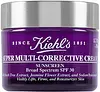 Key Ingredients
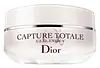
Benefits
Concerns
Ingredients Side-by-side
Butyl Methoxydibenzoylmethane 3%
UV Absorber
Homosalate 5%
Skin Conditioning
Ethylhexyl Salicylate 5%
UV Absorber
Octocrylene 7%
UV Absorber

Water
Skin ConditioningGlycerin
Humectant


Dimethicone
Emollient
Glyceryl Stearate
Emollient
Hydroxypropyl Tetrahydropyrantriol
Skin ConditioningSilica
Abrasive


PEG-100 Stearate
Propylene Glycol
Humectant
Euphorbia Cerifera Wax
Phenoxyethanol
Preservative
Ammonium Polyacryloyldimethyl Taurate
Emulsion StabilisingStearic Acid
Cleansing
Dicaprylyl Carbonate
EmollientCetyl Alcohol
Emollient

Palmitic Acid
Emollient
Capryloyl Salicylic Acid
Exfoliating

Caprylyl Glycol
Emollient
Xanthan Gum
EmulsifyingDimethicone/Vinyl Dimethicone Crosspolymer
Skin Conditioning
Parfum
Masking

Disodium EDTA
Tocopherol
Antioxidant




Sodium Hyaluronate
Humectant
Adenosine
Skin Conditioning
Linalool
Perfuming
Sodium Hydroxide
BufferingJasminum Officinale Flower Extract
Masking
Citronellol
Perfuming
Geraniol
Perfuming
Citral
Perfuming
Benzyl Alcohol
Perfuming
Citric Acid
Buffering
Butyl Methoxydibenzoylmethane 3%, Homosalate 5%, Ethylhexyl Salicylate 5%, Octocrylene 7%, Water, Glycerin, Dimethicone, Glyceryl Stearate, Hydroxypropyl Tetrahydropyrantriol, Silica, PEG-100 Stearate, Propylene Glycol, Euphorbia Cerifera Wax, Phenoxyethanol, Ammonium Polyacryloyldimethyl Taurate, Stearic Acid, Dicaprylyl Carbonate, Cetyl Alcohol, Palmitic Acid, Capryloyl Salicylic Acid, Caprylyl Glycol, Xanthan Gum, Dimethicone/Vinyl Dimethicone Crosspolymer, Parfum, Disodium EDTA, Tocopherol, Sodium Hyaluronate, Adenosine, Linalool, Sodium Hydroxide, Jasminum Officinale Flower Extract, Citronellol, Geraniol, Citral, Benzyl Alcohol, Citric Acid
Water
Skin ConditioningGlycerin
Humectant
Propylene Glycol Dicaprylate/Dicaprate
EmollientNiacinamide
Smoothing

Alcohol
Antimicrobial
Butylene Glycol
Humectant
Prunus Amygdalus Dulcis Oil
Skin Conditioning
Cetearyl Alcohol
Emollient
Butyrospermum Parkii Butter
Skin Conditioning
Pentaerythrityl Tetraisostearate
Emollient
Limnanthes Alba Seed Oil
Skin Conditioning
Steareth-21
CleansingDiglycerin
Humectant
Polyglycerin-3
Humectant
Aframomum Angustifolium Seed Extract
Skin ConditioningPaeonia Lactiflora Root Extract
Skin ConditioningLilium Candidum Bulb Extract
Skin ConditioningJasminum Officinale Flower Extract
Masking
Sodium Surfactin
CleansingCeramide NP
Skin Conditioning
Hydrolyzed Soy Protein
Humectant
Ascorbyl Glucoside
Antioxidant
Sodium Tocopheryl Phosphate
Antioxidant
Sodium Acetylated Hyaluronate
Humectant
Adenosine
Skin Conditioning
Xylitol
Humectant
Trehalose
Humectant
Palmaria Palmata Extract
Skin ProtectingCamelina Sativa Seed Oil
Skin Conditioning
Polymethyl Methacrylate
Dimethicone
Emollient
Cetearyl Glucoside
Emulsifying
Parfum
Masking
Glyceryl Stearate
Emollient
Caprylyl Glycol
Emollient
Chlorphenesin
Antimicrobial
Acrylates/C10-30 Alkyl Acrylate Crosspolymer
Emulsion StabilisingXanthan Gum
EmulsifyingCetyl Palmitate
Emollient
Cocoglycerides
Emollient
Sodium Hydroxide
BufferingGlucose
Humectant
CI 14700
Cosmetic ColorantCitric Acid
Buffering
Sodium Benzoate
Masking
Potassium Sorbate
Preservative
Tocopherol
Antioxidant
Water, Glycerin, Propylene Glycol Dicaprylate/Dicaprate, Niacinamide, Alcohol, Butylene Glycol, Prunus Amygdalus Dulcis Oil, Cetearyl Alcohol, Butyrospermum Parkii Butter, Pentaerythrityl Tetraisostearate, Limnanthes Alba Seed Oil, Steareth-21, Diglycerin, Polyglycerin-3, Aframomum Angustifolium Seed Extract, Paeonia Lactiflora Root Extract, Lilium Candidum Bulb Extract, Jasminum Officinale Flower Extract, Sodium Surfactin, Ceramide NP, Hydrolyzed Soy Protein, Ascorbyl Glucoside, Sodium Tocopheryl Phosphate, Sodium Acetylated Hyaluronate, Adenosine, Xylitol, Trehalose, Palmaria Palmata Extract, Camelina Sativa Seed Oil, Polymethyl Methacrylate, Dimethicone, Cetearyl Glucoside, Parfum, Glyceryl Stearate, Caprylyl Glycol, Chlorphenesin, Acrylates/C10-30 Alkyl Acrylate Crosspolymer, Xanthan Gum, Cetyl Palmitate, Cocoglycerides, Sodium Hydroxide, Glucose, CI 14700, Citric Acid, Sodium Benzoate, Potassium Sorbate, Tocopherol
Reviews
Ingredients Explained
These ingredients are found in both products.
Ingredients higher up in an ingredient list are typically present in a larger amount.
Adenosine is in every living organism. It is one of four components in nucleic acids that helps store our DNA.
Adenosine has many benefits when used. These benefits include hydrating the skin, smoothing skin, and reducing wrinkles. Once applied, adenosine increases collagen production. It also helps with improving firmness and tissue repair.
Studies have found adenosine may also help with wound healing.
In skincare products, Adenosine is usually derived from yeast.
Learn more about AdenosineCaprylyl Glycol is a humectant, skin conditioner, emollient, and preservative booster derived from either caprylic acid or synthetically created.
Typical use levels vary from 0.3-1% as a preservative booster and go up to 2% to condition skin.
Because it is not a free-fatty acid or alcohol, this ingredient is fungal acne safe (there's nothing for Malassezia to feed on).
Learn more about Caprylyl GlycolCitric Acid is an alpha hydroxy acid (AHA) naturally found in citrus fruits like oranges, lemons, and limes.
Like other AHAs, citric acid can exfoliate skin by breaking down the bonds that hold dead skin cells together. This helps reveal smoother and brighter skin underneath.
However, this exfoliating effect only happens at high concentrations (20%) which can be hard to find in cosmetic products.
Due to this, citric acid is usually included in small amounts as a pH adjuster. This helps keep products slightly more acidic and compatible with skin's natural pH.
In skincare formulas, citric acid can:
While it can provide some skin benefits, research shows lactic acid and glycolic acid are generally more effective and less irritating exfoliants.
Most citric acid used in skincare today is made by fermenting sugars (usually from molasses). This synthetic version is identical to the natural citrus form but easier to stabilize and use in formulations.
Read more about some other popular AHA's here:
Learn more about Citric AcidDimethicone is a type of synthetic silicone created from natural materials such as quartz. It is also known as polydimethylsiloxane.
What it does:
Dimethicone comes in different viscosities:
Depending on the viscosity, dimethicone has different properties.
Ingredients lists don't always show which type is used, so we recommend reaching out to the brand if you have questions about the viscosity.
This ingredient is unlikely to cause irritation because it does not get absorbed into skin. However, people with silicone allergies should be careful about using this ingredient.
Note: Dimethicone may contribute to pilling. This is because it is not oil or water soluble, so pilling may occur when layered with products. When mixed with heavy oils in a formula, the outcome is also quite greasy.
Learn more about DimethiconeGlycerin (or glycerol) is a compound naturally found in your skin. It's a powerhouse humectant that pulls water into the stratum corneum.
Topically, glycerin does several things at once:
Your skin makes glycerin on its own (mostly from sebaceous oil breakdown) and shuttles it to your outermost layer of skin, or your epidermis, via aquaporin-3.
Aquaporin-3 is a transporter that is essential for normal skin hydration, elasticity, and repair. Interestingly, mice lacking in AQP3 have dry and less elastic skin that can be fully corrected with glycerin.
This ingredient is non-irritating, plays well with almost every ingredient, and works across all skin types. Typical use is anywhere between 3-10% but can go up to 79% in some leave-on products.
Just know very high concentrations (>40%) can feel tacky in low humidity.
Glycerin is the name for this ingredient in American English. British English uses Glycerol/Glycerine.
Learn more about GlycerinGlyceryl Stearate is made by reacting glycerin with stearic acid (typically sourced from plant oils like palm or coconut). It's an emulsifier, emollient, and mild occlusive.
Emulsifiers help ingredients like oil and water stay mixed so your formula stays nicely blended and uniform in texture.
This ingredient is typically used in concentrations between 1-10%. Studies have found it to be non-sensitizing, non-phototoxic, and non-photoallergenic.
A close cousin of this ingredient is Glyceryl Stearate SE ("self-emulsifying"). This just has a small amount of sodium or potassium stearate added so it can emulsify without a co-emulsifier.
Since this ingredient is an ester of a C18 fatty acid, it may not be fungal acne safe. The Malassezia yeast can potentially metabolize within the C11-C24 range.
Fun fact: The human body also creates Glyceryl Stearate naturally.
Learn more about Glyceryl StearateJasmine flower extract is a fragrance. The flower also has antioxidant and antimicrobial properties.
The antioxidant activity in Jasmine comes from flavonoids - a compound found in many plants. While antioxidants are great - Jasmine flowers also contain coumarin, a known EU allergen.
This ingredient can also help mask unpleasant scents from other ingredients.
Learn more about Jasminum Officinale Flower ExtractParfum is a catch-all term for an ingredient or more that is used to give a scent to products.
Also called "fragrance", this ingredient can be a blend of hundreds of chemicals or plant oils. This means every product with "fragrance" or "parfum" in the ingredients list is a different mixture.
For instance, Habanolide is a proprietary trade name for a specific aroma chemical. When used as a fragrance ingredient in cosmetics, most aroma chemicals fall under the broad labeling category of “FRAGRANCE” or “PARFUM” according to EU and US regulations.
The term 'parfum' or 'fragrance' is not regulated in many countries. In many cases, it is up to the brand to define this term.
For instance, many brands choose to label themselves as "fragrance-free" because they are not using synthetic fragrances. However, their products may still contain ingredients such as essential oils that are considered a fragrance by INCI standards.
One example is Calendula flower extract. Calendula is an essential oil that still imparts a scent or 'fragrance'.
Depending on the blend, the ingredients in the mixture can cause allergies and sensitivities on the skin. Some ingredients that are known EU allergens include linalool and citronellol.
Parfum can also be used to mask or cover an unpleasant scent.
The bottom line is: not all fragrances/parfum/ingredients are created equally. If you are worried about fragrances, we recommend taking a closer look at an ingredient. And of course, we always recommend speaking with a professional.
Learn more about ParfumSodium Hydroxide is also known as lye or caustic soda. It is used to adjust the pH of products; many ingredients require a specific pH to be effective.
In small amounts, sodium hydroxide is considered safe to use. However, large amounts may cause chemical burns due to its high alkaline.
Your skin has a natural pH and acid mantle. This acid mantle helps prevent harmful bacteria from breaking through. The acid mantle also helps keep your skin hydrated.
"Alkaline" refers to a high pH level. A low pH level would be considered acidic.
Learn more about Sodium HydroxideTocopherol is a fat-soluble antioxidant known as Vitamin E.
You'll find this ingredient in the vast majority of skincare (for good reason). It works to neutralize free radicals, or unstable molecules generated by UV exposure, pollution, and other environmental stressors, before they can cause oxidative damage to your skin cells.
Topically applied tocopherol has been shown to protect against UV damage by ramping up the skin's own natural defense enzymes.
It also acts as a skin conditioning agent; some studies show that regular topical use can improve the skin's water-binding capacity over 2-4 weeks.
This ingredient is especially loved for being a team player. When combined with Vitamin C, the photoprotective effect of both ingredients roughly doubles and the combo also helps reduce UV-induced DNA damage.
This ingredient has some brightening potential but it's more of a prevention ingredient than spot-fader. Cell studies show it can slow down melanin production but it's worth noting that it's not the most powerful brightener out there.
In formulations, it also serves as a stabilizer that helps protect other oxidation-prone ingredients from degrading.
Concentrations usually range from 0.1-1% in most leave-on products.
Learn more about TocopherolWater. It's the most common cosmetic ingredient of all. You'll usually see it at the top of ingredient lists, meaning that it makes up the largest part of the product.
So why is it so popular? Water most often acts as a solvent - this means that it helps dissolve other ingredients into the formulation.
You'll also recognize water as that liquid we all need to stay alive. If you see this, drink a glass of water. Remember to stay hydrated!
Learn more about WaterXanthan gum is used as a stabilizer and thickener within cosmetic products. It helps give products a sticky, thick feeling - preventing them from being too runny.
On the technical side of things, xanthan gum is a polysaccharide - a combination consisting of multiple sugar molecules bonded together.
Xanthan gum is a pretty common and great ingredient. It is a natural, non-toxic, non-irritating ingredient that is also commonly used in food products.
Learn more about Xanthan Gum
