

What's inside
What's inside
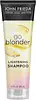 Key Ingredients
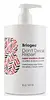
Benefits
Concerns
Ingredients Side-by-side
Water
Skin ConditioningSodium Laureth Sulfate
Cleansing



Sodium Lauryl Sulfate
Cleansing
Lactic Acid
Buffering







Glycol Distearate
Emollient
Cetyl Alcohol
Emollient

Betaine
Humectant


Parfum
Masking

Cocamidopropyl Betaine
Cleansing
Cocamide Mea
Emulsifying
Benzyl Alcohol
Perfuming


Guar Hydroxypropyltrimonium Chloride
Skin ConditioningSodium Hydroxide
BufferingDisodium EDTA
ChelatingGlycine
Buffering
Malic Acid
Buffering
PPG-9
Skin ConditioningSuccinic Acid
BufferingStearoxypropyl Dimethylamine
Solvent Yellow 33
C14-28 Isoalkyl Acid
Glycerin
Humectant
Hydrolyzed Keratin
Humectant
Crocus Sativus Flower Extract
MaskingCurcuma Longa Root Extract
Antioxidant
C14-28 Alkyl Acid
Sodium Chloride
MaskingPropylene Glycol
Humectant
Stearyl Alcohol
Emollient
Citrus Aurantium Dulcis Peel Oil
Masking
Vitis Vinifera Juice Extract
Antioxidant
CI 60725
Cosmetic ColorantChamomilla Recutita Flower Extract
Masking
Citrus Limon Fruit Extract
Masking
Helianthus Annuus Extract
Emollient
Alcohol
Antimicrobial
PEG-40 Hydrogenated Castor Oil
Emulsifying
Vitis Vinifera Seed Extract
Antimicrobial
Methylchloroisothiazolinone
Preservative
Methylisothiazolinone
Preservative
Water, Sodium Laureth Sulfate, Sodium Lauryl Sulfate, Lactic Acid, Glycol Distearate, Cetyl Alcohol, Betaine, Parfum, Cocamidopropyl Betaine, Cocamide Mea, Benzyl Alcohol, Guar Hydroxypropyltrimonium Chloride, Sodium Hydroxide, Disodium EDTA, Glycine, Malic Acid, PPG-9, Succinic Acid, Stearoxypropyl Dimethylamine, Solvent Yellow 33, C14-28 Isoalkyl Acid, Glycerin, Hydrolyzed Keratin, Crocus Sativus Flower Extract, Curcuma Longa Root Extract, C14-28 Alkyl Acid, Sodium Chloride, Propylene Glycol, Stearyl Alcohol, Citrus Aurantium Dulcis Peel Oil, Vitis Vinifera Juice Extract, CI 60725, Chamomilla Recutita Flower Extract, Citrus Limon Fruit Extract, Helianthus Annuus Extract, Alcohol, PEG-40 Hydrogenated Castor Oil, Vitis Vinifera Seed Extract, Methylchloroisothiazolinone, Methylisothiazolinone
Water
Skin ConditioningSodium Cocoyl Isethionate
Cleansing
Lauramidopropyl Betaine
CleansingCocamidopropyl Hydroxysultaine
Cleansing
Sodium C14-16 Olefin Sulfonate
Cleansing
Disodium Laureth Sulfosuccinate
CleansingGlyceryl Stearate
Emollient
Glycol Distearate
Emollient
Butyrospermum Parkii Butter
Skin Conditioning

Cocos Nucifera Oil
Masking
Rosa Canina Fruit Oil
Emollient
Biotin
AntiseborrhoeicPanthenol
Skin Conditioning
Glycerin
Humectant
Glycine Soja Oil
Emollient
Tilia Tomentosa Extract
Skin ConditioningSargassum Filipendula Extract
Skin Protecting
Phospholipids
Skin Conditioning
Glycolipids
Skin ConditioningGlycine Soja Sterols
Emollient
Santalum Album Oil
Masking
Amyris Balsamifera Bark Oil
Masking
Pogostemon Cablin Leaf Oil
Masking
Elettaria Cardamomum Seed Oil
Masking
Ferula Galbaniflua Resin Oil
Antimicrobial
Hydrolyzed Vegetable Protein Pg-Propyl Silanetriol
Skin ConditioningSodium Lauroyl Sarcosinate
CleansingTocopheryl Acetate
Antioxidant
Tetrasodium Glutamate Diacetate
ChelatingSodium Lauryl Sulfoacetate
CleansingGuar Hydroxypropyltrimonium Chloride
Skin ConditioningCitric Acid
Buffering
Parfum
Masking
Dehydroacetic Acid
Preservative
Benzyl Alcohol
Perfuming
Water, Sodium Cocoyl Isethionate, Lauramidopropyl Betaine, Cocamidopropyl Hydroxysultaine, Sodium C14-16 Olefin Sulfonate, Disodium Laureth Sulfosuccinate, Glyceryl Stearate, Glycol Distearate, Butyrospermum Parkii Butter, Cocos Nucifera Oil, Rosa Canina Fruit Oil, Biotin, Panthenol, Glycerin, Glycine Soja Oil, Tilia Tomentosa Extract, Sargassum Filipendula Extract, Phospholipids, Glycolipids, Glycine Soja Sterols, Santalum Album Oil, Amyris Balsamifera Bark Oil, Pogostemon Cablin Leaf Oil, Elettaria Cardamomum Seed Oil, Ferula Galbaniflua Resin Oil, Hydrolyzed Vegetable Protein Pg-Propyl Silanetriol, Sodium Lauroyl Sarcosinate, Tocopheryl Acetate, Tetrasodium Glutamate Diacetate, Sodium Lauryl Sulfoacetate, Guar Hydroxypropyltrimonium Chloride, Citric Acid, Parfum, Dehydroacetic Acid, Benzyl Alcohol
Ingredients Explained
These ingredients are found in both products.
Ingredients higher up in an ingredient list are typically present in a larger amount.
Benzyl Alcohol is an aromatic alcohol with several roles: it's a preservative, solvent, and mild fragrance component with a floral scent.
This ingredient has been deemed safe for use in cosmetic formulations at concentrations up to 5%, and up to 10% in hair dyes. You'll typically see 0.5-2% in most rinse-off or leave-on products.
As a preservative, it works by disrupting the membrane of microbial proteins. This helps keep bacteria and fungi from growing in your products.
The sensitization picture is actually quite assuring as well:of nearly 71,000 patients patch tested with benzyl alcohol, only 0.21% showed a positive reaction with most of them being weakly positive.
This led researchers to conclude that benzyl alcohol cannot be regarded as a significant contact allergen.
It is worth noting this ingredient is classified as one of the EU's regulated fragrance allergens and restricted to 1% in finished products.
Labels must also declare it in concentrations above 0.001% in leave-on products and 0.01% in rinse-off products.
At concentrations around 5%, localized redness and itching can appear as a direct irritant response and not as a true allergic reaction.
Learn more about Benzyl AlcoholGlycerin (or glycerol) is a compound naturally found in your skin. It's a powerhouse humectant that pulls water into the stratum corneum.
Topically, glycerin does several things at once:
Your skin makes glycerin on its own (mostly from sebaceous oil breakdown) and shuttles it to your outermost layer of skin, or your epidermis, via aquaporin-3.
Aquaporin-3 is a transporter that is essential for normal skin hydration, elasticity, and repair. Interestingly, mice lacking in AQP3 have dry and less elastic skin that can be fully corrected with glycerin.
This ingredient is non-irritating, plays well with almost every ingredient, and works across all skin types. Typical use is anywhere between 3-10% but can go up to 79% in some leave-on products.
Just know very high concentrations (>40%) can feel tacky in low humidity.
Glycerin is the name for this ingredient in American English. British English uses Glycerol/Glycerine.
Learn more about GlycerinGlycol Distearate is an emulsifier and emollient that adds a "pearly" appearance to formulations.
That lustrous look you see in many shampoos is due to this ingredient: when cooled, it crystallizes into small platelets that reflect light to give products that rich, shimmering look.
This ingredient is considered safe at present practices of use and concentration and repeated insult patch test with 50% Glycol Distearate on 125 subjects found no evidence of skin irritation, hypersensitivity, or acute toxicity.
Typical use concentrations range from 0.1-10%.
Because it's an ester of stearic acid, it falls into the range that Malassezia likes to metabolize. This ingredient may not be fungal acne safe.
Learn more about Glycol DistearateThis ingredient is derived from guar gum. It is a skin conditioning agent that creates a thin, breathable film to reduce water loss during cleansing.
This leaves the skin feeling soft rather than stripped and also contributes to a creamier lather.
Due to the large molecule size, this ingredient is unlikely to penetrate skin.
Learn more about Guar Hydroxypropyltrimonium ChlorideParfum is a catch-all term for an ingredient or more that is used to give a scent to products.
Also called "fragrance", this ingredient can be a blend of hundreds of chemicals or plant oils. This means every product with "fragrance" or "parfum" in the ingredients list is a different mixture.
For instance, Habanolide is a proprietary trade name for a specific aroma chemical. When used as a fragrance ingredient in cosmetics, most aroma chemicals fall under the broad labeling category of “FRAGRANCE” or “PARFUM” according to EU and US regulations.
The term 'parfum' or 'fragrance' is not regulated in many countries. In many cases, it is up to the brand to define this term.
For instance, many brands choose to label themselves as "fragrance-free" because they are not using synthetic fragrances. However, their products may still contain ingredients such as essential oils that are considered a fragrance by INCI standards.
One example is Calendula flower extract. Calendula is an essential oil that still imparts a scent or 'fragrance'.
Depending on the blend, the ingredients in the mixture can cause allergies and sensitivities on the skin. Some ingredients that are known EU allergens include linalool and citronellol.
Parfum can also be used to mask or cover an unpleasant scent.
The bottom line is: not all fragrances/parfum/ingredients are created equally. If you are worried about fragrances, we recommend taking a closer look at an ingredient. And of course, we always recommend speaking with a professional.
Learn more about ParfumWater. It's the most common cosmetic ingredient of all. You'll usually see it at the top of ingredient lists, meaning that it makes up the largest part of the product.
So why is it so popular? Water most often acts as a solvent - this means that it helps dissolve other ingredients into the formulation.
You'll also recognize water as that liquid we all need to stay alive. If you see this, drink a glass of water. Remember to stay hydrated!
Learn more about Water

