JMsolution Marine Luminous Pearl Sun Stick SPF50 PA++++ Versus BRTC V10 UV Shield Moisture Essence Sun SPF 50+ PA++++

What's inside
What's inside
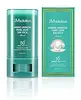 Key Ingredients
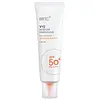
Benefits
Concerns
Ingredients Side-by-side
Tocopheryl Acetate
Antioxidant

Pearl Extract
Antioxidant
Salicornia Herbacea Extract
Skin ConditioningPikea Robusta Extract
Antioxidant
Haematococcus Pluvialis Extract
Antioxidant
Glycerin
Humectant



Sodium Hyaluronate
Humectant
Fucus Vesiculosus Extract
Emollient
Laminaria Saccharina Extract
Skin ProtectingBisabolol
Masking


Octocrylene
UV Absorber


Ethylhexyl Methoxycinnamate
UV Absorber
Ethylhexyl Salicylate
UV Absorber
Diethylamino Hydroxybenzoyl Hexyl Benzoate
UV Filter
Bis-Ethylhexyloxyphenol Methoxyphenyl Triazine
Skin Conditioning
Tocopheryl Acetate, Pearl Extract, Salicornia Herbacea Extract, Pikea Robusta Extract, Haematococcus Pluvialis Extract, Glycerin, Sodium Hyaluronate, Fucus Vesiculosus Extract, Laminaria Saccharina Extract, Bisabolol, Octocrylene, Ethylhexyl Methoxycinnamate, Ethylhexyl Salicylate, Diethylamino Hydroxybenzoyl Hexyl Benzoate, Bis-Ethylhexyloxyphenol Methoxyphenyl Triazine
Water
Skin ConditioningDipropylene Glycol
HumectantEthylhexyl Methoxycinnamate
UV Absorber
Isoamyl P-Methoxycinnamate
UV Absorber
Alcohol
Antimicrobial


Styrene
Perfuming
Diethylamino Hydroxybenzoyl Hexyl Benzoate
UV Filter
Ethylhexyl Salicylate
UV Absorber
Niacinamide
Smoothing




C12-15 Alkyl Benzoate
AntimicrobialBis-Ethylhexyloxyphenol Methoxyphenyl Triazine
Skin Conditioning
1,2-Hexanediol
Skin Conditioning
Dimethicone
Emollient
Hydroxyacetophenone
Antioxidant
C10-30 Alkyl Acrylate
Acrylates/C10-30 Alkyl Acrylate Crosspolymer
Emulsion StabilisingSodium Hydroxide
BufferingBetula Platyphylla Japonica Juice
Skin Conditioning
Sodium Hyaluronate
Humectant
Macadamia Ternifolia Seed Oil
Emollient

Simmondsia Chinensis Seed Oil
Emollient
Rosa Rugosa Callus Culture Extract
Antimicrobial
Lonicera Japonica Flower Extract
Skin ConditioningGlycerin
Humectant
Spirulina Platensis Extract
Skin ProtectingLavandula Angustifolia Extract
Skin Conditioning
Apium Graveolens Extract
Skin ConditioningHyacinthus Orientalis Extract
Skin ConditioningChamomilla Recutita Flower/Leaf Extract
AntimicrobialBarm Extract
Skin ConditioningCentaurea Cyanus Flower Extract
AstringentButylene Glycol
Humectant
Ethylhexylglycerin
Skin ConditioningCentella Asiatica Extract
Cleansing
Aloe Barbadensis Leaf Extract
Emollient
Mentha Piperita Leaf Extract
Skin ConditioningEucalyptus Alba Leaf Extract
Skin ConditioningChamomilla Recutita Extract
Skin Conditioning
Artemisia Montana Leaf Extract
Skin ConditioningUlmus Davidiana Root Extract
Skin Conditioning
Pseudoalteromonas Ferment Extract
Humectant
Yeast Extract
Skin Conditioning
Portulaca Oleracea Extract
Skin Conditioning
Propolis Extract
Skin Conditioning
Panthenol
Skin Conditioning
Hydrogenated Lecithin
Emulsifying
Tocopheryl Succinate
Antioxidant
Linoleic Acid
Cleansing
Glyceryl Oleate
Emollient
Pyridoxine
Skin ConditioningPolyacrylic Acid
Emulsion StabilisingBiotin
AntiseborrhoeicCyanocobalamin
Skin ConditioningBeta-Carotene
Skin ConditioningSodium Ascorbyl Phosphate
Antioxidant

Brassica Oleracea Italica Extract
AstringentLavandula Angustifolia Oil
Masking
Rosa Damascena Flower Oil
Masking
Orange Roughy Oil
Skin Conditioning
Allantoin
Skin Conditioning
Xanthan Gum
EmulsifyingPentaerythrityl Tetra-Di-T-Butyl Hydroxyhydrocinnamate
Antioxidant
Adenosine
Skin Conditioning
Disodium EDTA
Water, Dipropylene Glycol, Ethylhexyl Methoxycinnamate, Isoamyl P-Methoxycinnamate, Alcohol, Styrene, Diethylamino Hydroxybenzoyl Hexyl Benzoate, Ethylhexyl Salicylate, Niacinamide, C12-15 Alkyl Benzoate, Bis-Ethylhexyloxyphenol Methoxyphenyl Triazine, 1,2-Hexanediol, Dimethicone, Hydroxyacetophenone, C10-30 Alkyl Acrylate, Acrylates/C10-30 Alkyl Acrylate Crosspolymer, Sodium Hydroxide, Betula Platyphylla Japonica Juice, Sodium Hyaluronate, Macadamia Ternifolia Seed Oil, Simmondsia Chinensis Seed Oil, Rosa Rugosa Callus Culture Extract, Lonicera Japonica Flower Extract, Glycerin, Spirulina Platensis Extract, Lavandula Angustifolia Extract, Apium Graveolens Extract, Hyacinthus Orientalis Extract, Chamomilla Recutita Flower/Leaf Extract, Barm Extract, Centaurea Cyanus Flower Extract, Butylene Glycol, Ethylhexylglycerin, Centella Asiatica Extract, Aloe Barbadensis Leaf Extract, Mentha Piperita Leaf Extract, Eucalyptus Alba Leaf Extract, Chamomilla Recutita Extract, Artemisia Montana Leaf Extract, Ulmus Davidiana Root Extract, Pseudoalteromonas Ferment Extract, Yeast Extract, Portulaca Oleracea Extract, Propolis Extract, Panthenol, Hydrogenated Lecithin, Tocopheryl Succinate, Linoleic Acid, Glyceryl Oleate, Pyridoxine, Polyacrylic Acid, Biotin, Cyanocobalamin, Beta-Carotene, Sodium Ascorbyl Phosphate, Brassica Oleracea Italica Extract, Lavandula Angustifolia Oil, Rosa Damascena Flower Oil, Orange Roughy Oil, Allantoin, Xanthan Gum, Pentaerythrityl Tetra-Di-T-Butyl Hydroxyhydrocinnamate, Adenosine, Disodium EDTA
Ingredients Explained
These ingredients are found in both products.
Ingredients higher up in an ingredient list are typically present in a larger amount.
You might know this ingredient as Tinosorb S or Bemotrizinol. It is a UV filter that covers both UVA and UVB rays.
This ingredient has two peak UV absorption peaks ( 310 and 340 nm) and is able to absorb both UV-A and UV-B rays. This ingredient works by preventing UV rays from reaching and damaging your skin.
On top of that - it is highly photostable and helps prevent the photodegration of other sunscreen ingredients such as avobenzone.
Tinosorb S is allowed in the EU, Australia, and Asia. It is close to being approved by the FDA and we'll hopefully get this ingredient in the U.S. by late 2025.
Fun fact: Tinosorb S is the most effective UV absorber at maximum concentration (measured by SPF) permitted in the EU.
This ingredient is oil-soluble, so your oil-cleansers will take this right off at night.
Learn more about Bis-Ethylhexyloxyphenol Methoxyphenyl TriazineDiethylamino Hydroxybenzoyl Hexyl Benzoate (DHHB) is a chemical UV-A absorber. It is formulated for high UVA protection (320-400 nm).
DHHB is well-liked for:
DHHB has been approved by the EU, Japan, Taiwan, and South America for use up to 10%. Unfortunately, it has not been approved for use in the US or Canada due to slow regulatory processes.
This ingredient is soluble in oils, fats, and lipids.
Learn more about Diethylamino Hydroxybenzoyl Hexyl BenzoateEthylhexyl Methoxycinnamate is an organic compound that provides UVB protection. It often goes by the more common name of octinoxate. It is created from methoxycinnamic acid and 2-ethylhexanol.
Ethylhexyl Methoxycinnamate absorbs UVB rays with wavelengths between 280-320 nm. UV absorbers protect your skin by using chemical reactions to convert UV rays into heat and energy.
UVB (290-320 nm) rays emit more energy than UVA rays. They are capable of damaging DNA, causing sunburns and are thought to be linked to skin cancer.
The state of Hawaii has banned sunscreens containing octinoxate due to its potential impact on coral reefs. More research is needed to bridge gaps in this research. The European Union allows higher levels of octinoxate in sunscreens than the US and Australia.
Ethylhexyl Methoxycinnamate is oil soluble. It is not stable and may lose efficacy when exposed to sunlight.
Learn more about Ethylhexyl MethoxycinnamateEthylhexyl Salicylate is an organic compound used to block UV rays. It primarily absorbs UVB rays but offers a small amount of UVA protection as well.
Commonly found in sunscreens, Ethylhexyl Salicylate is created from salicylic acid and 2-ethylhexanol. You might know salicylic acid as the effective acne fighter ingredient and BHA.
The ethylhexanol in this ingredient is a fatty alcohol and helps hydrate your skin, similar to oils. It is an emollient, which means it traps moisture into the skin.
According to manufacturers, Ethylhexyl Salicylate absorbs UV wavelength of 295-315 nm, with a peak absorption at 307-310 nm. UVA rays are linked to long term skin damage, such as hyperpigmentation. UVB rays emit more energy and are capable of damaging our DNA. UVB rays cause sunburn.
Learn more about Ethylhexyl SalicylateGlycerin is already naturally found in your skin. It helps moisturize and protect your skin.
A study from 2016 found glycerin to be more effective as a humectant than AHAs and hyaluronic acid.
As a humectant, it helps the skin stay hydrated by pulling moisture to your skin. The low molecular weight of glycerin allows it to pull moisture into the deeper layers of your skin.
Hydrated skin improves your skin barrier; Your skin barrier helps protect against irritants and bacteria.
Glycerin has also been found to have antimicrobial and antiviral properties. Due to these properties, glycerin is often used in wound and burn treatments.
In cosmetics, glycerin is usually derived from plants such as soybean or palm. However, it can also be sourced from animals, such as tallow or animal fat.
This ingredient is organic, colorless, odorless, and non-toxic.
Glycerin is the name for this ingredient in American English. British English uses Glycerol/Glycerine.
Learn more about GlycerinSodium Hyaluronate is hyaluronic acid's salt form. It is commonly derived from the sodium salt of hyaluronic acid.
Like hyaluronic acid, it is great at holding water and acts as a humectant. This makes it a great skin hydrating ingredient.
Sodium Hyaluronate is naturally occurring in our bodies and is mostly found in eye fluid and joints.
These are some other common types of Hyaluronic Acid:
Learn more about Sodium Hyaluronate
