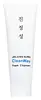
This mild gel cleanser is made to cleanse while respecting your skin barrier.

What's inside
What's inside
 Key Ingredients
Benefits
Concerns
Ingredients Side-by-side
Water
Skin ConditioningGlycerin
Humectant


Myristic Acid
Cleansing



Palmitic Acid
Emollient
Stearic Acid
Cleansing
Potassium Hydroxide
BufferingLauric Acid
Cleansing
Lauryl Hydroxysultaine
CleansingCitrus Paradisi Fruit Extract
Skin ConditioningCitrus Paradisi Seed Extract
Masking
Citrus Paradisi Peel Extract
Perfuming
Oryza Sativa Extract
Absorbent


Oryza Sativa Bran Extract
Skin Conditioning
Houttuynia Cordata Extract
Skin Conditioning
Centella Asiatica Extract
Cleansing
Melaleuca Alternifolia Leaf Extract
Perfuming
Bambusa Vulgaris Water
Skin ConditioningChamaecyparis Obtusa Water
MaskingCamellia Sinensis Leaf Water
Masking
Sodium Hyaluronate
Humectant
Hyaluronic Acid
Humectant
Hydrolyzed Hyaluronic Acid
Humectant
Hydroxypropyltrimonium Hyaluronate
Potassium Hyaluronate
Skin ConditioningSodium Hyaluronate Crosspolymer
Humectant
Sodium Acetylated Hyaluronate
Humectant
Hydrogenated Lecithin
Emulsifying
Ceramide NP
Skin Conditioning
Beta-Glucan
Skin Conditioning
Butylene Glycol
Humectant
Ceresin
Emulsion StabilisingSorbitan Olivate
Emulsifying
Glyceryl Stearate
Emollient
PEG-100 Stearate
Surfactant
Sodium Chloride
MaskingCapric Acid
Cleansing
Disodium EDTA
Acrylates Copolymer
1,2-Hexanediol
Skin Conditioning
Parfum
Masking
Water, Glycerin, Myristic Acid, Palmitic Acid, Stearic Acid, Potassium Hydroxide, Lauric Acid, Lauryl Hydroxysultaine, Citrus Paradisi Fruit Extract, Citrus Paradisi Seed Extract, Citrus Paradisi Peel Extract, Oryza Sativa Extract, Oryza Sativa Bran Extract, Houttuynia Cordata Extract, Centella Asiatica Extract, Melaleuca Alternifolia Leaf Extract, Bambusa Vulgaris Water, Chamaecyparis Obtusa Water, Camellia Sinensis Leaf Water, Sodium Hyaluronate, Hyaluronic Acid, Hydrolyzed Hyaluronic Acid, Hydroxypropyltrimonium Hyaluronate, Potassium Hyaluronate, Sodium Hyaluronate Crosspolymer, Sodium Acetylated Hyaluronate, Hydrogenated Lecithin, Ceramide NP, Beta-Glucan, Butylene Glycol, Ceresin, Sorbitan Olivate, Glyceryl Stearate, PEG-100 Stearate, Sodium Chloride, Capric Acid, Disodium EDTA, Acrylates Copolymer, 1,2-Hexanediol, Parfum
Water
Skin ConditioningSodium Cocoyl Isethionate
Cleansing
Sodium Methyl Cocoyl Taurate
Cleansing
Glycerin
Humectant
Dipropylene Glycol
HumectantCoco-Betaine
Cleansing
Lauryl Hydroxysultaine
CleansingPanthenol
Skin Conditioning
1,2-Hexanediol
Skin Conditioning
Glyceryl Stearate
Emollient
Sodium Chloride
MaskingPropylene Glycol Laurate
Skin ConditioningPolyglyceryl-3 Methylglucose Distearate
Emulsifying
Glycol Distearate
Emollient
Musa Sapientum Fruit Extract
Skin ConditioningRosa Damascena Flower Water
Masking
Polyquaternium-67
Pyrus Communis Fruit Extract
Skin ConditioningPrunus Domestica Fruit Extract
MoisturisingCitric Acid
Buffering

Ethylhexylglycerin
Skin ConditioningCucumis Melo Fruit Extract
Skin ConditioningDisodium EDTA
Hedera Helix Leaf/Stem Extract
AntimicrobialGluconolactone
Skin Conditioning



Sea Water
HumectantPropanediol
Solvent
Sodium Acetate
BufferingArginine
Masking
Hydrogenated Lecithin
Emulsifying
Sorbitan Olivate
Emulsifying
Cetearyl Olivate
Beta-Sitosterol
Emulsion Stabilising
Lactococcus Ferment Lysate
Skin Conditioning
Bifida Ferment Lysate
Skin Conditioning
Lactobacillus Ferment Lysate
Skin Conditioning
Phytosterols
Skin Conditioning
Tocopherol
Antioxidant

Glycine
Buffering
Serine
Masking
Glutamic Acid
Humectant
Aspartic Acid
Masking
Leucine
Skin ConditioningAlanine
Masking
Lysine
Skin ConditioningTyrosine
MaskingPhenylalanine
Masking
Valine
MaskingThreonine
Proline
Skin Conditioning
Isoleucine
Skin ConditioningHistidine
Humectant
Methionine
Skin ConditioningCysteine
Antioxidant
Water, Sodium Cocoyl Isethionate, Sodium Methyl Cocoyl Taurate, Glycerin, Dipropylene Glycol, Coco-Betaine, Lauryl Hydroxysultaine, Panthenol, 1,2-Hexanediol, Glyceryl Stearate, Sodium Chloride, Propylene Glycol Laurate, Polyglyceryl-3 Methylglucose Distearate, Glycol Distearate, Musa Sapientum Fruit Extract, Rosa Damascena Flower Water, Polyquaternium-67, Pyrus Communis Fruit Extract, Prunus Domestica Fruit Extract, Citric Acid, Ethylhexylglycerin, Cucumis Melo Fruit Extract, Disodium EDTA, Hedera Helix Leaf/Stem Extract, Gluconolactone, Sea Water, Propanediol, Sodium Acetate, Arginine, Hydrogenated Lecithin, Sorbitan Olivate, Cetearyl Olivate, Beta-Sitosterol, Lactococcus Ferment Lysate, Bifida Ferment Lysate, Lactobacillus Ferment Lysate, Phytosterols, Tocopherol, Glycine, Serine, Glutamic Acid, Aspartic Acid, Leucine, Alanine, Lysine, Tyrosine, Phenylalanine, Valine, Threonine, Proline, Isoleucine, Histidine, Methionine, Cysteine
Reviews
Ingredients Explained
These ingredients are found in both products.
Ingredients higher up in an ingredient list are typically present in a larger amount.
1,2-Hexanediol is a synthetic liquid and another multi-functional powerhouse.
It is a:
- Humectant, drawing moisture into the skin
- Emollient, helping to soften skin
- Solvent, dispersing and stabilizing formulas
- Preservative booster, enhancing the antimicrobial activity of other preservatives
Disodium EDTA is a chelating agent. It grabs onto and deactivates metal ions that sneak into your products from water, packaging, or air.
This ingredient mainly works behind the scenes and helps with:
On top of that, this ingredient can counteract the effects of hard water by binding to the minerals in it.
One thing worth knowing is that Disodium EDTA has been shown to be a mild penetration enhancer. It can help other ingredients absorb into skin more effectively which can be a double-edged sword (great for actives, but can also make the active too strong if you have sensitive skin).
Clinical patch testing showed no significant skin irritation at typical use concentrations and minimal dermal absorption.
You'll most likely see this ingredient near the end of an ingredient list. It's typically found in concentrations less than 1%.
Learn more about Disodium EDTAGlycerin (or glycerol) is a compound naturally found in your skin. It's a powerhouse humectant that pulls water into the stratum corneum.
Topically, glycerin does several things at once:
Your skin makes glycerin on its own (mostly from sebaceous oil breakdown) and shuttles it to your outermost layer of skin, or your epidermis, via aquaporin-3.
Aquaporin-3 is a transporter that is essential for normal skin hydration, elasticity, and repair. Interestingly, mice lacking in AQP3 have dry and less elastic skin that can be fully corrected with glycerin.
This ingredient is non-irritating, plays well with almost every ingredient, and works across all skin types. Typical use is anywhere between 3-10% but can go up to 79% in some leave-on products.
Just know very high concentrations (>40%) can feel tacky in low humidity.
Glycerin is the name for this ingredient in American English. British English uses Glycerol/Glycerine.
Learn more about GlycerinGlyceryl Stearate is made by reacting glycerin with stearic acid (typically sourced from plant oils like palm or coconut). It's an emulsifier, emollient, and mild occlusive.
Emulsifiers help ingredients like oil and water stay mixed so your formula stays nicely blended and uniform in texture.
This ingredient is typically used in concentrations between 1-10%. Studies have found it to be non-sensitizing, non-phototoxic, and non-photoallergenic.
A close cousin of this ingredient is Glyceryl Stearate SE ("self-emulsifying"). This just has a small amount of sodium or potassium stearate added so it can emulsify without a co-emulsifier.
Since this ingredient is an ester of a C18 fatty acid, it may not be fungal acne safe. The Malassezia yeast can potentially metabolize within the C11-C24 range.
Fun fact: The human body also creates Glyceryl Stearate naturally.
Learn more about Glyceryl StearateHydrogenated Lecithin is a more stable version of lecithin.
It's made by taking lecithin (a phospholipid commonly found in soybeans and egg yolks) and hydrogenating it. This just means the unsaturated fatty acids are turned into saturated ones so they don't go bad as easily.
This ingredient is an emollient, emulsifier, and penetration enhancer. As an emollient, it helps soften and hydrate skin by trapping moisture within. As an emulsifier, it prevents oil and water ingredients from separating.
Hydrogenated Lecithin can form tiny spherical structures made of phospholipid bilayers called liposomes. These liposomes are able to capture compounds inside their structure and deliver them through the skin barrier.
Because phospholipids are a natural component of our cell membranes, this ingredient is inherently compatible with skin.
A 2021 study found lecithin-based surfactants were less harsh and more tolerable comared to Sodium Lauryl Sulfate (SLS).
Learn more about Hydrogenated LecithinLauryl Hydroxysultaine is a mild surfactant or cleansing ingredient that helps lift away dirt/oil, boost foam, and thicken the formula. It plays nicely with other surfactants and stays stable across a wide pH range.
Chances are, you eat sodium chloride every day. Sodium Chloride is also known as table salt. This ingredient has many purposes in skincare: thickener, emulsifier, and exfoliator.
You'll most likely find this ingredient in cleansers where it is used to create a gel-like texture. As an emulsifier, it also prevents ingredients from separating.
You might see people debate whether Sodium Chloride is comedogenic, but there actually haven't been any comedogenic tests done on it. Either way, the overall formulation of a product matters a lot more than any single ingredient.
You might see this ingredient used in scrubs as a primary exfoliating ingredient.
Learn more about Sodium ChlorideSorbitan Olivate is created from the fatty acids in olive oil and sorbitol.
This ingredient is an oil in water emulsifier. It helps stabilize a product by preventing oils and waters from separating. Sorbitan Olivate also helps hydrate the skin.
This ingredient is also known as part of Olivem 1000, with Cetearyl Olivate being the other part.
According to a manufacturer, this ingredient helps preserve the natural microbiome of skin. Having a healthy microbiome helps keep our skin healthy and protects against harmful bacteria.
Please note, having a healthy microbiome is different from fungal acne; a healthy microbiome includes small amounts of yeast that normally live on your skin without causing problems.
Fungal acne happens when one type of yeast (Malassezia) grows out of control. This is usually because it's feeding on certain oils or fatty acids. Due to the olive oil base, this ingredient may not be fungal acne safe.
Learn more about Sorbitan OlivateWater. It's the most common cosmetic ingredient of all. You'll usually see it at the top of ingredient lists, meaning that it makes up the largest part of the product.
So why is it so popular? Water most often acts as a solvent - this means that it helps dissolve other ingredients into the formulation.
You'll also recognize water as that liquid we all need to stay alive. If you see this, drink a glass of water. Remember to stay hydrated!
Learn more about Water

