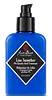
This smoothing treatment is formulated around Glycolic Acid to refine skin texture and soften the look of wrinkles.
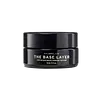
This barrier-repair moisturizer is formulated around Squalane and Avena Sativa Kernel Extract to strengthen the skin barrier and hydrate skin.

What's inside
What's inside
 Key Ingredients
Benefits
Concerns
Ingredients Side-by-side
Water
Skin ConditioningGlycolic Acid
Buffering











Glycerin
Humectant

C12-15 Alkyl Benzoate
AntimicrobialStearic Acid
Cleansing

Caprylic/Capric Triglyceride
Masking
Sodium Hydroxide
BufferingGlyceryl Stearate
Emollient
Dimethicone
Emollient
Sodium Acrylate/Sodium Acryloyldimethyl Taurate/Acrylamide Copolymer
Emulsion StabilisingPanthenol
Skin Conditioning

Allantoin
Skin Conditioning
Retinyl Palmitate
Skin Conditioning
Tocopheryl Acetate
Antioxidant

Aloe Barbadensis Leaf Juice
Skin Conditioning
Lavandula Angustifolia Flower Extract
Cleansing
Salvia Officinalis Leaf Extract
CleansingVitis Vinifera Seed Extract
Antimicrobial
Glycyrrhiza Glabra Root Extract
Bleaching
Cetyl Alcohol
Emollient
Sorbitan Stearate
Emulsifying
Xanthan Gum
EmulsifyingMagnesium Aluminum Silicate
Absorbent
Hydroxyethylcellulose
Emulsion StabilisingIsohexadecane
EmollientPolysorbate 80
Emulsifying
PEG-100 Stearate
Surfactant
Chlorphenesin
Antimicrobial
Dehydroacetic Acid
Preservative
Benzyl Alcohol
Perfuming



Propylene Glycol
Humectant
Water, Glycolic Acid, Glycerin, C12-15 Alkyl Benzoate, Stearic Acid, Caprylic/Capric Triglyceride, Sodium Hydroxide, Glyceryl Stearate, Dimethicone, Sodium Acrylate/Sodium Acryloyldimethyl Taurate/Acrylamide Copolymer, Panthenol, Allantoin, Retinyl Palmitate, Tocopheryl Acetate, Aloe Barbadensis Leaf Juice, Lavandula Angustifolia Flower Extract, Salvia Officinalis Leaf Extract, Vitis Vinifera Seed Extract, Glycyrrhiza Glabra Root Extract, Cetyl Alcohol, Sorbitan Stearate, Xanthan Gum, Magnesium Aluminum Silicate, Hydroxyethylcellulose, Isohexadecane, Polysorbate 80, PEG-100 Stearate, Chlorphenesin, Dehydroacetic Acid, Benzyl Alcohol, Propylene Glycol
Sea Silt Extract
Skin ConditioningCetearyl Alcohol
Emollient
Glycerin
Humectant
Squalane
Emollient
Caprylic/Capric Triglyceride
Masking
Octyldodecanol
Emollient
Glyceryl Stearate Citrate
Emollient
Helianthus Annuus Seed Oil Unsaponifiables
Emollient
Water
Skin ConditioningMicrocrystalline Cellulose
AbsorbentAvena Sativa Kernel Extract
Abrasive
Platonia Insignis Seed Butter
Emollient
Gluconolactone
Chelating
Saccharide Isomerate
Humectant
Sodium Stearoyl Glutamate
CleansingBuddleja Davidii Meristem Cell Culture
Skin ConditioningPotassium Sorbate
Preservative
Benzyl Alcohol
Perfuming
Cellulose Gum
Emulsion StabilisingGlyceryl Caprylate
EmollientXanthan Gum
EmulsifyingSodium Benzoate
Masking
Maltodextrin
Absorbent
Epilobium Angustifolium Extract
Skin ConditioningAchillea Millefolium Extract
CleansingUrtica Dioica Extract
AstringentPropanediol
Solvent
Tremella Fuciformis Polysaccharide
Emulsion Stabilising
Caesalpinia Spinosa Fruit Extract
Skin ProtectingCalcium Gluconate
HumectantSucrose
Humectant
Citronellol
Perfuming
Sodium Citrate
BufferingCitric Acid
Buffering
Kappaphycus Alvarezii Extract
Skin Conditioning
Caesalpinia Spinosa Fruit Pod Extract
Tephrosia Purpurea Seed Extract
Skin ConditioningPlankton Extract
Skin ConditioningVerbascum Thapsus Extract
Skin ConditioningTabebuia Impetiginosa Bark Extract
Skin ConditioningGlycyrrhiza Glabra Root Extract
Bleaching
Helichrysum Arenarium Flower Extract
Skin ConditioningCamellia Sinensis Leaf Extract
Antimicrobial
Lecithin
Emollient
Helianthus Annuus Sprout Extract
Skin ConditioningTocopherol
Antioxidant
Triethyl Citrate
Masking
Dimethylheptenal
Perfuming
Elettaria Cardamomum Seed Oil
Masking
Juniperus Communis Fruit Oil
Masking
Juniperus Virginiana Oil
Masking
Michelia Alba Leaf Oil
Masking
Pelargonium Graveolens Flower Oil
Masking
Vetiveria Zizanoides Root Extract
Perfuming
Sea Silt Extract, Cetearyl Alcohol, Glycerin, Squalane, Caprylic/Capric Triglyceride, Octyldodecanol, Glyceryl Stearate Citrate, Helianthus Annuus Seed Oil Unsaponifiables, Water, Microcrystalline Cellulose, Avena Sativa Kernel Extract, Platonia Insignis Seed Butter, Gluconolactone, Saccharide Isomerate, Sodium Stearoyl Glutamate, Buddleja Davidii Meristem Cell Culture, Potassium Sorbate, Benzyl Alcohol, Cellulose Gum, Glyceryl Caprylate, Xanthan Gum, Sodium Benzoate, Maltodextrin, Epilobium Angustifolium Extract, Achillea Millefolium Extract, Urtica Dioica Extract, Propanediol, Tremella Fuciformis Polysaccharide, Caesalpinia Spinosa Fruit Extract, Calcium Gluconate, Sucrose, Citronellol, Sodium Citrate, Citric Acid, Kappaphycus Alvarezii Extract, Caesalpinia Spinosa Fruit Pod Extract, Tephrosia Purpurea Seed Extract, Plankton Extract, Verbascum Thapsus Extract, Tabebuia Impetiginosa Bark Extract, Glycyrrhiza Glabra Root Extract, Helichrysum Arenarium Flower Extract, Camellia Sinensis Leaf Extract, Lecithin, Helianthus Annuus Sprout Extract, Tocopherol, Triethyl Citrate, Dimethylheptenal, Elettaria Cardamomum Seed Oil, Juniperus Communis Fruit Oil, Juniperus Virginiana Oil, Michelia Alba Leaf Oil, Pelargonium Graveolens Flower Oil, Vetiveria Zizanoides Root Extract
Ingredients Explained
These ingredients are found in both products.
Ingredients higher up in an ingredient list are typically present in a larger amount.
Benzyl Alcohol is an aromatic alcohol with several roles: it's a preservative, solvent, and mild fragrance component with a floral scent.
This ingredient has been deemed safe for use in cosmetic formulations at concentrations up to 5%, and up to 10% in hair dyes. You'll typically see 0.5-2% in most rinse-off or leave-on products.
As a preservative, it works by disrupting the membrane of microbial proteins. This helps keep bacteria and fungi from growing in your products.
The sensitization picture is actually quite assuring as well:of nearly 71,000 patients patch tested with benzyl alcohol, only 0.21% showed a positive reaction with most of them being weakly positive.
This led researchers to conclude that benzyl alcohol cannot be regarded as a significant contact allergen.
It is worth noting this ingredient is classified as one of the EU's regulated fragrance allergens and restricted to 1% in finished products.
Labels must also declare it in concentrations above 0.001% in leave-on products and 0.01% in rinse-off products.
At concentrations around 5%, localized redness and itching can appear as a direct irritant response and not as a true allergic reaction.
Learn more about Benzyl AlcoholCaprylic/Capric Triglyceride (aka MCT Oil) is a lightweight emollient, solvent, and texture enhancer. It is considered a skin-softener by helping to prevent moisture loss.
Though it behaves like an oil, it is not technically one due to its chemical composition. One perk of this ingredient is that it is very stable, resistant to oxidation, and unlikely to go rancid.
In practice, that translates to a long shelf life and a consistently elegant skin feel.
While there is an assumption Caprylic Triglyceride can clog pores due to it being derived from coconut oil, there is no research supporting this. Just patch test if you have concerns.
Fractionated coconut oil and MCT Oil are both listed as Caprylic/Capric Triglyceride according to INCI. This is because INCI names are based on the ingredient’s final chemical composition and not its marketing name or source.
This ingredient is treated as the gold standard fungal acne safe oil. Even though it is coconut derived, the problematic lauric acid is stripped out.
This leaves just caprylic (C8) and capric (C10) acid. These chain lengths actually trend antifungal; a 2020 study found caprylic acid was enough to disrupt Malassezia furfur cell membrane, with a caprylic acid derivative damaging membrane structures at concentrations as low as 0.2%.
Learn more about Caprylic/Capric TriglycerideGlycerin (or glycerol) is a compound naturally found in your skin. It's a powerhouse humectant that pulls water into the stratum corneum.
Topically, glycerin does several things at once:
Your skin makes glycerin on its own (mostly from sebaceous oil breakdown) and shuttles it to your outermost layer of skin, or your epidermis, via aquaporin-3.
Aquaporin-3 is a transporter that is essential for normal skin hydration, elasticity, and repair. Interestingly, mice lacking in AQP3 have dry and less elastic skin that can be fully corrected with glycerin.
This ingredient is non-irritating, plays well with almost every ingredient, and works across all skin types. Typical use is anywhere between 3-10% but can go up to 79% in some leave-on products.
Just know very high concentrations (>40%) can feel tacky in low humidity.
Glycerin is the name for this ingredient in American English. British English uses Glycerol/Glycerine.
Learn more about GlycerinGlycyrrhiza Glabra Root Extract is an extract of the roots of Licorice. It has been found to have several benefits such as skin hydrating, conditioning, and soothing.
One component, glabridin, has extra potent antioxidant and soothing properties. It has also been found to block pigmentation from UVB rays in guinea pigs.
Licorice Root also contains a flavonoid. Flavonoids are a natural substance from in plants. Flavonoids also have antioxidant properties.
Another component, glycyrrhizin, has been found to have anti-inflammatory and antimicrobial benefits. This may make licorice root extract effective at treating acne. However, more research is needed to support this.
Liquiritin is one of the flavone compounds found in licorice. It has been found to help lighten skin by preventing tyrosinase from reacting with tyrosine. When the two react, protein is converted to melanin. Melanin is the substance in your body that gives your features pigmentation.
Learn more about Glycyrrhiza Glabra Root ExtractWater. It's the most common cosmetic ingredient of all. You'll usually see it at the top of ingredient lists, meaning that it makes up the largest part of the product.
So why is it so popular? Water most often acts as a solvent - this means that it helps dissolve other ingredients into the formulation.
You'll also recognize water as that liquid we all need to stay alive. If you see this, drink a glass of water. Remember to stay hydrated!
Learn more about WaterXanthan gum is used as a stabilizer and thickener within cosmetic products. It helps give products a sticky, thick feeling - preventing them from being too runny.
On the technical side of things, xanthan gum is a polysaccharide - a combination consisting of multiple sugar molecules bonded together.
Xanthan gum is a pretty common and great ingredient. It is a natural, non-toxic, non-irritating ingredient that is also commonly used in food products.
Learn more about Xanthan Gum

