It's Skin Power 10 Formula LI Effector Firefighter Versus It's Skin Power 10 Formula LI Foundation-Free Sun Cream SPF 50+
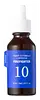
This calming serum is formulated around Glycyrrhiza Glabra Root Extract and Dipotassium Glycyrrhizate to calm redness and hydrate skin.
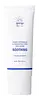
This hybrid sunscreen covers the full UV range and blocks ~98% of UVB at SPF 50.

What's inside
What's inside
 Key Ingredients
Benefits
Concerns
Ingredients Side-by-side
Water
Skin ConditioningPropanediol
Solvent

Butylene Glycol
Humectant
Glycerin
Humectant
1,2-Hexanediol
Skin Conditioning
Glycyrrhiza Glabra Root Extract
Bleaching



Glycereth-26
Humectant
Ammonium Acryloyldimethyltaurate/Vp Copolymer
Betaine
Humectant
Caprylyl/Capryl Glucoside
CleansingPolyglyceryl-10 Laurate
Skin Conditioning

Dipropylene Glycol
HumectantChamomilla Recutita Flower Extract
Masking
Sodium Hyaluronate
Humectant

Xanthan Gum
EmulsifyingDisodium EDTA
ChelatingPolyglyceryl-10 Oleate
Skin Conditioning
Juniperus Mexicana Oil
Masking
Rosa Damascena Flower Oil
Masking



Dipotassium Glycyrrhizate
Humectant
Pogostemon Cablin Leaf Oil
Masking
Vetiveria Zizanoides Root Oil
Masking
Guaiazulene
Antimicrobial
Beta-Glucan
Skin Conditioning
Polyglutamic Acid
Skin Conditioning
Water, Propanediol, Butylene Glycol, Glycerin, 1,2-Hexanediol, Glycyrrhiza Glabra Root Extract, Glycereth-26, Ammonium Acryloyldimethyltaurate/Vp Copolymer, Betaine, Caprylyl/Capryl Glucoside, Polyglyceryl-10 Laurate, Dipropylene Glycol, Chamomilla Recutita Flower Extract, Sodium Hyaluronate, Xanthan Gum, Disodium EDTA, Polyglyceryl-10 Oleate, Juniperus Mexicana Oil, Rosa Damascena Flower Oil, Dipotassium Glycyrrhizate, Pogostemon Cablin Leaf Oil, Vetiveria Zizanoides Root Oil, Guaiazulene, Beta-Glucan, Polyglutamic Acid
Water
Skin ConditioningZinc Oxide
Cosmetic Colorant


Dibutyl Adipate
EmollientPropylheptyl Caprylate
EmollientDipropylene Glycol
HumectantButyloctyl Salicylate
Skin Conditioning
Dicaprylyl Carbonate
EmollientTitanium Dioxide
Cosmetic Colorant
Polyglyceryl-4 Diisostearate/Polyhydroxystearate/Sebacate
Emulsifying
Niacinamide
Smoothing



Disiloxane
Skin Conditioning
Methyl Methacrylate Crosspolymer
Diethylamino Hydroxybenzoyl Hexyl Benzoate
UV Filter
Bis-Ethylhexyloxyphenol Methoxyphenyl Triazine
UV Absorber
Ethylhexyl Triazone
UV Absorber
Caprylyl Methicone
Skin Conditioning
Chamomilla Recutita Flower Extract
Masking
Glycyrrhiza Glabra Root Extract
Bleaching
Citrus Aurantium Bergamia Fruit Oil
Masking
Abies Sibirica Oil
Masking
Lavandula Hybrida Oil
Emollient
Citrus Aurantifolia Oil
Cleansing
Juniperus Mexicana Oil
Masking
Sodium Hyaluronate
Humectant
Pelargonium Graveolens Flower Oil
Masking
Pogostemon Cablin Leaf Oil
Masking
Litsea Cubeba Fruit Oil
Masking
Mentha Viridis Leaf Oil
Astringent
Polyglyceryl-3 Polydimethylsiloxyethyl Dimethicone
Skin Conditioning
Synthetic Fluorphlogopite
Disteardimonium Hectorite
StabilisingMagnesium Sulfate
Triethoxycaprylylsilane
1,2-Hexanediol
Skin Conditioning
Butylene Glycol
Humectant
Glyceryl Caprylate
EmollientCaprylyl Glycol
Emollient
Aluminum Hydroxide
EmollientEthylhexylglycerin
Skin ConditioningAdenosine
Skin Conditioning
Tocopherol
Antioxidant

Ectoin
Skin Conditioning
Hydrolyzed Hyaluronic Acid
Humectant
Xylitylglucoside
Humectant
Anhydroxylitol
Humectant
Xylitol
Humectant
Glucose
Humectant
Guaiazulene
Antimicrobial
CI 77492
Cosmetic ColorantCI 77491
Cosmetic ColorantCI 77499
Cosmetic ColorantLimonene
Perfuming
Linalool
Perfuming
Citral
Perfuming
Citronellol
Perfuming
Farnesol
Perfuming
Geraniol
Perfuming
Water, Zinc Oxide, Dibutyl Adipate, Propylheptyl Caprylate, Dipropylene Glycol, Butyloctyl Salicylate, Dicaprylyl Carbonate, Titanium Dioxide, Polyglyceryl-4 Diisostearate/Polyhydroxystearate/Sebacate, Niacinamide, Disiloxane, Methyl Methacrylate Crosspolymer, Diethylamino Hydroxybenzoyl Hexyl Benzoate, Bis-Ethylhexyloxyphenol Methoxyphenyl Triazine, Ethylhexyl Triazone, Caprylyl Methicone, Chamomilla Recutita Flower Extract, Glycyrrhiza Glabra Root Extract, Citrus Aurantium Bergamia Fruit Oil, Abies Sibirica Oil, Lavandula Hybrida Oil, Citrus Aurantifolia Oil, Juniperus Mexicana Oil, Sodium Hyaluronate, Pelargonium Graveolens Flower Oil, Pogostemon Cablin Leaf Oil, Litsea Cubeba Fruit Oil, Mentha Viridis Leaf Oil, Polyglyceryl-3 Polydimethylsiloxyethyl Dimethicone, Synthetic Fluorphlogopite, Disteardimonium Hectorite, Magnesium Sulfate, Triethoxycaprylylsilane, 1,2-Hexanediol, Butylene Glycol, Glyceryl Caprylate, Caprylyl Glycol, Aluminum Hydroxide, Ethylhexylglycerin, Adenosine, Tocopherol, Ectoin, Hydrolyzed Hyaluronic Acid, Xylitylglucoside, Anhydroxylitol, Xylitol, Glucose, Guaiazulene, CI 77492, CI 77491, CI 77499, Limonene, Linalool, Citral, Citronellol, Farnesol, Geraniol
Reviews
Ingredients Explained
These ingredients are found in both products.
Ingredients higher up in an ingredient list are typically present in a larger amount.
1,2-Hexanediol is a synthetic liquid and another multi-functional powerhouse.
It is a:
- Humectant, drawing moisture into the skin
- Emollient, helping to soften skin
- Solvent, dispersing and stabilizing formulas
- Preservative booster, enhancing the antimicrobial activity of other preservatives
Butylene Glycol (or BG) is used within cosmetic products for a few different reasons:
Overall, Butylene Glycol is a safe and well-rounded ingredient that works well with other ingredients.
Though this ingredient works well with most skin types, some people with sensitive skin may experience a reaction such as allergic rashes, closed comedones, or itchiness.
Learn more about Butylene GlycolChamomilla Recutita Flower Extract comes from the Chamomile flower.
Chamomile is rich in antioxidants and has anti-inflammatory properties. Several compounds found in chamomile help with soothing, such as bisbolol.
Antioxidant components in chamomile make it an effective ingredient to help slow the signs of aging. Antioxidants help fight free-radical molecules, or molecules that may damage your skin.
Essential oils from chamomile have been found to improve wound healing due to its antimicrobial properties.
Ancient Greeks and Egyptians used Chamomile to treat skin redness and dryness. Chamomile has also been used to help treat stomach issues.
Learn more about Chamomilla Recutita Flower ExtractDipropylene Glycol is a synthetically created humectant, stabilizer, and solvent.
This ingredient helps:
Dipropylene glycol is technically an alcohol, but it belongs to the glycol family (often considered part of the ‘good’ alcohols). This means it is hydrating and gentle on skin unlike drying solvent alcohols like denatured alcohol.
As a masking agent, Dipropylene Glycol can be used to cover the smell of other ingredients. However, it does not have a scent.
Studies show Dipropylene Glycol is considered safe to use in skincare.
Learn more about Dipropylene GlycolGlycyrrhiza Glabra Root Extract is an extract of the roots of Licorice. It has been found to have several benefits such as skin hydrating, conditioning, and soothing.
One component, glabridin, has extra potent antioxidant and soothing properties. It has also been found to block pigmentation from UVB rays in guinea pigs.
Licorice Root also contains a flavonoid. Flavonoids are a natural substance from in plants. Flavonoids also have antioxidant properties.
Another component, glycyrrhizin, has been found to have anti-inflammatory and antimicrobial benefits. This may make licorice root extract effective at treating acne. However, more research is needed to support this.
Liquiritin is one of the flavone compounds found in licorice. It has been found to help lighten skin by preventing tyrosinase from reacting with tyrosine. When the two react, protein is converted to melanin. Melanin is the substance in your body that gives your features pigmentation.
Learn more about Glycyrrhiza Glabra Root ExtractGuaiazulene is a fragrance.
This essential oil is steam-distilled from the wood of the Juniperus tree. It's mainly a fragrance ingredient used to cover the scent of other ingredients. It has a warm, woody scent.
Be sure to patch test if you are sensitive to essential oils or fragrance.
Another name for this ingredient is Texas Cedarwood oil.
Learn more about Juniperus Mexicana OilThis ingredient is also known as Patchouli oil. Its main role is to add a warm, earthy, and musky scent to products.
Patchouli exhibits slight antioxidant, antibacterial and antifungal activity from its patchoulol, beta-caryophyllene, pogostone content.
Like all essential oils, this ingredient is a known sensitizer at higher concentrations. This is because this oil also contains known skin-irritating fragrances, limonene and camphor. Limonene and camphor are both known EU allergens.
While patchouli oil holds FDA GRAS ("generally recognized as safe") status, it is typically used at low levels and subject to usage guidelines.
Those with sensitive skin should patch test before using.
Learn more about Pogostemon Cablin Leaf OilSodium Hyaluronate is the salt form of hyaluronic acid. It is a long sugar chain that is naturally found in your skin, joints, and connective tissue that maintains hydration and elasticity.
In skincare, it works as a humectant. It pulls water from the environment and deeper layers of skin and binds it to the surface.
Interestingly, the size of the molecule affects its behavior:
Some clinical evidence links low molecular weight versions to improved wrinkle depth, elasticity, anti-inflammatory effects, and barrier repair.
Many serums use a blend of both weights so you can get surface hydration plus longer-lasting and deeper effects.
You'll typically see concentrations between 0.1-2% for this ingredient.
Learn more about Sodium HyaluronateWater. It's the most common cosmetic ingredient of all. You'll usually see it at the top of ingredient lists, meaning that it makes up the largest part of the product.
So why is it so popular? Water most often acts as a solvent - this means that it helps dissolve other ingredients into the formulation.
You'll also recognize water as that liquid we all need to stay alive. If you see this, drink a glass of water. Remember to stay hydrated!
Learn more about Water

