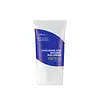
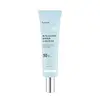
Isntree Hyaluronic Acid Natural Sun Cream SPF 50+ Versus iUNIK Beta-Glucan Barrier Sunscreen SPF 50+

What's inside
What's inside
 Key Ingredients
Benefits
Concerns
No concerns
Ingredients Side-by-side
Water
Skin ConditioningZinc Oxide
Cosmetic Colorant


Butyloctyl Salicylate
Skin Conditioning
Propylheptyl Caprylate
EmollientButylene Glycol
Humectant

Isododecane
EmollientC15-19 Alkane
SolventDisiloxane
Skin Conditioning
Cetyl Diglyceryl Tris(Trimethylsiloxy)Silylethyl Dimethicone
Emulsion Stabilising
Caprylyl Methicone
Skin Conditioning
Sodium Chloride
MaskingTriethylhexanoin
MaskingSodium Hyaluronate
Humectant


Glycerin
Humectant
Methyl Methacrylate Crosspolymer
Disteardimonium Hectorite
StabilisingTriethoxycaprylylsilane
Polymethylsilsesquioxane
1,2-Hexanediol
Skin Conditioning
Lauryl Polyglyceryl-3 Polydimethylsiloxyethyl Dimethicone
Skin Conditioning
Polyglyceryl-2 Dipolyhydroxystearate
Skin Conditioning
Lauryl Dimethicone/Polyglycerin-3 Crosspolymer
Cleansing
Caprylyl Glycol
Emollient
Glyceryl Caprylate
EmollientDipropylene Glycol
HumectantTocopherol
Antioxidant



Sodium Citrate
BufferingBetaine
Humectant
Inositol
Humectant
Panthenol
Skin Conditioning
Water, Zinc Oxide, Butyloctyl Salicylate, Propylheptyl Caprylate, Butylene Glycol, Isododecane, C15-19 Alkane, Disiloxane, Cetyl Diglyceryl Tris(Trimethylsiloxy)Silylethyl Dimethicone, Caprylyl Methicone, Sodium Chloride, Triethylhexanoin, Sodium Hyaluronate, Glycerin, Methyl Methacrylate Crosspolymer, Disteardimonium Hectorite, Triethoxycaprylylsilane, Polymethylsilsesquioxane, 1,2-Hexanediol, Lauryl Polyglyceryl-3 Polydimethylsiloxyethyl Dimethicone, Polyglyceryl-2 Dipolyhydroxystearate, Lauryl Dimethicone/Polyglycerin-3 Crosspolymer, Caprylyl Glycol, Glyceryl Caprylate, Dipropylene Glycol, Tocopherol, Sodium Citrate, Betaine, Inositol, Panthenol
Water
Skin ConditioningDibutyl Adipate
Emollient2,3-Butanediol
HumectantEthylhexyl Triazone
UV Absorber
Diethylamino Hydroxybenzoyl Hexyl Benzoate
UV Filter
Drometrizole Trisiloxane
UV Absorber
Terephthalylidene Dicamphor Sulfonic Acid
UV Absorber
1,2-Hexanediol
Skin Conditioning
Butyloctyl Salicylate
Skin Conditioning
Behenyl Alcohol
Emollient
Tromethamine
BufferingDiethylhexyl Butamido Triazone
UV Absorber
Diisopropyl Sebacate
EmollientVinyldimethicone
Arachidyl Alcohol
Emollient
Acrylates/C10-30 Alkyl Acrylate Crosspolymer
Emulsion StabilisingMethyl Methacrylate Crosspolymer
Caprylyl Methicone
Skin Conditioning
Batyl Alcohol
EmollientStearic Acid
Cleansing
Sodium Polyacryloyldimethyl Taurate
Emulsion StabilisingArachidyl Glucoside
EmulsifyingPolyacrylate Crosspolymer-6
Emulsion StabilisingStearyl Alcohol
Emollient
Allantoin
Skin Conditioning
Ethylhexylglycerin
Skin ConditioningPanthenol
Skin Conditioning
Lecithin
Emollient
Caprylic/Capric Triglyceride
Masking
Microcrystalline Cellulose
AbsorbentCellulose Gum
Emulsion StabilisingGlucose
Humectant
Butylene Glycol
Humectant
Propanediol
Solvent
Beta-Glucan
Skin Conditioning
Maltodextrin
Absorbent
Chlorella Ferment
Skin Conditioning
Lactobacillus Ferment
Skin Conditioning
Panax Ginseng Extract
Antioxidant
Sodium Benzoate
Masking
Glyceryl Caprylate
EmollientAcetyl Hexapeptide-8
Humectant
Water, Dibutyl Adipate, 2,3-Butanediol, Ethylhexyl Triazone, Diethylamino Hydroxybenzoyl Hexyl Benzoate, Drometrizole Trisiloxane, Terephthalylidene Dicamphor Sulfonic Acid, 1,2-Hexanediol, Butyloctyl Salicylate, Behenyl Alcohol, Tromethamine, Diethylhexyl Butamido Triazone, Diisopropyl Sebacate, Vinyldimethicone, Arachidyl Alcohol, Acrylates/C10-30 Alkyl Acrylate Crosspolymer, Methyl Methacrylate Crosspolymer, Caprylyl Methicone, Batyl Alcohol, Stearic Acid, Sodium Polyacryloyldimethyl Taurate, Arachidyl Glucoside, Polyacrylate Crosspolymer-6, Stearyl Alcohol, Allantoin, Ethylhexylglycerin, Panthenol, Lecithin, Caprylic/Capric Triglyceride, Microcrystalline Cellulose, Cellulose Gum, Glucose, Butylene Glycol, Propanediol, Beta-Glucan, Maltodextrin, Chlorella Ferment, Lactobacillus Ferment, Panax Ginseng Extract, Sodium Benzoate, Glyceryl Caprylate, Acetyl Hexapeptide-8
Reviews
Ingredients Explained
These ingredients are found in both products.
Ingredients higher up in an ingredient list are typically present in a larger amount.
1,2-Hexanediol is a synthetic liquid and another multi-functional powerhouse.
It is a:
- Humectant, drawing moisture into the skin
- Emollient, helping to soften skin
- Solvent, dispersing and stabilizing formulas
- Preservative booster, enhancing the antimicrobial activity of other preservatives
Butylene Glycol (or BG) is used within cosmetic products for a few different reasons:
Overall, Butylene Glycol is a safe and well-rounded ingredient that works well with other ingredients.
Though this ingredient works well with most skin types, some people with sensitive skin may experience a reaction such as allergic rashes, closed comedones, or itchiness.
Learn more about Butylene GlycolButyloctyl Salicylate is a chemical UV filter structurally similar to octisalate. It is a photostabilizer, SPF booster, emollient and solvent. This ingredient helps evenly spread out ingredients.
According to a manufacturer, it is suitable for pairing with micro Titanium Dioxide, Zinc Oxide, and pigments.
Photostabilizers help stabilize UV-filters and prevents them from degrading quickly.
Learn more about Butyloctyl SalicylateCaprylyl Methicone is a synthetic and lightweight silicone fluid. It gives products a silky, dry-touch finish without the heaviness of pure oils.
Though the EU CosIng Database lists this ingredient as a skin conditioner, it is also used for sensory reasons. It spreads easily, cuts greasiness, and reduces tackiness.
This ingredient is volatile which means it will mostly evaporate (but it evaporates slower than older cyclomethicones, like Cyclotetrasiloxane).
Typical concentration ranges from 1-30% depending on if it's being used to tweak the feel of a product or acting as the main emollient.
Learn more about Caprylyl MethiconeGlyceryl Caprylate comes from glycerin and caprylic acid. It is an emollient, co-emulsifier, and preservative booster.
Its short C8 fatty acid chain makes it behave differently from its longer-chain emollient cousins like Glyceryl Stearate. It feels more lightweight, fast-absorbing, and silky instead of rich and waxy.
As a co-emulsifier, its "head" and "tail" sit at the oil-water interface. But overall, the short C8 tail and not being water soluble means it doesn't really have the muscle to emulsify a formula on its own. That's why you'll often see it paired with a primary emulsifier like Cetearyl Glucoside.
Interestingly, Glyceryl Caprylate acts as a preservative booster. This is because its fatty-acid backbone disrupts microbial lipid membranes. It shows excellent activity against bacteria and yeast but is weaker against mold.
Typical concentrations range from 0.5-1% and this ingredient is generally non-irritating.
Because this ingredient has a C8 fatty acid chain, it is outside the range that the Malassezia yeast metabolizes (making it fungal acne safe).
Learn more about Glyceryl CaprylateThis ingredient comes as a powder made up of small, porous, microbeads. It is used to add a silky feel to products and also helps absorb oil.
Panthenol is a common ingredient that helps hydrate and soothe the skin. It is found naturally in our skin and hair.
There are two forms of panthenol: D and L.
D-panthenol is also known as dexpanthenol. Most cosmetics use dexpanthenol or a mixture of D and L-panthenol.
Panthenol is famous due to its ability to go deeper into the skin's layers. Using this ingredient has numerous pros (and no cons):
Like hyaluronic acid, panthenol is a humectant. Humectants are able to bind and hold large amounts of water to keep skin hydrated.
This ingredient works well for wound healing. It works by increasing tissue in the wound and helps close open wounds.
Once oxidized, panthenol converts to pantothenic acid. Panthothenic acid is found in all living cells.
This ingredient is also referred to as pro-vitamin B5.
Learn more about PanthenolWater. It's the most common cosmetic ingredient of all. You'll usually see it at the top of ingredient lists, meaning that it makes up the largest part of the product.
So why is it so popular? Water most often acts as a solvent - this means that it helps dissolve other ingredients into the formulation.
You'll also recognize water as that liquid we all need to stay alive. If you see this, drink a glass of water. Remember to stay hydrated!
Learn more about Water
