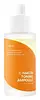
This brightening ampoule is formulated around Hippophae Rhamnoides Fruit Extract and Niacinamide to brighten dull-looking skin and calm redness.
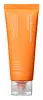
This brightening moisturizer is formulated around Hippophae Rhamnoides Fruit Extract and Niacinamide to brighten dull-looking skin and fade the look of dark spots.

What's inside
What's inside
 Key Ingredients
Benefits
Concerns
Ingredients Side-by-side
Hippophae Rhamnoides Fruit Extract
Skin Conditioning


Butylene Glycol
Humectant
Pentylene Glycol
Skin Conditioning
Glycerin
Humectant
Betaine
Humectant
Water
Skin ConditioningNiacinamide
Smoothing







Propanediol
Solvent
Aloe Barbadensis Leaf Extract
Emollient
Melia Azadirachta Flower Extract
Skin ConditioningMelia Azadirachta Leaf Extract
Skin ConditioningCucurbita Pepo Fruit Extract
Skin Conditioning
Physalis Alkekengi Fruit Extract
Skin ConditioningSodium Hyaluronate
Humectant
Dipotassium Glycyrrhizate
Humectant
Ocimum Sanctum Leaf Extract
Skin ConditioningBeta-Glucan
Skin Conditioning
Curcuma Longa Root Extract
Antioxidant

Corallina Officinalis Extract
Skin Conditioning

Brassica Oleracea Italica Extract
AstringentCoccinia Indica Fruit Extract
Skin Conditioning
Moringa Oleifera Seed Oil
Emollient


Boswellia Serrata Resin Extract
SmoothingBioflavonoids
Skin ConditioningPanthenol
Skin Conditioning
Allantoin
Skin Conditioning
Sodium Polyacrylate
Absorbent
Ammonium Acryloyldimethyltaurate/Vp Copolymer
3-O-Ethyl Ascorbic Acid
Skin Conditioning
Ethyl Hexanediol
SolventPolysorbate 80
Emulsifying
1,2-Hexanediol
Skin Conditioning
Hippophae Rhamnoides Fruit Extract, Butylene Glycol, Pentylene Glycol, Glycerin, Betaine, Water, Niacinamide, Propanediol, Aloe Barbadensis Leaf Extract, Melia Azadirachta Flower Extract, Melia Azadirachta Leaf Extract, Cucurbita Pepo Fruit Extract, Physalis Alkekengi Fruit Extract, Sodium Hyaluronate, Dipotassium Glycyrrhizate, Ocimum Sanctum Leaf Extract, Beta-Glucan, Curcuma Longa Root Extract, Corallina Officinalis Extract, Brassica Oleracea Italica Extract, Coccinia Indica Fruit Extract, Moringa Oleifera Seed Oil, Boswellia Serrata Resin Extract, Bioflavonoids, Panthenol, Allantoin, Sodium Polyacrylate, Ammonium Acryloyldimethyltaurate/Vp Copolymer, 3-O-Ethyl Ascorbic Acid, Ethyl Hexanediol, Polysorbate 80, 1,2-Hexanediol
Hippophae Rhamnoides Fruit Extract
Skin Conditioning
Glycerin
Humectant
Glycereth-26
Humectant
Niacinamide
Smoothing
Caprylic/Capric/Succinic Triglyceride
EmollientWater
Skin ConditioningButylene Glycol
Humectant
1,2-Hexanediol
Skin Conditioning
Hydrogenated Poly(C6-14 Olefin)
EmollientPolyglyceryl-4 Caprate
EmulsifyingAstaxanthin
Skin Conditioning
Haematococcus Pluvialis Oil
Antioxidant
Gluconolactone
Chelating
Glyceryl Glucoside
Humectant
Xylitylglucoside
Humectant
Anhydroxylitol
Humectant
Carthamus Tinctorius Seed Oil
Masking
Adenosine
Skin Conditioning
Xylitol
Humectant
Bisabolol
Antioxidant
Tranexamic Acid
Astringent
Glutathione
Hippophae Rhamnoides Fruit Oil
Skin Protecting
Moringa Oleifera Seed Oil
Emollient
Glucose
Humectant
Tocopherol
Antioxidant
Biota Orientalis Leaf Extract
HumectantZanthoxylum Piperitum Fruit Extract
Skin ConditioningUbiquinone
Antioxidant
Eclipta Prostrata Extract
Skin Conditioning
Melia Azadirachta Leaf Extract
Skin ConditioningPolygonum Cuspidatum Root Extract
Antioxidant
Cetearyl Olivate
Sorbitan Olivate
Emulsifying
Ammonium Acryloyldimethyltaurate/Vp Copolymer
Carbomer
Emulsion StabilisingArginine
Masking
Caprylyl Glycol
Emollient
Ethylhexylglycerin
Skin ConditioningAgar
MaskingDisodium EDTA
ChelatingHippophae Rhamnoides Fruit Extract, Glycerin, Glycereth-26, Niacinamide, Caprylic/Capric/Succinic Triglyceride, Water, Butylene Glycol, 1,2-Hexanediol, Hydrogenated Poly(C6-14 Olefin), Polyglyceryl-4 Caprate, Astaxanthin, Haematococcus Pluvialis Oil, Gluconolactone, Glyceryl Glucoside, Xylitylglucoside, Anhydroxylitol, Carthamus Tinctorius Seed Oil, Adenosine, Xylitol, Bisabolol, Tranexamic Acid, Glutathione, Hippophae Rhamnoides Fruit Oil, Moringa Oleifera Seed Oil, Glucose, Tocopherol, Biota Orientalis Leaf Extract, Zanthoxylum Piperitum Fruit Extract, Ubiquinone, Eclipta Prostrata Extract, Melia Azadirachta Leaf Extract, Polygonum Cuspidatum Root Extract, Cetearyl Olivate, Sorbitan Olivate, Ammonium Acryloyldimethyltaurate/Vp Copolymer, Carbomer, Arginine, Caprylyl Glycol, Ethylhexylglycerin, Agar, Disodium EDTA
Reviews
Ingredients Explained
These ingredients are found in both products.
Ingredients higher up in an ingredient list are typically present in a larger amount.
1,2-Hexanediol is a synthetic liquid and another multi-functional powerhouse.
It is a:
- Humectant, drawing moisture into the skin
- Emollient, helping to soften skin
- Solvent, dispersing and stabilizing formulas
- Preservative booster, enhancing the antimicrobial activity of other preservatives
Ammonium Acryloyldimethyltaurate/Vp Copolymer is a synthetically created polymer. It's used as a film-forming agent and used to thicken the consistency of products.
Think of it as a supportive ingredient that helps your gel-creams feel silky, "cloud cream-like", and spread evenly without being greasy.
The Cosmetic Ingredient Review (CIR) Expert Panel evaluated it (along with 22 other acryloyldimethyltaurate polymers) and concluded it's:
Due to its large molecular size, it sits on the surface of skin rather than penetrating it.
Learn more about Ammonium Acryloyldimethyltaurate/Vp CopolymerButylene Glycol (or BG) is used within cosmetic products for a few different reasons:
Overall, Butylene Glycol is a safe and well-rounded ingredient that works well with other ingredients.
Though this ingredient works well with most skin types, some people with sensitive skin may experience a reaction such as allergic rashes, closed comedones, or itchiness.
Learn more about Butylene GlycolGlycerin (or glycerol) is a compound naturally found in your skin. It's a powerhouse humectant that pulls water into the stratum corneum.
Topically, glycerin does several things at once:
Your skin makes glycerin on its own (mostly from sebaceous oil breakdown) and shuttles it to your outermost layer of skin, or your epidermis, via aquaporin-3.
Aquaporin-3 is a transporter that is essential for normal skin hydration, elasticity, and repair. Interestingly, mice lacking in AQP3 have dry and less elastic skin that can be fully corrected with glycerin.
This ingredient is non-irritating, plays well with almost every ingredient, and works across all skin types. Typical use is anywhere between 3-10% but can go up to 79% in some leave-on products.
Just know very high concentrations (>40%) can feel tacky in low humidity.
Glycerin is the name for this ingredient in American English. British English uses Glycerol/Glycerine.
Learn more about GlycerinHippophae Rhamnoides Fruit Extract comes from the seabuckthorn berry. This berry is native to Asia and has been used in traditional medicine for centuries.
The seabuckthorn fruit contains carotenoids, palmitic acid, palmitoleic acid, Vitamin C, linoleic acid, and vitamin E.
The nutritious content of seabuckthorn fruit helps hydrate and nourish the skin. A study from 2018 found seabuckthorn may help with alleviating UV damage due to its anti-inflammatory property. However, it should not replace your sunscreen.
Due to its antioxidant properties, seabuckthorn fruit may help reduce the signs of aging. Antioxidants help fight unstable free-radical molecules, or molecules that may damage your skin cells.
Learn more about Hippophae Rhamnoides Fruit ExtractThis ingredient is also known as neem leaf extract. It contains natural compounds like nimbidin, quercetin, and other polyphenols that give it antibacterial, antifungal, and anti-inflammatory activity.
Lab studies have shown neem leaf extract can inhibit acne-related bacteria and help calm skin. Animal studies on wound gels using 1-3% neem leaf extract found it sped up healing without causing irritation.
A wound-healing study testing gels with the extract at 1%, 2%, and 3% concentrations and found none of them irritated the skin.
Most commercial products also use it in a similar low range (typically under 5%).
Allergy-wise, there are some case reports on neem oil causing allergic contact dermatitis so people with plant/botanical sensitivities may want to patch test first.
Learn more about Melia Azadirachta Leaf ExtractMoringa Oleifera Seed Oil is a lightweight oil from the seeds of the Moringa oleifera tree. In cosmetics, it's an emollient that forms a light film to slow water loss and soften skin.
Its fatty acid composition is dominated by oleic acid (70-78%), with smaller amounts of behenic, palmitic, and stearic acids (this profile is actually pretty similar to olive oil).
Notably, this ingredient is oxidatively stable for an oil and resists going rancid as fast as other oils.
A small, in vivo study on 32 participants found a cream with this ingredient increased skin hydration with no reported skin irritation. It also found the tocopherol content gave it some antioxidant activity as well.
Because this oil is so high in oleic acid, Malassezia can use it as a food source and this ingredient may not be fungal acne safe.
For everyone else, this ingredient is well-tolerated and nourishing with a good safety track record.
This ingredient shows up on a lot of "pore-clogging" lists but there's no real evidence behind that. It doesn't even have a comedogenic rating from an actual study; the numbers you'll find online come from blogs citing other blogs.
Ratings for other ingredients mostly come from a 1980s rabbit ear test. This test doesn't translate well to human skin or to real products because the ingredient sits at a much lower percentage.
Some people still find it breaks them out. So if that's you, definitely trust your skin.
Learn more about Moringa Oleifera Seed OilNiacinamide is a multitasking form of vitamin B3 that strengthens the skin barrier, reduces pores and dark spots, regulates oil, and improves signs of aging.
And the best part? It's gentle and well-tolerated by most skin types, including sensitive and reactive skin.
You might have heard of "niacin flush", or the reddening of skin that causes itchiness. Niacinamide has not been found to cause this.
In very rare cases, some individuals may not be able to tolerate niacinamide at all or experience an allergic reaction to it.
If you are experiencing flaking, irritation, and dryness with this ingredient, be sure to double check all your products as this ingredient can be found in all categories of skincare.
When incorporating niacinamide into your routine, look out for concentration amounts. Typically, 5% niacinamide provides benefits such as fading dark spots. However, if you have sensitive skin, it is better to begin with a smaller concentration.
When you apply niacinamide to your skin, your body converts it into nicotinamide adenine dinucleotide (NAD). NAD is an essential coenzyme that is already found in your cells as "fuel" and powers countless biological processes.
In your skin, NAD helps repair cell damage, produce new healthy cells, support collagen production, strengthen the skin barrier, and fight environmental stressors (like UV and pollution).
Our natural NAD levels start to decline with age, leading to slower skin repair, visible aging, and a weaker skin barrier. By providing your skin niacinamide, you're recharging your skin's NAD levels. This leads to stronger, healthier, and younger looking skin.
Another name for vitamin B3 is nicotinamide. This vitamin is water-soluble and our bodies don't store it. We obtain Vitamin B3 from either food or skincare. Meat, fish, wheat, yeast, and leafy greens contain vitamin B3.
The type of niacinamide used in skincare is synthetically created.
Learn more about NiacinamideWater. It's the most common cosmetic ingredient of all. You'll usually see it at the top of ingredient lists, meaning that it makes up the largest part of the product.
So why is it so popular? Water most often acts as a solvent - this means that it helps dissolve other ingredients into the formulation.
You'll also recognize water as that liquid we all need to stay alive. If you see this, drink a glass of water. Remember to stay hydrated!
Learn more about Water

