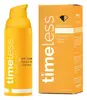
This brightening serum is formulated around Ascorbic Acid and Tocopherol to brighten dull-looking skin and soften the look of wrinkles.
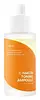
This brightening ampoule is formulated around Hippophae Rhamnoides Fruit Extract and Niacinamide to brighten dull-looking skin and calm redness.


What's inside
What's inside
 Key Ingredients
Benefits
Concerns
Ingredients Side-by-side






Hippophae Rhamnoides Fruit Extract
Skin Conditioning


Butylene Glycol
Humectant
Pentylene Glycol
Skin Conditioning
Glycerin
Humectant
Betaine
Humectant
Water
Skin ConditioningNiacinamide
Smoothing







Propanediol
Solvent
Aloe Barbadensis Leaf Extract
Emollient
Melia Azadirachta Flower Extract
Skin ConditioningMelia Azadirachta Leaf Extract
Skin ConditioningCucurbita Pepo Fruit Extract
Skin Conditioning
Physalis Alkekengi Fruit Extract
Skin ConditioningSodium Hyaluronate
Humectant
Dipotassium Glycyrrhizate
Humectant
Ocimum Sanctum Leaf Extract
Skin ConditioningBeta-Glucan
Skin Conditioning
Curcuma Longa Root Extract
Antioxidant

Corallina Officinalis Extract
Skin Conditioning

Brassica Oleracea Italica Extract
AstringentCoccinia Indica Fruit Extract
Skin Conditioning
Moringa Oleifera Seed Oil
Emollient


Boswellia Serrata Resin Extract
SmoothingBioflavonoids
Skin ConditioningPanthenol
Skin Conditioning
Allantoin
Skin Conditioning
Sodium Polyacrylate
Absorbent
Ammonium Acryloyldimethyltaurate/Vp Copolymer
3-O-Ethyl Ascorbic Acid
Skin Conditioning
Ethyl Hexanediol
SolventPolysorbate 80
Emulsifying
1,2-Hexanediol
Skin Conditioning
Hippophae Rhamnoides Fruit Extract, Butylene Glycol, Pentylene Glycol, Glycerin, Betaine, Water, Niacinamide, Propanediol, Aloe Barbadensis Leaf Extract, Melia Azadirachta Flower Extract, Melia Azadirachta Leaf Extract, Cucurbita Pepo Fruit Extract, Physalis Alkekengi Fruit Extract, Sodium Hyaluronate, Dipotassium Glycyrrhizate, Ocimum Sanctum Leaf Extract, Beta-Glucan, Curcuma Longa Root Extract, Corallina Officinalis Extract, Brassica Oleracea Italica Extract, Coccinia Indica Fruit Extract, Moringa Oleifera Seed Oil, Boswellia Serrata Resin Extract, Bioflavonoids, Panthenol, Allantoin, Sodium Polyacrylate, Ammonium Acryloyldimethyltaurate/Vp Copolymer, 3-O-Ethyl Ascorbic Acid, Ethyl Hexanediol, Polysorbate 80, 1,2-Hexanediol
Reviews
Ingredients Explained
These ingredients are found in both products.
Ingredients higher up in an ingredient list are typically present in a larger amount.
Panthenol is a common ingredient that helps hydrate and soothe the skin. It is found naturally in our skin and hair.
There are two forms of panthenol: D and L.
D-panthenol is also known as dexpanthenol. Most cosmetics use dexpanthenol or a mixture of D and L-panthenol.
Panthenol is famous due to its ability to go deeper into the skin's layers. Using this ingredient has numerous pros (and no cons):
Like hyaluronic acid, panthenol is a humectant. Humectants are able to bind and hold large amounts of water to keep skin hydrated.
This ingredient works well for wound healing. It works by increasing tissue in the wound and helps close open wounds.
Once oxidized, panthenol converts to pantothenic acid. Panthothenic acid is found in all living cells.
This ingredient is also referred to as pro-vitamin B5.
Learn more about PanthenolPolysorbate 80 is a synthetic surfactant and emulsifier derived from sorbitol and oleic acid.
It reduces the surface tension between oil and water phases to help them stay mixed and stable in a formulation. In other words, it prevents your formulas from separating into an oily mess.
The CIR Expert Panel has evaluated the scientific data and found this ingredient to be safe, non-irritating, and non-sensitizing at concentrations up to 5% (it's even approved by the FDA as an OTC eye drop ingredient).
Learn more about Polysorbate 80Sodium Hyaluronate is the salt form of hyaluronic acid. It is a long sugar chain that is naturally found in your skin, joints, and connective tissue that maintains hydration and elasticity.
In skincare, it works as a humectant. It pulls water from the environment and deeper layers of skin and binds it to the surface.
Interestingly, the size of the molecule affects its behavior:
Some clinical evidence links low molecular weight versions to improved wrinkle depth, elasticity, anti-inflammatory effects, and barrier repair.
Many serums use a blend of both weights so you can get surface hydration plus longer-lasting and deeper effects.
You'll typically see concentrations between 0.1-2% for this ingredient.
Learn more about Sodium HyaluronateWater. It's the most common cosmetic ingredient of all. You'll usually see it at the top of ingredient lists, meaning that it makes up the largest part of the product.
So why is it so popular? Water most often acts as a solvent - this means that it helps dissolve other ingredients into the formulation.
You'll also recognize water as that liquid we all need to stay alive. If you see this, drink a glass of water. Remember to stay hydrated!
Learn more about Water

