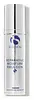
This hydrating emulsion is formulated around Sodium Hyaluronate and Squalane to hydrate skin and strengthen the skin barrier.
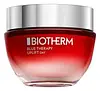
This anti-aging day moisturizer is formulated around Palmitoyl Tripeptide-1 to soften the look of wrinkles and refine skin texture.


What's inside
What's inside
 Key Ingredients
Benefits
Concerns
Ingredients Side-by-side
Water
Skin ConditioningSodium Hyaluronate
Humectant




Glycerin
Humectant
Squalane
Emollient
Caprylic/Capric Triglyceride
Masking
Tocopherol
Antioxidant



Panthenyl Triacetate
Ethyl Linoleate
Emollient



Butylene Glycol
Humectant
Acetyl Tyrosine
Skin ConditioningProline
Skin Conditioning
Lecithin
Emollient
Glycosaminoglycans
EmollientBeta Vulgaris Root Extract
Skin ConditioningHaberlea Rhodopensis Leaf Extract
Skin ConditioningXanthan Gum
EmulsifyingCarbomer
Emulsion StabilisingTriethanolamine
BufferingUrea
Buffering

Glucose
Humectant
Guanidine Hcl
BufferingCetearyl Alcohol
Emollient



Ceteareth-20
Cleansing
Dimethicone
Emollient
Faex Extract
Skin ConditioningDipalmitoyl Hydroxyproline
Skin Conditioning
Cyclomethicone
Emollient
Hydrolyzed Vegetable Protein
Skin ConditioningHydrolyzed Soy Protein
Humectant
Tripeptide-10 Citrulline
Skin Conditioning
Tripeptide-1
Skin Conditioning
Polysorbate 40
Emulsifying
Superoxide Dismutase
Antioxidant
Pvp
Emulsion StabilisingPanthenol
Skin Conditioning
Phospholipids
Skin Conditioning
Retinyl Palmitate
Skin Conditioning
Tocopheryl Acetate
Antioxidant
Ascorbyl Palmitate
Antioxidant
Pantothenic Acid
Skin ConditioningEthylbisiminomethylguaiacol Manganese Chloride
Antioxidant
1,2-Hexanediol
Skin Conditioning
Caprylyl Glycol
Emollient
Disodium EDTA
ChelatingWater, Sodium Hyaluronate, Glycerin, Squalane, Caprylic/Capric Triglyceride, Tocopherol, Panthenyl Triacetate, Ethyl Linoleate, Butylene Glycol, Acetyl Tyrosine, Proline, Lecithin, Glycosaminoglycans, Beta Vulgaris Root Extract, Haberlea Rhodopensis Leaf Extract, Xanthan Gum, Carbomer, Triethanolamine, Urea, Glucose, Guanidine Hcl, Cetearyl Alcohol, Ceteareth-20, Dimethicone, Faex Extract, Dipalmitoyl Hydroxyproline, Cyclomethicone, Hydrolyzed Vegetable Protein, Hydrolyzed Soy Protein, Tripeptide-10 Citrulline, Tripeptide-1, Polysorbate 40, Superoxide Dismutase, Pvp, Panthenol, Phospholipids, Retinyl Palmitate, Tocopheryl Acetate, Ascorbyl Palmitate, Pantothenic Acid, Ethylbisiminomethylguaiacol Manganese Chloride, 1,2-Hexanediol, Caprylyl Glycol, Disodium EDTA
Water
Skin ConditioningGlycerin
Humectant
Dimethicone
Emollient
Rhamnose
HumectantIsohexadecane
EmollientAlcohol Denat.
Antimicrobial


Propanediol
Solvent
Isopropyl Isostearate
Emollient
Behenyl Alcohol
Emollient
Vinyl Dimethicone/Methicone Silsesquioxane Crosspolymer

Cetyl Alcohol
Emollient
Dimethicone/Vinyl Dimethicone Crosspolymer
Skin Conditioning
Nylon-12

Alaria Esculenta Extract
Skin Protecting
Carrageenan
Tin Oxide
Abrasive
PEG-100 Stearate
Surfactant
Stearic Acid
Cleansing
Sorbitan Oleate
Emulsifying
Carbomer
Emulsion StabilisingCetearyl Alcohol
Emollient
Cetearyl Glucoside
Emulsifying
Caffeine
Skin Conditioning
Neohesperidin Dihydrochalcone
Masking
Sodium Chloride
MaskingSodium Lactate
Buffering
Myristic Acid
Cleansing
Palmitic Acid
Emollient
Palmitoyl Tetrapeptide-7
Skin Conditioning
Palmitoyl Tripeptide-1
Skin Conditioning
Adenosine
Skin Conditioning
Ammonium Polyacryloyldimethyl Taurate
Emulsion StabilisingDisodium Stearoyl Glutamate
CleansingHydrolyzed Rhodophyceae Extract
Caprylic/Capric Triglyceride
Masking
Caprylyl Glycol
Emollient
Vitreoscilla Ferment
Skin Conditioning
Citric Acid
Buffering
Trisodium Ethylenediamine Disuccinate
ChelatingXanthan Gum
EmulsifyingSynthetic Fluorphlogopite
Polysorbate 20
Emulsifying
Polysorbate 80
Emulsifying
Acrylamide/Sodium Acryloyldimethyltaurate Copolymer
Emulsion StabilisingButylene Glycol
Humectant
Phenoxyethanol
Preservative
CI 77163
Cosmetic Colorant
CI 77491
Cosmetic ColorantCI 77891
Cosmetic ColorantMica
Cosmetic ColorantLinalool
Perfuming
Geraniol
Perfuming
Limonene
Perfuming
Citronellol
Perfuming
Parfum
Masking
Water, Glycerin, Dimethicone, Rhamnose, Isohexadecane, Alcohol Denat., Propanediol, Isopropyl Isostearate, Behenyl Alcohol, Vinyl Dimethicone/Methicone Silsesquioxane Crosspolymer, Cetyl Alcohol, Dimethicone/Vinyl Dimethicone Crosspolymer, Nylon-12, Alaria Esculenta Extract, Carrageenan, Tin Oxide, PEG-100 Stearate, Stearic Acid, Sorbitan Oleate, Carbomer, Cetearyl Alcohol, Cetearyl Glucoside, Caffeine, Neohesperidin Dihydrochalcone, Sodium Chloride, Sodium Lactate, Myristic Acid, Palmitic Acid, Palmitoyl Tetrapeptide-7, Palmitoyl Tripeptide-1, Adenosine, Ammonium Polyacryloyldimethyl Taurate, Disodium Stearoyl Glutamate, Hydrolyzed Rhodophyceae Extract, Caprylic/Capric Triglyceride, Caprylyl Glycol, Vitreoscilla Ferment, Citric Acid, Trisodium Ethylenediamine Disuccinate, Xanthan Gum, Synthetic Fluorphlogopite, Polysorbate 20, Polysorbate 80, Acrylamide/Sodium Acryloyldimethyltaurate Copolymer, Butylene Glycol, Phenoxyethanol, CI 77163, CI 77491, CI 77891, Mica, Linalool, Geraniol, Limonene, Citronellol, Parfum
Reviews
Ingredients Explained
These ingredients are found in both products.
Ingredients higher up in an ingredient list are typically present in a larger amount.
Butylene Glycol (or BG) is used within cosmetic products for a few different reasons:
Overall, Butylene Glycol is a safe and well-rounded ingredient that works well with other ingredients.
Though this ingredient works well with most skin types, some people with sensitive skin may experience a reaction such as allergic rashes, closed comedones, or itchiness.
Learn more about Butylene GlycolCaprylic/Capric Triglyceride (aka MCT Oil) is a lightweight emollient, solvent, and texture enhancer. It is considered a skin-softener by helping to prevent moisture loss.
Though it behaves like an oil, it is not technically one due to its chemical composition. One perk of this ingredient is that it is very stable, resistant to oxidation, and unlikely to go rancid.
In practice, that translates to a long shelf life and a consistently elegant skin feel.
While there is an assumption Caprylic Triglyceride can clog pores due to it being derived from coconut oil, there is no research supporting this. Just patch test if you have concerns.
Fractionated coconut oil and MCT Oil are both listed as Caprylic/Capric Triglyceride according to INCI. This is because INCI names are based on the ingredient’s final chemical composition and not its marketing name or source.
This ingredient is treated as the gold standard fungal acne safe oil. Even though it is coconut derived, the problematic lauric acid is stripped out.
This leaves just caprylic (C8) and capric (C10) acid. These chain lengths actually trend antifungal; a 2020 study found caprylic acid was enough to disrupt Malassezia furfur cell membrane, with a caprylic acid derivative damaging membrane structures at concentrations as low as 0.2%.
Learn more about Caprylic/Capric TriglycerideCaprylyl Glycol is a humectant, skin conditioner, emollient, and preservative booster derived from either caprylic acid or synthetically created.
Typical use levels vary from 0.3-1% as a preservative booster and go up to 2% to condition skin.
Because it is not a free-fatty acid, this ingredient is fungal acne safe (there's nothing for Malassezia to feed on).
Learn more about Caprylyl GlycolCarbomer is a synthetic thickening and gelling agent. It's basically the ingredient that gives a lot of serums, gels, creams, and sunscreens their smooth, non-sticky texture.
Although legally permitted at very high levels, carbomers are normally used at concentrations below 1%.
It also needs to be neutralized to actually thicken, and because it is a large molecule, it doesn't really penetrate the skin barrier.
Allergy-wise, the risk is very low. Clinical studies show carbomers have low potential for skin irritation/sensitization even at concentrations up to 100%.
A 2024 UK study patch-tested 1,302 patients and found true allergy to the parent group of carbomer to be rare with no confirmed relevant reactions.
Learn more about CarbomerCetearyl alcohol is a waxy mixture of two fatty alcohols: cetyl alcohol and stearyl alcohol. It is an emollient and emulsifier.
Despite having "alcohol" in its name, it has nothing to do with drying solvent alcohols; the FDA also allows "alcohol-free" products to contain fatty alcohols like this ingredient.
It plays several roles in a formula:
Typical use levels for this ingredient sit around 1-10% and the Cosmetic Ingredient Review Expert Panel has affirmed safety at concentrations up to 25% in leave-on products.
Multiple assessments have found it to be non-irritating and non-sensitizing to most people.
However, there have been some cases of allergic contact dermatitis in patients with chronically compromised skin barriers.
Cetearyl alcohol has a comedogenic rating of 2 and irritancy rating of 1. Both of these numbers come from the 1989 study that used rabbit ears; a "2" means mildly comedogenic and a "1" means low irritancy.
Here's the catch: rabbit skin is more sensitive than human skin and throws a lot of false positives. A 1996 reappraisal found that ingredients rated 1-2 in the rabbit ear tests are generally safe for humans.
Remember comedogenic ratings are unable to assess the entire formula of a product or how it will react on your skin. Just be sure to patch test if you are unsure about certain ingredients.
This ingredient is not fungal acne safe. Cetearyl alcohol is a fatty alcohol with chain lengths that fall within the range that Malassezia can metabolize.
A 2019 study has also observed Malassezia growth in the presence of this ingredient, confirming it to be not-fungal acne safe.
Learn more about Cetearyl AlcoholDimethicone is a type of synthetic silicone created from natural materials such as quartz. It is also known as polydimethylsiloxane.
What it does:
Dimethicone comes in different viscosities:
Depending on the viscosity, dimethicone has different properties.
Ingredients lists don't always show which type is used, so we recommend reaching out to the brand if you have questions about the viscosity.
This ingredient is unlikely to cause irritation because it does not get absorbed into skin. However, people with silicone allergies should be careful about using this ingredient.
Note: Dimethicone may contribute to pilling. This is because it is not oil or water soluble, so pilling may occur when layered with products. When mixed with heavy oils in a formula, the outcome is also quite greasy.
Learn more about DimethiconeGlycerin (or glycerol) is a compound naturally found in your skin. It's a powerhouse humectant that pulls water into the stratum corneum.
Topically, glycerin does several things at once:
Your skin makes glycerin on its own (mostly from sebaceous oil breakdown) and shuttles it to your outermost layer of skin, or your epidermis, via aquaporin-3.
Aquaporin-3 is a transporter that is essential for normal skin hydration, elasticity, and repair. Interestingly, mice lacking in AQP3 have dry and less elastic skin that can be fully corrected with glycerin.
This ingredient is non-irritating, plays well with almost every ingredient, and works across all skin types. Typical use is anywhere between 3-10% but can go up to 79% in some leave-on products.
Just know very high concentrations (>40%) can feel tacky in low humidity.
Glycerin is the name for this ingredient in American English. British English uses Glycerol/Glycerine.
Learn more about GlycerinWater. It's the most common cosmetic ingredient of all. You'll usually see it at the top of ingredient lists, meaning that it makes up the largest part of the product.
So why is it so popular? Water most often acts as a solvent - this means that it helps dissolve other ingredients into the formulation.
You'll also recognize water as that liquid we all need to stay alive. If you see this, drink a glass of water. Remember to stay hydrated!
Learn more about WaterXanthan gum is used as a stabilizer and thickener within cosmetic products. It helps give products a sticky, thick feeling - preventing them from being too runny.
On the technical side of things, xanthan gum is a polysaccharide - a combination consisting of multiple sugar molecules bonded together.
Xanthan gum is a pretty common and great ingredient. It is a natural, non-toxic, non-irritating ingredient that is also commonly used in food products.
Learn more about Xanthan Gum

