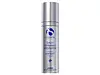
This anti-aging moisturizer is formulated around Tetrahexyldecyl Ascorbate and Sodium Hyaluronate to soften the look of wrinkles and hydrate skin.
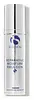
This hydrating emulsion is formulated around Sodium Hyaluronate and Squalane to hydrate skin and strengthen the skin barrier.

What's inside
What's inside
 Key Ingredients
Benefits
Concerns
Ingredients Side-by-side
Water
Skin ConditioningGlycerin
Humectant


C13-15 Alkane
SolventCaprylic/Capric Triglyceride
Masking
Tetrahexyldecyl Ascorbate
Antioxidant





Butyrospermum Parkii Nut Extract
Emollient
Cetyl Alcohol
Emollient


Dipalmitoyl Hydroxyproline
Skin Conditioning
Sodium Hyaluronate
Humectant

Salvia Miltiorrhiza Root Extract
Skin ConditioningAscorbic Acid
Antioxidant
Gold
Cosmetic ColorantGlutathione
Astaxanthin
Skin Conditioning
Butyrospermum Parkii Butter
Skin Conditioning


Glucomannan
Skin ConditioningAdenosine Triphosphate
Skin ConditioningSuperoxide Dismutase
Antioxidant
Beta Vulgaris Root Extract
Skin ConditioningHaberlea Rhodopensis Leaf Extract
Skin ConditioningPicea Mariana Bark Extract
Antioxidant
Dextran
Caprooyl Tetrapeptide-3
Skin Protecting
Panthenyl Triacetate
Ethyl Linoleate
Emollient

Plankton Extract
Skin ConditioningArginine Ferulate
Skin ConditioningCetearyl Alcohol
Emollient
Ceteareth-20
Cleansing
Bis(Cyano Butylacetate) Anthracenediylidene
Skin ConditioningPanthenol
Skin Conditioning
Phenoxyethanol
Preservative
Trihydroxystearin
Skin Conditioning
Tripeptide-1
Skin Conditioning
Oryza Sativa Bran Extract
Skin Conditioning
Rosmarinus Officinalis Leaf Extract
AntimicrobialEthylhexyl Palmitate
Emollient
Helianthus Annuus Extract
Emollient
Tocopherol
Antioxidant
Oleyl Alcohol
Emollient
Butylene Glycol
Humectant
Acetyl Tyrosine
Skin ConditioningProline
Skin Conditioning
Hydrolyzed Vegetable Protein
Skin ConditioningYeast Extract
Skin ConditioningSorbitol
Humectant
Propanediol
Solvent
1,2-Hexanediol
Skin Conditioning
Caprylyl Glycol
Emollient
Xanthan Gum
EmulsifyingAminomethyl Propanol
BufferingC13-14 Isoparaffin
Emollient
Laureth-7
EmulsifyingHydrolyzed Corn Starch Octenylsuccinate
AbsorbentHydrated Silica
Abrasive
Polyacrylamide
Diisostearyl Malate
EmollientCitric Acid
Buffering
1-Methylhydantoin-2-Imide
Skin ConditioningPolysorbate 20
Emulsifying
Disodium EDTA
ChelatingCarbomer
Emulsion StabilisingParfum
Masking
Water, Glycerin, C13-15 Alkane, Caprylic/Capric Triglyceride, Tetrahexyldecyl Ascorbate, Butyrospermum Parkii Nut Extract, Cetyl Alcohol, Dipalmitoyl Hydroxyproline, Sodium Hyaluronate, Salvia Miltiorrhiza Root Extract, Ascorbic Acid, Gold, Glutathione, Astaxanthin, Butyrospermum Parkii Butter, Glucomannan, Adenosine Triphosphate, Superoxide Dismutase, Beta Vulgaris Root Extract, Haberlea Rhodopensis Leaf Extract, Picea Mariana Bark Extract, Dextran, Caprooyl Tetrapeptide-3, Panthenyl Triacetate, Ethyl Linoleate, Plankton Extract, Arginine Ferulate, Cetearyl Alcohol, Ceteareth-20, Bis(Cyano Butylacetate) Anthracenediylidene, Panthenol, Phenoxyethanol, Trihydroxystearin, Tripeptide-1, Oryza Sativa Bran Extract, Rosmarinus Officinalis Leaf Extract, Ethylhexyl Palmitate, Helianthus Annuus Extract, Tocopherol, Oleyl Alcohol, Butylene Glycol, Acetyl Tyrosine, Proline, Hydrolyzed Vegetable Protein, Yeast Extract, Sorbitol, Propanediol, 1,2-Hexanediol, Caprylyl Glycol, Xanthan Gum, Aminomethyl Propanol, C13-14 Isoparaffin, Laureth-7, Hydrolyzed Corn Starch Octenylsuccinate, Hydrated Silica, Polyacrylamide, Diisostearyl Malate, Citric Acid, 1-Methylhydantoin-2-Imide, Polysorbate 20, Disodium EDTA, Carbomer, Parfum
Water
Skin ConditioningSodium Hyaluronate
Humectant
Glycerin
Humectant
Squalane
Emollient
Caprylic/Capric Triglyceride
Masking
Tocopherol
Antioxidant
Panthenyl Triacetate
Ethyl Linoleate
Emollient
Butylene Glycol
Humectant
Acetyl Tyrosine
Skin ConditioningProline
Skin Conditioning
Lecithin
Emollient
Glycosaminoglycans
EmollientBeta Vulgaris Root Extract
Skin ConditioningHaberlea Rhodopensis Leaf Extract
Skin ConditioningXanthan Gum
EmulsifyingCarbomer
Emulsion StabilisingTriethanolamine
BufferingUrea
Buffering
Glucose
Humectant
Guanidine Hcl
BufferingCetearyl Alcohol
Emollient
Ceteareth-20
Cleansing
Dimethicone
Emollient
Faex Extract
Skin ConditioningDipalmitoyl Hydroxyproline
Skin Conditioning
Cyclomethicone
Emollient
Hydrolyzed Vegetable Protein
Skin ConditioningHydrolyzed Soy Protein
Humectant
Tripeptide-10 Citrulline
Skin Conditioning
Tripeptide-1
Skin Conditioning
Polysorbate 40
Emulsifying
Superoxide Dismutase
Antioxidant
Pvp
Emulsion StabilisingPanthenol
Skin Conditioning
Phospholipids
Skin Conditioning
Retinyl Palmitate
Skin Conditioning
Tocopheryl Acetate
Antioxidant
Ascorbyl Palmitate
Antioxidant
Pantothenic Acid
Skin ConditioningEthylbisiminomethylguaiacol Manganese Chloride
Antioxidant
1,2-Hexanediol
Skin Conditioning
Caprylyl Glycol
Emollient
Disodium EDTA
ChelatingWater, Sodium Hyaluronate, Glycerin, Squalane, Caprylic/Capric Triglyceride, Tocopherol, Panthenyl Triacetate, Ethyl Linoleate, Butylene Glycol, Acetyl Tyrosine, Proline, Lecithin, Glycosaminoglycans, Beta Vulgaris Root Extract, Haberlea Rhodopensis Leaf Extract, Xanthan Gum, Carbomer, Triethanolamine, Urea, Glucose, Guanidine Hcl, Cetearyl Alcohol, Ceteareth-20, Dimethicone, Faex Extract, Dipalmitoyl Hydroxyproline, Cyclomethicone, Hydrolyzed Vegetable Protein, Hydrolyzed Soy Protein, Tripeptide-10 Citrulline, Tripeptide-1, Polysorbate 40, Superoxide Dismutase, Pvp, Panthenol, Phospholipids, Retinyl Palmitate, Tocopheryl Acetate, Ascorbyl Palmitate, Pantothenic Acid, Ethylbisiminomethylguaiacol Manganese Chloride, 1,2-Hexanediol, Caprylyl Glycol, Disodium EDTA
Reviews
Ingredients Explained
These ingredients are found in both products.
Ingredients higher up in an ingredient list are typically present in a larger amount.
1,2-Hexanediol is a synthetic liquid and another multi-functional powerhouse.
It is a:
- Humectant, drawing moisture into the skin
- Emollient, helping to soften skin
- Solvent, dispersing and stabilizing formulas
- Preservative booster, enhancing the antimicrobial activity of other preservatives
We don't have a description for Acetyl Tyrosine yet.
Beta Vulgaris Root Extract comes from the beet root plant. Beet Root has high Vitamin C content.
Beet roots also contain antioxidants. Antioxidants help fight free-radicals. Free-radicals are molecules that may damage your skin cells, such as pollution.
Beet root has many benefits when eaten. More research is needed on applying beetroot in skincare.
Beet Root is used to add pink/red color.
Learn more about Beta Vulgaris Root ExtractButylene Glycol (or BG) is used within cosmetic products for a few different reasons:
Overall, Butylene Glycol is a safe and well-rounded ingredient that works well with other ingredients.
Though this ingredient works well with most skin types, some people with sensitive skin may experience a reaction such as allergic rashes, closed comedones, or itchiness.
Learn more about Butylene GlycolCaprylic/Capric Triglyceride (aka MCT Oil) is a lightweight emollient, solvent, and texture enhancer. It is considered a skin-softener by helping to prevent moisture loss.
Though it behaves like an oil, it is not technically one due to its chemical composition. One perk of this ingredient is that it is very stable, resistant to oxidation, and unlikely to go rancid.
In practice, that translates to a long shelf life and a consistently elegant skin feel.
While there is an assumption Caprylic Triglyceride can clog pores due to it being derived from coconut oil, there is no research supporting this. Just patch test if you have concerns.
Fractionated coconut oil and MCT Oil are both listed as Caprylic/Capric Triglyceride according to INCI. This is because INCI names are based on the ingredient’s final chemical composition and not its marketing name or source.
This ingredient is treated as the gold standard fungal acne safe oil. Even though it is coconut derived, the problematic lauric acid is stripped out.
This leaves just caprylic (C8) and capric (C10) acid. These chain lengths actually trend antifungal; a 2020 study found caprylic acid was enough to disrupt Malassezia furfur cell membrane, with a caprylic acid derivative damaging membrane structures at concentrations as low as 0.2%.
Learn more about Caprylic/Capric TriglycerideCaprylyl Glycol is a humectant, skin conditioner, emollient, and preservative booster derived from either caprylic acid or synthetically created.
Typical use levels vary from 0.3-1% as a preservative booster and go up to 2% to condition skin.
Because it is not a free-fatty acid, this ingredient is fungal acne safe (there's nothing for Malassezia to feed on).
Learn more about Caprylyl GlycolCarbomer is a synthetic thickening and gelling agent. It's basically the ingredient that gives a lot of serums, gels, creams, and sunscreens their smooth, non-sticky texture.
Although legally permitted at very high levels, carbomers are normally used at concentrations below 1%.
It also needs to be neutralized to actually thicken, and because it is a large molecule, it doesn't really penetrate the skin barrier.
Allergy-wise, the risk is very low. Clinical studies show carbomers have low potential for skin irritation/sensitization even at concentrations up to 100%.
A 2024 UK study patch-tested 1,302 patients and found true allergy to the parent group of carbomer to be rare with no confirmed relevant reactions.
Learn more about CarbomerCeteareth-20 is an emulsifier and surfactant made by reacting cetearyl alcohol with 20 moles of ethylene oxide.
This gives it both oil and water-loving properties that makes it an effect emulsifier; it's really great at pulling oil droplets into water to create a stable, creamy, and easy-to-spread base.
Typical use ranges from 0.5-30%. Most leave-on products are in the 1-10% zone.
The 20 ethylene oxide units is well above the PEG-10 threshold and therefore not a food source for Malassezia (it's fungal acne safe).
This ingredient has a comedogenic rating of 2 and an irritancy rating of 3. These numbers come from testing the raw ingredient on rabbit ears and doesn't reflect how it will behave in a finished product.
In practice, this ingredient is a well-tolerated ingredient. The ratings reflect cautious lab conditions and not real-world use. Just be sure to patch test any formulas you feel unsure about.
Learn more about Ceteareth-20Cetearyl alcohol is a waxy mixture of two fatty alcohols: cetyl alcohol and stearyl alcohol. It is an emollient and emulsifier.
Despite having "alcohol" in its name, it has nothing to do with drying solvent alcohols; the FDA also allows "alcohol-free" products to contain fatty alcohols like this ingredient.
It plays several roles in a formula:
Typical use levels for this ingredient sit around 1-10% and the Cosmetic Ingredient Review Expert Panel has affirmed safety at concentrations up to 25% in leave-on products.
Multiple assessments have found it to be non-irritating and non-sensitizing to most people.
However, there have been some cases of allergic contact dermatitis in patients with chronically compromised skin barriers.
Cetearyl alcohol has a comedogenic rating of 2 and irritancy rating of 1. Both of these numbers come from the 1989 study that used rabbit ears; a "2" means mildly comedogenic and a "1" means low irritancy.
Here's the catch: rabbit skin is more sensitive than human skin and throws a lot of false positives. A 1996 reappraisal found that ingredients rated 1-2 in the rabbit ear tests are generally safe for humans.
Remember comedogenic ratings are unable to assess the entire formula of a product or how it will react on your skin. Just be sure to patch test if you are unsure about certain ingredients.
This ingredient is not fungal acne safe. Cetearyl alcohol is a fatty alcohol with chain lengths that fall within the range that Malassezia can metabolize.
A 2019 study has also observed Malassezia growth in the presence of this ingredient, confirming it to be not-fungal acne safe.
Learn more about Cetearyl AlcoholDipalmitoyl Hydroxyproline isn't fungal acne safe.
Disodium EDTA is a chelating agent. It grabs onto and deactivates metal ions that sneak into your products from water, packaging, or air.
This ingredient mainly works behind the scenes and helps with:
On top of that, this ingredient can counteract the effects of hard water by binding to the minerals in it.
One thing worth knowing is that Disodium EDTA has been shown to be a mild penetration enhancer. It can help other ingredients absorb into skin more effectively which can be a double-edged sword (great for actives, but can also make the active too strong if you have sensitive skin).
Clinical patch testing showed no significant skin irritation at typical use concentrations and minimal dermal absorption.
You'll most likely see this ingredient near the end of an ingredient list. It's typically found in concentrations less than 1%.
Learn more about Disodium EDTAEthyl Linoleate is a fragrance and isn't fungal acne safe.
Glycerin (or glycerol) is a compound naturally found in your skin. It's a powerhouse humectant that pulls water into the stratum corneum.
Topically, glycerin does several things at once:
Your skin makes glycerin on its own (mostly from sebaceous oil breakdown) and shuttles it to your outermost layer of skin, or your epidermis, via aquaporin-3.
Aquaporin-3 is a transporter that is essential for normal skin hydration, elasticity, and repair. Interestingly, mice lacking in AQP3 have dry and less elastic skin that can be fully corrected with glycerin.
This ingredient is non-irritating, plays well with almost every ingredient, and works across all skin types. Typical use is anywhere between 3-10% but can go up to 79% in some leave-on products.
Just know very high concentrations (>40%) can feel tacky in low humidity.
Glycerin is the name for this ingredient in American English. British English uses Glycerol/Glycerine.
Learn more about GlycerinWe don't have a description for Haberlea Rhodopensis Leaf Extract yet.
We don't have a description for Hydrolyzed Vegetable Protein yet.
Panthenol is a common ingredient that helps hydrate and soothe the skin. It is found naturally in our skin and hair.
There are two forms of panthenol: D and L.
D-panthenol is also known as dexpanthenol. Most cosmetics use dexpanthenol or a mixture of D and L-panthenol.
Panthenol is famous due to its ability to go deeper into the skin's layers. Using this ingredient has numerous pros (and no cons):
Like hyaluronic acid, panthenol is a humectant. Humectants are able to bind and hold large amounts of water to keep skin hydrated.
This ingredient works well for wound healing. It works by increasing tissue in the wound and helps close open wounds.
Once oxidized, panthenol converts to pantothenic acid. Panthothenic acid is found in all living cells.
This ingredient is also referred to as pro-vitamin B5.
Learn more about PanthenolWe don't have a description for Panthenyl Triacetate yet.
Proline is a non-essential amino acid, meaning your body can make it on its own. In skincare, it is a skin conditioning ingredient that keeps skin soft and hydrated.
It makes up about 23% of the collagen molecule (collagen is the protein responsible for keeping your skin firm) and is involved in your skin's natural hyaluronic acid production. When applied topically, proline can penetrate the skin fairly well due to its small molecular size.
Reviews of this ingredient have found it to be neither a dermal irritant nor a sensitizer.
Fun fact: Proline can be found in protein-rich foods like meat, fish, eggs, and dairy.
Learn more about ProlineSodium Hyaluronate is the salt form of hyaluronic acid. It is a long sugar chain that is naturally found in your skin, joints, and connective tissue that maintains hydration and elasticity.
In skincare, it works as a humectant. It pulls water from the environment and deeper layers of skin and binds it to the surface.
Interestingly, the size of the molecule affects its behavior:
Some clinical evidence links low molecular weight versions to improved wrinkle depth, elasticity, anti-inflammatory effects, and barrier repair.
Many serums use a blend of both weights so you can get surface hydration plus longer-lasting and deeper effects.
You'll typically see concentrations between 0.1-2% for this ingredient.
Learn more about Sodium HyaluronateSuperoxide Dismutase is found in all living cells. This ingredient is AKA as 'SOD'.
SOD is a strong antioxidant. It protects living cells against oxidative damage by breaking down radical molecules into regular oxygen and hydrogen peroxide.
Antioxidants help fight free-radical molecules that may damage your skin's DNA. This may help with the signs of aging. Due to its antioxidant property, it is used to help treat chronic inflammation.
In cosmetics, SOD is usually obtained from marine phytoplankton, bovine liver, horseradish, cantaloupe, and certain bacteria.
The three major families of SOD include: Copper/Zinc, Iron/Manganese, and Nickel.
When eating SOD-rich foods, our bodies break it down into amino acids before absorption. Foods that contain SOD include: melons, citrus, spinach, broccoli, kale, almonds, sunflower seeds, and blue-green algae.
Learn more about Superoxide DismutaseTocopherol is a fat-soluble antioxidant known as Vitamin E.
You'll find this ingredient in the vast majority of skincare (for good reason). It works to neutralize free radicals, or unstable molecules generated by UV exposure, pollution, and other environmental stressors, before they can cause oxidative damage to your skin cells.
Topically applied tocopherol has been shown to protect against UV damage by ramping up the skin's own natural defense enzymes.
It also acts as a skin conditioning agent; some studies show that regular topical use can improve the skin's water-binding capacity over 2-4 weeks.
This ingredient is especially loved for being a team player. When combined with Vitamin C, the photoprotective effect of both ingredients roughly doubles and the combo also helps reduce UV-induced DNA damage.
This ingredient has some brightening potential but it's more of a prevention ingredient than spot-fader. Cell studies show it can slow down melanin production but it's worth noting that it's not the most powerful brightener out there.
In formulations, it also serves as a stabilizer that helps protect other oxidation-prone ingredients from degrading.
Concentrations usually range from 0.1-1% in most leave-on products.
Learn more about TocopherolTripeptide-1, also known as GHK), is a small, three-amino-acid peptide made up of glycine, histidine, and lysine.
This ingredient is a signal peptide and tell your skin to start producing fresh collagen, elastin, and other key structural proteins. This helps maintain firmness and reduces the look of fine-lines/wrinkles.
GHK is also unique because is also acts as a carrier peptide. It binds to and transports copper ions (forming the complex GHK-Cu). This form has been studied for decades and is known to stimulate wound healing, boost antioxidant defenses, and promote collagen/elastin synthesis.
In-vitro studies show both GHK and GHK-CU increase fibroblast activity that enhances the production of collagen, elastin, fibronectin, and other extracellular matrix components.
Both of these compounds also help balance enzymes that control collagen breakdown.
Human studies (in-vivo) using GHK-Cu creams have reported visible improvements to skin density, elasticity, and wrinkle depth after several weeks of use.
A small clinical study also found topical collagen tripeptide improved wrinkle appearance and skin elasticity in women after four weeks.
While these results are promising, most research is based on GHK-Cu or its derivatives rather than Tripeptide-1 alone (Palmitoyl Tripeptide-1 is a famous derivative of GHK). However, the consensus still supports GHK as a potent skin-signaling molecule that can encourage regeneration and maintain youthful looking skin.
Fun fact: GHK is a naturally occurring fragment of type 1 collagen that can be found in human plasma, saliva, and urine.
Learn more about Tripeptide-1Water. It's the most common cosmetic ingredient of all. You'll usually see it at the top of ingredient lists, meaning that it makes up the largest part of the product.
So why is it so popular? Water most often acts as a solvent - this means that it helps dissolve other ingredients into the formulation.
You'll also recognize water as that liquid we all need to stay alive. If you see this, drink a glass of water. Remember to stay hydrated!
Learn more about WaterXanthan gum is used as a stabilizer and thickener within cosmetic products. It helps give products a sticky, thick feeling - preventing them from being too runny.
On the technical side of things, xanthan gum is a polysaccharide - a combination consisting of multiple sugar molecules bonded together.
Xanthan gum is a pretty common and great ingredient. It is a natural, non-toxic, non-irritating ingredient that is also commonly used in food products.
Learn more about Xanthan Gum

