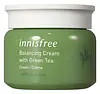
This barrier-repair moisturizer is formulated around Butyrospermum Parkii Butter and Camellia Sinensis Leaf Extract to strengthen the skin barrier and hydrate skin.
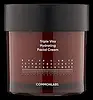
This barrier-repair moisturizer is formulated around Honey Extract and Niacinamide to strengthen the skin barrier and hydrate skin.

What's inside
What's inside
 Key Ingredients
Benefits
Concerns
Ingredients Side-by-side
Water
Skin ConditioningMethyl Trimethicone
Skin Conditioning
Propanediol
Solvent

Glycerin
Humectant
Cetyl Ethylhexanoate
EmollientPentaerythrityl Tetraethylhexanoate
Emollient
Hydrogenated Poly(C6-14 Olefin)
Emollient1,2-Hexanediol
Skin Conditioning
C14-22 Alcohols
Emulsion Stabilising
Arachidyl Alcohol
Emollient
Stearic Acid
Cleansing


Glyceryl Stearate
Emollient
Butyrospermum Parkii Butter
Skin Conditioning

Betaine
Humectant
Glyceryl Stearate Citrate
Emollient
Palmitic Acid
Emollient
Behenyl Alcohol
Emollient
Hydroxyethyl Acrylate/Sodium Acryloyldimethyl Taurate Copolymer
Emulsion StabilisingC12-20 Alkyl Glucoside
EmulsifyingArachidyl Glucoside
EmulsifyingParfum
Masking


Acrylates/C10-30 Alkyl Acrylate Crosspolymer
Emulsion StabilisingGlyceryl Caprylate
EmollientTromethamine
BufferingDisodium EDTA
ChelatingEthylhexylglycerin
Skin ConditioningCamellia Sinensis Leaf Extract
Antimicrobial





Sorbitan Isostearate
Emulsifying
Myristic Acid
Cleansing
Lauric Acid
Cleansing
Water, Methyl Trimethicone, Propanediol, Glycerin, Cetyl Ethylhexanoate, Pentaerythrityl Tetraethylhexanoate, Hydrogenated Poly(C6-14 Olefin), 1,2-Hexanediol, C14-22 Alcohols, Arachidyl Alcohol, Stearic Acid, Glyceryl Stearate, Butyrospermum Parkii Butter, Betaine, Glyceryl Stearate Citrate, Palmitic Acid, Behenyl Alcohol, Hydroxyethyl Acrylate/Sodium Acryloyldimethyl Taurate Copolymer, C12-20 Alkyl Glucoside, Arachidyl Glucoside, Parfum, Acrylates/C10-30 Alkyl Acrylate Crosspolymer, Glyceryl Caprylate, Tromethamine, Disodium EDTA, Ethylhexylglycerin, Camellia Sinensis Leaf Extract, Sorbitan Isostearate, Myristic Acid, Lauric Acid
Honey Extract 62%
Humectant
Glycerin
Humectant
Caprylic/Capric Triglyceride
Masking
Cetyl Ethylhexanoate
EmollientHydrogenated Polydecene
EmollientPolyglyceryl-3 Stearate
Emulsifying
1,2-Hexanediol
Skin Conditioning
Betaine
Humectant
Cetearyl Olivate
Niacinamide
Smoothing



Cetearyl Alcohol
Emollient
Trehalose
Humectant
Sodium Hyaluronate
Humectant
Water
Skin ConditioningButyrospermum Parkii Butter
Skin Conditioning
Hippophae Rhamnoides Fruit Oil
Skin Protecting
Sorbitan Sesquioleate
Emulsifying
Carbomer
Emulsion StabilisingAlkanna Tinctoria Root Extract
Skin ConditioningPropolis Extract
Skin Conditioning
Royal Jelly Extract
Skin Conditioning
Panthenol
Skin Conditioning
Ascorbic Acid
Antioxidant
Tocopherol
Antioxidant
Ethylhexylglycerin
Skin ConditioningDisodium EDTA
ChelatingCeramide NP
Skin Conditioning
Squalane
Emollient
Beta-Glucan
Skin Conditioning
Lavandula Angustifolia Oil
Masking

Rosmarinus Officinalis Leaf Oil
Masking
Ocimum Basilicum Oil
Masking
Citrus Aurantium Bergamia Fruit Oil
Masking
Limnanthes Alba Seed Oil
Skin Conditioning
Hyaluronic Acid
Humectant
Hydroxypropyltrimonium Hyaluronate
Hydrolyzed Glycosaminoglycans
HumectantHydrolyzed Hyaluronic Acid
Humectant
Sodium Acetylated Hyaluronate
Humectant
Sodium Hyaluronate Crosspolymer
Humectant
Citrus Aurantium Dulcis Peel Oil
Masking
Rose Flower Oil
Masking
Benzyl Glycol
SolventPropanediol
Solvent
Pelargonium Graveolens Flower Oil
Masking
Honey Extract 62%, Glycerin, Caprylic/Capric Triglyceride, Cetyl Ethylhexanoate, Hydrogenated Polydecene, Polyglyceryl-3 Stearate, 1,2-Hexanediol, Betaine, Cetearyl Olivate, Niacinamide, Cetearyl Alcohol, Trehalose, Sodium Hyaluronate, Water, Butyrospermum Parkii Butter, Hippophae Rhamnoides Fruit Oil, Sorbitan Sesquioleate, Carbomer, Alkanna Tinctoria Root Extract, Propolis Extract, Royal Jelly Extract, Panthenol, Ascorbic Acid, Tocopherol, Ethylhexylglycerin, Disodium EDTA, Ceramide NP, Squalane, Beta-Glucan, Lavandula Angustifolia Oil, Rosmarinus Officinalis Leaf Oil, Ocimum Basilicum Oil, Citrus Aurantium Bergamia Fruit Oil, Limnanthes Alba Seed Oil, Hyaluronic Acid, Hydroxypropyltrimonium Hyaluronate, Hydrolyzed Glycosaminoglycans, Hydrolyzed Hyaluronic Acid, Sodium Acetylated Hyaluronate, Sodium Hyaluronate Crosspolymer, Citrus Aurantium Dulcis Peel Oil, Rose Flower Oil, Benzyl Glycol, Propanediol, Pelargonium Graveolens Flower Oil
Ingredients Explained
These ingredients are found in both products.
Ingredients higher up in an ingredient list are typically present in a larger amount.
1,2-Hexanediol is a synthetic liquid and another multi-functional powerhouse.
It is a:
- Humectant, drawing moisture into the skin
- Emollient, helping to soften skin
- Solvent, dispersing and stabilizing formulas
- Preservative booster, enhancing the antimicrobial activity of other preservatives
Betaine is a humectant. Like hyaluronic acid, it helps attract and retain moisture in the skin. It’s known for being gentle and for helping the skin maintain balanced hydration.
Betaine is mainly used to improve hydration and support calmer skin. It helps skin cells regulate water balance because it functions as an osmolyte.
Some studies suggest betaine may support making skin tone more even.
Fun fact: Betaine naturally exists in the skin and the body. In cosmetic products, it can be either plant-derived (most commonly from sugar beets) or synthetically produced for consistency and stability.
Betaine is also known as trimethylglycine.
Learn more about BetaineThis ingredient is also known as shea butter. It is a plant-derived extract from the nuts of the Africa shea tree and one of the most well-studied emollients.
Because it has a high concentration of fatty acids (primarily oleic, stearic, and linoleic) it is able to form a protective barrier on the skin's surface. This helps seal in moisture and prevents transepidermal water loss (TEWL).
In vitro research found an increase in skin hydration by 58% and a decrease in TEWL by 37.8% after 24 hours of applying this ingredient (pretty impressive for a single ingredient!).
Besides hydration, shea butter also contains triterpenes that have anti-inflammatory potential. In particule, lupeol cinnamate has shown the highest anti-inflammatory activity in vivo.
Shea butter also contains vitamins A and E which may contribute to antioxidant activity.
While Shea Butter has an SPF rating of about 3-4, it is not a sunscreen replacement.
This ingredient may not be fungal acne safe because its fatty acids fall within the C11-C24 range that the Malassezia yeast can metabolize.
This ingredient shows up on a lot of "pore-clogging" lists but there's no real evidence behind that. It doesn't even have a comedogenic rating from an actual study; the numbers you'll find online come from blogs citing other blogs.
Ratings for other ingredients mostly come from a 1980s rabbit ear test. This test doesn't translate well to human skin or to real products because the ingredient sits at a much lower percentage.
Some people still find it breaks them out. So if that's you, definitely trust your skin. Just know this one's based on experience and not evidence.
Learn more about Butyrospermum Parkii ButterCetyl Ethylhexanoate is an emollient ester. It comes from cetearyl alcohol and 2-ethylhexanoic acid.
Cetyl Ethylhexanoate is an emollient that adds a velvety feel to skin without being greasy or oily. Emollients help trap moisture into your skin, keeping your skin soft and hydrated.
Disodium EDTA is a chelating agent. It grabs onto and deactivates metal ions that sneak into your products from water, packaging, or air.
This ingredient mainly works behind the scenes and helps with:
On top of that, this ingredient can counteract the effects of hard water by binding to the minerals in it.
One thing worth knowing is that Disodium EDTA has been shown to be a mild penetration enhancer. It can help other ingredients absorb into skin more effectively which can be a double-edged sword (great for actives, but can also make the active too strong if you have sensitive skin).
Clinical patch testing showed no significant skin irritation at typical use concentrations and minimal dermal absorption.
You'll most likely see this ingredient near the end of an ingredient list. It's typically found in concentrations less than 1%.
Learn more about Disodium EDTAEthylhexylglycerin is created from glycerin. It is a multitasker ingredient that:
The CIR Expert Panel found minimal skin absorption or sensitization of any kind in a safety assessment. Though this ingredient is considered well-tolerated, a small number of cases of allergic dermatitis have been published since 2002. Just be sure to patch test if you are unsure.
Industry-reported use ranges from 8% in rinse-off products and 2% in leave-on formulations.
Learn more about EthylhexylglycerinGlycerin (or glycerol) is a compound naturally found in your skin. It's a powerhouse humectant that pulls water into the stratum corneum.
Topically, glycerin does several things at once:
Your skin makes glycerin on its own (mostly from sebaceous oil breakdown) and shuttles it to your outermost layer of skin, or your epidermis, via aquaporin-3.
Aquaporin-3 is a transporter that is essential for normal skin hydration, elasticity, and repair. Interestingly, mice lacking in AQP3 have dry and less elastic skin that can be fully corrected with glycerin.
This ingredient is non-irritating, plays well with almost every ingredient, and works across all skin types. Typical use is anywhere between 3-10% but can go up to 79% in some leave-on products.
Just know very high concentrations (>40%) can feel tacky in low humidity.
Glycerin is the name for this ingredient in American English. British English uses Glycerol/Glycerine.
Learn more about GlycerinPropanediol is an all-star ingredient. It softens, hydrates, and smooths the skin.
It’s often used to:
Propanediol is not likely to cause sensitivity and considered safe to use. It is derived from corn or petroleum with a clear color and no scent.
Learn more about PropanediolWater. It's the most common cosmetic ingredient of all. You'll usually see it at the top of ingredient lists, meaning that it makes up the largest part of the product.
So why is it so popular? Water most often acts as a solvent - this means that it helps dissolve other ingredients into the formulation.
You'll also recognize water as that liquid we all need to stay alive. If you see this, drink a glass of water. Remember to stay hydrated!
Learn more about Water

