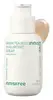
This hydrating serum is formulated around Niacinamide and Camellia Sinensis Leaf Extract to hydrate skin and strengthen the skin barrier.
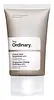
This calming serum is formulated around Azelaic Acid to calm redness and refine skin texture.


What's inside
What's inside
 Key Ingredients
Benefits
Concerns
Ingredients Side-by-side
Water
Skin ConditioningPropanediol
Solvent

Glycerin
Humectant
Alcohol Denat.
Antimicrobial




1,2-Hexanediol
Skin Conditioning
Trehalose
Humectant
Niacinamide
Smoothing








Betaine
Humectant
Saccharide Isomerate
Humectant
Camellia Sinensis Seed Oil
Humectant

Cetearyl Olivate
Hydrogenated Lecithin
Emulsifying
Sorbitan Olivate
Emulsifying
Acrylates/C10-30 Alkyl Acrylate Crosspolymer
Emulsion StabilisingLactobacillus Ferment Lysate
Skin Conditioning
Butylene Glycol
Humectant
Squalane
Emollient
Panthenol
Skin Conditioning
Allantoin
Skin Conditioning
Hydroxyethyl Acrylate/Sodium Acryloyldimethyl Taurate Copolymer
Emulsion StabilisingTromethamine
BufferingCeratonia Siliqua Gum
EmollientEthylhexylglycerin
Skin ConditioningDisodium EDTA
ChelatingParfum
Masking

Dipotassium Glycyrrhizate
Humectant
Camellia Sinensis Leaf Extract
Antimicrobial
Sodium Hyaluronate
Humectant
Hyaluronic Acid
Humectant
Dextrin
AbsorbentTheobroma Cacao Extract
Skin Conditioning3-O-Ethyl Ascorbic Acid
Skin Conditioning
Sorbitan Isostearate
Emulsifying
Sodium Citrate
BufferingCitric Acid
Buffering
Linalool
Perfuming
Limonene
Perfuming
Poloxamer 235
EmulsifyingSucrose
Humectant
Lactic Acid
Buffering
Epigallocatechin Gallate
Antioxidant
Ethoxydiglycol
HumectantTocophersolan
Antioxidant
Poloxamer 338
EmulsifyingHydrolyzed Hyaluronic Acid
Humectant
Sodium Hyaluronate Crosspolymer
Humectant
Caprylyl Glycol
Emollient
Sodium Acetylated Hyaluronate
Humectant
Water, Propanediol, Glycerin, Alcohol Denat., 1,2-Hexanediol, Trehalose, Niacinamide, Betaine, Saccharide Isomerate, Camellia Sinensis Seed Oil, Cetearyl Olivate, Hydrogenated Lecithin, Sorbitan Olivate, Acrylates/C10-30 Alkyl Acrylate Crosspolymer, Lactobacillus Ferment Lysate, Butylene Glycol, Squalane, Panthenol, Allantoin, Hydroxyethyl Acrylate/Sodium Acryloyldimethyl Taurate Copolymer, Tromethamine, Ceratonia Siliqua Gum, Ethylhexylglycerin, Disodium EDTA, Parfum, Dipotassium Glycyrrhizate, Camellia Sinensis Leaf Extract, Sodium Hyaluronate, Hyaluronic Acid, Dextrin, Theobroma Cacao Extract, 3-O-Ethyl Ascorbic Acid, Sorbitan Isostearate, Sodium Citrate, Citric Acid, Linalool, Limonene, Poloxamer 235, Sucrose, Lactic Acid, Epigallocatechin Gallate, Ethoxydiglycol, Tocophersolan, Poloxamer 338, Hydrolyzed Hyaluronic Acid, Sodium Hyaluronate Crosspolymer, Caprylyl Glycol, Sodium Acetylated Hyaluronate
Water
Skin ConditioningIsodecyl Neopentanoate
EmollientDimethicone
Emollient
Azelaic Acid
Buffering
Dimethicone/Bis-Isobutyl PPG-20 Crosspolymer
Emollient
Dimethyl Isosorbide
SolventHydroxyethyl Acrylate/Sodium Acryloyldimethyl Taurate Copolymer
Emulsion StabilisingPolysilicone-11
Isohexadecane
EmollientTocopherol
Antioxidant
Trisodium Ethylenediamine Disuccinate
ChelatingIsoceteth-20
EmulsifyingPolysorbate 60
Emulsifying
Triethanolamine
BufferingEthoxydiglycol
HumectantPhenoxyethanol
Preservative
Chlorphenesin
Antimicrobial
Water, Isodecyl Neopentanoate, Dimethicone, Azelaic Acid, Dimethicone/Bis-Isobutyl PPG-20 Crosspolymer, Dimethyl Isosorbide, Hydroxyethyl Acrylate/Sodium Acryloyldimethyl Taurate Copolymer, Polysilicone-11, Isohexadecane, Tocopherol, Trisodium Ethylenediamine Disuccinate, Isoceteth-20, Polysorbate 60, Triethanolamine, Ethoxydiglycol, Phenoxyethanol, Chlorphenesin
Reviews
Ingredients Explained
These ingredients are found in both products.
Ingredients higher up in an ingredient list are typically present in a larger amount.
Ethoxydiglycol (aka Diethylene Glycol Monoethyl Ether) is one of the cosmetic world's quiet problem solvers.
In a formula, it is a solvent that dissolves tricky ingredients that don't want to mix in and helps spread ingredients evenly across your skin without leaving a greasy or sticky feeling
This makes it great for hard-to-dissolve actives like vitamin C, benzoyl peroxide, and self-tanner DHA.
It also has mild humectant and penetration enhancer abilities so it can help some actives absorb a little deeper.
The penetration boost is backed by lab research: studies using human skin samples found it improved how well an active dissolves into the upper layer of skin rather than tearing down your skin barrier. Reviews of its mechanism also describe it interacting gently with the lipids and water in your outermost layer of skin.
Just know this penetration-enhancing effect is not universal. It helps a lot in some formulas and did very little in others (so the benefit really depends on the specific product).
Safety-wise, the evidence is reassuring. The Cosmetic Ingredient Review Expert Panel reviewed it and concluded it's safe for use in cosmetics and recognized it as non-irritating, non-sensitizing, and non-comedogenic in skincare.
Typical leave-on skincare usage lands around 1-10%. The EU has sets caps of 2.6% in non-spray products, 10% in rinse-offs, 7% in oxidative hair dye, and 5% in non-oxidative hair dye.
Learn more about EthoxydiglycolThis is a synthetic polymer. It helps improve the texture of products by adding thickness and gel-like feel.
It is also an emulsifer, meaning it prevents ingredients such as oil and water from separating. It also helps evenly disperse other ingredients.
Water. It's the most common cosmetic ingredient of all. You'll usually see it at the top of ingredient lists, meaning that it makes up the largest part of the product.
So why is it so popular? Water most often acts as a solvent - this means that it helps dissolve other ingredients into the formulation.
You'll also recognize water as that liquid we all need to stay alive. If you see this, drink a glass of water. Remember to stay hydrated!
Learn more about Water

