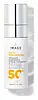
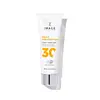
IMAGE skincare Daily Prevention Advanced Smartblend Mineral Moisturizer SPF 50+ Versus IMAGE skincare Daily Prevention Clear Solar Gel SPF 30
This hybrid sunscreen covers the full UV range and blocks ~98% of UVB at SPF 50.
This chemical sunscreen covers most of the UV range, lighter on the deep UVA that drives aging.

What's inside
What's inside
 Key Ingredients
Benefits
Concerns
Ingredients Side-by-side
Zinc Oxide 10.5%
Cosmetic Colorant


Titanium Dioxide 3.7%
Cosmetic Colorant
Water
Skin ConditioningC13-15 Alkane
SolventCaprylic/Capric Triglyceride
Masking


Butyloctyl Salicylate
Skin Conditioning
Polyglyceryl-3 Polyricinoleate
Emulsifying

Squalane
Emollient
Coco-Caprylate/Caprate
Emollient
Disteardimonium Hectorite
StabilisingPolyglyceryl-10 Dioleate
Emulsifying
Polyhydroxystearic Acid
Emulsifying
Cetyl Dimethicone
Emollient
Glycerin
Humectant
Phenoxyethanol
Preservative
Propanediol
Solvent
Stearic Acid
Cleansing
Styrene/Acrylates Copolymer
Tocopheryl Acetate
Antioxidant


Acetyl Zingerone
Antioxidant
Hydrated Silica
Abrasive
Alumina
Abrasive
Ethylhexylglycerin
Skin ConditioningAllantoin
Skin Conditioning

Phosphatidylcholine
EmulsifyingMannitol
Humectant
Vanilla Planifolia Fruit Extract
Skin Conditioning
Enteromorpha Compressa Extract
Skin Protecting

Triethoxycaprylylsilane
Methylpropanediol
SolventEctoin
Skin Conditioning
Camellia Sinensis Leaf Extract
Antimicrobial
Silybum Marianum Fruit Extract
Skin Conditioning
Ocimum Sanctum Leaf Extract
Skin ConditioningCaprylyl Glycol
Emollient
Palmitic Acid
Emollient
Haematococcus Pluvialis Extract
Antioxidant
Sodium Benzoate
Masking
Potassium Sorbate
Preservative
Tetrahexyldecyl Ascorbate
Antioxidant

Panthenol
Skin Conditioning
Tocopherol
Antioxidant
Citric Acid
Buffering
Phenylpropanol
Masking

Magnesium Oxide
AbsorbentCI 77499
Cosmetic ColorantCI 77491
Cosmetic ColorantCI 77492
Cosmetic ColorantZinc Oxide 10.5%, Titanium Dioxide 3.7%, Water, C13-15 Alkane, Caprylic/Capric Triglyceride, Butyloctyl Salicylate, Polyglyceryl-3 Polyricinoleate, Squalane, Coco-Caprylate/Caprate, Disteardimonium Hectorite, Polyglyceryl-10 Dioleate, Polyhydroxystearic Acid, Cetyl Dimethicone, Glycerin, Phenoxyethanol, Propanediol, Stearic Acid, Styrene/Acrylates Copolymer, Tocopheryl Acetate, Acetyl Zingerone, Hydrated Silica, Alumina, Ethylhexylglycerin, Allantoin, Phosphatidylcholine, Mannitol, Vanilla Planifolia Fruit Extract, Enteromorpha Compressa Extract, Triethoxycaprylylsilane, Methylpropanediol, Ectoin, Camellia Sinensis Leaf Extract, Silybum Marianum Fruit Extract, Ocimum Sanctum Leaf Extract, Caprylyl Glycol, Palmitic Acid, Haematococcus Pluvialis Extract, Sodium Benzoate, Potassium Sorbate, Tetrahexyldecyl Ascorbate, Panthenol, Tocopherol, Citric Acid, Phenylpropanol, Magnesium Oxide, CI 77499, CI 77491, CI 77492
Butyl Methoxydibenzoylmethane 2.5%
UV Absorber
Ethylhexyl Salicylate 5%
UV Absorber
Octocrylene 10%
UV Absorber
Isododecane
EmollientPolysilicone-11
Dimethicone
Emollient
Squalane
Emollient
Butyloctyl Salicylate
Skin Conditioning
Divinyldimethicone/Dimethicone/Phenylsilsesquioxane Crosspolymer
Citrus Aurantium Dulcis Peel Oil
Masking

Limonene
Perfuming
Camellia Oleifera Seed Oil
Skin Conditioning
Carthamus Tinctorius Seed Oil
Masking
Aloe Barbadensis Leaf Extract
Emollient
Prunus Armeniaca Kernel Oil
Masking
Tetrahexyldecyl Ascorbate
Antioxidant
Tocopheryl Acetate
Antioxidant
Citric Acid
Buffering
Butyl Methoxydibenzoylmethane 2.5%, Ethylhexyl Salicylate 5%, Octocrylene 10%, Isododecane, Polysilicone-11, Dimethicone, Squalane, Butyloctyl Salicylate, Divinyldimethicone/Dimethicone/Phenylsilsesquioxane Crosspolymer, Citrus Aurantium Dulcis Peel Oil, Limonene, Camellia Oleifera Seed Oil, Carthamus Tinctorius Seed Oil, Aloe Barbadensis Leaf Extract, Prunus Armeniaca Kernel Oil, Tetrahexyldecyl Ascorbate, Tocopheryl Acetate, Citric Acid
Ingredients Explained
These ingredients are found in both products.
Ingredients higher up in an ingredient list are typically present in a larger amount.
Butyloctyl Salicylate is a chemical UV filter structurally similar to octisalate. It is a photostabilizer, SPF booster, emollient and solvent. This ingredient helps evenly spread out ingredients.
According to a manufacturer, it is suitable for pairing with micro Titanium Dioxide, Zinc Oxide, and pigments.
Photostabilizers help stabilize UV-filters and prevents them from degrading quickly.
Learn more about Butyloctyl SalicylateCitric Acid is an alpha hydroxy acid (AHA) naturally found in citrus fruits like oranges, lemons, and limes.
Like other AHAs, citric acid can exfoliate skin by breaking down the bonds that hold dead skin cells together. This helps reveal smoother and brighter skin underneath.
However, this exfoliating effect only happens at high concentrations (20%) which can be hard to find in cosmetic products.
Due to this, citric acid is usually included in small amounts as a pH adjuster. This helps keep products slightly more acidic and compatible with skin's natural pH.
In skincare formulas, citric acid can:
While it can provide some skin benefits, research shows lactic acid and glycolic acid are generally more effective and less irritating exfoliants.
Most citric acid used in skincare today is made by fermenting sugars (usually from molasses). This synthetic version is identical to the natural citrus form but easier to stabilize and use in formulations.
Rosacea skin has a lower threshold for acids generally, with 62.5% of rosacea subjects in one study reacting to lactic acid in a sting test. This is why we mark citric acid as a potential rosacea trigger.
However, this ingredient shows up as a pH adjuster or chelator at roughly 0.1-1% in many products. These low levels are unlikely to be an issue for rosacea skin and becomes a potential trigger at exfoliating concentrations (20%). Because everybody's skin is unique, we recommend a patch test if you are unsure.
Learn more about Citric AcidSqualane is the hydrogenated and shelf-stable form of squalene (a lipid that naturally occurs in human sebum).
It is an emollient and skin conditioning agent that is able to integrate seamlessly into the skin's lipid barrier without clogging pores.
This is due to how structurally similar it is to what your skin already produces.
Though it is mostly an emollient that helps soften and hydrate skin, it also has some humectant and occlusive action. Humectants help the skin retain moisture while occlusives seal it in, making squalane a triple-threat moisturizer.
Research shows it has antioxidant capabilities that help protect against stressors like UV exposure, specifically UVA induced oxidative stress. This study also found that it supports collagen biosynthesis in human dermal fibroblasts.
No clinical study has reported significant adverse effects and irritation reactions are very rare from this ingredient (even at 100% concentration).
Overall, it's a fantastic ingredient for hydration and is suitable for all skin types.
This depends on the source. Squalane can be derived from both plants and animals. Most squalane used in skincare comes from plants.
Please note: the source of squalane is only known if disclosed by the brand. We recommend reaching out to the brand if you have any questions about their squalane.
Read more about squalene with an "e".
Though squalane is often called an oil, it’s technically not one. It is a hydrocarbon, meaning it is only made of carbon and hydrogen. True oils are triglycerides and made of fatty acids and glycerol.
The term “oil-free” isn’t regulated so companies can define it however they want. Some exclude all oils, while others just avoid mineral oil or comedogenic oils.
Squalane has a comedogenic rating of 1 from the original 1972 study that tested raw ingredients under occlusion on rabbit ears. This system is not standardized or peer-reviewed, and using the raw ingredients is very different from how diluted cosmetic formulations are used on human skin.
A comedogenic rating of 1 means it is "unlikely to clog pores" according to the original rating system.
The overall formula of a product matters more than the individual ingredients on whether or not it will cause clogged pores.
Learn more about SqualaneTetrahexyldecyl Ascorbate (THD) is a stable and oil-soluble form of Vitamin C.
THD is special in that it has the ability to travel deeper into skin than traditional ascorbic acid while maintaining the same skin benefits (double win!).
Because it’s oil-soluble, THD dives deep into your skin’s fatty layers (think ceramides and cholesterol) to fight off the kind of free radicals that mess with your skin barrier. This makes it a great pair with water-based vitamin C (ascorbic acid) that mainly works on the surface.
Even at just 0.1%, THD is already showing great antioxidant activity. When used up to 2%, it helps keep your skin happy and calm, especially when it’s stressed from pollution or sun.
Want to fade dark spots or tackle hyperpigmentation? You’ll want 5% or more. Pairing it with brightening buddies like niacinamide or licorice root gives even better results. One study even used 30% THD with other brighteners and saw real results on stubborn discoloration, even in melasma-prone skin.
A note on THD: It’s has a slightly silky, oily texture and usually shows up colorless or pale yellow (though the exact shade can vary by supplier).
While you can sneak it into water-based formulas, it really shines when paired with silicones or oils, which help your skin soak it up better.
THD is pretty stable, but it’s still vulnerable to degradation like ascorbic acid. Too much light or heat (above 113°F / 45°C) can break it down over time. Go for dark and opaque packaging that keeps it safe and shady!
Read more about other types of Vitamin C:
Learn more about Tetrahexyldecyl AscorbateTocopheryl Acetate is a stable, shelf-friendly form of vitamin E.
Formulators love it because plain vitamin E oxidizes quickly once it hits air. This acetate version stays stable and resists going off, helping to extend a product's shelf life.
It's actually inactive on its own and works like a slow-release "storage" form; the enzymes in your skin called esterases gradually convert it into active vitamin E over time.
One in vivo study showed 5% of the acetate in the living layer of the epidermis converted to vitamin E after 5 days of application. This study also found the skin gained protection against UV damage even though the conversion was slow and small.
Once converted, vitamin E acts as a skin's main fat-soluble antioxidant that fights free radicals to protect skin from damage.
Topical vitamin E generally boosts the skin's photoprotection, and it reduced UV-damage in animal models.
This ingredient has some brightening potential but it's more of a prevention ingredient than spot-fader. Cell studies show it can slow down melanin production but it's worth noting that it's not the most powerful brightener out there.
Overall, it has a pretty solid safety profile and has been found to be non-irritating and non-comedogenic. Allergic reactions may happen but stay rare due to how widely the ingredient gets used.
The concentration will vary depending on the formula; industry data shows 0.1% in baby lotions, 3% in lipsticks, and 5% in foot powders. You can also find this ingredient at 100% in a pure vitamin E oil.
Most leave-on skincare keeps it at the lower end, often between 0.5-1%.
Learn more about Tocopheryl Acetate

