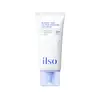
Ilso Bilberry Cool Calming Moisture Sun Cream SPF 50+ Versus Lits UV Moist Essence Mist SPF50+ PA++++
This chemical sunscreen covers the full UV range and blocks ~98% of UVB at SPF 50.
This chemical sunscreen covers the full UV range and blocks ~98% of UVB at SPF 50.


What's inside
What's inside
 Key Ingredients

Benefits
Concerns
Ingredients Side-by-side
Water
Skin ConditioningDibutyl Adipate
EmollientPropanediol
Solvent

C12-15 Alkyl Benzoate
Antimicrobial1,2-Hexanediol
Skin Conditioning
Ethylhexyl Triazone
UV Absorber
Niacinamide
Smoothing










Polymethylsilsesquioxane

Bis-Ethylhexyloxyphenol Methoxyphenyl Triazine
UV Absorber
Methylene Bis-Benzotriazolyl Tetramethylbutylphenol
UV Filter
Butylene Glycol
Humectant
Caprylyl Methicone
Skin Conditioning
Diethylamino Hydroxybenzoyl Hexyl Benzoate
UV Filter
Polyglyceryl-3 Methylglucose Distearate
Emulsifying

Behenyl Alcohol
Emollient
Potassium Cetyl Phosphate
EmulsifyingXylitylglucoside
Humectant
Anhydroxylitol
Humectant
Poly C10-30 Alkyl Acrylate
Emulsion StabilisingDecyl Glucoside
Cleansing
Tromethamine
BufferingXylitol
Humectant
Polyacrylate Crosspolymer-6
Emulsion StabilisingCarbomer
Emulsion StabilisingAcrylates/C10-30 Alkyl Acrylate Crosspolymer
Emulsion StabilisingXanthan Gum
EmulsifyingEthylhexylglycerin
Skin ConditioningAdenosine
Skin Conditioning
Glycerin
Humectant
Aloe Barbadensis Leaf Extract
Emollient
Dioscorea Japonica Root Extract
Skin Conditioning
Disodium EDTA
ChelatingLaminaria Japonica Extract
Skin Protecting
Ulmus Davidiana Root Extract
Skin Conditioning
Viola Mandshurica Flower Extract
Antioxidant
Sodium Guaiazulene Sulfonate
SurfactantCynanchum Atratum Extract
Skin ConditioningT-Butyl Alcohol
Perfuming




Sodium Hyaluronate
Humectant
Euterpe Oleracea Fruit Extract
Ribes Nigrum Fruit Extract
Astringent
Rubus Fruticosus Fruit Extract
AstringentRubus Idaeus Fruit Extract
AstringentVaccinium Angustifolium Fruit Extract
Skin Protecting
Vaccinium Macrocarpon Fruit Extract
AstringentVaccinium Myrtillus Fruit Extract
Skin ConditioningHyaluronic Acid
Humectant
Hydrolyzed Hyaluronic Acid
Humectant
Hydrolyzed Sodium Hyaluronate
Skin Conditioning
Hydroxypropyltrimonium Hyaluronate
Potassium Hyaluronate
Skin ConditioningSodium Hyaluronate Crosspolymer
Humectant
Pentylene Glycol
Skin Conditioning
Sodium Acetylated Hyaluronate
Humectant
Water, Dibutyl Adipate, Propanediol, C12-15 Alkyl Benzoate, 1,2-Hexanediol, Ethylhexyl Triazone, Niacinamide, Polymethylsilsesquioxane, Bis-Ethylhexyloxyphenol Methoxyphenyl Triazine, Methylene Bis-Benzotriazolyl Tetramethylbutylphenol, Butylene Glycol, Caprylyl Methicone, Diethylamino Hydroxybenzoyl Hexyl Benzoate, Polyglyceryl-3 Methylglucose Distearate, Behenyl Alcohol, Potassium Cetyl Phosphate, Xylitylglucoside, Anhydroxylitol, Poly C10-30 Alkyl Acrylate, Decyl Glucoside, Tromethamine, Xylitol, Polyacrylate Crosspolymer-6, Carbomer, Acrylates/C10-30 Alkyl Acrylate Crosspolymer, Xanthan Gum, Ethylhexylglycerin, Adenosine, Glycerin, Aloe Barbadensis Leaf Extract, Dioscorea Japonica Root Extract, Disodium EDTA, Laminaria Japonica Extract, Ulmus Davidiana Root Extract, Viola Mandshurica Flower Extract, Sodium Guaiazulene Sulfonate, Cynanchum Atratum Extract, T-Butyl Alcohol, Sodium Hyaluronate, Euterpe Oleracea Fruit Extract, Ribes Nigrum Fruit Extract, Rubus Fruticosus Fruit Extract, Rubus Idaeus Fruit Extract, Vaccinium Angustifolium Fruit Extract, Vaccinium Macrocarpon Fruit Extract, Vaccinium Myrtillus Fruit Extract, Hyaluronic Acid, Hydrolyzed Hyaluronic Acid, Hydrolyzed Sodium Hyaluronate, Hydroxypropyltrimonium Hyaluronate, Potassium Hyaluronate, Sodium Hyaluronate Crosspolymer, Pentylene Glycol, Sodium Acetylated Hyaluronate
Water
Skin ConditioningPEG-50 Hydrogenated Castor Oil
Emulsifying
Octocrylene
UV Absorber

Pentylene Glycol
Skin Conditioning
Ethylhexyl Salicylate
UV Absorber
Butylene Glycol
Humectant
Butyl Methoxydibenzoylmethane
UV Absorber
Ethoxydiglycol
HumectantEthylhexyl Triazone
UV Absorber
Trisodium Ascorbyl Palmitate Phosphate
Antioxidant
3-O-Ethyl Ascorbic Acid
Skin Conditioning
3-Laurylglyceryl Ascorbate
Antioxidant
Hydroxypropyltrimonium Hyaluronate
Ceramide NP
Skin Conditioning
Ceramide AP
Skin Conditioning
Ceramide Ng
Skin Conditioning
Malus Domestica Fruit Cell Culture Extract
Skin ConditioningArbutin
Antioxidant
Dipotassium Glycyrrhizate
Humectant
Bakuchiol
Antimicrobial
Bisabolol
Antioxidant
Centella Asiatica Leaf/Stem Extract
HumectantHexacarboxymethyl Dipeptide-12
Humectant
Hydrolyzed Collagen
Emollient
Soluble Collagen
Humectant
Bis-Ethylhexyloxyphenol Methoxyphenyl Triazine
UV Absorber
Sodium Citrate
BufferingCitric Acid
Buffering
Behenyl Alcohol
Emollient
Polyglyceryl-10 Pentastearate
Skin Conditioning
Sodium Stearoyl Lactylate
EmulsifyingXanthan Gum
EmulsifyingPhytosphingosine
Skin Conditioning
Glycerin
Humectant
Lecithin
Emollient
Phenoxyethanol
Preservative
Water, PEG-50 Hydrogenated Castor Oil, Octocrylene, Pentylene Glycol, Ethylhexyl Salicylate, Butylene Glycol, Butyl Methoxydibenzoylmethane, Ethoxydiglycol, Ethylhexyl Triazone, Trisodium Ascorbyl Palmitate Phosphate, 3-O-Ethyl Ascorbic Acid, 3-Laurylglyceryl Ascorbate, Hydroxypropyltrimonium Hyaluronate, Ceramide NP, Ceramide AP, Ceramide Ng, Malus Domestica Fruit Cell Culture Extract, Arbutin, Dipotassium Glycyrrhizate, Bakuchiol, Bisabolol, Centella Asiatica Leaf/Stem Extract, Hexacarboxymethyl Dipeptide-12, Hydrolyzed Collagen, Soluble Collagen, Bis-Ethylhexyloxyphenol Methoxyphenyl Triazine, Sodium Citrate, Citric Acid, Behenyl Alcohol, Polyglyceryl-10 Pentastearate, Sodium Stearoyl Lactylate, Xanthan Gum, Phytosphingosine, Glycerin, Lecithin, Phenoxyethanol
Reviews
Ingredients Explained
These ingredients are found in both products.
Ingredients higher up in an ingredient list are typically present in a larger amount.
Behenyl Alcohol is a type of fatty alcohol (these are different from the drying, solvent alcohols).
Fatty Alcohols have hydrating properties and are most often used as an emollient or to thicken a product. They are usually derived from natural fats and oils; behenyl alcohol is derived from the fats of vegetable oils.
Emollients help keep your skin soft and hydrated by creating a film that traps moisture in.
In 2000, Behenyl Alcohol was approved by the US as medicine to reduce the duration of cold sores.
Learn more about Behenyl AlcoholThis ingredient is better known as bemotrizinol or Tinosorb S and is one of the best broad-spectrum UV filters in modern sunscreen.
It works by absorbing UV light across a whole range (280-400 nm) with peaks around 310 nm (UVB) and 340-345 nm (UVA). This means it covers UVB plus the deeper UVA wavelengths that drive photoaging and pigmentation.
Another pro?
It's exceptionally photostable, barely degrades in sunlight, and acts as a "bodyguard" for less stable filters.
That's why you'll see it paired with avobenzone or octinoxate; this team up ensures they keep working through sun exposure.
Safety reviews have been reassuring across the board. This ingredient shows low absorption through the skin, rarely irritates, and lab studies found it doesn't act like a hormone in the body (a concern that's been raised about some older sunscreen filters).
On maximum concentrations:
In 2026, the US F.D.A finally added it as an OTC sunscreen ingredient at concentrations up to 6% for adults / children 6 months and older
Learn more about Bis-Ethylhexyloxyphenol Methoxyphenyl TriazineButylene Glycol (or BG) is used within cosmetic products for a few different reasons:
Overall, Butylene Glycol is a safe and well-rounded ingredient that works well with other ingredients.
Though this ingredient works well with most skin types, some people with sensitive skin may experience a reaction such as allergic rashes, closed comedones, or itchiness.
Learn more about Butylene GlycolEthylhexyl Triazone (aka Octyl Triazone) is an oil-soluble organic UVB filter. It has peak absorption around 314 nm, right in the middle of the UVB range.
This ingredient is described as one of the most effective UVB filters available and small concentrations are enough to deliver a high SPF thanks to its strong UV absorbing power.
Formulators love it for its stability; its ability to filter UV stays practically unchanged even under intense radiation and it can also help boost the photostability of less stable filters like avobenzone.
It's also a great pick for water resistant products because it's insoluble in water and has a good affinity for keratin.
Because it's a big, heavy molecule, the European Scientific Committee has found to to have very low dermal penetration and negative results for allergenicity.
In vitro testing also showed a low absorption rate and clean results on irritation.
Typical use levels are 1-5% with 5% being the maximum in the EU, Japan, and other markets that allow it. However, this ingredient is not approved yet in the US or Canada.
Learn more about Ethylhexyl TriazoneGlycerin (or glycerol) is a compound naturally found in your skin. It's a powerhouse humectant that pulls water into the stratum corneum.
Topically, glycerin does several things at once:
Your skin makes glycerin on its own (mostly from sebaceous oil breakdown) and shuttles it to your outermost layer of skin, or your epidermis, via aquaporin-3.
Aquaporin-3 is a transporter that is essential for normal skin hydration, elasticity, and repair. Interestingly, mice lacking in AQP3 have dry and less elastic skin that can be fully corrected with glycerin.
This ingredient is non-irritating, plays well with almost every ingredient, and works across all skin types. Typical use is anywhere between 3-10% but can go up to 79% in some leave-on products.
Just know very high concentrations (>40%) can feel tacky in low humidity.
Glycerin is the name for this ingredient in American English. British English uses Glycerol/Glycerine.
Learn more about GlycerinHydroxypropyltrimonium Hyaluronate is a positively charged version of hyaluronic acid.
This small change does a lot in a formula:
Regular hyaluronic acid carries a negative charge and so does the surface of your skin. This means the two repel each other and hyaluronic acid can be washed away easily. The positive charge here does the opposite: it makes the ingredient cling to your skin (also called "substantivity") so it keeps hydrating even in rinse-off products where it lays down a light, moisture-holding film.
The research backs this up too; a 2025 clinical study on a shower gel containing 0.1% positively charged hyaluronic acid increased skin hydration by 6.6% versus the baseline and 11.1% versus the placebo. This was measured 6 hours after 1 minute of contact and rinse, and on volunteers with very dry skin.
The same team's lab work showed it adhered to skin far better than unmodified hyaluronic acid (+107% vs. low molecular weight, +23% versus high molecular weight). They also found it increased two proteins tied to skin hydration, aquaporin-3 by 16% and filaggrin by 35%.
A separate 2024 study reached a similar conclusion and credited the hydrating benefits to its film-forming properties.
Both studies used the ingredient at 0.1% which also matches how much it usually shows up in products (at fractions of a percent).
One honesty note worth keeping in mind: the published research comes from the company that manufactures the ingredient so independent data would strengthen the picture. However, the results are consistent and the mechanism makes sense.
As a Hyaluronic Acid derivative, it has a well-tolerated profile and suits most skin types.
Learn more about Hydroxypropyltrimonium HyaluronatePentylene Glycol (1,2-pentanediol) is a multitasking little diol with three main roles in a formula:
Research on alkanediols (the family pentylene glycol belongs to) show they work by disrupting microbial cell membranes. This disruption helps the primary preservative system in a product work more effectively at lower doses.
On the safety side, the Cosmetic Ingredient Review Expert Panel has concluded this ingredient to be safe as used in current cosmetic practices + concentrations.
Typical use levels in a formula run about 1-5%.
Learn more about Pentylene GlycolWater. It's the most common cosmetic ingredient of all. You'll usually see it at the top of ingredient lists, meaning that it makes up the largest part of the product.
So why is it so popular? Water most often acts as a solvent - this means that it helps dissolve other ingredients into the formulation.
You'll also recognize water as that liquid we all need to stay alive. If you see this, drink a glass of water. Remember to stay hydrated!
Learn more about WaterXanthan gum is used as a stabilizer and thickener within cosmetic products. It helps give products a sticky, thick feeling - preventing them from being too runny.
On the technical side of things, xanthan gum is a polysaccharide - a combination consisting of multiple sugar molecules bonded together.
Xanthan gum is a pretty common and great ingredient. It is a natural, non-toxic, non-irritating ingredient that is also commonly used in food products.
Learn more about Xanthan Gum

