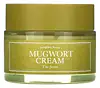
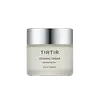
I'm from Mugwort Cream Versus Tirtir Ceramic Cream
This calming moisturizer is formulated around Artemisia Princeps Extract and Panthenol to calm redness and hydrate skin.
This barrier-repair moisturizer is formulated around Olea Europaea Fruit Oil and Butyrospermum Parkii Butter to strengthen the skin barrier and hydrate skin.

What's inside
What's inside
 Key Ingredients
No key ingredients
Benefits
Concerns
Ingredients Side-by-side
Artemisia Princeps Extract 73.55%
Skin Conditioning



Propanediol
Solvent
Cyclopentasiloxane
Emollient
Glycerin
Humectant
Cetyl Ethylhexanoate
EmollientCyclohexasiloxane
Emollient
Water
Skin ConditioningStearic Acid
Cleansing


Butyrospermum Parkii Butter
Skin Conditioning

Butylene Glycol
Humectant
Hydrogenated Lecithin
Emulsifying
Arachidyl Alcohol
Emollient
Arachidyl Glucoside
EmulsifyingPinus Palustris Leaf Extract
TonicUlmus Davidiana Root Extract
Skin Conditioning
Oenothera Biennis Flower Extract
Astringent1,2-Hexanediol
Skin Conditioning
Stearyl Alcohol
Emollient
Behenyl Alcohol
Emollient
Polyglyceryl-2 Stearate
Emulsifying
Glyceryl Stearate
Emollient
Panthenol
Skin Conditioning
Dipotassium Glycyrrhizate
Humectant
Allantoin
Skin Conditioning
Boswellia Serrata Resin Extract
SmoothingAmmonium Acryloyldimethyltaurate/Vp Copolymer
Hydroxyethyl Acrylate/Sodium Acryloyldimethyl Taurate Copolymer
Emulsion StabilisingDimethiconol
Emollient
Saccharomyces/Viscum Album Ferment Extract
Skin Conditioning
Lactobacillus/Soybean Ferment Extract
Skin ConditioningSaccharomyces/Imperata Cylindrica Root Ferment Extract
Emollient
Disodium EDTA
ChelatingPolyglutamic Acid
Skin Conditioning
Pueraria Lobata Root Extract
HumectantArtemisia Vulgaris Oil
Perfuming



Artemisia Princeps Extract 73.55%, Propanediol, Cyclopentasiloxane, Glycerin, Cetyl Ethylhexanoate, Cyclohexasiloxane, Water, Stearic Acid, Butyrospermum Parkii Butter, Butylene Glycol, Hydrogenated Lecithin, Arachidyl Alcohol, Arachidyl Glucoside, Pinus Palustris Leaf Extract, Ulmus Davidiana Root Extract, Oenothera Biennis Flower Extract, 1,2-Hexanediol, Stearyl Alcohol, Behenyl Alcohol, Polyglyceryl-2 Stearate, Glyceryl Stearate, Panthenol, Dipotassium Glycyrrhizate, Allantoin, Boswellia Serrata Resin Extract, Ammonium Acryloyldimethyltaurate/Vp Copolymer, Hydroxyethyl Acrylate/Sodium Acryloyldimethyl Taurate Copolymer, Dimethiconol, Saccharomyces/Viscum Album Ferment Extract, Lactobacillus/Soybean Ferment Extract, Saccharomyces/Imperata Cylindrica Root Ferment Extract, Disodium EDTA, Polyglutamic Acid, Pueraria Lobata Root Extract, Artemisia Vulgaris Oil
Water
Skin ConditioningGlycerin
Humectant
Olea Europaea Fruit Oil
Masking
Butylene Glycol
Humectant
Macadamia Ternifolia Seed Oil
Emollient
Cyclopentasiloxane
Emollient
Hamamelis Virginiana Extract
Antiseborrhoeic
Beeswax
Emulsion Stabilising
Cetearyl Alcohol
Emollient
Cetyl Ethylhexanoate
EmollientCyclohexasiloxane
Emollient
Isopropyl Myristate
Emollient
Polyglyceryl-3 Methylglucose Distearate
Emulsifying
Polysorbate 60
Emulsifying
Stearic Acid
Cleansing
PEG-100 Stearate
Surfactant
Glyceryl Stearate
Emollient
Dimethiconol
Emollient
Sodium Polyacrylate
Absorbent
1,2-Hexanediol
Skin Conditioning
Caprylyl Glycol
Emollient
Butyrospermum Parkii Butter
Skin Conditioning
Camellia Sinensis Leaf Extract
Antimicrobial




Rosmarinus Officinalis Leaf Extract
AntimicrobialChamomilla Recutita Flower Extract
Masking
Centella Asiatica Extract
Cleansing
Glycyrrhiza Glabra Root Extract
Bleaching
Polygonum Cuspidatum Root Extract
Antioxidant
Scutellaria Baicalensis Root Extract
Astringent
Illicium Verum Fruit Extract
Perfuming
Disodium EDTA
ChelatingBetaine
Humectant
Allantoin
Skin Conditioning
Trehalose
Humectant
Polysorbate 20
Emulsifying
Polyglutamic Acid
Skin Conditioning
Xylitol
Humectant
Ceramide NP
Skin Conditioning
Water, Glycerin, Olea Europaea Fruit Oil, Butylene Glycol, Macadamia Ternifolia Seed Oil, Cyclopentasiloxane, Hamamelis Virginiana Extract, Beeswax, Cetearyl Alcohol, Cetyl Ethylhexanoate, Cyclohexasiloxane, Isopropyl Myristate, Polyglyceryl-3 Methylglucose Distearate, Polysorbate 60, Stearic Acid, PEG-100 Stearate, Glyceryl Stearate, Dimethiconol, Sodium Polyacrylate, 1,2-Hexanediol, Caprylyl Glycol, Butyrospermum Parkii Butter, Camellia Sinensis Leaf Extract, Rosmarinus Officinalis Leaf Extract, Chamomilla Recutita Flower Extract, Centella Asiatica Extract, Glycyrrhiza Glabra Root Extract, Polygonum Cuspidatum Root Extract, Scutellaria Baicalensis Root Extract, Illicium Verum Fruit Extract, Disodium EDTA, Betaine, Allantoin, Trehalose, Polysorbate 20, Polyglutamic Acid, Xylitol, Ceramide NP
Reviews
Ingredients Explained
These ingredients are found in both products.
Ingredients higher up in an ingredient list are typically present in a larger amount.
1,2-Hexanediol is a synthetic liquid and another multi-functional powerhouse.
It is a:
- Humectant, drawing moisture into the skin
- Emollient, helping to soften skin
- Solvent, dispersing and stabilizing formulas
- Preservative booster, enhancing the antimicrobial activity of other preservatives
Allantoin is a soothing ingredient known for its protective and moisturizing properties; it's basically a quiet workhorse ingredient you can find in a huge range of cosmetics.
Though it can be derived from the comfrey plant, allantoin is produced synthetically for cosmetic products to ensure purity.
Research shows it can encourage your skin cells to turn over and renew by stimulating keratinocyte and fibroblast proliferation.
It also has mild keratolytic properties to help loosen and shed dead skin cells without being harsh.
Studies also suggest allantoin can help calm inflammation by dialing down some of the chemical signals your skin sends out when it is irritated.
This ingredient is typically used in the 0.1-0.5% range, and the FDA recognizes it as a skin protectant in OTC products up to 2%.
Overall, allantoin is a wonderful addition to most routines; it is stable across a wide pH range (~4-8), works well with other ingredients, and is considered non-sensitizing/non-irritating.
Fun fact: Allantoin is naturally occurring in comfrey root, beets, chamomile, and wheat sprouts. Our bodies even produce it as a byproduct of uric acid metabolism.
Learn more about AllantoinButylene Glycol (or BG) is used within cosmetic products for a few different reasons:
Overall, Butylene Glycol is a safe and well-rounded ingredient that works well with other ingredients.
Though this ingredient works well with most skin types, some people with sensitive skin may experience a reaction such as allergic rashes, closed comedones, or itchiness.
Learn more about Butylene GlycolThis ingredient is also known as shea butter. It is a plant-derived extract from the nuts of the Africa shea tree and one of the most well-studied emollients.
Because it has a high concentration of fatty acids (primarily oleic, stearic, and linoleic) it is able to form a protective barrier on the skin's surface. This helps seal in moisture and prevents transepidermal water loss (TEWL).
In vitro research found an increase in skin hydration by 58% and a decrease in TEWL by 37.8% after 24 hours of applying this ingredient (pretty impressive for a single ingredient!).
Besides hydration, shea butter also contains triterpenes that have anti-inflammatory potential. In particule, lupeol cinnamate has shown the highest anti-inflammatory activity in vivo.
Shea butter also contains vitamins A and E which may contribute to antioxidant activity.
While Shea Butter has an SPF rating of about 3-4, it is not a sunscreen replacement.
This ingredient may not be fungal acne safe because its fatty acids fall within the C11-C24 range that the Malassezia yeast can metabolize.
This ingredient shows up on a lot of "pore-clogging" lists but there's no real evidence behind that. It doesn't even have a comedogenic rating from an actual study; the numbers you'll find online come from blogs citing other blogs.
Ratings for other ingredients mostly come from a 1980s rabbit ear test. This test doesn't translate well to human skin or to real products because the ingredient sits at a much lower percentage.
Some people still find it breaks them out. So if that's you, definitely trust your skin. Just know this one's based on experience and not evidence.
Learn more about Butyrospermum Parkii ButterCetyl Ethylhexanoate is an emollient ester. It comes from cetearyl alcohol and 2-ethylhexanoic acid.
Cetyl Ethylhexanoate is an emollient that adds a velvety feel to skin without being greasy or oily. Emollients help trap moisture into your skin, keeping your skin soft and hydrated.
Cyclohexasiloxane is a type of silicone more commonly known as D6. It is an emollient and solvent.
Cyclohexasiloxane is used to evenly distribute ingredients throughout the product. When applied to the skin, Cyclohexasiloxane evaporates and leaves behind a silky feel.
As an emollient, it can help the skin feel soft and hydrated. It is also used to reduce frizz in hair products.
Learn more about CyclohexasiloxaneCyclopentasiloxane (D5) is a lightweight silicone that mostly acts as an emollient and solvent in cosmetics. Its the reason your products feel silky, fast-spreading, and non-greasy.
Since D5 is volatile, it does its thing and then evaporates off the skin quickly.
The safety profile of this ingredient is reassuring; the US CIR Expert Panel concluded D5 is safe as used in cosmetics and Health Canada concluded that D5 is not harmful to human health or the environment as currently used in cosmetics
There's a study that people mention about D5 in a rat study showing tumors. This study is related to long-term inhalation of high D5 levels.
Regulatory bodies have judged this study to be not applicable in topical skincare since skin absorption of D5 is very low and we're not really inhaling huge amounts of D5.
The only restriction for this ingredient is environmental. The European Chemicals Agency (ECHA) restricted D5 in wash-off cosmetics at or above 0.1% due to their persistence in water.
Learn more about CyclopentasiloxaneDimethiconol is a silicone that resembles the popular dimethicone. Like other silicones, it is an emollient. Emollients create a thin film on skin to prevent moisture from escaping.
This ingredient helps to create a silky texture and improve spreadability. Due to its high molecular weight and thickness, it is often combined with cyclopentasiloxane.
Disodium EDTA is a chelating agent. It grabs onto and deactivates metal ions that sneak into your products from water, packaging, or air.
This ingredient mainly works behind the scenes and helps with:
On top of that, this ingredient can counteract the effects of hard water by binding to the minerals in it.
One thing worth knowing is that Disodium EDTA has been shown to be a mild penetration enhancer. It can help other ingredients absorb into skin more effectively which can be a double-edged sword (great for actives, but can also make the active too strong if you have sensitive skin).
Clinical patch testing showed no significant skin irritation at typical use concentrations and minimal dermal absorption.
You'll most likely see this ingredient near the end of an ingredient list. It's typically found in concentrations less than 1%.
Learn more about Disodium EDTAGlycerin (or glycerol) is a compound naturally found in your skin. It's a powerhouse humectant that pulls water into the stratum corneum.
Topically, glycerin does several things at once:
Your skin makes glycerin on its own (mostly from sebaceous oil breakdown) and shuttles it to your outermost layer of skin, or your epidermis, via aquaporin-3.
Aquaporin-3 is a transporter that is essential for normal skin hydration, elasticity, and repair. Interestingly, mice lacking in AQP3 have dry and less elastic skin that can be fully corrected with glycerin.
This ingredient is non-irritating, plays well with almost every ingredient, and works across all skin types. Typical use is anywhere between 3-10% but can go up to 79% in some leave-on products.
Just know very high concentrations (>40%) can feel tacky in low humidity.
Glycerin is the name for this ingredient in American English. British English uses Glycerol/Glycerine.
Learn more about GlycerinGlyceryl Stearate is made by reacting glycerin with stearic acid (typically sourced from plant oils like palm or coconut). It's an emulsifier, emollient, and mild occlusive.
Emulsifiers help ingredients like oil and water stay mixed so your formula stays nicely blended and uniform in texture.
This ingredient is typically used in concentrations between 1-10%. Studies have found it to be non-sensitizing, non-phototoxic, and non-photoallergenic.
A close cousin of this ingredient is Glyceryl Stearate SE ("self-emulsifying"). This just has a small amount of sodium or potassium stearate added so it can emulsify without a co-emulsifier.
Since this ingredient is an ester of a C18 fatty acid, it may not be fungal acne safe. The Malassezia yeast can potentially metabolize within the C11-C24 range.
Fun fact: The human body also creates Glyceryl Stearate naturally.
Learn more about Glyceryl StearatePolyglutamic Acid is made up many glutamic acids chained together. It is created from bacterial fermentation.
This ingredient is an effective skin hydrator and may help speed up wound healing. As a humectant, it draws and holds water to the skin. This ingredient is often compared to hyaluronic acid or glycerin. Similarly to hyaluronic acid, it can vary in molecular weights. This means polyglutamic acid is capable of bringing hydration to lower levels of the skin.
Fun fact: Polyglutamic Acid is found in the Japanese food, natto. It is also being used in cancer treatment studies.
Learn more about Polyglutamic AcidStearic Acid is a fatty acid that is already found in your skin. It's one of the free fatty acids that works alongside ceramides and cholesterols to maintain your barrier.
In cosmetics, it is a multitasker:
Safety-wise, the CIR Expert Panel has concluded it to be safe in cosmetics when formulated to be non-irritating and non-sensitizing.
Free stearic acid is a C18 fatty acid that the Malassezia yeast can substrate, so this ingredient may not be fungal acne safe.
This ingredient does have a comedogenic rating of 2-3, but this doesn't mean a formula with this ingredient will clog pores.
Human testing has proved that any finished product with this ingredient won't automatically make you break out; it really comes down to concentration, formula, and your skin.
Learn more about Stearic AcidWater. It's the most common cosmetic ingredient of all. You'll usually see it at the top of ingredient lists, meaning that it makes up the largest part of the product.
So why is it so popular? Water most often acts as a solvent - this means that it helps dissolve other ingredients into the formulation.
You'll also recognize water as that liquid we all need to stay alive. If you see this, drink a glass of water. Remember to stay hydrated!
Learn more about Water

