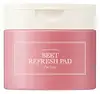
This hydrating treatment pad uses a pre-saturated pad with Niacinamide and Allantoin to hydrate skin and calm redness.

What's inside
What's inside
 Key Ingredients
Benefits
Concerns
Ingredients Side-by-side
Water
Skin ConditioningBeta Vulgaris Root Extract
Skin ConditioningGlycerin
Humectant


Dipropylene Glycol
HumectantPropanediol
Solvent
Niacinamide
Smoothing









Erythritol
Humectant
1,2-Hexanediol
Skin Conditioning
Hydroxyacetophenone
Antioxidant
Caprylyl Glycol
Emollient
Daucus Carota Sativa Root Extract
Skin Conditioning
Pyrus Malus Fruit Extract
Skin Conditioning
Polyglyceryl-10 Laurate
Skin Conditioning

Allantoin
Skin Conditioning
Xanthan Gum
EmulsifyingAdenosine
Skin Conditioning
Arginine
Masking
Carbomer
Emulsion StabilisingSodium Hyaluronate
Humectant
Glyceryl Acrylate/Acrylic Acid Copolymer
HumectantMelia Azadirachta Leaf Extract
Skin ConditioningPvm/Ma Copolymer
Emulsion StabilisingMelia Azadirachta Flower Extract
Skin ConditioningHydrolyzed Gardenia Florida Extract
Antioxidant
Dipotassium Glycyrrhizate
Humectant
Betaine
Humectant
Citric Acid
Buffering
Betaine Salicylate
Antimicrobial

Maltodextrin
Absorbent
Panthenol
Skin Conditioning
Ethylhexylglycerin
Skin ConditioningCoccinia Indica Fruit Extract
Skin Conditioning
Corallina Officinalis Extract
Skin Conditioning
Pantolactone
Humectant
Disodium EDTA
Water, Beta Vulgaris Root Extract, Glycerin, Dipropylene Glycol, Propanediol, Niacinamide, Erythritol, 1,2-Hexanediol, Hydroxyacetophenone, Caprylyl Glycol, Daucus Carota Sativa Root Extract, Pyrus Malus Fruit Extract, Polyglyceryl-10 Laurate, Allantoin, Xanthan Gum, Adenosine, Arginine, Carbomer, Sodium Hyaluronate, Glyceryl Acrylate/Acrylic Acid Copolymer, Melia Azadirachta Leaf Extract, Pvm/Ma Copolymer, Melia Azadirachta Flower Extract, Hydrolyzed Gardenia Florida Extract, Dipotassium Glycyrrhizate, Betaine, Citric Acid, Betaine Salicylate, Maltodextrin, Panthenol, Ethylhexylglycerin, Coccinia Indica Fruit Extract, Corallina Officinalis Extract, Pantolactone, Disodium EDTA
Water
Skin ConditioningKaolin
Abrasive
Dipropylene Glycol
HumectantPropanediol
Solvent
Cetyl Alcohol
Emollient
Cellulose
Absorbent
Caprylic/Capric Triglyceride
Masking
1,2-Hexanediol
Skin Conditioning
Arachidyl Alcohol
Emollient
Glyceryl Stearate
Emollient
Isononyl Isononanoate
EmollientPalmitic Acid
Emollient
Beta Vulgaris Root Powder 1.5%
Antioxidant
Stearic Acid
Cleansing
Behenyl Alcohol
Emollient
Beta Vulgaris Root Extract
Skin ConditioningCocos Nucifera Fruit Powder
Skin Conditioning
Bentonite
Absorbent
Arachidyl Glucoside
EmulsifyingPrunus Persica Seed Powder
Abrasive
Polyacrylate-13
Xanthan Gum
EmulsifyingHydrogenated Polyisobutene
EmollientPotassium Cetyl Phosphate
EmulsifyingDisodium EDTA
CI 77491
Cosmetic ColorantPolyglyceryl-10 Laurate
Skin Conditioning
Ethylhexyl Palmitate
Emollient

Myristic Acid
Cleansing
Sorbitan Isostearate
Emulsifying
Glucose
Humectant
Panthenol
Skin Conditioning
Sucrose
Humectant
Gluconolactone
Skin Conditioning
Citric Acid
Buffering
Parfum
Masking

Hydroxyacetophenone
Antioxidant
Ethylhexylglycerin
Skin ConditioningWater, Kaolin, Dipropylene Glycol, Propanediol, Cetyl Alcohol, Cellulose, Caprylic/Capric Triglyceride, 1,2-Hexanediol, Arachidyl Alcohol, Glyceryl Stearate, Isononyl Isononanoate, Palmitic Acid, Beta Vulgaris Root Powder 1.5%, Stearic Acid, Behenyl Alcohol, Beta Vulgaris Root Extract, Cocos Nucifera Fruit Powder, Bentonite, Arachidyl Glucoside, Prunus Persica Seed Powder, Polyacrylate-13, Xanthan Gum, Hydrogenated Polyisobutene, Potassium Cetyl Phosphate, Disodium EDTA, CI 77491, Polyglyceryl-10 Laurate, Ethylhexyl Palmitate, Myristic Acid, Sorbitan Isostearate, Glucose, Panthenol, Sucrose, Gluconolactone, Citric Acid, Parfum, Hydroxyacetophenone, Ethylhexylglycerin
Reviews
Ingredients Explained
These ingredients are found in both products.
Ingredients higher up in an ingredient list are typically present in a larger amount.
1,2-Hexanediol is a synthetic liquid and another multi-functional powerhouse.
It is a:
- Humectant, drawing moisture into the skin
- Emollient, helping to soften skin
- Solvent, dispersing and stabilizing formulas
- Preservative booster, enhancing the antimicrobial activity of other preservatives
Beta Vulgaris Root Extract comes from the beet root plant. Beet Root has high Vitamin C content.
Beet roots also contain antioxidants. Antioxidants help fight free-radicals. Free-radicals are molecules that may damage your skin cells, such as pollution.
Beet root has many benefits when eaten. More research is needed on applying beetroot in skincare.
Beet Root is used to add pink/red color.
Learn more about Beta Vulgaris Root ExtractCitric Acid is an alpha hydroxy acid (AHA) naturally found in citrus fruits like oranges, lemons, and limes.
Like other AHAs, citric acid can exfoliate skin by breaking down the bonds that hold dead skin cells together. This helps reveal smoother and brighter skin underneath.
However, this exfoliating effect only happens at high concentrations (20%) which can be hard to find in cosmetic products.
Due to this, citric acid is usually included in small amounts as a pH adjuster. This helps keep products slightly more acidic and compatible with skin's natural pH.
In skincare formulas, citric acid can:
While it can provide some skin benefits, research shows lactic acid and glycolic acid are generally more effective and less irritating exfoliants.
Most citric acid used in skincare today is made by fermenting sugars (usually from molasses). This synthetic version is identical to the natural citrus form but easier to stabilize and use in formulations.
Read more about some other popular AHA's here:
Learn more about Citric AcidDipropylene Glycol is a synthetically created humectant, stabilizer, and solvent.
This ingredient helps:
Dipropylene glycol is technically an alcohol, but it belongs to the glycol family (often considered part of the ‘good’ alcohols). This means it is hydrating and gentle on skin unlike drying solvent alcohols like denatured alcohol.
As a masking agent, Dipropylene Glycol can be used to cover the smell of other ingredients. However, it does not have a scent.
Studies show Dipropylene Glycol is considered safe to use in skincare.
Learn more about Dipropylene GlycolDisodium EDTA is a chelating agent. It grabs onto and deactivates metal ions that sneak into your products from water, packaging, or air.
This ingredient mainly works behind the scenes and helps with:
On top of that, this ingredient can counteract the effects of hard water by binding to the minerals in it.
One thing worth knowing is that Disodium EDTA has been shown to be a mild penetration enhancer. It can help other ingredients absorb into skin more effectively which can be a double-edged sword (great for actives, but can also make the active too strong if you have sensitive skin).
Clinical patch testing showed no significant skin irritation at typical use concentrations and minimal dermal absorption.
You'll most likely see this ingredient near the end of an ingredient list. It's typically found in concentrations less than 1%.
Learn more about Disodium EDTAEthylhexylglycerin is created from glycerin. It is a multitasker ingredient that:
The CIR Expert Panel found minimal skin absorption or sensitization of any kind in a safety assessment. Though this ingredient is considered well-tolerated, a small number of cases of allergic dermatitis have been published since 2002. Just be sure to patch test if you are unsure.
Industry-reported use ranges from 8% in rinse-off products and 2% in leave-on formulations.
Learn more about EthylhexylglycerinHydroxyacetophenone is a small phenolic molecule that earns its place in a formulas as an antioxidant and preservative booster.
As a phenol, it is able to neutralize free radicals to protect both the product and the skin from oxidative stress.
Though it can't kill microbes on its own, it works as a good supporting agent when combined with other preservatives like Phenoxyethanol or 1,2-Hexanediol.
This ingredient naturally occurs as piceol in Norwegian spruce needles (~0.4-1.1% dry weight and in cloudberries). Though the cosmetic-grade material is synthesized for purity and consistency.
You'll usually see it used at low levels and suppliers recommend up to 1% added to a water phase.
Safety testing was done at concentrations like 0.05% in SPF products and 0.5% in a Human Repeated Insult Patch Test. The safety evidence is assuring; this ingredient is safe for cosmetics in current use and also holds safety status as a food flavoring as well.
An honest caveat: the "soothing" and "anti-inflammatory" claims come mostly from supplier marketing rather than published clinical trials. The Cosmetic Ingredient Review's own literature search found no useful efficacy studies on this ingredient.
So the antioxidant and preservative-boosting roles are the well supported ones while the calming benefit is plausible but thinly evidenced.
Overall, this is a well-tolerated, low-irritation multitasker that quietly helps a formula stay fresh and stable.
Learn more about HydroxyacetophenonePanthenol is a common ingredient that helps hydrate and soothe the skin. It is found naturally in our skin and hair.
There are two forms of panthenol: D and L.
D-panthenol is also known as dexpanthenol. Most cosmetics use dexpanthenol or a mixture of D and L-panthenol.
Panthenol is famous due to its ability to go deeper into the skin's layers. Using this ingredient has numerous pros (and no cons):
Like hyaluronic acid, panthenol is a humectant. Humectants are able to bind and hold large amounts of water to keep skin hydrated.
This ingredient works well for wound healing. It works by increasing tissue in the wound and helps close open wounds.
Once oxidized, panthenol converts to pantothenic acid. Panthothenic acid is found in all living cells.
This ingredient is also referred to as pro-vitamin B5.
Learn more about PanthenolPolyglyceryl-10 Laurate is a cleansing agent and emulsifier.
It rounds up dirt, oil, and grime, so they can be rinsed off easily as a cleanser.
On the emulsifier side, it keeps your formula smooth and well-mixed by playing peacekeeper for ingredients that don't naturally get along (like oil and water).
Because it has a C12 (lauric acid) fatty acid chain, this ingredient can potentially feed the Malassezia yeast that causes fungal acne. The Malassezia yeast prefers esters with C11-C24 fatty acids.
This ingredient is an ester of lauric acid and Polyglycerin-10.
Learn more about Polyglyceryl-10 LauratePropanediol is an all-star ingredient. It softens, hydrates, and smooths the skin.
It’s often used to:
Propanediol is not likely to cause sensitivity and considered safe to use. It is derived from corn or petroleum with a clear color and no scent.
Learn more about PropanediolWater. It's the most common cosmetic ingredient of all. You'll usually see it at the top of ingredient lists, meaning that it makes up the largest part of the product.
So why is it so popular? Water most often acts as a solvent - this means that it helps dissolve other ingredients into the formulation.
You'll also recognize water as that liquid we all need to stay alive. If you see this, drink a glass of water. Remember to stay hydrated!
Learn more about WaterXanthan gum is used as a stabilizer and thickener within cosmetic products. It helps give products a sticky, thick feeling - preventing them from being too runny.
On the technical side of things, xanthan gum is a polysaccharide - a combination consisting of multiple sugar molecules bonded together.
Xanthan gum is a pretty common and great ingredient. It is a natural, non-toxic, non-irritating ingredient that is also commonly used in food products.
Learn more about Xanthan Gum

