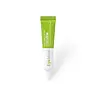
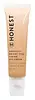
I.Lenol (Eyelenol) Tinted Eye Cream For Dark Circles Versus Honest Beauty Honestly Bright Eyes Tinted Eye Cream
This brightening eye moisturizer is formulated around Centella Asiatica Leaf Extract and Niacinamide to fade the look of dark spots and brighten dull-looking skin.
This eye moisturizer is formulated around Squalane and Sodium Acetylated Hyaluronate to hydrate skin.


What's inside
What's inside
 Key Ingredients
Benefits
Concerns
Ingredients Side-by-side
Centella Asiatica Leaf Extract
Skin Conditioning



Cyclopentasiloxane
Emollient
Titanium Dioxide
Cosmetic Colorant

Water
Skin ConditioningGlycerin
Humectant

Butylene Glycol
Humectant
Niacinamide
Smoothing






Dipropylene Glycol
Humectant1,2-Hexanediol
Skin Conditioning
Cyclohexasiloxane
Emollient
Coral Extract
Skin ConditioningSodium Acrylate/Sodium Acryloyldimethyl Taurate Copolymer
Emulsion StabilisingPanthenol
Skin Conditioning
PEG-240/Hdi Copolymer Bis-Decyltetradeceth-20 Ether
StabilisingIsohexadecane
EmollientHydroxyethyl Urea
Humectant
Dimethiconol
Emollient
CI 77492
Cosmetic ColorantSodium Polyacrylate
Absorbent
Polysorbate 80
Emulsifying

Hydrogenated Polydecene
EmollientAluminum Hydroxide
EmollientSodium Ascorbyl Phosphate
Antioxidant

Propanediol
Solvent
Dipotassium Glycyrrhizate
Humectant
Allantoin
Skin Conditioning
Triethoxycaprylylsilane
Caprylhydroxamic Acid
ChelatingParfum
Masking



Tocopheryl Acetate
Antioxidant
Sorbitan Oleate
Emulsifying
Simmondsia Chinensis Seed Oil
Emollient
Olea Europaea Fruit Oil
Masking
Argania Spinosa Kernel Oil
Emollient
CI 77491
Cosmetic ColorantAdenosine
Skin Conditioning
Ethylhexylglycerin
Skin ConditioningPullulan
Sodium Hyaluronate
Humectant
Disodium EDTA
ChelatingTrideceth-6
EmulsifyingTranexamic Acid
Astringent
Sodium DNA
Skin Conditioning
Glyceryl Acrylate/Acrylic Acid Copolymer
HumectantGlyceryl Ricinoleate
Emollient
Pentylene Glycol
Skin Conditioning
Glyceryl Linolenate
Emollient
Glyceryl Arachidonate
Emollient
Retinyl Palmitate
Skin Conditioning
Potassium Laurate
EmulsifyingArachis Hypogaea Oil
Skin Conditioning
BHT
Antioxidant
Sodium Hyaluronate Crosspolymer
Humectant
Solanum Lycopersicum Fruit Extract
Antioxidant
Fragaria Chiloensis Fruit Extract
Skin Conditioning
Diospyros Kaki Leaf Extract
Skin Protecting
Citrus Limon Fruit Extract
Masking
Capsicum Annuum Fruit Extract
Antimicrobial
Camellia Sinensis Leaf Extract
Antimicrobial
Brassica Oleracea Italica Extract
AstringentBrassica Oleracea Capitata Leaf Extract
Skin ConditioningBrassica Oleracea Acephala Leaf Extract
HumectantAsparagus Officinalis Extract
Skin ConditioningHydrolyzed Hyaluronic Acid
Humectant
Soluble Proteoglycan
Skin ConditioningAstaxanthin
Skin Conditioning
Hyaluronic Acid
Humectant
Tocopherol
Antioxidant
Hydrolyzed Sodium Hyaluronate
Skin Conditioning
Ascorbyl Palmitate
Antioxidant
Centella Asiatica Leaf Extract, Cyclopentasiloxane, Titanium Dioxide, Water, Glycerin, Butylene Glycol, Niacinamide, Dipropylene Glycol, 1,2-Hexanediol, Cyclohexasiloxane, Coral Extract, Sodium Acrylate/Sodium Acryloyldimethyl Taurate Copolymer, Panthenol, PEG-240/Hdi Copolymer Bis-Decyltetradeceth-20 Ether, Isohexadecane, Hydroxyethyl Urea, Dimethiconol, CI 77492, Sodium Polyacrylate, Polysorbate 80, Hydrogenated Polydecene, Aluminum Hydroxide, Sodium Ascorbyl Phosphate, Propanediol, Dipotassium Glycyrrhizate, Allantoin, Triethoxycaprylylsilane, Caprylhydroxamic Acid, Parfum, Tocopheryl Acetate, Sorbitan Oleate, Simmondsia Chinensis Seed Oil, Olea Europaea Fruit Oil, Argania Spinosa Kernel Oil, CI 77491, Adenosine, Ethylhexylglycerin, Pullulan, Sodium Hyaluronate, Disodium EDTA, Trideceth-6, Tranexamic Acid, Sodium DNA, Glyceryl Acrylate/Acrylic Acid Copolymer, Glyceryl Ricinoleate, Pentylene Glycol, Glyceryl Linolenate, Glyceryl Arachidonate, Retinyl Palmitate, Potassium Laurate, Arachis Hypogaea Oil, BHT, Sodium Hyaluronate Crosspolymer, Solanum Lycopersicum Fruit Extract, Fragaria Chiloensis Fruit Extract, Diospyros Kaki Leaf Extract, Citrus Limon Fruit Extract, Capsicum Annuum Fruit Extract, Camellia Sinensis Leaf Extract, Brassica Oleracea Italica Extract, Brassica Oleracea Capitata Leaf Extract, Brassica Oleracea Acephala Leaf Extract, Asparagus Officinalis Extract, Hydrolyzed Hyaluronic Acid, Soluble Proteoglycan, Astaxanthin, Hyaluronic Acid, Tocopherol, Hydrolyzed Sodium Hyaluronate, Ascorbyl Palmitate
Water
Skin ConditioningPropanediol
Solvent
Squalane
Emollient
Glycerin
Humectant
Polyglyceryl-4 Isostearate
Emulsifying
Pyrus Malus Fruit Extract
Skin Conditioning
Coco-Caprylate/Caprate
Emollient
Disteardimonium Hectorite
StabilisingJojoba Esters
Emollient
Sodium PCA
Humectant
Tocopherol
Antioxidant
Sodium Acetylated Hyaluronate
Humectant
Hydrolyzed Sodium Hyaluronate
Skin Conditioning
Trisodium Ethylenediamine Disuccinate
Chelating1,2-Hexanediol
Skin Conditioning
Caprylhydroxamic Acid
ChelatingTin Oxide
Abrasive
Mica
Cosmetic ColorantCI 77891
Cosmetic ColorantIron Oxides
Water, Propanediol, Squalane, Glycerin, Polyglyceryl-4 Isostearate, Pyrus Malus Fruit Extract, Coco-Caprylate/Caprate, Disteardimonium Hectorite, Jojoba Esters, Sodium PCA, Tocopherol, Sodium Acetylated Hyaluronate, Hydrolyzed Sodium Hyaluronate, Trisodium Ethylenediamine Disuccinate, 1,2-Hexanediol, Caprylhydroxamic Acid, Tin Oxide, Mica, CI 77891, Iron Oxides
Ingredients Explained
These ingredients are found in both products.
Ingredients higher up in an ingredient list are typically present in a larger amount.
1,2-Hexanediol is a synthetic liquid and another multi-functional powerhouse.
It is a:
- Humectant, drawing moisture into the skin
- Emollient, helping to soften skin
- Solvent, dispersing and stabilizing formulas
- Preservative booster, enhancing the antimicrobial activity of other preservatives
Caprylhydroxamic Acid is a chelating agent that helps cosmetics stay fresh, stable, and consistent over time.
Chelating agents help prevent metal ions from binding to other ingredients. This helps prevent unwanted reactions and effects from using the product. It also helps prevent the growth of unwanted microbes in products that contain water.
Caprylhydroxamic Acid is often used with natural antimicrobial products as an alternative to preservatives.
Learn more about Caprylhydroxamic AcidGlycerin (or glycerol) is a compound naturally found in your skin. It's a powerhouse humectant that pulls water into the stratum corneum.
Topically, glycerin does several things at once:
Your skin makes glycerin on its own (mostly from sebaceous oil breakdown) and shuttles it to your outermost layer of skin, or your epidermis, via aquaporin-3.
Aquaporin-3 is a transporter that is essential for normal skin hydration, elasticity, and repair. Interestingly, mice lacking in AQP3 have dry and less elastic skin that can be fully corrected with glycerin.
This ingredient is non-irritating, plays well with almost every ingredient, and works across all skin types. Typical use is anywhere between 3-10% but can go up to 79% in some leave-on products.
Just know very high concentrations (>40%) can feel tacky in low humidity.
Glycerin is the name for this ingredient in American English. British English uses Glycerol/Glycerine.
Learn more about GlycerinThis ingredient is created by putting sodium hyaluronate through hydrolysis.
You might know this as 'mini' or 'ultra low-molecular weight' hyaluronic acid. The small molecule size means it is able to travel deeper in the skin.
According to studies, low molecular-weight hyaluronic acid can:
One study from 2011 found ultra-low weight HA to show pro-inflammatory properties. Another study from 2022 found it to downregulate UV-B induced inflammation.
Hydrolysis is a process of changing a molecule using water or enzymes.
This ingredient is water-soluble.
Learn more about Hydrolyzed Sodium HyaluronatePropanediol is an all-star ingredient. It softens, hydrates, and smooths the skin.
It’s often used to:
Propanediol is not likely to cause sensitivity and considered safe to use. It is derived from corn or petroleum with a clear color and no scent.
Learn more about PropanediolTocopherol is a fat-soluble antioxidant known as Vitamin E.
You'll find this ingredient in the vast majority of skincare (for good reason). It works to neutralize free radicals, or unstable molecules generated by UV exposure, pollution, and other environmental stressors, before they can cause oxidative damage to your skin cells.
Topically applied tocopherol has been shown to protect against UV damage by ramping up the skin's own natural defense enzymes.
It also acts as a skin conditioning agent; some studies show that regular topical use can improve the skin's water-binding capacity over 2-4 weeks.
This ingredient is especially loved for being a team player. When combined with Vitamin C, the photoprotective effect of both ingredients roughly doubles and the combo also helps reduce UV-induced DNA damage.
This ingredient has some brightening potential but it's more of a prevention ingredient than spot-fader. Cell studies show it can slow down melanin production but it's worth noting that it's not the most powerful brightener out there.
In formulations, it also serves as a stabilizer that helps protect other oxidation-prone ingredients from degrading.
Concentrations usually range from 0.1-1% in most leave-on products.
Learn more about TocopherolWater. It's the most common cosmetic ingredient of all. You'll usually see it at the top of ingredient lists, meaning that it makes up the largest part of the product.
So why is it so popular? Water most often acts as a solvent - this means that it helps dissolve other ingredients into the formulation.
You'll also recognize water as that liquid we all need to stay alive. If you see this, drink a glass of water. Remember to stay hydrated!
Learn more about Water

