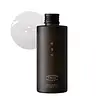
This hydrating toner is formulated around Niacinamide and Saccharomyces/Rice Ferment Filtrate to hydrate skin and strengthen the skin barrier.
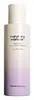
This barrier-repair essence is formulated around Oryza Sativa Extract and Galactomyces Ferment Filtrate to strengthen the skin barrier and hydrate skin.

What's inside
What's inside
 Key Ingredients
Benefits
Concerns
Ingredients Side-by-side
Water
Skin ConditioningButylene Glycol
Humectant

Glycerin
Humectant
Propanediol
Solvent
1,2-Hexanediol
Skin Conditioning
Niacinamide
Smoothing









Styrene/Vp Copolymer
Phenyl Trimethicone
Skin Conditioning
Ammonium Acryloyldimethyltaurate/Vp Copolymer
Polyglyceryl-10 Laurate
Skin Conditioning

Polyglyceryl-10 Myristate
Skin Conditioning
Saccharomyces/Rice Ferment Filtrate
Skin Conditioning
Ethylhexylglycerin
Skin ConditioningCaprylyl Glycol
Emollient
Adenosine
Skin Conditioning
Galactomyces Ferment Filtrate
Humectant
Pentylene Glycol
Skin Conditioning
Panthenol
Skin Conditioning
Trehalose
Humectant
Parfum
Masking



Oryza Sativa Extract
Absorbent
Malt Extract
Skin ProtectingOryza Sativa Bran Extract
Skin Conditioning
Hydrogenated Lecithin
Emulsifying
Ceramide NP
Skin Conditioning
Water, Butylene Glycol, Glycerin, Propanediol, 1,2-Hexanediol, Niacinamide, Styrene/Vp Copolymer, Phenyl Trimethicone, Ammonium Acryloyldimethyltaurate/Vp Copolymer, Polyglyceryl-10 Laurate, Polyglyceryl-10 Myristate, Saccharomyces/Rice Ferment Filtrate, Ethylhexylglycerin, Caprylyl Glycol, Adenosine, Galactomyces Ferment Filtrate, Pentylene Glycol, Panthenol, Trehalose, Parfum, Oryza Sativa Extract, Malt Extract, Oryza Sativa Bran Extract, Hydrogenated Lecithin, Ceramide NP
Water
Skin ConditioningButylene Glycol
Humectant
Helianthus Annuus Seed Oil
Emollient
Caprylic/Capric Triglyceride
Masking
Hydrogenated Polyisobutene
EmollientLimnanthes Alba Seed Oil
Skin Conditioning
Butylene Glycol Dicaprylate/Dicaprate
Emollient1,2-Hexanediol
Skin Conditioning
Potassium Cetyl Phosphate
EmulsifyingCetearyl Alcohol
Emollient

Hydroxyacetophenone
Antioxidant
Glycerin
Humectant
Glyceryl Stearate
Emollient
Oryza Sativa Extract
Absorbent
Phyllostachys Pubescens Shoot Bark Extract
Skin ConditioningHydrogenated Lecithin
Emulsifying
Polyglyceryl-10 Laurate
Skin Conditioning
Polyglyceryl-3 Methylglucose Distearate
Emulsifying
Xanthan Gum
EmulsifyingGalactomyces Ferment Filtrate
Humectant
Panthenol
Skin Conditioning
Bifida Ferment Filtrate
Skin Conditioning
Aspergillus Ferment
Skin ConditioningEthylhexylglycerin
Skin ConditioningAcrylates/C10-30 Alkyl Acrylate Crosspolymer
Emulsion StabilisingCeramide NP
Skin Conditioning
Disodium EDTA
ChelatingPentylene Glycol
Skin Conditioning
Tromethamine
BufferingButyrospermum Parkii Butter
Skin Conditioning
Phytosterols
Skin Conditioning
Oryza Sativa Lees Extract
Skin ConditioningPanax Ginseng Root Extract
Emollient
Stearic Acid
Cleansing
Palmitic Acid
Emollient
Caprylyl Glycol
Emollient
Squalane
Emollient
Hydrolyzed Wheat Protein
Skin ConditioningCyclodextrin
AbsorbentArachidic Acid
Cleansing
Myristic Acid
Cleansing
Oleic Acid
Emollient
Ceramide Ns
Skin Conditioning
Phytosphingosine
Skin Conditioning
Cholesterol
Emollient
Ceramide As
Skin Conditioning
Ceramide AP
Skin Conditioning
Ceramide EOP
Skin Conditioning
Water, Butylene Glycol, Helianthus Annuus Seed Oil, Caprylic/Capric Triglyceride, Hydrogenated Polyisobutene, Limnanthes Alba Seed Oil, Butylene Glycol Dicaprylate/Dicaprate, 1,2-Hexanediol, Potassium Cetyl Phosphate, Cetearyl Alcohol, Hydroxyacetophenone, Glycerin, Glyceryl Stearate, Oryza Sativa Extract, Phyllostachys Pubescens Shoot Bark Extract, Hydrogenated Lecithin, Polyglyceryl-10 Laurate, Polyglyceryl-3 Methylglucose Distearate, Xanthan Gum, Galactomyces Ferment Filtrate, Panthenol, Bifida Ferment Filtrate, Aspergillus Ferment, Ethylhexylglycerin, Acrylates/C10-30 Alkyl Acrylate Crosspolymer, Ceramide NP, Disodium EDTA, Pentylene Glycol, Tromethamine, Butyrospermum Parkii Butter, Phytosterols, Oryza Sativa Lees Extract, Panax Ginseng Root Extract, Stearic Acid, Palmitic Acid, Caprylyl Glycol, Squalane, Hydrolyzed Wheat Protein, Cyclodextrin, Arachidic Acid, Myristic Acid, Oleic Acid, Ceramide Ns, Phytosphingosine, Cholesterol, Ceramide As, Ceramide AP, Ceramide EOP
Reviews
Ingredients Explained
These ingredients are found in both products.
Ingredients higher up in an ingredient list are typically present in a larger amount.
1,2-Hexanediol is a synthetic liquid and another multi-functional powerhouse.
It is a:
- Humectant, drawing moisture into the skin
- Emollient, helping to soften skin
- Solvent, dispersing and stabilizing formulas
- Preservative booster, enhancing the antimicrobial activity of other preservatives
Butylene Glycol (or BG) is used within cosmetic products for a few different reasons:
Overall, Butylene Glycol is a safe and well-rounded ingredient that works well with other ingredients.
Though this ingredient works well with most skin types, some people with sensitive skin may experience a reaction such as allergic rashes, closed comedones, or itchiness.
Learn more about Butylene GlycolCaprylyl Glycol is a humectant, skin conditioner, emollient, and preservative booster derived from either caprylic acid or synthetically created.
Typical use levels vary from 0.3-1% as a preservative booster and go up to 2% to condition skin.
Because it is not a free-fatty acid, this ingredient is fungal acne safe (there's nothing for Malassezia to feed on).
Learn more about Caprylyl GlycolCeramide NP (formerly known as Ceramide 3) is one of the skin's naturally occurring lipids.
Since ceramides are the major lipid components of the skin, they are crucial for maintaining skin barrier and hydration. Ceramide NP most closely mirrors the dominant kind in human skin amongst ceramide subtypes.
This ceramide works by slotting into gaps within the stratum corneum's lipid matrix to limit trans-epidermal water loss (TEWL) and shield the skin against external irritants.
A study with 312 patients found that using a ceramide-containing routine for 4 weeks reduced the severity of atopic dermatitis by over 61%.
Another clinical study in subjects aged 60 and older found that a ceramide body wash and moisturizer improved skin dryness and itchy skin in 15 days.
Overall, ceramides are considered non-irritating and safety tests have found little to no observable adverse effects from using this ingredient.
Ceramide NP is usually sourced from plants (like soybean or rice bran), or produced synthetically.
Learn more about Ceramide NPEthylhexylglycerin is created from glycerin. It is a multitasker ingredient that:
The CIR Expert Panel found minimal skin absorption or sensitization of any kind in a safety assessment. Though this ingredient is considered well-tolerated, a small number of cases of allergic dermatitis have been published since 2002. Just be sure to patch test if you are unsure.
Industry-reported use ranges from 8% in rinse-off products and 2% in leave-on formulations.
Learn more about EthylhexylglycerinGalactomyces Ferment Filtrate (GFF) is a byproduct of fermenting Galactomyces yeast (the same yeast traditionally used to brew sake, Japan's beloved rice wine).
Sake brewers have long been known for their remarkably youthful hands. This is what actually first sparked scientific interest in GFF's skin benefits.
GFF works by stimulating filaggrin production in the skin. Filaggrin is a protein that binds structural proteins in the outer skin layer together to form a tight barrier that shields against allergens, bacteria, and moisture loss.
It's also a key building block of our natural moisturizing factors (NMF), or the network of compounds that keep skin plump and hydrated.
By boosting filaggrin, GFF helps strengthen both our barrier and our skin's ability to retain moisture.
Beyond hydration, GFF has notable antioxidant properties that help protect against oxidative stress and UV-induced inflammation.
Research also suggests it may help regulate sebum and keratin production. This could be an interesting option for those concerned about oiliness or skin texture.
Fungal acne:
This ingredient doesn't contain fatty acids or oils that could feed Malassezia, and the yeast used to make it (Galactomyces) is a different genera of fungi from Malassezia. The presence of one doesn't stimulate the other.
However, there is a concern raised by some communities that this ingredient could trigger a reaction in people who are broadly sensitive to yeast/fungal-derived ingredients.
Learn more about Galactomyces Ferment FiltrateGlycerin (or glycerol) is a compound naturally found in your skin. It's a powerhouse humectant that pulls water into the stratum corneum.
Topically, glycerin does several things at once:
Your skin makes glycerin on its own (mostly from sebaceous oil breakdown) and shuttles it to your outermost layer of skin, or your epidermis, via aquaporin-3.
Aquaporin-3 is a transporter that is essential for normal skin hydration, elasticity, and repair. Interestingly, mice lacking in AQP3 have dry and less elastic skin that can be fully corrected with glycerin.
This ingredient is non-irritating, plays well with almost every ingredient, and works across all skin types. Typical use is anywhere between 3-10% but can go up to 79% in some leave-on products.
Just know very high concentrations (>40%) can feel tacky in low humidity.
Glycerin is the name for this ingredient in American English. British English uses Glycerol/Glycerine.
Learn more about GlycerinHydrogenated Lecithin is a more stable version of lecithin.
It's made by taking lecithin (a phospholipid commonly found in soybeans and egg yolks) and hydrogenating it. This just means the unsaturated fatty acids are turned into saturated ones so they don't go bad as easily.
This ingredient is an emollient, emulsifier, and penetration enhancer. As an emollient, it helps soften and hydrate skin by trapping moisture within. As an emulsifier, it prevents oil and water ingredients from separating.
Hydrogenated Lecithin can form tiny spherical structures made of phospholipid bilayers called liposomes. These liposomes are able to capture compounds inside their structure and deliver them through the skin barrier.
Because phospholipids are a natural component of our cell membranes, this ingredient is inherently compatible with skin.
A 2021 study found lecithin-based surfactants were less harsh and more tolerable comared to Sodium Lauryl Sulfate (SLS).
Learn more about Hydrogenated LecithinOryza Sativa Extract comes from the rice grain, Oryza sativa. Rice extract has wound healing, antioxidant, anti-inflammatory, and hydrating properties.
Rice grains contain numerous antioxidants which may help with anti-aging, such as vitamin E. Antioxidants help stabilize free-radical molecules. Unstable free-radical molecules may damage your skin cells and accelerate signs of aging.
A study from 2002 found rice to help increase the rate of wound healing. The same study found an improvement of skin barrier function in the patients after taking rice baths.
Numerous in-vitro studies have found rice water to help decrease sun damage by increasing collagen production and inhibiting the process of tyrosinase.
Long story short- tyrosinase is an enzyme that controls melanin production. Our bodies start producing melanin (AKA tanning) when exposed to UV radiation to protect against damage. Rice water is found to partially block this process.
Though more research is needed on rice's ability to help with UV protection, recent studies seem promising.
Wondering why rice is hydrating? The protein in rice have emollient properties. Emollients create a barrier on the skin to trap moisture in, keeping your skin moisturized.
Some rice extract may have mildly-exfoliating properties. These are mainly limited to Oryza Sativa (Rice) Bran and Oryza Sativa (Rice) Germ Powder.
This rice was first cultivated in China over 10,000 years ago. Many cultures throughout Asia have used rice water on skin and hair for centuries.
Learn more about Oryza Sativa ExtractPanthenol is a common ingredient that helps hydrate and soothe the skin. It is found naturally in our skin and hair.
There are two forms of panthenol: D and L.
D-panthenol is also known as dexpanthenol. Most cosmetics use dexpanthenol or a mixture of D and L-panthenol.
Panthenol is famous due to its ability to go deeper into the skin's layers. Using this ingredient has numerous pros (and no cons):
Like hyaluronic acid, panthenol is a humectant. Humectants are able to bind and hold large amounts of water to keep skin hydrated.
This ingredient works well for wound healing. It works by increasing tissue in the wound and helps close open wounds.
Once oxidized, panthenol converts to pantothenic acid. Panthothenic acid is found in all living cells.
This ingredient is also referred to as pro-vitamin B5.
Learn more about PanthenolPentylene Glycol (1,2-pentanediol) is a multitasking little diol with three main roles in a formula:
Research on alkanediols (the family pentylene glycol belongs to) show they work by disrupting microbial cell membranes. This disruption helps the primary preservative system in a product work more effectively at lower doses.
On the safety side, the Cosmetic Ingredient Review Expert Panel has concluded this ingredient to be safe as used in current cosmetic practices + concentrations.
Typical use levels in a formula run about 1-5%.
Learn more about Pentylene GlycolPolyglyceryl-10 Laurate is a cleansing agent and emulsifier.
It rounds up dirt, oil, and grime, so they can be rinsed off easily as a cleanser.
On the emulsifier side, it keeps your formula smooth and well-mixed by playing peacekeeper for ingredients that don't naturally get along (like oil and water).
Because it has a C12 (lauric acid) fatty acid chain, this ingredient can potentially feed the Malassezia yeast that causes fungal acne. The Malassezia yeast prefers esters with C11-C24 fatty acids.
This ingredient is an ester of lauric acid and Polyglycerin-10.
Learn more about Polyglyceryl-10 LaurateWater. It's the most common cosmetic ingredient of all. You'll usually see it at the top of ingredient lists, meaning that it makes up the largest part of the product.
So why is it so popular? Water most often acts as a solvent - this means that it helps dissolve other ingredients into the formulation.
You'll also recognize water as that liquid we all need to stay alive. If you see this, drink a glass of water. Remember to stay hydrated!
Learn more about Water

