Heveblue Pot Pore Tightening Podo Ampoule Versus Sungboon Editor Green Tomato NMN Pore Lifting Ampoule
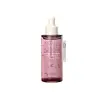
This hydrating ampoule is formulated around Panthenol and Acetyl Hexapeptide-8 to hydrate skin and strengthen the skin barrier.
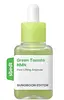
This pore-care ampoule is formulated around Niacinamide and Gluconolactone to refine the look of pores and soften the look of wrinkles.

What's inside
What's inside
 Key Ingredients
Benefits
Concerns
Ingredients Side-by-side
Vitis Vinifera Fruit Water
Skin ConditioningWater
Skin ConditioningButylene Glycol
Humectant

Glycerin
Humectant
1,2-Hexanediol
Skin Conditioning
Panthenol
Skin Conditioning

Hyaluronic Acid
Humectant

Hydrolyzed Hyaluronic Acid
Humectant
Sodium Hyaluronate
Humectant
Hydrolyzed Gardenia Florida Extract
Antioxidant
Hydrolyzed Malt Extract
Skin ConditioningHydrolyzed Viola Tricolor Extract
Skin ProtectingPhaseolus Angularis Seed Extract
Antioxidant
Coix Lacryma-Jobi Ma-Yuen Seed Extract
Skin ConditioningAcetyl Hexapeptide-8
Humectant
Tocopherol
Antioxidant


Gardenia Florida Fruit Extract
Skin ConditioningLotus Corniculatus Flower Extract
MaskingGlycereth-25 PCA Isostearate
Emulsifying

Propanediol
Solvent
Arginine
Masking
Carbomer
Emulsion StabilisingHydroxyacetophenone
Antioxidant
Helianthus Annuus Seed Oil
Emollient
Ethylhexylglycerin
Skin ConditioningDisodium EDTA
ChelatingSodium Polyacrylate
Absorbent
Dextrin
AbsorbentVitis Vinifera Fruit Water, Water, Butylene Glycol, Glycerin, 1,2-Hexanediol, Panthenol, Hyaluronic Acid, Hydrolyzed Hyaluronic Acid, Sodium Hyaluronate, Hydrolyzed Gardenia Florida Extract, Hydrolyzed Malt Extract, Hydrolyzed Viola Tricolor Extract, Phaseolus Angularis Seed Extract, Coix Lacryma-Jobi Ma-Yuen Seed Extract, Acetyl Hexapeptide-8, Tocopherol, Gardenia Florida Fruit Extract, Lotus Corniculatus Flower Extract, Glycereth-25 PCA Isostearate, Propanediol, Arginine, Carbomer, Hydroxyacetophenone, Helianthus Annuus Seed Oil, Ethylhexylglycerin, Disodium EDTA, Sodium Polyacrylate, Dextrin
Water
Skin ConditioningButylene Glycol
Humectant
Glycerin
Humectant
Xylitol
Humectant
1,2-Hexanediol
Skin Conditioning
Dipropylene Glycol
HumectantNiacinamide
Smoothing




Nicotinamide Mononucleotide
Antioxidant
Trehalose
Humectant
Xanthan Gum
EmulsifyingCarbomer
Emulsion StabilisingPhenyl Trimethicone
Skin Conditioning
Tromethamine
BufferingAllantoin
Skin Conditioning
C12-13 Alketh-9
EmulsifyingPolymethylsilsesquioxane
Sodium Phosphate
BufferingHydrolyzed Safflower Flower Extract
Skin ConditioningMethyldihydrojasmonate
MaskingDipotassium Glycyrrhizate
Humectant
Adenosine
Skin Conditioning
Disodium EDTA
ChelatingGardenia Taitensis Callus Extract
Antioxidant
Dextrin
AbsorbentStomach Extract
HumectantEthylene Brassylate
MaskingGluconolactone
Chelating
Panthenol
Skin Conditioning
2-T-Butylcyclohexyl Acetate
Masking

Pueraria Lobata Root Extract
HumectantOenothera Biennis Flower Extract
AstringentPinus Pinaster Leaf Extract
Skin ConditioningMaranta Arundinacea Root Extract
SmoothingFibronectin
Skin ConditioningSodium Hyaluronate
Humectant
Adenosine Triphosphate
Skin ConditioningHydrogenated Lecithin
Emulsifying
Hydrolyzed Hyaluronic Acid
Humectant
Hyaluronic Acid
Humectant
Sodium Hyaluronate Crosspolymer
Humectant
Hydroxypropyltrimonium Hyaluronate
Hydrogenated Polyisobutene
EmollientBenzyl Glycol
SolventCeramide NP
Skin Conditioning
Tocopherol
Antioxidant
Polyglyceryl-10 Laurate
Skin Conditioning
Bellis Perennis Flower Extract
Skin ConditioningSoluble Proteoglycan
Skin ConditioningPEG-5 Rapeseed Sterol
Cleansing
Solanum Lycopersicum Fruit Juice
Skin ConditioningSolanum Lycopersicum Fruit
EmollientPhenethyl Alcohol
MaskingHydrolyzed Collagen
Emollient
Raspberry Ketone
Masking
Phytosteryl/Behenyl/Octyldodecyl Lauroyl Glutamate
Skin ConditioningCholesterol
Emollient
Lysolecithin
EmulsifyingOleic Acid
Emollient


Glycosaminoglycans
EmollientSodium Chloride
MaskingPotassium Phosphate
BufferingPotassium Chloride
Disodium Phosphate
BufferingHydrolyzed Vegetable Protein
Skin ConditioningEphedra Sinica Root Extract
Skin ConditioningLycopene
Antioxidant
Collagen Extract
Skin Conditioning
Linalyl Acetate
Masking

Ethyl Linalool
Masking
Eucalyptol
Perfuming
Methylenedioxyphenyl Methylpropanal
Perfuming
Hexenyl Acetate
Masking
2,4-Dimethyl-3-Cyclohexene Carboxaldehyde
Masking
3-Hexenol
Masking
Water, Butylene Glycol, Glycerin, Xylitol, 1,2-Hexanediol, Dipropylene Glycol, Niacinamide, Nicotinamide Mononucleotide, Trehalose, Xanthan Gum, Carbomer, Phenyl Trimethicone, Tromethamine, Allantoin, C12-13 Alketh-9, Polymethylsilsesquioxane, Sodium Phosphate, Hydrolyzed Safflower Flower Extract, Methyldihydrojasmonate, Dipotassium Glycyrrhizate, Adenosine, Disodium EDTA, Gardenia Taitensis Callus Extract, Dextrin, Stomach Extract, Ethylene Brassylate, Gluconolactone, Panthenol, 2-T-Butylcyclohexyl Acetate, Pueraria Lobata Root Extract, Oenothera Biennis Flower Extract, Pinus Pinaster Leaf Extract, Maranta Arundinacea Root Extract, Fibronectin, Sodium Hyaluronate, Adenosine Triphosphate, Hydrogenated Lecithin, Hydrolyzed Hyaluronic Acid, Hyaluronic Acid, Sodium Hyaluronate Crosspolymer, Hydroxypropyltrimonium Hyaluronate, Hydrogenated Polyisobutene, Benzyl Glycol, Ceramide NP, Tocopherol, Polyglyceryl-10 Laurate, Bellis Perennis Flower Extract, Soluble Proteoglycan, PEG-5 Rapeseed Sterol, Solanum Lycopersicum Fruit Juice, Solanum Lycopersicum Fruit, Phenethyl Alcohol, Hydrolyzed Collagen, Raspberry Ketone, Phytosteryl/Behenyl/Octyldodecyl Lauroyl Glutamate, Cholesterol, Lysolecithin, Oleic Acid, Glycosaminoglycans, Sodium Chloride, Potassium Phosphate, Potassium Chloride, Disodium Phosphate, Hydrolyzed Vegetable Protein, Ephedra Sinica Root Extract, Lycopene, Collagen Extract, Linalyl Acetate, Ethyl Linalool, Eucalyptol, Methylenedioxyphenyl Methylpropanal, Hexenyl Acetate, 2,4-Dimethyl-3-Cyclohexene Carboxaldehyde, 3-Hexenol
Reviews
Ingredients Explained
These ingredients are found in both products.
Ingredients higher up in an ingredient list are typically present in a larger amount.
1,2-Hexanediol is a synthetic liquid and another multi-functional powerhouse.
It is a:
- Humectant, drawing moisture into the skin
- Emollient, helping to soften skin
- Solvent, dispersing and stabilizing formulas
- Preservative booster, enhancing the antimicrobial activity of other preservatives
Butylene Glycol (or BG) is used within cosmetic products for a few different reasons:
Overall, Butylene Glycol is a safe and well-rounded ingredient that works well with other ingredients.
Though this ingredient works well with most skin types, some people with sensitive skin may experience a reaction such as allergic rashes, closed comedones, or itchiness.
Learn more about Butylene GlycolCarbomer is a synthetic thickening and gelling agent. It's basically the ingredient that gives a lot of serums, gels, creams, and sunscreens their smooth, non-sticky texture.
Although legally permitted at very high levels, carbomers are normally used at concentrations below 1%.
It also needs to be neutralized to actually thicken, and because it is a large molecule, it doesn't really penetrate the skin barrier.
Allergy-wise, the risk is very low. Clinical studies show carbomers have low potential for skin irritation/sensitization even at concentrations up to 100%.
A 2024 UK study patch-tested 1,302 patients and found true allergy to the parent group of carbomer to be rare with no confirmed relevant reactions.
Learn more about CarbomerDextrin is a starch-derived polysaccharide. It's made by partially breaking down corn, potato, or other plant starches.
Think of it as "half-processed" starch; it's less complex than the original but not fully broken down into sugar like maltodextrin.
In cosmetics, it mainly functions as a bulking agent, viscosity controller, binder, and absorbent. It helps thicken products, stabilize powders, and get certain textures a less "wet" feel.
This ingredient has a pretty solid safety profile; it's recognized as a safe food additive and its large molecular size means it doesn't meaningfully penetrate skin.
Human repeat insult patch tests using a rinse-off facial product containing 42.69% dextrin found no skin irritation or sensitization in 54 subjects.
Typical real-world usage is much lower: usually under 1% as a texture modifier and up to 40% in masks (rinse off products use less).
Learn more about DextrinDisodium EDTA is a chelating agent. It grabs onto and deactivates metal ions that sneak into your products from water, packaging, or air.
This ingredient mainly works behind the scenes and helps with:
On top of that, this ingredient can counteract the effects of hard water by binding to the minerals in it.
One thing worth knowing is that Disodium EDTA has been shown to be a mild penetration enhancer. It can help other ingredients absorb into skin more effectively which can be a double-edged sword (great for actives, but can also make the active too strong if you have sensitive skin).
Clinical patch testing showed no significant skin irritation at typical use concentrations and minimal dermal absorption.
You'll most likely see this ingredient near the end of an ingredient list. It's typically found in concentrations less than 1%.
Learn more about Disodium EDTAGlycerin (or glycerol) is a compound naturally found in your skin. It's a powerhouse humectant that pulls water into the stratum corneum.
Topically, glycerin does several things at once:
Your skin makes glycerin on its own (mostly from sebaceous oil breakdown) and shuttles it to your outermost layer of skin, or your epidermis, via aquaporin-3.
Aquaporin-3 is a transporter that is essential for normal skin hydration, elasticity, and repair. Interestingly, mice lacking in AQP3 have dry and less elastic skin that can be fully corrected with glycerin.
This ingredient is non-irritating, plays well with almost every ingredient, and works across all skin types. Typical use is anywhere between 3-10% but can go up to 79% in some leave-on products.
Just know very high concentrations (>40%) can feel tacky in low humidity.
Glycerin is the name for this ingredient in American English. British English uses Glycerol/Glycerine.
Learn more about GlycerinHyaluronic acid (HA) is a glycosaminoglycan (basically a long sugar chain) that your skin already makes on its own. In your skin, HA lives in the extracellular matrix and acts as the body's moisture reservoir.
Topically, HA is a humectant that binds water and helps skin look more plump, smooth, and hydrated.
The only catch is that HA isn't a single thing; it actually comes in a wide range of molecular weights (~50 - 2,000+ kDA) and size matters.
Some clinical evidence links low molecular weight versions to improved wrinkle depth, elasticity, anti-inflammatory effects, and barrier repair.
This is why the best HA serums blend the two sizes together so you get the best of both worlds.
The majority of cosmetic HA is produced by bacterial fermentation, typically using Streptococcus or Bacillus strains. Typical use levels in skincare sit around 0.1-2%.
A clinical study using a 0.2% low-molecular weight HA gel showed improvement in facial seborrheic dermatitis with excellent tolerance.
These are some other common types of Hyaluronic Acid:
Learn more about Hyaluronic AcidHydrolyzed Hyaluronic Acid is hyaluronic acid (HA) that is broken down into lower molecular weight fragments.
It's a humectant that pulls and holds water in the skin to help with hydration, plumpness, and reduce transepidermal water loss.
Because hydrolyzed hyaluronic acid is smaller in size, it can slip past your outermost layer of skin more easily than full-sized HA.
Most formulations will combine all sizes to get the best of both worlds.
Typical usage levels range from 0.01-1%. Any percentage higher than 2% might become goopy and tacky.
Learn more about Hydrolyzed Hyaluronic AcidPanthenol is a common ingredient that helps hydrate and soothe the skin. It is found naturally in our skin and hair.
There are two forms of panthenol: D and L.
D-panthenol is also known as dexpanthenol. Most cosmetics use dexpanthenol or a mixture of D and L-panthenol.
Panthenol is famous due to its ability to go deeper into the skin's layers. Using this ingredient has numerous pros (and no cons):
Like hyaluronic acid, panthenol is a humectant. Humectants are able to bind and hold large amounts of water to keep skin hydrated.
This ingredient works well for wound healing. It works by increasing tissue in the wound and helps close open wounds.
Once oxidized, panthenol converts to pantothenic acid. Panthothenic acid is found in all living cells.
This ingredient is also referred to as pro-vitamin B5.
Learn more about PanthenolSodium Hyaluronate is the salt form of hyaluronic acid. It is a long sugar chain that is naturally found in your skin, joints, and connective tissue that maintains hydration and elasticity.
In skincare, it works as a humectant. It pulls water from the environment and deeper layers of skin and binds it to the surface.
Interestingly, the size of the molecule affects its behavior:
Some clinical evidence links low molecular weight versions to improved wrinkle depth, elasticity, anti-inflammatory effects, and barrier repair.
Many serums use a blend of both weights so you can get surface hydration plus longer-lasting and deeper effects.
You'll typically see concentrations between 0.1-2% for this ingredient.
Learn more about Sodium HyaluronateTocopherol is a fat-soluble antioxidant known as Vitamin E.
You'll find this ingredient in the vast majority of skincare (for good reason). It works to neutralize free radicals, or unstable molecules generated by UV exposure, pollution, and other environmental stressors, before they can cause oxidative damage to your skin cells.
Topically applied tocopherol has been shown to protect against UV damage by ramping up the skin's own natural defense enzymes.
It also acts as a skin conditioning agent; some studies show that regular topical use can improve the skin's water-binding capacity over 2-4 weeks.
This ingredient is especially loved for being a team player. When combined with Vitamin C, the photoprotective effect of both ingredients roughly doubles and the combo also helps reduce UV-induced DNA damage.
This ingredient has some brightening potential but it's more of a prevention ingredient than spot-fader. Cell studies show it can slow down melanin production but it's worth noting that it's not the most powerful brightener out there.
In formulations, it also serves as a stabilizer that helps protect other oxidation-prone ingredients from degrading.
Concentrations usually range from 0.1-1% in most leave-on products.
Learn more about TocopherolWater. It's the most common cosmetic ingredient of all. You'll usually see it at the top of ingredient lists, meaning that it makes up the largest part of the product.
So why is it so popular? Water most often acts as a solvent - this means that it helps dissolve other ingredients into the formulation.
You'll also recognize water as that liquid we all need to stay alive. If you see this, drink a glass of water. Remember to stay hydrated!
Learn more about Water

