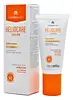
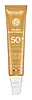
HELIOCARE Color Gelcream Light SPF50 Versus Yves Rocher Parlama Karşıtı 50 SPF Yüz Kremi - Ultra Yüksek Koruma (Anti-Shine SPF 50 Face Cream - Ultra High Protection)
This hybrid sunscreen covers the full UV range and blocks ~98% of UVB at SPF 50.
This chemical sunscreen covers the full UV range and blocks ~98% of UVB at SPF 50.


What's inside
What's inside
 Key Ingredients
Benefits
Concerns
Ingredients Side-by-side
Water
Skin ConditioningButylene Glycol Cocoate
Emulsifying




C12-15 Alkyl Benzoate
AntimicrobialBis-Ethylhexyloxyphenol Methoxyphenyl Triazine
UV Absorber
CI 77891
Cosmetic ColorantDiethylhexyl Butamido Triazone
UV Absorber
Cetearyl Alcohol
Emollient


Hexylene Glycol
EmulsifyingEthylhexyl Salicylate
UV Absorber
Butyl Methoxydibenzoylmethane
UV Absorber
Polysilicone-15
UV Filter
Titanium Dioxide
Cosmetic Colorant
Stearalkonium Hectorite
Gel FormingMyristyl Alcohol
Emollient
Coco-Glucoside
Cleansing
Dipropylene Glycol Dibenzoate
EmollientCeteareth-25
CleansingEthylhexyl Triazone
UV Absorber
Polypodium Leucotomos Leaf Extract
Skin Protecting
Phenoxyethanol
Preservative
CI 77492
Cosmetic ColorantMyristyl Glucoside
CleansingDisodium Ethylene Dicocamide PEG-15 Disulfate
Cleansing
Panthenol
Skin Conditioning



Propylene Glycol
Humectant
PPG-15 Stearyl Ether Benzoate
EmollientCI 77491
Cosmetic ColorantDicaprylyl Carbonate
EmollientTocopheryl Acetate
Antioxidant


Sodium Hyaluronate
Humectant

Mica
Cosmetic ColorantCamellia Sinensis Callus
Antimicrobial
Manganese Dioxide
Antioxidant
Methylparaben
Preservative
Propylparaben
Preservative
Disodium EDTA
ChelatingParfum
Masking


Propylene Carbonate
SolventBHT
Antioxidant
Linalool
Perfuming
Limonene
Perfuming
Water, Butylene Glycol Cocoate, C12-15 Alkyl Benzoate, Bis-Ethylhexyloxyphenol Methoxyphenyl Triazine, CI 77891, Diethylhexyl Butamido Triazone, Cetearyl Alcohol, Hexylene Glycol, Ethylhexyl Salicylate, Butyl Methoxydibenzoylmethane, Polysilicone-15, Titanium Dioxide, Stearalkonium Hectorite, Myristyl Alcohol, Coco-Glucoside, Dipropylene Glycol Dibenzoate, Ceteareth-25, Ethylhexyl Triazone, Polypodium Leucotomos Leaf Extract, Phenoxyethanol, CI 77492, Myristyl Glucoside, Disodium Ethylene Dicocamide PEG-15 Disulfate, Panthenol, Propylene Glycol, PPG-15 Stearyl Ether Benzoate, CI 77491, Dicaprylyl Carbonate, Tocopheryl Acetate, Sodium Hyaluronate, Mica, Camellia Sinensis Callus, Manganese Dioxide, Methylparaben, Propylparaben, Disodium EDTA, Parfum, Propylene Carbonate, BHT, Linalool, Limonene
Water
Skin ConditioningDiethylamino Hydroxybenzoyl Hexyl Benzoate
UV Filter
Octocrylene
UV Absorber
Glycerin
Humectant
Alcohol
Antimicrobial
Dibutyl Adipate
EmollientDicaprylyl Carbonate
EmollientButyl Methoxydibenzoylmethane
UV Absorber
Phenylbenzimidazole Sulfonic Acid
UV Absorber
Bis-Ethylhexyloxyphenol Methoxyphenyl Triazine
UV Absorber
Ethylhexyl Triazone
UV Absorber
Methyl Methacrylate Crosspolymer

Bis-PEG/PPG-16/16 PEG/PPG-16/16 Dimethicone
Emollient
Dimethicone
Emollient
Potassium Cetyl Phosphate
EmulsifyingPolymethylsilsesquioxane
Tapioca Starch
Centaurea Cyanus Flower Water
Skin Conditioning
Hdi/Trimethylol Hexyllactone Crosspolymer
Aphloia Theiformis Leaf Extract
AstringentAcrylates/Hydroxyesters Acrylates Copolymer
Sodium Hydroxide
BufferingCetyl Alcohol
Emollient
Caprylic/Capric Triglyceride
Masking
Parfum
Masking
Aminomethyl Propanol
BufferingXanthan Gum
EmulsifyingPentylene Glycol
Skin Conditioning
Eryngium Maritimum Extract
TonicSodium Benzoate
Masking
Citric Acid
Buffering
Tocopherol
Antioxidant
Potassium Sorbate
Preservative
Pentaerythrityl Tetra-Di-T-Butyl Hydroxyhydrocinnamate
Antioxidant
Water, Diethylamino Hydroxybenzoyl Hexyl Benzoate, Octocrylene, Glycerin, Alcohol, Dibutyl Adipate, Dicaprylyl Carbonate, Butyl Methoxydibenzoylmethane, Phenylbenzimidazole Sulfonic Acid, Bis-Ethylhexyloxyphenol Methoxyphenyl Triazine, Ethylhexyl Triazone, Methyl Methacrylate Crosspolymer, Bis-PEG/PPG-16/16 PEG/PPG-16/16 Dimethicone, Dimethicone, Potassium Cetyl Phosphate, Polymethylsilsesquioxane, Tapioca Starch, Centaurea Cyanus Flower Water, Hdi/Trimethylol Hexyllactone Crosspolymer, Aphloia Theiformis Leaf Extract, Acrylates/Hydroxyesters Acrylates Copolymer, Sodium Hydroxide, Cetyl Alcohol, Caprylic/Capric Triglyceride, Parfum, Aminomethyl Propanol, Xanthan Gum, Pentylene Glycol, Eryngium Maritimum Extract, Sodium Benzoate, Citric Acid, Tocopherol, Potassium Sorbate, Pentaerythrityl Tetra-Di-T-Butyl Hydroxyhydrocinnamate
Reviews
Ingredients Explained
These ingredients are found in both products.
Ingredients higher up in an ingredient list are typically present in a larger amount.
This ingredient is better known as bemotrizinol or Tinosorb S and is one of the best broad-spectrum UV filters in modern sunscreen.
It works by absorbing UV light across a whole range (280-400 nm) with peaks around 310 nm (UVB) and 340-345 nm (UVA). This means it covers UVB plus the deeper UVA wavelengths that drive photoaging and pigmentation.
Another pro?
It's exceptionally photostable, barely degrades in sunlight, and acts as a "bodyguard" for less stable filters.
That's why you'll see it paired with avobenzone or octinoxate; this team up ensures they keep working through sun exposure.
Safety reviews have been reassuring across the board. This ingredient shows low absorption through the skin, rarely irritates, and lab studies found it doesn't act like a hormone in the body (a concern that's been raised about some older sunscreen filters).
On maximum concentrations:
In 2026, the US F.D.A finally added it as an OTC sunscreen ingredient at concentrations up to 6% for adults / children 6 months and older
Learn more about Bis-Ethylhexyloxyphenol Methoxyphenyl TriazineAlso known as Avobenzone, this ingredient is an oil-soluble used to absorb the full spectrum of UVA rays (peak 357 nm).
It's one of the most effective UVA filters available but has a major caveat of photostability: avobenzone is susceptible to photodegradation.
This means it can lose efficacy when exposed to sunlight without the help of a stabilizing agent.
Studies show antioxidants (like vitamin E or vitamin C) and some UV filters (like octocrylene and Tinosorb S) can meaningfully improve its stability in a formulation.
The maximum allowable concentration according to regulation is 3% in the US + Canada, and 5% in the EU, Australia, China, Korea, and ASEAN countries.
It has a well-support safety profile: a comprehensive 2025 review found minimal toxicity with no evidence of carcinogenicity.
Overall, avobenzone is a safe and regulated ingredient used in sunscreen for over 40 years.
Learn more about Butyl MethoxydibenzoylmethaneDicaprylyl Carbonate comes from carbonic acid and caprylyl alcohol, a fatty alcohol. It is an emollient and gives skin a velvet feel. The sources of Dicaprylyl Carbonate may be synthetic or from animals.
As an emollient, Dicaprylyl Carbonate creates a film on the skin. This film traps moisture in, keeping your skin soft and hydrated.
Ethylhexyl Triazone (aka Octyl Triazone) is an oil-soluble organic UVB filter. It has peak absorption around 314 nm, right in the middle of the UVB range.
This ingredient is described as one of the most effective UVB filters available and small concentrations are enough to deliver a high SPF thanks to its strong UV absorbing power.
Formulators love it for its stability; its ability to filter UV stays practically unchanged even under intense radiation and it can also help boost the photostability of less stable filters like avobenzone.
It's also a great pick for water resistant products because it's insoluble in water and has a good affinity for keratin.
Because it's a big, heavy molecule, the European Scientific Committee has found to to have very low dermal penetration and negative results for allergenicity.
In vitro testing also showed a low absorption rate and clean results on irritation.
Typical use levels are 1-5% with 5% being the maximum in the EU, Japan, and other markets that allow it. However, this ingredient is not approved yet in the US or Canada.
Learn more about Ethylhexyl TriazoneParfum is a catch-all term for an ingredient or more that is used to give a scent to products.
Also called "fragrance", this ingredient can be a blend of hundreds of chemicals or plant oils. This means every product with "fragrance" or "parfum" in the ingredients list is a different mixture.
For instance, Habanolide is a proprietary trade name for a specific aroma chemical. When used as a fragrance ingredient in cosmetics, most aroma chemicals fall under the broad labeling category of “FRAGRANCE” or “PARFUM” according to EU and US regulations.
The term 'parfum' or 'fragrance' is not regulated in many countries. In many cases, it is up to the brand to define this term.
For instance, many brands choose to label themselves as "fragrance-free" because they are not using synthetic fragrances. However, their products may still contain ingredients such as essential oils that are considered a fragrance by INCI standards.
One example is Calendula flower extract. Calendula is an essential oil that still imparts a scent or 'fragrance'.
Depending on the blend, the ingredients in the mixture can cause allergies and sensitivities on the skin. Some ingredients that are known EU allergens include linalool and citronellol.
Parfum can also be used to mask or cover an unpleasant scent.
The bottom line is: not all fragrances/parfum/ingredients are created equally. If you are worried about fragrances, we recommend taking a closer look at an ingredient. And of course, we always recommend speaking with a professional.
Learn more about ParfumWater. It's the most common cosmetic ingredient of all. You'll usually see it at the top of ingredient lists, meaning that it makes up the largest part of the product.
So why is it so popular? Water most often acts as a solvent - this means that it helps dissolve other ingredients into the formulation.
You'll also recognize water as that liquid we all need to stay alive. If you see this, drink a glass of water. Remember to stay hydrated!
Learn more about Water

