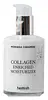
This barrier-repair moisturizer is formulated around Moringa Oleifera Seed Oil and Collagen Extract to strengthen the skin barrier and hydrate skin.
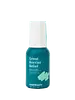
This barrier-repair serum is formulated around Calophyllum Inophyllum Seed Oil and Niacinamide to strengthen the skin barrier and calm redness.

What's inside
What's inside
 Key Ingredients
Benefits
Concerns
Ingredients Side-by-side
Water
Skin ConditioningParaffinum Liquidum
Emollient


Butylene Glycol
Humectant

Triethanolamine
BufferingCetearyl Alcohol
Emollient





1,2-Hexanediol
Skin Conditioning
Stearic Acid
Cleansing
Palmitic Acid
Emollient
Moringa Oleifera Seed Oil
Emollient
Carbomer
Emulsion StabilisingGlyceryl Stearate
Emollient
PEG-100 Stearate
Surfactant
Illicium Verum Fruit Extract
Perfuming
Glycerin
Humectant
Octyldodecanol
Emollient
Oleyl Alcohol
Emollient
Scutellaria Baicalensis Root Extract
Astringent
Butyrospermum Parkii Butter
Skin Conditioning
Hydrolyzed Soy Flour
Skin ConditioningCollagen Extract
Skin Conditioning
Ceramide NP
Skin Conditioning
Phytosphingosine
Skin Conditioning
Hydrogenated Lecithin
Emulsifying
Glycine Soja Sterols
Emollient
Candida Bombicola/Glucose/Methyl Rapeseedate Ferment
AntimicrobialTocopherol
Antioxidant



Beta-Glucan
Skin Conditioning
Centella Asiatica Extract
Cleansing
Parfum
Masking
Water, Paraffinum Liquidum, Butylene Glycol, Triethanolamine, Cetearyl Alcohol, 1,2-Hexanediol, Stearic Acid, Palmitic Acid, Moringa Oleifera Seed Oil, Carbomer, Glyceryl Stearate, PEG-100 Stearate, Illicium Verum Fruit Extract, Glycerin, Octyldodecanol, Oleyl Alcohol, Scutellaria Baicalensis Root Extract, Butyrospermum Parkii Butter, Hydrolyzed Soy Flour, Collagen Extract, Ceramide NP, Phytosphingosine, Hydrogenated Lecithin, Glycine Soja Sterols, Candida Bombicola/Glucose/Methyl Rapeseedate Ferment, Tocopherol, Beta-Glucan, Centella Asiatica Extract, Parfum
Water
Skin ConditioningPropanediol
Solvent
Calophyllum Inophyllum Seed Oil
Antimicrobial
Dipropylene Glycol
HumectantNiacinamide
Smoothing



Carthamus Tinctorius Seed Oil
Masking
Cetearyl Olivate
Polysorbate 60
Emulsifying
Glyceryl Oleate
Emollient
Octyldodecanol
Emollient
Rosa Canina Fruit Oil
Emollient
Sorbitan Oleate
Emulsifying
Sorbitan Olivate
Emulsifying
Coco-Caprylate/Caprate
Emollient
Hydroxyethyl Acrylate/Sodium Acryloyldimethyl Taurate Copolymer
Emulsion StabilisingGlycerin
Humectant
Tocopheryl Acetate
Antioxidant
Butylene Glycol
Humectant
Caprylyl Glycol
Emollient
Hydroxyacetophenone
Antioxidant
Pentylene Glycol
Skin Conditioning
Squalane
Emollient
Urea
Buffering
Xanthan Gum
EmulsifyingSorbitan Isostearate
Emulsifying
1,2-Hexanediol
Skin Conditioning
Hydrogenated Olive Oil Unsaponifiables
Emollient
Disodium EDTA
ChelatingAvena Sativa Kernel Flour
Abrasive
Magnesium Chloride
Sodium Hyaluronate
Humectant
Glycine Soja Sterols
Emollient
Lactic Acid
Buffering
Caprylic/Capric Triglyceride
Masking
Glycosyl Trehalose
Emulsion StabilisingAcetyl Glutamine
Skin ConditioningOleic Acid
Emollient
Sodium PCA
Humectant
Serine
Masking
Ceramide NP
Skin Conditioning
Glycine
Buffering
Water, Propanediol, Calophyllum Inophyllum Seed Oil, Dipropylene Glycol, Niacinamide, Carthamus Tinctorius Seed Oil, Cetearyl Olivate, Polysorbate 60, Glyceryl Oleate, Octyldodecanol, Rosa Canina Fruit Oil, Sorbitan Oleate, Sorbitan Olivate, Coco-Caprylate/Caprate, Hydroxyethyl Acrylate/Sodium Acryloyldimethyl Taurate Copolymer, Glycerin, Tocopheryl Acetate, Butylene Glycol, Caprylyl Glycol, Hydroxyacetophenone, Pentylene Glycol, Squalane, Urea, Xanthan Gum, Sorbitan Isostearate, 1,2-Hexanediol, Hydrogenated Olive Oil Unsaponifiables, Disodium EDTA, Avena Sativa Kernel Flour, Magnesium Chloride, Sodium Hyaluronate, Glycine Soja Sterols, Lactic Acid, Caprylic/Capric Triglyceride, Glycosyl Trehalose, Acetyl Glutamine, Oleic Acid, Sodium PCA, Serine, Ceramide NP, Glycine
Reviews
Ingredients Explained
These ingredients are found in both products.
Ingredients higher up in an ingredient list are typically present in a larger amount.
1,2-Hexanediol is a synthetic liquid and another multi-functional powerhouse.
It is a:
- Humectant, drawing moisture into the skin
- Emollient, helping to soften skin
- Solvent, dispersing and stabilizing formulas
- Preservative booster, enhancing the antimicrobial activity of other preservatives
Butylene Glycol (or BG) is used within cosmetic products for a few different reasons:
Overall, Butylene Glycol is a safe and well-rounded ingredient that works well with other ingredients.
Though this ingredient works well with most skin types, some people with sensitive skin may experience a reaction such as allergic rashes, closed comedones, or itchiness.
Learn more about Butylene GlycolCeramide NP (formerly known as Ceramide 3) is one of the skin's naturally occurring lipids.
Since ceramides are the major lipid components of the skin, they are crucial for maintaining skin barrier and hydration. Ceramide NP most closely mirrors the dominant kind in human skin amongst ceramide subtypes.
This ceramide works by slotting into gaps within the stratum corneum's lipid matrix to limit trans-epidermal water loss (TEWL) and shield the skin against external irritants.
A study with 312 patients found that using a ceramide-containing routine for 4 weeks reduced the severity of atopic dermatitis by over 61%.
Another clinical study in subjects aged 60 and older found that a ceramide body wash and moisturizer improved skin dryness and itchy skin in 15 days.
Overall, ceramides are considered non-irritating and safety tests have found little to no observable adverse effects from using this ingredient.
Ceramide NP is usually sourced from plants (like soybean or rice bran), or produced synthetically.
Learn more about Ceramide NPGlycerin (or glycerol) is a compound naturally found in your skin. It's a powerhouse humectant that pulls water into the stratum corneum.
Topically, glycerin does several things at once:
Your skin makes glycerin on its own (mostly from sebaceous oil breakdown) and shuttles it to your outermost layer of skin, or your epidermis, via aquaporin-3.
Aquaporin-3 is a transporter that is essential for normal skin hydration, elasticity, and repair. Interestingly, mice lacking in AQP3 have dry and less elastic skin that can be fully corrected with glycerin.
This ingredient is non-irritating, plays well with almost every ingredient, and works across all skin types. Typical use is anywhere between 3-10% but can go up to 79% in some leave-on products.
Just know very high concentrations (>40%) can feel tacky in low humidity.
Glycerin is the name for this ingredient in American English. British English uses Glycerol/Glycerine.
Learn more about GlycerinGlycine Soja Sterols are plant-derived fatty alcohols (phytosterols) from soybean.
You can think of them like the plant world's version of cholesterol; they're structurally similar enough to slot into your skin's lipid barrier and help it do its job.
Phytosterols aid skin barrier recovery by traveling deeper into the skin rather than just sitting on top of it. Once inside, they reduce transepidermal water loss (TEWL) and keep skin feeling soft / supple.
Research on phytosterols in keratinocyte and macrophase models has shown meaningful inhibition of pro-inflammatory mediators. This supports their reputation as a calming ingredient for reactive or sensitive skin.
Subjects with soy allergies did not show a reaction to phytosterols in safety tests, but it wouldn't hurt to patch test if you do have a soy allergy.
Fungal acne:
Malassezia uses sterols to build its own cell walls so there's a theoretical concern that it could also make use of sterol ingredients in skincare.
Though no study has actually proven this happens with topical products, we err on the side of caution and list this ingredient as not safe for fungal acne. However, it may not be a trigger for everyone.
Learn more about Glycine Soja SterolsOctyldodecanol is a fatty alcohol sourced from plant oils like coconut or palm (or made synthetically).
It is:
You'll likely see this in many BHA products because this is the go-to solvent for salicylic acid.
This ingredient is typically used at levels between 2-20%.
Regarding fungal acne:
In 2019, this ingredient was tested against multiple Malassezia species (the yeast that causes fungal acne) and showed no growth.
Water. It's the most common cosmetic ingredient of all. You'll usually see it at the top of ingredient lists, meaning that it makes up the largest part of the product.
So why is it so popular? Water most often acts as a solvent - this means that it helps dissolve other ingredients into the formulation.
You'll also recognize water as that liquid we all need to stay alive. If you see this, drink a glass of water. Remember to stay hydrated!
Learn more about Water

