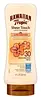
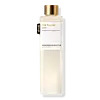
Hawaiian Tropic Sheer Touch Sunscreen Lotion SPF 30 Versus Sungboon Editor Silk Peptide EGF Intensive Smoothing Toner
This hybrid sunscreen covers the full UV range and blocks ~97% of UVB at SPF 30.
This anti-aging toner is formulated around Niacinamide and Sh-Oligopeptide-1 to soften the look of wrinkles and refine skin texture.


What's inside
What's inside
 Key Ingredients
Benefits
Concerns
Ingredients Side-by-side
Homosalate 7%
Skin Conditioning

Octocrylene 4.2%
UV Absorber

Butyl Methoxydibenzoylmethane 2.2%
UV Absorber
Water
Skin ConditioningDiisopropyl Adipate
EmollientCetearyl Alcohol
Emollient





Glycerin
Humectant


Phenoxyethanol
Preservative
Mica
Cosmetic ColorantBenzyl Alcohol
Perfuming



Acrylates/C12-22 Alkyl Methacrylate Copolymer
Parfum
Masking
Titanium Dioxide
Cosmetic Colorant
Acrylates/C10-30 Alkyl Acrylate Crosspolymer
Emulsion StabilisingCeteth-10 Phosphate
CleansingDicetyl Phosphate
EmulsifyingCoco-Glucoside
Cleansing
Chlorphenesin
Antimicrobial
Xanthan Gum
EmulsifyingSodium Hydroxide
BufferingButyrospermum Parkii Butter
Skin Conditioning
Disodium EDTA
ChelatingTocopheryl Acetate
Antioxidant


Mangifera Indica Seed Butter
Skin Conditioning
Carica Papaya Fruit Extract
Skin ConditioningMangifera Indica Fruit Extract
Skin ConditioningPassiflora Incarnata Fruit Extract
Skin ConditioningPlumeria Acutifolia Flower Extract
Skin ConditioningPsidium Guajava Fruit Extract
AstringentPanthenol
Skin Conditioning

Aloe Barbadensis Leaf Juice
Skin Conditioning
Sodium Ascorbyl Phosphate
Antioxidant



Homosalate 7%, Octocrylene 4.2%, Butyl Methoxydibenzoylmethane 2.2%, Water, Diisopropyl Adipate, Cetearyl Alcohol, Glycerin, Phenoxyethanol, Mica, Benzyl Alcohol, Acrylates/C12-22 Alkyl Methacrylate Copolymer, Parfum, Titanium Dioxide, Acrylates/C10-30 Alkyl Acrylate Crosspolymer, Ceteth-10 Phosphate, Dicetyl Phosphate, Coco-Glucoside, Chlorphenesin, Xanthan Gum, Sodium Hydroxide, Butyrospermum Parkii Butter, Disodium EDTA, Tocopheryl Acetate, Mangifera Indica Seed Butter, Carica Papaya Fruit Extract, Mangifera Indica Fruit Extract, Passiflora Incarnata Fruit Extract, Plumeria Acutifolia Flower Extract, Psidium Guajava Fruit Extract, Panthenol, Aloe Barbadensis Leaf Juice, Sodium Ascorbyl Phosphate
Water
Skin ConditioningNiacinamide
Smoothing



Dipropylene Glycol
HumectantDiethoxyethyl Succinate
SolventHydroxyacetophenone
Antioxidant
Caprylyl Glycol
Emollient
Silk
Arginine
Masking
Carbomer
Emulsion StabilisingMica
Cosmetic ColorantHydroxyethylcellulose
Emulsion StabilisingTitanium Dioxide
Cosmetic Colorant
Adenosine
Skin Conditioning
Disodium EDTA
Chelating1,2-Hexanediol
Skin Conditioning
Glycerin
Humectant
Butylene Glycol
Humectant
Dipotassium Glycyrrhizate
Humectant
Hydrolyzed Silk
Humectant
Tin Oxide
Abrasive
Propanediol
Solvent
Octyldodecanol
Emollient
Hydrogenated Lecithin
Emulsifying
Lecithin
Emollient
Methylpropanediol
SolventCeramide NP
Skin Conditioning
Scutellaria Baicalensis Extract
AntimicrobialOcimum Sanctum Leaf Extract
Skin ConditioningCaprylic/Capric Triglyceride
Masking
Sh-Polypeptide-121
Skin Conditioning
Glycine Soja Peptide
Skin Conditioning
Sodium Palmitoyl Sarcosinate
CleansingCurcuma Longa Root Extract
Antioxidant
Acetyl Glutamine
Skin ConditioningBenzyl Glycol
SolventCorallina Officinalis Extract
Skin Conditioning
Sodium Hyaluronate
Humectant
Hydrolyzed Glycosaminoglycans
HumectantEthylhexylglycerin
Skin ConditioningHeptasodium Hexacarboxymethyl Dipeptide-12
Skin Conditioning
Bacillus/Folic Acid/Soybean Ferment Extract
Skin ConditioningDipeptide Diaminobutyroyl Benzylamide Diacetate
Skin Conditioning
Sodium Phosphate
BufferingDextran
Benzoic Acid
Masking
Sodium Benzoate
Masking
Sodium Hyaluronate Crosspolymer
Humectant
Silk Amino Acids
HumectantSilk Extract
Skin ConditioningHydrolyzed Elastin
EmollientMyristoyl Pentapeptide-17
Skin Conditioning
Myristoyl Pentapeptide-4
Skin Conditioning
Sh-Polypeptide-123
Skin Protecting
Hydrolyzed Hyaluronic Acid
Humectant
Palmitoyl Pentapeptide-5
Skin Conditioning
Acetyl Tetrapeptide-3
Skin Protecting
Trifolium Pratense Flower Extract
AstringentCopper Tripeptide-1
Skin Conditioning
Atelocollagen
Skin Conditioning
Palmitoyl Pentapeptide-4
Skin Conditioning
Sh-Decapeptide-7
Antioxidant
Sh-Octapeptide-4
Antioxidant
Sh-Oligopeptide-9
Humectant
Sh-Pentapeptide-19
Skin Conditioning
Palmitoyl Tripeptide-1
Skin Conditioning
Soluble Collagen
Humectant
Collagen Amino Acids
Moisturising
Hyaluronic Acid
Humectant
Tripeptide-32
Skin Conditioning
Oligopeptide-91
Skin Conditioning
Sh-Oligopeptide-1
Skin Conditioning
Sh-Polypeptide-1
Skin Conditioning
Sh-Oligopeptide-2
Skin Conditioning
Sh-Polypeptide-11
Sh-Polypeptide-9
Skin Conditioning
Sh-Polypeptide-16
Skin Protecting
Sh-Polypeptide-22
Skin Conditioning
Sh-Polypeptide-3
Skin Conditioning
Sh-Polypeptide-62
Antioxidant
Procollagen
Skin Conditioning
Sodium Acetylated Hyaluronate
Humectant
Water, Niacinamide, Dipropylene Glycol, Diethoxyethyl Succinate, Hydroxyacetophenone, Caprylyl Glycol, Silk, Arginine, Carbomer, Mica, Hydroxyethylcellulose, Titanium Dioxide, Adenosine, Disodium EDTA, 1,2-Hexanediol, Glycerin, Butylene Glycol, Dipotassium Glycyrrhizate, Hydrolyzed Silk, Tin Oxide, Propanediol, Octyldodecanol, Hydrogenated Lecithin, Lecithin, Methylpropanediol, Ceramide NP, Scutellaria Baicalensis Extract, Ocimum Sanctum Leaf Extract, Caprylic/Capric Triglyceride, Sh-Polypeptide-121, Glycine Soja Peptide, Sodium Palmitoyl Sarcosinate, Curcuma Longa Root Extract, Acetyl Glutamine, Benzyl Glycol, Corallina Officinalis Extract, Sodium Hyaluronate, Hydrolyzed Glycosaminoglycans, Ethylhexylglycerin, Heptasodium Hexacarboxymethyl Dipeptide-12, Bacillus/Folic Acid/Soybean Ferment Extract, Dipeptide Diaminobutyroyl Benzylamide Diacetate, Sodium Phosphate, Dextran, Benzoic Acid, Sodium Benzoate, Sodium Hyaluronate Crosspolymer, Silk Amino Acids, Silk Extract, Hydrolyzed Elastin, Myristoyl Pentapeptide-17, Myristoyl Pentapeptide-4, Sh-Polypeptide-123, Hydrolyzed Hyaluronic Acid, Palmitoyl Pentapeptide-5, Acetyl Tetrapeptide-3, Trifolium Pratense Flower Extract, Copper Tripeptide-1, Atelocollagen, Palmitoyl Pentapeptide-4, Sh-Decapeptide-7, Sh-Octapeptide-4, Sh-Oligopeptide-9, Sh-Pentapeptide-19, Palmitoyl Tripeptide-1, Soluble Collagen, Collagen Amino Acids, Hyaluronic Acid, Tripeptide-32, Oligopeptide-91, Sh-Oligopeptide-1, Sh-Polypeptide-1, Sh-Oligopeptide-2, Sh-Polypeptide-11, Sh-Polypeptide-9, Sh-Polypeptide-16, Sh-Polypeptide-22, Sh-Polypeptide-3, Sh-Polypeptide-62, Procollagen, Sodium Acetylated Hyaluronate
Ingredients Explained
These ingredients are found in both products.
Ingredients higher up in an ingredient list are typically present in a larger amount.
Disodium EDTA is a chelating agent. It grabs onto and deactivates metal ions that sneak into your products from water, packaging, or air.
This ingredient mainly works behind the scenes and helps with:
On top of that, this ingredient can counteract the effects of hard water by binding to the minerals in it.
One thing worth knowing is that Disodium EDTA has been shown to be a mild penetration enhancer. It can help other ingredients absorb into skin more effectively which can be a double-edged sword (great for actives, but can also make the active too strong if you have sensitive skin).
Clinical patch testing showed no significant skin irritation at typical use concentrations and minimal dermal absorption.
You'll most likely see this ingredient near the end of an ingredient list. It's typically found in concentrations less than 1%.
Learn more about Disodium EDTAGlycerin (or glycerol) is a compound naturally found in your skin. It's a powerhouse humectant that pulls water into the stratum corneum.
Topically, glycerin does several things at once:
Your skin makes glycerin on its own (mostly from sebaceous oil breakdown) and shuttles it to your outermost layer of skin, or your epidermis, via aquaporin-3.
Aquaporin-3 is a transporter that is essential for normal skin hydration, elasticity, and repair. Interestingly, mice lacking in AQP3 have dry and less elastic skin that can be fully corrected with glycerin.
This ingredient is non-irritating, plays well with almost every ingredient, and works across all skin types. Typical use is anywhere between 3-10% but can go up to 79% in some leave-on products.
Just know very high concentrations (>40%) can feel tacky in low humidity.
Glycerin is the name for this ingredient in American English. British English uses Glycerol/Glycerine.
Learn more about GlycerinMica is a naturally occurring mineral used to add shimmer and color in cosmetics. It can also help improve the texture of a product or give it an opaque, white/silver color.
Serecite is the name for very fine but ragged grains of mica.
This ingredient is often coated with metal oxides like titanium dioxide. Trace amounts of heavy metals may be found in mica, but these metals are not harmful in our personal products.
Mica has been used since prehistoric times throughout the world. Ancient Egyptian, Indian, Greek, Roman, Aztec, and Chinese civilizations have used mica.
Learn more about MicaTitanium Dioxide (TD) is a mineral UV filter widely used in sunscreens and cosmetics.
It's one of only two UV filters officially classified as "mineral" by regulatory agencies (the other being Zinc Oxide).
A really common myth is that mineral filters work by reflecting UV light off your skin like tiny mirrors.
They don't only do that; modern research shows TD protects mostly by absorbing UV radiation, the same way chemical filters do.
When researchers measured this, reflection accounted for only about 4-5% of the protection (and less than SPF 2 on its own). The other ~95% comes from absorption: the UV photons hit the particle and their energy gets soaked up by its semiconductor band gap rather than bouncing off.
So "reflects vs. absorbs" was never really the right way to split mineral from chemical filters.
TD gives broad-spectrum protection that's strongest in the UVB and UVA-2 range and weaker in the UVA-1 range. Its UVA protection isn't quite as strong as Zinc Oxide's which is why you'll often see the two paired together.
Together, they make a solid broad-spectrum system.
TD is a great pick for sensitive, acne-prone, or redness-prone skin because it's non-irritating and chemically inert. Regulatory reviews classify it as a non-sensitizer and mild-to-non-irritant.
It's also unlikely to cause the "eye sting" some chemical filters are known for.
The main trade-off is cosmetic; TD can leave a white cast and has a thicker texture. This is why mineral sunscreens are often less cosmetically elegant than chemical or hybrid formulas (and harder to shade-match on deeper skin tones).
Formulators often use micronized or nano-sized TD to cut down on white case and improve spreadability. Smaller particles scatter less visible light so the formula looks less chalky while still filtering UV.
TD is almost always bundled with coatings like Alumina, Silica, Stearic Acid, or Dimethicone. These coatings do two important jobs:
TD can be used at up to 25% in a finished sunscreen; this is the regulatory ceiling in both the US and the EU.
In practice, the amount in any given product varies a lot depending on the target SPF and whether it's paired with other UV filters.
TD is one of the most heavily vetted sunscreen ingredients out there. It is approved as a UV filter in all major markets worldwide, including the US, EU, UK, Japan, Korea, China, Australia, and Canada.
The safety evidence is solid. There was an old worry that nano particles might absorb through skin into the body but multiple studies (including on damaged, sunburned, and UV-irradiated skin) have shown that TD stays on the surface and the layer of dead skin cells on top of everything else.
There's also no evidence of carcinogenicity, mutagenicity, or reproductive toxicity from dermal exposure of this ingredient.
For those who have seen the headline about a 2022 EU ban on TD, that was on TD as a food additive (a complete separate use from topical sunscreen).
There are ongoing questions about how nano-TD might affect marine ecosystems. As of now, there has been no conclusive evidence that any form of TD (or any other sunscreen filter) harms coral reefs or marine life.
The science is still developing and it's a space worth watching rather than packing over.
However, several destinations have reef-safety sunscreen rules that restrict certain chemical filters and steer visitors toward mineral, non-nano options. If you're traveling somewhere with these rules, a non-nano mineral sunscreen is the safe bet.
Learn more about Titanium DioxideWater. It's the most common cosmetic ingredient of all. You'll usually see it at the top of ingredient lists, meaning that it makes up the largest part of the product.
So why is it so popular? Water most often acts as a solvent - this means that it helps dissolve other ingredients into the formulation.
You'll also recognize water as that liquid we all need to stay alive. If you see this, drink a glass of water. Remember to stay hydrated!
Learn more about Water

