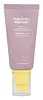
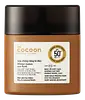
Haruharu Wonder Black Rice Pure Mineral Relief Daily Sunscreen SPF 50+ PA++++ Versus The Cocoon Vietnam Winter Melon Sun Fluid SPF 50+ PA++++
This hybrid sunscreen covers the full UV range and blocks ~98% of UVB at SPF 50.
This hybrid sunscreen covers the full UV range and blocks ~98% of UVB at SPF 50.


What's inside
What's inside
 Key Ingredients
Benefits
Concerns
Ingredients Side-by-side
Water
Skin ConditioningZinc Oxide
Cosmetic Colorant


Cyclohexasiloxane
Emollient
Butyloctyl Salicylate
Skin Conditioning
Propanediol
Solvent

Propylheptyl Caprylate
EmollientCaprylyl Methicone
Skin Conditioning
Polyglyceryl-3 Polydimethylsiloxyethyl Dimethicone
Skin Conditioning
Methyl Methacrylate Crosspolymer
Niacinamide
Smoothing









Methyl Trimethicone
Skin Conditioning
Isododecane
EmollientStellaria Media Extract
Skin ConditioningHelianthus Annuus Flower Extract
Skin ConditioningVaccinium Vitis-Idaea Fruit Extract
Antioxidant
Oryza Sativa Extract
Absorbent
Bellis Perennis Flower Extract
Skin ConditioningHouttuynia Cordata Extract
Skin Conditioning
Oryza Sativa Bran Oil
Emollient


Sodium Hyaluronate
Humectant
Hydrogenated Lecithin
Emulsifying
Disteardimonium Hectorite
StabilisingMagnesium Sulfate
Triethoxycaprylylsilane
Butylene Glycol
Humectant
1,2-Hexanediol
Skin Conditioning
Polyglyceryl-2 Dipolyhydroxystearate
Skin Conditioning
Polymethylsilsesquioxane
Lauryl Polyglyceryl-3 Polydimethylsiloxyethyl Dimethicone
Skin Conditioning
Glyceryl Caprylate
EmollientCaprylyl Glycol
Emollient
Ethylhexylglycerin
Skin ConditioningTocopherol
Antioxidant
Glycerin
Humectant
Moringa Oleifera Seed Oil
Emollient

Ceramide NP
Skin Conditioning
Phytosphingosine
Skin Conditioning
Phenethyl Alcohol
MaskingSodium Chloride
MaskingDisodium Phosphate
BufferingPotassium Chloride
Potassium Phosphate
BufferingWater, Zinc Oxide, Cyclohexasiloxane, Butyloctyl Salicylate, Propanediol, Propylheptyl Caprylate, Caprylyl Methicone, Polyglyceryl-3 Polydimethylsiloxyethyl Dimethicone, Methyl Methacrylate Crosspolymer, Niacinamide, Methyl Trimethicone, Isododecane, Stellaria Media Extract, Helianthus Annuus Flower Extract, Vaccinium Vitis-Idaea Fruit Extract, Oryza Sativa Extract, Bellis Perennis Flower Extract, Houttuynia Cordata Extract, Oryza Sativa Bran Oil, Sodium Hyaluronate, Hydrogenated Lecithin, Disteardimonium Hectorite, Magnesium Sulfate, Triethoxycaprylylsilane, Butylene Glycol, 1,2-Hexanediol, Polyglyceryl-2 Dipolyhydroxystearate, Polymethylsilsesquioxane, Lauryl Polyglyceryl-3 Polydimethylsiloxyethyl Dimethicone, Glyceryl Caprylate, Caprylyl Glycol, Ethylhexylglycerin, Tocopherol, Glycerin, Moringa Oleifera Seed Oil, Ceramide NP, Phytosphingosine, Phenethyl Alcohol, Sodium Chloride, Disodium Phosphate, Potassium Chloride, Potassium Phosphate
Water
Skin ConditioningTriethyl Citrate
Masking

Cyclopentasiloxane
Emollient
Dibutyl Adipate
EmollientIsododecane
EmollientButyloctyl Salicylate
Skin Conditioning
Ethylhexyl Methoxycrylene
Skin Conditioning
Diethylamino Hydroxybenzoyl Hexyl Benzoate
UV Filter
Silica
Abrasive
Methylene Bis-Benzotriazolyl Tetramethylbutylphenol
UV Filter
Disodium Phenyl Dibenzimidazole Tetrasulfonate
UV Absorber
Bis-Ethylhexyloxyphenol Methoxyphenyl Triazine
UV Absorber
Butyl Methoxydibenzoylmethane
UV Absorber
Methyl Methacrylate Crosspolymer
Dimethicone
Emollient
Tris-Biphenyl Triazine
UV Absorber
Sodium Potassium Aluminum Silicate
Trimethylsiloxysilicate
Emollient
Ethylhexyl Triazone
UV Absorber
1,2-Hexanediol
Skin Conditioning
Propanediol
Solvent
Acetyl Zingerone
Antioxidant
Melanin
Skin ProtectingBenincasa Cerifera Fruit Extract
Skin ConditioningHdi/Trimethylol Hexyllactone Crosspolymer
Polypropylsilsesquioxane
Butylene Glycol
Humectant
Propylene Glycol
Humectant
Tocopheryl Acetate
Antioxidant
Caprylic/Capric Triglyceride
Masking
Hydroxymethoxyphenyl Decanone
Skin ConditioningXanthan Gum
EmulsifyingTitanium Dioxide
Cosmetic Colorant
Dextrin Palmitate
Emulsifying
Polyhydroxystearic Acid
Emulsifying
C13-15 Alkane
SolventDisteardimonium Hectorite
StabilisingPolyglyceryl-3 Polyricinoleate
Emulsifying
PEG-Crosspolymer
Decyl Glucoside
Cleansing
Disodium Phosphate
BufferingCetyl Alcohol
Emollient
Hydroxyacetophenone
Antioxidant
Trisodium Ethylenediamine Disuccinate
ChelatingTromethamine
BufferingCitric Acid
Buffering
Water, Triethyl Citrate, Cyclopentasiloxane, Dibutyl Adipate, Isododecane, Butyloctyl Salicylate, Ethylhexyl Methoxycrylene, Diethylamino Hydroxybenzoyl Hexyl Benzoate, Silica, Methylene Bis-Benzotriazolyl Tetramethylbutylphenol, Disodium Phenyl Dibenzimidazole Tetrasulfonate, Bis-Ethylhexyloxyphenol Methoxyphenyl Triazine, Butyl Methoxydibenzoylmethane, Methyl Methacrylate Crosspolymer, Dimethicone, Tris-Biphenyl Triazine, Sodium Potassium Aluminum Silicate, Trimethylsiloxysilicate, Ethylhexyl Triazone, 1,2-Hexanediol, Propanediol, Acetyl Zingerone, Melanin, Benincasa Cerifera Fruit Extract, Hdi/Trimethylol Hexyllactone Crosspolymer, Polypropylsilsesquioxane, Butylene Glycol, Propylene Glycol, Tocopheryl Acetate, Caprylic/Capric Triglyceride, Hydroxymethoxyphenyl Decanone, Xanthan Gum, Titanium Dioxide, Dextrin Palmitate, Polyhydroxystearic Acid, C13-15 Alkane, Disteardimonium Hectorite, Polyglyceryl-3 Polyricinoleate, PEG-Crosspolymer, Decyl Glucoside, Disodium Phosphate, Cetyl Alcohol, Hydroxyacetophenone, Trisodium Ethylenediamine Disuccinate, Tromethamine, Citric Acid
Reviews
Ingredients Explained
These ingredients are found in both products.
Ingredients higher up in an ingredient list are typically present in a larger amount.
1,2-Hexanediol is a synthetic liquid and another multi-functional powerhouse.
It is a:
- Humectant, drawing moisture into the skin
- Emollient, helping to soften skin
- Solvent, dispersing and stabilizing formulas
- Preservative booster, enhancing the antimicrobial activity of other preservatives
Butylene Glycol (or BG) is used within cosmetic products for a few different reasons:
Overall, Butylene Glycol is a safe and well-rounded ingredient that works well with other ingredients.
Though this ingredient works well with most skin types, some people with sensitive skin may experience a reaction such as allergic rashes, closed comedones, or itchiness.
Learn more about Butylene GlycolButyloctyl Salicylate is a chemical UV filter structurally similar to octisalate. It is a photostabilizer, SPF booster, emollient and solvent. This ingredient helps evenly spread out ingredients.
According to a manufacturer, it is suitable for pairing with micro Titanium Dioxide, Zinc Oxide, and pigments.
Photostabilizers help stabilize UV-filters and prevents them from degrading quickly.
Learn more about Butyloctyl SalicylateDisodium Phosphate is a water-soluble powder used as a pH adjuster and mild chelating agent. It basically holds a specific pH and binds stray metal ions so your product stays stable.
This ingredient is usually used at very low levels and concentrations range from 0.000054% - 2.9%. The CIR Expert Panel states this ingredient to be non-irritating at current use levels.
Disteardimonium Hectorite comes from the clay mineral named hectorite. It is used to add thickness to a product.
It can also help stabilize a product by helping to disperse other ingredients.
Hectorite is a rare, white clay mineral.
Learn more about Disteardimonium HectoriteIsododecane is a fragrance, emollient, and solvent.
As an emollient, it helps your skin stay soft and hydrated. Emollients help trap moisture into your skin.
Isododecane's role as a solvent makes it a great texture enhancer. It spreads smoothly on skin and does not leave a sticky feeling behind. Isododecane also helps prevent color transfer in makeup products.
Isododecane is not absorbed into skin.
The chemical name for this ingredient is 2,2,4,6,6-PENTAMETHYLHEPTANE.
Learn more about IsododecaneThis ingredient comes as a powder made up of small, porous, microbeads. It is used to add a silky feel to products and also helps absorb oil.
Propanediol is an all-star ingredient. It softens, hydrates, and smooths the skin.
It’s often used to:
Propanediol is not likely to cause sensitivity and considered safe to use. It is derived from corn or petroleum with a clear color and no scent.
Learn more about PropanediolWater. It's the most common cosmetic ingredient of all. You'll usually see it at the top of ingredient lists, meaning that it makes up the largest part of the product.
So why is it so popular? Water most often acts as a solvent - this means that it helps dissolve other ingredients into the formulation.
You'll also recognize water as that liquid we all need to stay alive. If you see this, drink a glass of water. Remember to stay hydrated!
Learn more about Water

