

What's inside
What's inside
 Key Ingredients
Benefits
Concerns
No concerns
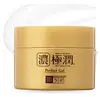
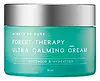
Ingredients Side-by-side
Water
Skin ConditioningButylene Glycol
Humectant

Hydroxyethyl Urea
Humectant
Glycerin
Humectant
Pentylene Glycol
Skin Conditioning
Squalane
Emollient
Triethylhexanoin
MaskingAmmonium Acryloyldimethyltaurate/Vp Copolymer
Dimethicone
Emollient
PPG-17-Buteth-17
Skin ConditioningTriethyl Citrate
Masking
Phenoxyethanol
Preservative
Methylparaben
Preservative


Disodium Succinate
MaskingSodium Hyaluronate
Humectant

Agar
MaskingDisodium EDTA
Succinic Acid
BufferingSodium Acetylated Hyaluronate
Humectant
Arginine
Masking
Hydrolyzed Hyaluronic Acid
Humectant
Hydrolyzed Collagen
Emollient
Dextrin
AbsorbentGlucosyl Ceramide
Skin Conditioning

Aphanothece Sacrum Exopolysaccharides
AbsorbentHydroxypropyltrimonium Hyaluronate
Ammonium Acrylates Copolymer
Water, Butylene Glycol, Hydroxyethyl Urea, Glycerin, Pentylene Glycol, Squalane, Triethylhexanoin, Ammonium Acryloyldimethyltaurate/Vp Copolymer, Dimethicone, PPG-17-Buteth-17, Triethyl Citrate, Phenoxyethanol, Methylparaben, Disodium Succinate, Sodium Hyaluronate, Agar, Disodium EDTA, Succinic Acid, Sodium Acetylated Hyaluronate, Arginine, Hydrolyzed Hyaluronic Acid, Hydrolyzed Collagen, Dextrin, Glucosyl Ceramide, Aphanothece Sacrum Exopolysaccharides, Hydroxypropyltrimonium Hyaluronate, Ammonium Acrylates Copolymer
Water
Skin ConditioningCyclopentasiloxane
Emollient
Butylene Glycol
Humectant
Glycerin
Humectant
Cyclohexasiloxane
Emollient
Niacinamide
Smoothing






1,2-Hexanediol
Skin Conditioning
Chamaecyparis Obtusa Water
MaskingHydroxyacetophenone
Antioxidant
Ammonium Acryloyldimethyltaurate/Vp Copolymer
Dimethicone
Emollient
Caprylyl Glycol
Emollient
Polyacrylate-13
Carbomer
Emulsion StabilisingArginine
Masking
Polyisobutene
Panthenol
Skin Conditioning
Xanthan Gum
EmulsifyingAllantoin
Skin Conditioning
Ethylhexylglycerin
Skin ConditioningAdenosine
Skin Conditioning
Citrus Aurantium Bergamia Fruit Oil
Masking

Disodium EDTA
Polysorbate 20
Emulsifying
Sorbitan Isostearate
Emulsifying
Dipropylene Glycol
HumectantSodium Hyaluronate
Humectant
Aloe Barbadensis Leaf Extract
Emollient
Portulaca Oleracea Extract
Skin Conditioning
Melia Azadirachta Leaf Extract
Skin ConditioningCentella Asiatica Extract
Cleansing
Ocimum Sanctum Leaf Extract
Skin ConditioningAmber Powder
Corallina Officinalis Extract
Skin Conditioning
Melia Azadirachta Flower Extract
Skin ConditioningCurcuma Longa Root Extract
Masking
Coccinia Indica Fruit Extract
Skin ConditioningMoringa Oleifera Seed Oil
Emollient
Solanum Melongena Fruit Extract
Skin ConditioningErythritol
Humectant
Bisabolol
Antioxidant
Madecassoside
Antioxidant
Polyquaternium-51
Skin Conditioning
Melaleuca Alternifolia Leaf Extract
Perfuming
Houttuynia Cordata Extract
Skin Conditioning
Asiaticoside
Antioxidant
Hizikia Fusiforme Extract
Skin ConditioningChlorella Vulgaris Extract
Skin ConditioningCodium Fragile Extract
Skin ConditioningUlva Lactuca Extract
Skin ConditioningMacrocystis Pyrifera Extract
Skin Conditioning
Fucus Vesiculosus Extract
Emollient
Laminaria Cloustoni Extract
Skin ProtectingLaminaria Japonica Extract
Skin Protecting
Gelidium Cartilagineum Extract
Skin ProtectingSalix Alba Bark Extract
Astringent
Pentylene Glycol
Skin Conditioning
Mentha Piperita Leaf Extract
Skin ConditioningMentha Suaveolens Leaf Extract
AstringentMentha Viridis Leaf Extract
Masking
Water, Cyclopentasiloxane, Butylene Glycol, Glycerin, Cyclohexasiloxane, Niacinamide, 1,2-Hexanediol, Chamaecyparis Obtusa Water, Hydroxyacetophenone, Ammonium Acryloyldimethyltaurate/Vp Copolymer, Dimethicone, Caprylyl Glycol, Polyacrylate-13, Carbomer, Arginine, Polyisobutene, Panthenol, Xanthan Gum, Allantoin, Ethylhexylglycerin, Adenosine, Citrus Aurantium Bergamia Fruit Oil, Disodium EDTA, Polysorbate 20, Sorbitan Isostearate, Dipropylene Glycol, Sodium Hyaluronate, Aloe Barbadensis Leaf Extract, Portulaca Oleracea Extract, Melia Azadirachta Leaf Extract, Centella Asiatica Extract, Ocimum Sanctum Leaf Extract, Amber Powder, Corallina Officinalis Extract, Melia Azadirachta Flower Extract, Curcuma Longa Root Extract, Coccinia Indica Fruit Extract, Moringa Oleifera Seed Oil, Solanum Melongena Fruit Extract, Erythritol, Bisabolol, Madecassoside, Polyquaternium-51, Melaleuca Alternifolia Leaf Extract, Houttuynia Cordata Extract, Asiaticoside, Hizikia Fusiforme Extract, Chlorella Vulgaris Extract, Codium Fragile Extract, Ulva Lactuca Extract, Macrocystis Pyrifera Extract, Fucus Vesiculosus Extract, Laminaria Cloustoni Extract, Laminaria Japonica Extract, Gelidium Cartilagineum Extract, Salix Alba Bark Extract, Pentylene Glycol, Mentha Piperita Leaf Extract, Mentha Suaveolens Leaf Extract, Mentha Viridis Leaf Extract
Reviews
Ingredients Explained
These ingredients are found in both products.
Ingredients higher up in an ingredient list are typically present in a larger amount.
Ammonium Acryloyldimethyltaurate/Vp Copolymer is a synthetically created polymer. It's used as a film-forming agent and used to thicken the consistency of products.
Think of it as a supportive ingredient that helps your gel-creams feel silky, "cloud cream-like", and spread evenly without being greasy.
The Cosmetic Ingredient Review (CIR) Expert Panel evaluated it (along with 22 other acryloyldimethyltaurate polymers) and concluded it's:
Due to its large molecular size, it sits on the surface of skin rather than penetrating it.
Learn more about Ammonium Acryloyldimethyltaurate/Vp CopolymerArginine is a semi-essential amino acid. This just means our bodies can product a bit on its own, but sometimes needs a little boost from food sources.
It is a part of your skin's natural moisturizing factor (NMF), or the water-loving molecules in your outermost layer of skin (stratum corneum) that keeps everything hydrated and happy.
Here's an interesting thing about Arginine: your skin converts it into urea through the Krebs-Henseleit urea cycle. Urea is one of the most effective humectants your skin naturally produces.
A clinical study showed applying 2.5% arginine hydrochloride to atopic dermatitis skin showed significant urea levels in the stratum corneum and improved moisture in just four weeks.
Arginine is also a precursor to nitric oxide; nitric oxide improves microcirculation and supports wound healing and collagen synthesis.
One study found that an amino acid complex containing Arginine reduced skin irritation, improved hydration, and accelerated skin repair in clinical / in-vivo studies.
Arginine itself is an amino acid and not a fatty acid, oil, or ester. On its own, it's not a direct food source for Malassezia, or the yeast that causes fungal acne.
Learn more about ArginineButylene Glycol (or BG) is used within cosmetic products for a few different reasons:
Overall, Butylene Glycol is a safe and well-rounded ingredient that works well with other ingredients.
Though this ingredient works well with most skin types, some people with sensitive skin may experience a reaction such as allergic rashes, closed comedones, or itchiness.
Learn more about Butylene GlycolDimethicone is a type of synthetic silicone created from natural materials such as quartz. It is also known as polydimethylsiloxane.
What it does:
Dimethicone comes in different viscosities:
Depending on the viscosity, dimethicone has different properties.
Ingredients lists don't always show which type is used, so we recommend reaching out to the brand if you have questions about the viscosity.
This ingredient is unlikely to cause irritation because it does not get absorbed into skin. However, people with silicone allergies should be careful about using this ingredient.
Note: Dimethicone may contribute to pilling. This is because it is not oil or water soluble, so pilling may occur when layered with products. When mixed with heavy oils in a formula, the outcome is also quite greasy.
Learn more about DimethiconeDisodium EDTA is a chelating agent. It grabs onto and deactivates metal ions that sneak into your products from water, packaging, or air.
This ingredient mainly works behind the scenes and helps with:
On top of that, this ingredient can counteract the effects of hard water by binding to the minerals in it.
One thing worth knowing is that Disodium EDTA has been shown to be a mild penetration enhancer. It can help other ingredients absorb into skin more effectively which can be a double-edged sword (great for actives, but can also make the active too strong if you have sensitive skin).
Clinical patch testing showed no significant skin irritation at typical use concentrations and minimal dermal absorption.
You'll most likely see this ingredient near the end of an ingredient list. It's typically found in concentrations less than 1%.
Learn more about Disodium EDTAGlycerin (or glycerol) is a compound naturally found in your skin. It's a powerhouse humectant that pulls water into the stratum corneum.
Topically, glycerin does several things at once:
Your skin makes glycerin on its own (mostly from sebaceous oil breakdown) and shuttles it to your outermost layer of skin, or your epidermis, via aquaporin-3.
Aquaporin-3 is a transporter that is essential for normal skin hydration, elasticity, and repair. Interestingly, mice lacking in AQP3 have dry and less elastic skin that can be fully corrected with glycerin.
This ingredient is non-irritating, plays well with almost every ingredient, and works across all skin types. Typical use is anywhere between 3-10% but can go up to 79% in some leave-on products.
Just know very high concentrations (>40%) can feel tacky in low humidity.
Glycerin is the name for this ingredient in American English. British English uses Glycerol/Glycerine.
Learn more about GlycerinPentylene glycol is typically used within a product to thicken it. It also adds a smooth, soft, and moisturizing feel to the product. It is naturally found in plants such as sugar beets.
The hydrophilic trait of Pentylene Glycol makes it a humectant. As a humectant, Pentylene Glycol helps draw moisture from the air to your skin. This can help keep your skin hydrated.
This property also makes Pentylene Glycol a great texture enhancer. It can also help thicken or stabilize a product.
Pentylene Glycol also acts as a mild preservative and helps to keep a product microbe-free.
Some people may experience mild eye and skin irritation from Pentylene Glycol. We always recommend speaking with a professional about using this ingredient in your routine.
Pentylene Glycol has a low molecular weight and is part of the 1,2-glycol family.
Learn more about Pentylene GlycolSodium Hyaluronate is the salt form of hyaluronic acid. It is a long sugar chain that is naturally found in your skin, joints, and connective tissue that maintains hydration and elasticity.
In skincare, it works as a humectant. It pulls water from the environment and deeper layers of skin and binds it to the surface.
Interestingly, the size of the molecule affects its behavior:
Some clinical evidence links low molecular weight versions to improved wrinkle depth, elasticity, anti-inflammatory effects, and barrier repair.
Many serums use a blend of both weights so you can get surface hydration plus longer-lasting and deeper effects.
You'll typically see concentrations between 0.1-2% for this ingredient.
Learn more about Sodium HyaluronateWater. It's the most common cosmetic ingredient of all. You'll usually see it at the top of ingredient lists, meaning that it makes up the largest part of the product.
So why is it so popular? Water most often acts as a solvent - this means that it helps dissolve other ingredients into the formulation.
You'll also recognize water as that liquid we all need to stay alive. If you see this, drink a glass of water. Remember to stay hydrated!
Learn more about Water
