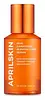
This acne serum is formulated around Niacinamide and Daucus Carota Sativa Seed Oil to clear breakouts and calm redness.
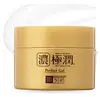
This barrier-repair moisturizer is formulated around Squalane and Sodium Hyaluronate to strengthen the skin barrier and hydrate skin.


What's inside
What's inside
 Key Ingredients
Benefits
Concerns
Ingredients Side-by-side
Water
Skin ConditioningButylene Glycol
Humectant

Glycerin
Humectant
1,2-Hexanediol
Skin Conditioning
Niacinamide
Smoothing









Cetyl Ethylhexanoate
EmollientDaucus Carota Sativa Seed Oil
Emollient



Cetearyl Olivate


Propanediol
Solvent
Carbomer
Emulsion StabilisingSorbitan Olivate
Emulsifying
Tromethamine
BufferingHouttuynia Cordata Extract
Skin Conditioning
Ethylhexylglycerin
Skin ConditioningAdenosine
Skin Conditioning
Hydrolyzed Extensin
Skin ConditioningTricholoma Matsutake Extract
Skin ConditioningRhododendron Chrysanthum Leaf Extract
MaskingCitrus Aurantium Bergamia Fruit Oil
Masking


Pogostemon Cablin Leaf Oil
Masking
Sodium Hyaluronate
Humectant
Eucalyptus Globulus Leaf Oil
Perfuming
Hyaluronic Acid
Humectant
Hydrolyzed Hyaluronic Acid
Humectant
Castanea Crenata Shell Extract
Skin ConditioningLavandula Angustifolia Flower Extract
Cleansing
Caprylic/Capric Triglyceride
Masking
Melaleuca Alternifolia Leaf Oil
Antioxidant
Polyglyceryl-10 Oleate
Skin Conditioning
Centella Asiatica Extract
Cleansing
CI 75130
Cosmetic ColorantWater, Butylene Glycol, Glycerin, 1,2-Hexanediol, Niacinamide, Cetyl Ethylhexanoate, Daucus Carota Sativa Seed Oil, Cetearyl Olivate, Propanediol, Carbomer, Sorbitan Olivate, Tromethamine, Houttuynia Cordata Extract, Ethylhexylglycerin, Adenosine, Hydrolyzed Extensin, Tricholoma Matsutake Extract, Rhododendron Chrysanthum Leaf Extract, Citrus Aurantium Bergamia Fruit Oil, Pogostemon Cablin Leaf Oil, Sodium Hyaluronate, Eucalyptus Globulus Leaf Oil, Hyaluronic Acid, Hydrolyzed Hyaluronic Acid, Castanea Crenata Shell Extract, Lavandula Angustifolia Flower Extract, Caprylic/Capric Triglyceride, Melaleuca Alternifolia Leaf Oil, Polyglyceryl-10 Oleate, Centella Asiatica Extract, CI 75130
Water
Skin ConditioningButylene Glycol
Humectant
Hydroxyethyl Urea
Humectant
Glycerin
Humectant
Pentylene Glycol
Skin Conditioning
Squalane
Emollient
Triethylhexanoin
MaskingAmmonium Acryloyldimethyltaurate/Vp Copolymer
Dimethicone
Emollient
PPG-17-Buteth-17
Skin ConditioningTriethyl Citrate
Masking
Phenoxyethanol
Preservative
Methylparaben
Preservative

Disodium Succinate
MaskingSodium Hyaluronate
Humectant
Agar
MaskingDisodium EDTA
ChelatingSuccinic Acid
BufferingSodium Acetylated Hyaluronate
Humectant
Arginine
Masking
Hydrolyzed Hyaluronic Acid
Humectant
Hydrolyzed Collagen
Emollient
Dextrin
AbsorbentGlucosyl Ceramide
Skin Conditioning
Aphanothece Sacrum Exopolysaccharides
AbsorbentHydroxypropyltrimonium Hyaluronate
Ammonium Acrylates Copolymer
Water, Butylene Glycol, Hydroxyethyl Urea, Glycerin, Pentylene Glycol, Squalane, Triethylhexanoin, Ammonium Acryloyldimethyltaurate/Vp Copolymer, Dimethicone, PPG-17-Buteth-17, Triethyl Citrate, Phenoxyethanol, Methylparaben, Disodium Succinate, Sodium Hyaluronate, Agar, Disodium EDTA, Succinic Acid, Sodium Acetylated Hyaluronate, Arginine, Hydrolyzed Hyaluronic Acid, Hydrolyzed Collagen, Dextrin, Glucosyl Ceramide, Aphanothece Sacrum Exopolysaccharides, Hydroxypropyltrimonium Hyaluronate, Ammonium Acrylates Copolymer
Reviews
Ingredients Explained
These ingredients are found in both products.
Ingredients higher up in an ingredient list are typically present in a larger amount.
Butylene Glycol (or BG) is used within cosmetic products for a few different reasons:
Overall, Butylene Glycol is a safe and well-rounded ingredient that works well with other ingredients.
Though this ingredient works well with most skin types, some people with sensitive skin may experience a reaction such as allergic rashes, closed comedones, or itchiness.
Learn more about Butylene GlycolGlycerin (or glycerol) is a compound naturally found in your skin. It's a powerhouse humectant that pulls water into the stratum corneum.
Topically, glycerin does several things at once:
Your skin makes glycerin on its own (mostly from sebaceous oil breakdown) and shuttles it to your outermost layer of skin, or your epidermis, via aquaporin-3.
Aquaporin-3 is a transporter that is essential for normal skin hydration, elasticity, and repair. Interestingly, mice lacking in AQP3 have dry and less elastic skin that can be fully corrected with glycerin.
This ingredient is non-irritating, plays well with almost every ingredient, and works across all skin types. Typical use is anywhere between 3-10% but can go up to 79% in some leave-on products.
Just know very high concentrations (>40%) can feel tacky in low humidity.
Glycerin is the name for this ingredient in American English. British English uses Glycerol/Glycerine.
Learn more about GlycerinHydrolyzed Hyaluronic Acid is hyaluronic acid (HA) that is broken down into lower molecular weight fragments.
It's a humectant that pulls and holds water in the skin to help with hydration, plumpness, and reduce transepidermal water loss.
Because hydrolyzed hyaluronic acid is smaller in size, it can slip past your outermost layer of skin more easily than full-sized HA.
Most formulations will combine all sizes to get the best of both worlds.
Typical usage levels range from 0.01-1%. Any percentage higher than 2% might become goopy and tacky.
Learn more about Hydrolyzed Hyaluronic AcidSodium Hyaluronate is the salt form of hyaluronic acid. It is a long sugar chain that is naturally found in your skin, joints, and connective tissue that maintains hydration and elasticity.
In skincare, it works as a humectant. It pulls water from the environment and deeper layers of skin and binds it to the surface.
Interestingly, the size of the molecule affects its behavior:
Some clinical evidence links low molecular weight versions to improved wrinkle depth, elasticity, anti-inflammatory effects, and barrier repair.
Many serums use a blend of both weights so you can get surface hydration plus longer-lasting and deeper effects.
You'll typically see concentrations between 0.1-2% for this ingredient.
Learn more about Sodium HyaluronateWater. It's the most common cosmetic ingredient of all. You'll usually see it at the top of ingredient lists, meaning that it makes up the largest part of the product.
So why is it so popular? Water most often acts as a solvent - this means that it helps dissolve other ingredients into the formulation.
You'll also recognize water as that liquid we all need to stay alive. If you see this, drink a glass of water. Remember to stay hydrated!
Learn more about Water

