
What's inside
What's inside
 Key Ingredients
Benefits
Concerns
Ingredients Side-by-side
Water
Skin ConditioningSodium C14-16 Olefin Sulfonate
Cleansing

Lauryl Betaine
CleansingDisodium Laureth Sulfosuccinate
CleansingLauryl Glucoside
CleansingDecyl Glucoside
Cleansing
Glycerin
Humectant


Parfum
Masking


Coco-Glucoside
Cleansing
Sodium Chloride
MaskingSodium Benzoate
Masking
PPG-3 Caprylyl Ether
Foam BoostingPolyquaternium-10
Glycol Distearate
Emollient
Polyquaternium-7
Salicylic Acid
Masking






Citric Acid
Buffering
Panthenol
Skin Conditioning

Niacinamide
Smoothing


Sodium Polyacrylate
Absorbent
Disodium EDTA
ChelatingCocamide Mipa
Emulsifying
Butylene Glycol
Humectant
Melia Azadirachta Leaf Extract
Skin ConditioningMelia Azadirachta Flower Extract
Skin ConditioningBiotin
Antiseborrhoeic1,2-Hexanediol
Skin Conditioning
Ecklonia Cava Extract
Skin Conditioning
Laminaria Japonica Extract
Skin Protecting
Undaria Pinnatifida Extract
Skin ConditioningCodium Fragile Extract
Skin Conditioning
Hizikia Fusiforme Extract
Skin Conditioning
Caprylyl Glycol
Emollient
Oenothera Biennis Flower Extract
AstringentUlmus Davidiana Root Extract
Skin Conditioning
Pinus Palustris Leaf Extract
TonicPueraria Lobata Root Extract
HumectantHydrolyzed Oyster Extract
Skin ConditioningSodium DNA
Skin Conditioning
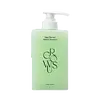
Water, Sodium C14-16 Olefin Sulfonate, Lauryl Betaine, Disodium Laureth Sulfosuccinate, Lauryl Glucoside, Decyl Glucoside, Glycerin, Parfum, Coco-Glucoside, Sodium Chloride, Sodium Benzoate, PPG-3 Caprylyl Ether, Polyquaternium-10, Glycol Distearate, Polyquaternium-7, Salicylic Acid, Citric Acid, Panthenol, Niacinamide, Sodium Polyacrylate, Disodium EDTA, Cocamide Mipa, Butylene Glycol, Melia Azadirachta Leaf Extract, Melia Azadirachta Flower Extract, Biotin, 1,2-Hexanediol, Ecklonia Cava Extract, Laminaria Japonica Extract, Undaria Pinnatifida Extract, Codium Fragile Extract, Hizikia Fusiforme Extract, Caprylyl Glycol, Oenothera Biennis Flower Extract, Ulmus Davidiana Root Extract, Pinus Palustris Leaf Extract, Pueraria Lobata Root Extract, Hydrolyzed Oyster Extract, Sodium DNA
Water
Skin ConditioningDisodium Laureth Sulfosuccinate
CleansingGlycerin
Humectant
Sodium Cocoyl Isethionate
Cleansing
Disodium Cocoamphodiacetate
CleansingLauryl Hydroxysultaine
CleansingSodium Chloride
MaskingCocamide Mipa
Emulsifying
Glycol Distearate
Emollient
Parfum
Masking
Polyquaternium-10
Sodium Methyl Cocoyl Taurate
Cleansing
Caprylyl Glycol
Emollient
Arginine
Masking
Carbomer
Emulsion StabilisingSalicylic Acid
Masking
Panthenol
Skin Conditioning
Hexylene Glycol
EmulsifyingDisodium EDTA
ChelatingNiacinamide
Smoothing
Sea Water
HumectantDipropylene Glycol
HumectantButylene Glycol
Humectant
Glyceryl Caprylate
EmollientGardenia Florida Fruit Extract
Skin Conditioning1,2-Hexanediol
Skin Conditioning
Bifida Ferment Lysate
Skin Conditioning
Dextrin
AbsorbentLactobacillus/Eriodictyon Californicum Ferment Extract
Skin ConditioningCamellia Japonica Leaf Extract
Skin ConditioningCeratonia Siliqua Fruit Extract
MaskingDiospyros Kaki Fruit Extract
Skin ConditioningEnteromorpha Compressa Extract
Skin Protecting
Gelidium Cartilagineum Extract
Skin ProtectingLaminaria Japonica Extract
Skin Protecting
Spirulina Platensis Extract
Skin ProtectingUndaria Pinnatifida Extract
Skin ConditioningMilk Protein Extract
Hydrolyzed Collagen
Emollient
Hydrolyzed Barley Protein
Skin ConditioningHydrolyzed Corn Protein
Skin ConditioningHydrolyzed Keratin
Humectant
Hydrolyzed Soy Protein
Humectant
Biotin
AntiseborrhoeicCollagen Extract
Skin Conditioning
Hizikia Fusiforme Extract
Skin Conditioning
Pearl Extract
Antioxidant
Saccharomyces Ferment Filtrate
Humectant
Saccharomyces/Coix Lacryma-Jobi Ma-Yuen Seed Ferment Filtrate
Skin Conditioning
Saccharomyces/Rice Ferment Filtrate
Skin Conditioning
Tetrasodium EDTA
ChelatingEthylhexylglycerin
Skin ConditioningHelianthus Annuus Seed Oil
Emollient
Hydrogenated Lecithin
Emulsifying
Ceramide NP
Skin Conditioning
Collagen
Moisturising
Collagen Amino Acids
Moisturising
Soluble Collagen
Humectant
Soluble Collagen Crosspolymer
Emollient
Zinc Hydrolyzed Collagen
Skin Conditioning
Phytosphingosine
Skin Conditioning
Citronellol
Perfuming
Geraniol
Perfuming
Linalool
Perfuming
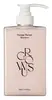
Water, Disodium Laureth Sulfosuccinate, Glycerin, Sodium Cocoyl Isethionate, Disodium Cocoamphodiacetate, Lauryl Hydroxysultaine, Sodium Chloride, Cocamide Mipa, Glycol Distearate, Parfum, Polyquaternium-10, Sodium Methyl Cocoyl Taurate, Caprylyl Glycol, Arginine, Carbomer, Salicylic Acid, Panthenol, Hexylene Glycol, Disodium EDTA, Niacinamide, Sea Water, Dipropylene Glycol, Butylene Glycol, Glyceryl Caprylate, Gardenia Florida Fruit Extract, 1,2-Hexanediol, Bifida Ferment Lysate, Dextrin, Lactobacillus/Eriodictyon Californicum Ferment Extract, Camellia Japonica Leaf Extract, Ceratonia Siliqua Fruit Extract, Diospyros Kaki Fruit Extract, Enteromorpha Compressa Extract, Gelidium Cartilagineum Extract, Laminaria Japonica Extract, Spirulina Platensis Extract, Undaria Pinnatifida Extract, Milk Protein Extract, Hydrolyzed Collagen, Hydrolyzed Barley Protein, Hydrolyzed Corn Protein, Hydrolyzed Keratin, Hydrolyzed Soy Protein, Biotin, Collagen Extract, Hizikia Fusiforme Extract, Pearl Extract, Saccharomyces Ferment Filtrate, Saccharomyces/Coix Lacryma-Jobi Ma-Yuen Seed Ferment Filtrate, Saccharomyces/Rice Ferment Filtrate, Tetrasodium EDTA, Ethylhexylglycerin, Helianthus Annuus Seed Oil, Hydrogenated Lecithin, Ceramide NP, Collagen, Collagen Amino Acids, Soluble Collagen, Soluble Collagen Crosspolymer, Zinc Hydrolyzed Collagen, Phytosphingosine, Citronellol, Geraniol, Linalool
Reviews
Ingredients Explained
These ingredients are found in both products.
Ingredients higher up in an ingredient list are typically present in a larger amount.
1,2-Hexanediol is a synthetic liquid and another multi-functional powerhouse.
It is a:
- Humectant, drawing moisture into the skin
- Emollient, helping to soften skin
- Solvent, dispersing and stabilizing formulas
- Preservative booster, enhancing the antimicrobial activity of other preservatives
Biotin is a B vitamin that is naturally produced by our bodies. It is also called Vitamin H.
Our bodies use biotin in the metabolism process. It also helps our bodies use enzymes and move nutrients around. A biotin deficiency can lead to brittle hair and nails.
More research is needed on applying biotin topically. However, taking biotin orally has been shown to help nourish the skin, hair, and nails. They play a role in forming skin-hydrating fatty acids.
Biotin is water-soluble. It can be found in foods such as fish, eggs, dairy, nuts, and meat. Vitamin H stands for "haar" and "haut". These are the German words for hair and skin.
Learn more about BiotinButylene Glycol (or BG) is used within cosmetic products for a few different reasons:
Overall, Butylene Glycol is a safe and well-rounded ingredient that works well with other ingredients.
Though this ingredient works well with most skin types, some people with sensitive skin may experience a reaction such as allergic rashes, closed comedones, or itchiness.
Learn more about Butylene GlycolCaprylyl Glycol is a humectant, skin conditioner, emollient, and preservative booster derived from either caprylic acid or synthetically created.
Typical use levels vary from 0.3-1% as a preservative booster and go up to 2% to condition skin.
Because it is not a free-fatty acid, this ingredient is fungal acne safe (there's nothing for Malassezia to feed on).
Learn more about Caprylyl GlycolWe don't have a description for Cocamide Mipa yet.
Disodium EDTA is a chelating agent. It grabs onto and deactivates metal ions that sneak into your products from water, packaging, or air.
This ingredient mainly works behind the scenes and helps with:
On top of that, this ingredient can counteract the effects of hard water by binding to the minerals in it.
One thing worth knowing is that Disodium EDTA has been shown to be a mild penetration enhancer. It can help other ingredients absorb into skin more effectively which can be a double-edged sword (great for actives, but can also make the active too strong if you have sensitive skin).
Clinical patch testing showed no significant skin irritation at typical use concentrations and minimal dermal absorption.
You'll most likely see this ingredient near the end of an ingredient list. It's typically found in concentrations less than 1%.
Learn more about Disodium EDTAThis ingredient is a cleansing agent, surfactant, and foam booster. It considered an alternative to traditional sulfates (Sulfosuccinate) and is allowed in "sulfate-free" products.
According to a manufacturer, this ingredient is mild and can be used in baby and bath options.
Glycerin (or glycerol) is a compound naturally found in your skin. It's a powerhouse humectant that pulls water into the stratum corneum.
Topically, glycerin does several things at once:
Your skin makes glycerin on its own (mostly from sebaceous oil breakdown) and shuttles it to your outermost layer of skin, or your epidermis, via aquaporin-3.
Aquaporin-3 is a transporter that is essential for normal skin hydration, elasticity, and repair. Interestingly, mice lacking in AQP3 have dry and less elastic skin that can be fully corrected with glycerin.
This ingredient is non-irritating, plays well with almost every ingredient, and works across all skin types. Typical use is anywhere between 3-10% but can go up to 79% in some leave-on products.
Just know very high concentrations (>40%) can feel tacky in low humidity.
Glycerin is the name for this ingredient in American English. British English uses Glycerol/Glycerine.
Learn more about GlycerinGlycol Distearate is an emulsifier and emollient that adds a "pearly" appearance to formulations.
That lustrous look you see in many shampoos is due to this ingredient: when cooled, it crystallizes into small platelets that reflect light to give products that rich, shimmering look.
This ingredient is considered safe at present practices of use and concentration and repeated insult patch test with 50% Glycol Distearate on 125 subjects found no evidence of skin irritation, hypersensitivity, or acute toxicity.
Typical use concentrations range from 0.1-10%.
Because it's an ester of stearic acid, it falls into the range that Malassezia likes to metabolize. This ingredient may not be fungal acne safe.
Learn more about Glycol DistearateHizikia fusiforme extract comes from the brown seaweed known as hijiki. It has skin conditioning properties.
Hijiki is rich in minerals and polysaccharides, making it a great moisturizer.
Laminaria Japonica Extract is an extract of Japanese kelp, the same brown seaweed sold as kombu.
This ingredient is usually extracted from dried, ground kelp with water or a water/glycol mix. Most of what ends up in your bottle is mostly big sugar molecules, minerals, and amino acids rather than oils.
Those sugars help hold water and form a light film on the skin's surface, giving it humectant and mild-barrier supporting properties.
The best human data is a small Korean study where a cream with 10% extract upped skin hydration about 14% over placebo and cut water loss through the skin for up to eight hours.
Beyond this study, most of the anti-aging and anti-inflammatory claims come from mouse and cell studies; these studies found that topical kelp sugars preserved collagen in aging mice and the extract calmed UVB-triggered inflammation markers in cultured skin cells.
Though this sounds promising, it isn't the same as proof on human faces.
Industry data shows this ingredient is usually used anywhere from 0.0005% - 5%. Most leave-on products sit well under 1% and the 5% end mostly shows up in bath products.
Allergy-risk for this ingredient looks low as well. A cream with 10% extract patch-tested on 25 people caused no irritation and there have been no sensitization reports either.
There is one real allergy report on "laminaria" that involves medical cervical dilators made from whole dried kelp stems inserted internally; though this is a very different exposure from a few tenths of a percent in a serum.
Learn more about Laminaria Japonica ExtractNiacinamide is a multitasking form of vitamin B3 that strengthens the skin barrier, reduces pores and dark spots, regulates oil, and improves signs of aging.
And the best part? It's gentle and well-tolerated by most skin types, including sensitive and reactive skin.
You might have heard of "niacin flush", or the reddening of skin that causes itchiness. Niacinamide has not been found to cause this.
In very rare cases, some individuals may not be able to tolerate niacinamide at all or experience an allergic reaction to it.
If you are experiencing flaking, irritation, and dryness with this ingredient, be sure to double check all your products as this ingredient can be found in all categories of skincare.
When incorporating niacinamide into your routine, look out for concentration amounts. Typically, 5% niacinamide provides benefits such as fading dark spots. However, if you have sensitive skin, it is better to begin with a smaller concentration.
When you apply niacinamide to your skin, your body converts it into nicotinamide adenine dinucleotide (NAD). NAD is an essential coenzyme that is already found in your cells as "fuel" and powers countless biological processes.
In your skin, NAD helps repair cell damage, produce new healthy cells, support collagen production, strengthen the skin barrier, and fight environmental stressors (like UV and pollution).
Our natural NAD levels start to decline with age, leading to slower skin repair, visible aging, and a weaker skin barrier. By providing your skin niacinamide, you're recharging your skin's NAD levels. This leads to stronger, healthier, and younger looking skin.
Another name for vitamin B3 is nicotinamide. This vitamin is water-soluble and our bodies don't store it. We obtain Vitamin B3 from either food or skincare. Meat, fish, wheat, yeast, and leafy greens contain vitamin B3.
The type of niacinamide used in skincare is synthetically created.
Learn more about NiacinamidePanthenol is a common ingredient that helps hydrate and soothe the skin. It is found naturally in our skin and hair.
There are two forms of panthenol: D and L.
D-panthenol is also known as dexpanthenol. Most cosmetics use dexpanthenol or a mixture of D and L-panthenol.
Panthenol is famous due to its ability to go deeper into the skin's layers. Using this ingredient has numerous pros (and no cons):
Like hyaluronic acid, panthenol is a humectant. Humectants are able to bind and hold large amounts of water to keep skin hydrated.
This ingredient works well for wound healing. It works by increasing tissue in the wound and helps close open wounds.
Once oxidized, panthenol converts to pantothenic acid. Panthothenic acid is found in all living cells.
This ingredient is also referred to as pro-vitamin B5.
Learn more about PanthenolParfum is a catch-all term for an ingredient or more that is used to give a scent to products.
Also called "fragrance", this ingredient can be a blend of hundreds of chemicals or plant oils. This means every product with "fragrance" or "parfum" in the ingredients list is a different mixture.
For instance, Habanolide is a proprietary trade name for a specific aroma chemical. When used as a fragrance ingredient in cosmetics, most aroma chemicals fall under the broad labeling category of “FRAGRANCE” or “PARFUM” according to EU and US regulations.
The term 'parfum' or 'fragrance' is not regulated in many countries. In many cases, it is up to the brand to define this term.
For instance, many brands choose to label themselves as "fragrance-free" because they are not using synthetic fragrances. However, their products may still contain ingredients such as essential oils that are considered a fragrance by INCI standards.
One example is Calendula flower extract. Calendula is an essential oil that still imparts a scent or 'fragrance'.
Depending on the blend, the ingredients in the mixture can cause allergies and sensitivities on the skin. Some ingredients that are known EU allergens include linalool and citronellol.
Parfum can also be used to mask or cover an unpleasant scent.
The bottom line is: not all fragrances/parfum/ingredients are created equally. If you are worried about fragrances, we recommend taking a closer look at an ingredient. And of course, we always recommend speaking with a professional.
Learn more about ParfumPolyquaternium-10 is an ammonium salt of hydroxyethylcellulose. It is a white and granular powder used as a film-former and anti-static agent.
This ingredient is commonly found in hair conditioning products. According to a manufacturer, its positive charge makes it great for absorbing hair proteins. The manufacturer also states this ingredient helps with curl retention.
For haircare friends: this ingredient is not a silicone.
Learn more about Polyquaternium-10Salicylic Acid (also known as beta hydroxy acid or BHA) is a well-known ingredient for treating skin that struggles with acne and clogged pores. It exfoliates both the skin's surface and deep within the pores to help clear out buildup, control oil, and reduce inflammation.
Unlike AHAs (alpha hydroxy acids), salicylic acid is oil-soluble. This allows it to penetrate into pores which makes it especially effective for treating blackheads and preventing future breakouts.
Salicylic acid is also known for its soothing properties. It has a similar structure to aspirin and can calm inflamed or irritated skin, making it a good option for acne-prone skin that is also sensitive.
Concentrations of 0.5-2% are recognized by the U.S. FDA as an over-the-counter topical acne product.
It can cause irritation and/or dryness if one's skin already has a compromised moisture barrier, so it's best to focus on repairing that before introducing this ingredient into your routine.
While salicylic acid does not increase sun sensitivity, it’s still important to wear sunscreen daily to protect your skin.
If you are looking for the ingredient called BHA or Butylated Hydroxyanisole, click here.
Learn more about Salicylic AcidChances are, you eat sodium chloride every day. Sodium Chloride is also known as table salt. This ingredient has many purposes in skincare: thickener, emulsifier, and exfoliator.
You'll most likely find this ingredient in cleansers where it is used to create a gel-like texture. As an emulsifier, it also prevents ingredients from separating.
You might see people debate whether Sodium Chloride is comedogenic, but there actually haven't been any comedogenic tests done on it. Either way, the overall formulation of a product matters a lot more than any single ingredient.
You might see this ingredient used in scrubs as a primary exfoliating ingredient.
Learn more about Sodium ChlorideUndaria Pinnatifida Extract comes from a kelp native to the northern Pacific Ocean. It is more commonly known as "wakame".
This kelp contains fatty acids, sodium, calcium, iodine, thiamine, and niacin. Studies show a polysaccharide known as fucoidan exhibits strong antioxidant activities. Fucoidan can be found in the cell walls of many species of brown seaweed.
Wakame prefers cold and temperate oceans. It is used in Japanese and Korean cuisine (yummy!).
Learn more about Undaria Pinnatifida ExtractWater. It's the most common cosmetic ingredient of all. You'll usually see it at the top of ingredient lists, meaning that it makes up the largest part of the product.
So why is it so popular? Water most often acts as a solvent - this means that it helps dissolve other ingredients into the formulation.
You'll also recognize water as that liquid we all need to stay alive. If you see this, drink a glass of water. Remember to stay hydrated!
Learn more about Water

