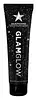
This oil-based makeup remover is made to dissolve makeup, sunscreen, and daily buildup.
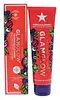
This oil-control exfoliator is formulated around Kaolin and Camellia Sinensis Leaf Extract to balance excess oil and refine skin texture.

What's inside
What's inside
 Key Ingredients
Benefits
Concerns
Ingredients Side-by-side
Caprylic/Capric Triglyceride
Masking


Helianthus Annuus Seed Oil
Emollient


Isohexadecane
EmollientHydrogenated Polydecene
EmollientEthylhexyl Palmitate
Emollient


Glycerin
Humectant
Water
Skin ConditioningPolyglyceryl-10 Laurate
Skin Conditioning
Polyglyceryl-10 Oleate
Skin Conditioning
Meteorite Powder
Skin ConditioningOenothera Biennis Oil
Emollient

Camellia Sinensis Leaf Extract
Antimicrobial




Charcoal Powder
Abrasive

Tocopheryl Acetate
Antioxidant
Polyglyceryl-6 Distearate
Emulsifying
Polyglyceryl-10 Pentaoleate
Emulsifying
Hydrogenated Lecithin
Emulsifying
Citric Acid
Buffering
Propanediol
Solvent
Parfum
Masking


Limonene
Perfuming
BHT
Antioxidant
Disodium EDTA
ChelatingSodium Citrate
BufferingPotassium Sorbate
Preservative
Mica
Cosmetic ColorantCI 77891
Cosmetic ColorantCI 77499
Cosmetic ColorantCaprylic/Capric Triglyceride, Helianthus Annuus Seed Oil, Isohexadecane, Hydrogenated Polydecene, Ethylhexyl Palmitate, Glycerin, Water, Polyglyceryl-10 Laurate, Polyglyceryl-10 Oleate, Meteorite Powder, Oenothera Biennis Oil, Camellia Sinensis Leaf Extract, Charcoal Powder, Tocopheryl Acetate, Polyglyceryl-6 Distearate, Polyglyceryl-10 Pentaoleate, Hydrogenated Lecithin, Citric Acid, Propanediol, Parfum, Limonene, BHT, Disodium EDTA, Sodium Citrate, Potassium Sorbate, Mica, CI 77891, CI 77499
Water
Skin ConditioningSodium C14-16 Olefin Sulfonate
Cleansing
Magnesium Aluminum Silicate
Absorbent
Kaolin
Abrasive
Sodium Cocoamphoacetate
CleansingCetearyl Alcohol
Emollient
Glyceryl Stearate
Emollient
Glycerin
Humectant
Microcrystalline Cellulose
AbsorbentPropanediol
Solvent
Euterpe Oleracea Fruit Extract
Punica Granatum Fruit Extract
Antioxidant
Punica Granatum Seed Powder
Abrasive
Lycium Barbarum Fruit Extract
Astringent
Camellia Sinensis Leaf Extract
Antimicrobial
Camellia Sinensis Leaf Powder
Malpighia Glabra Fruit Extract
Skin ConditioningVaccinium Myrtillus Fruit Extract
Skin ConditioningSalix Nigra Bark Extract
Skin ProtectingSaccharum Officinarum Extract
MoisturisingGinkgo Biloba Leaf Powder
Skin ConditioningLavandula Angustifolia Flower/Leaf/Stem Extract
Masking
Citrus Limon Fruit Extract
Masking
Citrus Aurantium Dulcis Fruit Extract
MaskingCoffea Arabica Seed Extract
Masking
Pyrus Malus Fruit Extract
Skin Conditioning
Rubus Idaeus Fruit Extract
AstringentElettaria Cardamomum Seed Extract
Perfuming
Acer Saccharum Extract
Skin ConditioningPaullinia Cupana Seed Extract
Skin ConditioningCarica Papaya Fruit Extract
Skin ConditioningCucumis Sativus Fruit Extract
Emollient
Salvia Officinalis Leaf Extract
CleansingFucus Vesiculosus Extract
Emollient
Rosmarinus Officinalis Leaf Extract
AntimicrobialCitrus Aurantium Amara Flower Extract
RefreshingCucumis Melo Fruit Extract
Skin ConditioningRosa Centifolia Flower Extract
Astringent
Jasminum Officinale Flower Extract
Masking
Santalum Album Wood Extract
Perfuming
Cananga Odorata Flower Extract
Perfuming
Cupressus Sempervirens Leaf/Nut/Stem Oil
Emollient
Morinda Citrifolia Fruit Extract
Skin Conditioning
Garcinia Mangostana Fruit Extract
Skin ConditioningPapain
Skin Conditioning
Hydrolyzed Quinoa
Skin ConditioningHydrolyzed Linseed Seed
HumectantTocopheryl Acetate
Antioxidant
Bromelain
Skin Conditioning
Ethylhexylglycerin
Skin ConditioningTriethyl Citrate
Masking
Citric Acid
Buffering
Xanthan Gum
EmulsifyingCocamidopropyl Hydroxysultaine
Cleansing
Maltodextrin
Absorbent
Sodium Chloride
MaskingAlgin
MaskingDisodium Adenosine Triphosphate
Skin ConditioningDiatomaceous Earth
Abrasive
Parfum
Masking
Linalool
Perfuming
Hexyl Cinnamal
Perfuming
Hydroxyacetophenone
Antioxidant
Phytic Acid
Chelating
Phenoxyethanol
Preservative
Sodium Sulfate
Water, Sodium C14-16 Olefin Sulfonate, Magnesium Aluminum Silicate, Kaolin, Sodium Cocoamphoacetate, Cetearyl Alcohol, Glyceryl Stearate, Glycerin, Microcrystalline Cellulose, Propanediol, Euterpe Oleracea Fruit Extract, Punica Granatum Fruit Extract, Punica Granatum Seed Powder, Lycium Barbarum Fruit Extract, Camellia Sinensis Leaf Extract, Camellia Sinensis Leaf Powder, Malpighia Glabra Fruit Extract, Vaccinium Myrtillus Fruit Extract, Salix Nigra Bark Extract, Saccharum Officinarum Extract, Ginkgo Biloba Leaf Powder, Lavandula Angustifolia Flower/Leaf/Stem Extract, Citrus Limon Fruit Extract, Citrus Aurantium Dulcis Fruit Extract, Coffea Arabica Seed Extract, Pyrus Malus Fruit Extract, Rubus Idaeus Fruit Extract, Elettaria Cardamomum Seed Extract, Acer Saccharum Extract, Paullinia Cupana Seed Extract, Carica Papaya Fruit Extract, Cucumis Sativus Fruit Extract, Salvia Officinalis Leaf Extract, Fucus Vesiculosus Extract, Rosmarinus Officinalis Leaf Extract, Citrus Aurantium Amara Flower Extract, Cucumis Melo Fruit Extract, Rosa Centifolia Flower Extract, Jasminum Officinale Flower Extract, Santalum Album Wood Extract, Cananga Odorata Flower Extract, Cupressus Sempervirens Leaf/Nut/Stem Oil, Morinda Citrifolia Fruit Extract, Garcinia Mangostana Fruit Extract, Papain, Hydrolyzed Quinoa, Hydrolyzed Linseed Seed, Tocopheryl Acetate, Bromelain, Ethylhexylglycerin, Triethyl Citrate, Citric Acid, Xanthan Gum, Cocamidopropyl Hydroxysultaine, Maltodextrin, Sodium Chloride, Algin, Disodium Adenosine Triphosphate, Diatomaceous Earth, Parfum, Linalool, Hexyl Cinnamal, Hydroxyacetophenone, Phytic Acid, Phenoxyethanol, Sodium Sulfate
Ingredients Explained
These ingredients are found in both products.
Ingredients higher up in an ingredient list are typically present in a larger amount.
Camellia Sinensis Leaf Extract (tea extract) is one of the most well-researched plant extracts in skincare with an impressive resume.
Black tea, green tea, and oolong tea are all harvested from the Camellia Sinensis plant.
Studies show green tea extract and its catechins (like epigallocatechin gallate (EGCG)) help your skin cells product energy more efficiently and reducing the number of free-radicals that can damage your skin from the inside.
In lab-grown skin models, this translated to younger, healthier, and stronger skin.
There's also good sun protection data; researchers saw less DNA damage and redness on human skin when green tea was applied before UVB exposure. And the more they applied, the better the protection.
Needless to say, this ingredient shouldn't replace your sunscreen. But it is a great supportive ingredient that you can already find in many sunscreens and antioxidant serums.
A 2009 study found a 2% green tea lotion was effective for mild-to-moderate acne thanks to its anti-inflammatory and mild antimicrobial activity.
The quality of the extract matters a lot here:
Good extracts contain 50-90% catechins while lower quality ones are mostly there for marketing. We recommend reaching out to the brand if you have questions about the quality or source of their ingredients.
Human Repeated Insult Patch Testing showed no irritation or sensitization at use concentrations (0.86% in leave-on products and up to 30% as leaf water).
Learn more about Camellia Sinensis Leaf ExtractCitric Acid is an alpha hydroxy acid (AHA) naturally found in citrus fruits like oranges, lemons, and limes.
Like other AHAs, citric acid can exfoliate skin by breaking down the bonds that hold dead skin cells together. This helps reveal smoother and brighter skin underneath.
However, this exfoliating effect only happens at high concentrations (20%) which can be hard to find in cosmetic products.
Due to this, citric acid is usually included in small amounts as a pH adjuster. This helps keep products slightly more acidic and compatible with skin's natural pH.
In skincare formulas, citric acid can:
While it can provide some skin benefits, research shows lactic acid and glycolic acid are generally more effective and less irritating exfoliants.
Most citric acid used in skincare today is made by fermenting sugars (usually from molasses). This synthetic version is identical to the natural citrus form but easier to stabilize and use in formulations.
Rosacea skin has a lower threshold for acids generally, with 62.5% of rosacea subjects in one study reacting to lactic acid in a sting test. This is why we mark citric acid as a potential rosacea trigger.
However, this ingredient shows up as a pH adjuster or chelator at roughly 0.1-1% in many products. These low levels are unlikely to be an issue for rosacea skin and becomes a potential trigger at exfoliating concentrations (20%). Because everybody's skin is unique, we recommend a patch test if you are unsure.
Learn more about Citric AcidGlycerin (or glycerol) is a compound naturally found in your skin. It's a powerhouse humectant that pulls water into the stratum corneum.
Topically, glycerin does several things at once:
Your skin makes glycerin on its own (mostly from sebaceous oil breakdown) and shuttles it to your outermost layer of skin, or your epidermis, via aquaporin-3.
Aquaporin-3 is a transporter that is essential for normal skin hydration, elasticity, and repair. Interestingly, mice lacking in AQP3 have dry and less elastic skin that can be fully corrected with glycerin.
This ingredient is non-irritating, plays well with almost every ingredient, and works across all skin types. Typical use is anywhere between 3-10% but can go up to 79% in some leave-on products.
Just know very high concentrations (>40%) can feel tacky in low humidity.
Glycerin is the name for this ingredient in American English. British English uses Glycerol/Glycerine.
Learn more about GlycerinParfum is a catch-all term for an ingredient or more that is used to give a scent to products.
Also called "fragrance", this ingredient can be a blend of hundreds of chemicals or plant oils. This means every product with "fragrance" or "parfum" in the ingredients list is a different mixture.
For instance, Habanolide is a proprietary trade name for a specific aroma chemical. When used as a fragrance ingredient in cosmetics, most aroma chemicals fall under the broad labeling category of “FRAGRANCE” or “PARFUM” according to EU and US regulations.
The term 'parfum' or 'fragrance' is not regulated in many countries. In many cases, it is up to the brand to define this term.
For instance, many brands choose to label themselves as "fragrance-free" because they are not using synthetic fragrances. However, their products may still contain ingredients such as essential oils that are considered a fragrance by INCI standards.
One example is Calendula flower extract. Calendula is an essential oil that still imparts a scent or 'fragrance'.
Depending on the blend, the ingredients in the mixture can cause allergies and sensitivities on the skin. Some ingredients that are known EU allergens include linalool and citronellol.
Parfum can also be used to mask or cover an unpleasant scent.
The bottom line is: not all fragrances/parfum/ingredients are created equally. If you are worried about fragrances, we recommend taking a closer look at an ingredient. And of course, we always recommend speaking with a professional.
Learn more about ParfumPropanediol is an all-star ingredient. It softens, hydrates, and smooths the skin.
It’s often used to:
Propanediol is not likely to cause sensitivity and considered safe to use. It is derived from corn or petroleum with a clear color and no scent.
Learn more about PropanediolTocopheryl Acetate is a stable, shelf-friendly form of vitamin E.
Formulators love it because plain vitamin E oxidizes quickly once it hits air. This acetate version stays stable and resists going off, helping to extend a product's shelf life.
It's actually inactive on its own and works like a slow-release "storage" form; the enzymes in your skin called esterases gradually convert it into active vitamin E over time.
One in vivo study showed 5% of the acetate in the living layer of the epidermis converted to vitamin E after 5 days of application. This study also found the skin gained protection against UV damage even though the conversion was slow and small.
Once converted, vitamin E acts as a skin's main fat-soluble antioxidant that fights free radicals to protect skin from damage.
Topical vitamin E generally boosts the skin's photoprotection, and it reduced UV-damage in animal models.
This ingredient has some brightening potential but it's more of a prevention ingredient than spot-fader. Cell studies show it can slow down melanin production but it's worth noting that it's not the most powerful brightener out there.
Overall, it has a pretty solid safety profile and has been found to be non-irritating and non-comedogenic. Allergic reactions may happen but stay rare due to how widely the ingredient gets used.
The concentration will vary depending on the formula; industry data shows 0.1% in baby lotions, 3% in lipsticks, and 5% in foot powders. You can also find this ingredient at 100% in a pure vitamin E oil.
Most leave-on skincare keeps it at the lower end, often between 0.5-1%.
Learn more about Tocopheryl AcetateWater. It's the most common cosmetic ingredient of all. You'll usually see it at the top of ingredient lists, meaning that it makes up the largest part of the product.
So why is it so popular? Water most often acts as a solvent - this means that it helps dissolve other ingredients into the formulation.
You'll also recognize water as that liquid we all need to stay alive. If you see this, drink a glass of water. Remember to stay hydrated!
Learn more about Water

