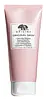
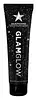
Origins Original Skin™ Cleansing Makeup Removing Jelly with Willowherb Versus GLAMGLOW GALACTICLEANSE™
This oil-based makeup remover is made to dissolve makeup, sunscreen, and daily buildup.
This oil-based makeup remover is made to dissolve makeup, sunscreen, and daily buildup.

What's inside
What's inside
 Key Ingredients
Benefits
Concerns
Ingredients Side-by-side
Caprylic/Capric Triglyceride
Masking


Helianthus Annuus Seed Oil
Emollient


Isopropyl Palmitate
Emollient


Hydrogenated Polydecene
EmollientEthylhexyl Palmitate
Emollient
Glycerin
Humectant
Isononyl Isononanoate
EmollientPolyglyceryl-10 Laurate
Skin Conditioning
Water
Skin ConditioningPolyglyceryl-10 Oleate
Skin Conditioning
Epilobium Angustifolium Flower/Leaf/Stem Extract
Skin ConditioningCistus Incanus Flower/Leaf/Stem Extract
Skin ConditioningAlbizia Julibrissin Bark Extract
MaskingPolyglyceryl-10 Pentaoleate
Emulsifying
Butylene Glycol
Humectant
Polyglyceryl-6 Distearate
Emulsifying
Tocopheryl Acetate
Antioxidant


Hydrogenated Lecithin
Emulsifying
PEG-7m
Emulsion StabilisingCitric Acid
Buffering
BHT
Antioxidant
Sodium Citrate
BufferingDisodium EDTA
ChelatingPotassium Sorbate
Preservative
Caprylic/Capric Triglyceride, Helianthus Annuus Seed Oil, Isopropyl Palmitate, Hydrogenated Polydecene, Ethylhexyl Palmitate, Glycerin, Isononyl Isononanoate, Polyglyceryl-10 Laurate, Water, Polyglyceryl-10 Oleate, Epilobium Angustifolium Flower/Leaf/Stem Extract, Cistus Incanus Flower/Leaf/Stem Extract, Albizia Julibrissin Bark Extract, Polyglyceryl-10 Pentaoleate, Butylene Glycol, Polyglyceryl-6 Distearate, Tocopheryl Acetate, Hydrogenated Lecithin, PEG-7m, Citric Acid, BHT, Sodium Citrate, Disodium EDTA, Potassium Sorbate
Caprylic/Capric Triglyceride
Masking
Helianthus Annuus Seed Oil
Emollient
Isohexadecane
EmollientHydrogenated Polydecene
EmollientEthylhexyl Palmitate
Emollient
Glycerin
Humectant
Water
Skin ConditioningPolyglyceryl-10 Laurate
Skin Conditioning
Polyglyceryl-10 Oleate
Skin Conditioning
Meteorite Powder
Skin ConditioningOenothera Biennis Oil
Emollient

Camellia Sinensis Leaf Extract
Antimicrobial


Charcoal Powder
Abrasive

Tocopheryl Acetate
Antioxidant
Polyglyceryl-6 Distearate
Emulsifying
Polyglyceryl-10 Pentaoleate
Emulsifying
Hydrogenated Lecithin
Emulsifying
Citric Acid
Buffering
Propanediol
Solvent
Parfum
Masking


Limonene
Perfuming
BHT
Antioxidant
Disodium EDTA
ChelatingSodium Citrate
BufferingPotassium Sorbate
Preservative
Mica
Cosmetic ColorantCI 77891
Cosmetic ColorantCI 77499
Cosmetic ColorantCaprylic/Capric Triglyceride, Helianthus Annuus Seed Oil, Isohexadecane, Hydrogenated Polydecene, Ethylhexyl Palmitate, Glycerin, Water, Polyglyceryl-10 Laurate, Polyglyceryl-10 Oleate, Meteorite Powder, Oenothera Biennis Oil, Camellia Sinensis Leaf Extract, Charcoal Powder, Tocopheryl Acetate, Polyglyceryl-6 Distearate, Polyglyceryl-10 Pentaoleate, Hydrogenated Lecithin, Citric Acid, Propanediol, Parfum, Limonene, BHT, Disodium EDTA, Sodium Citrate, Potassium Sorbate, Mica, CI 77891, CI 77499
Ingredients Explained
These ingredients are found in both products.
Ingredients higher up in an ingredient list are typically present in a larger amount.
BHT is a synthetic antioxidant and preservative.
As an antioxidant, it helps your body fight off free-radicals. Free-radicals are molecules that may damage your skin cells.
As a preservative, it is used to stabilize products and prevent them from degrading. Specifically, BHT prevents degradation from oxidation.
The concerns related to BHT come from oral studies; this ingredient is currently allowed for use by both the FDA and EU.
However, it was recently restricted for use in the UK as of April 2024.
Learn more about BHTCaprylic/Capric Triglyceride (aka MCT Oil) is a lightweight emollient, solvent, and texture enhancer. It is considered a skin-softener by helping to prevent moisture loss.
Though it behaves like an oil, it is not technically one due to its chemical composition. One perk of this ingredient is that it is very stable, resistant to oxidation, and unlikely to go rancid.
In practice, that translates to a long shelf life and a consistently elegant skin feel.
While there is an assumption Caprylic Triglyceride can clog pores due to it being derived from coconut oil, there is no research supporting this. Just patch test if you have concerns.
Fractionated coconut oil and MCT Oil are both listed as Caprylic/Capric Triglyceride according to INCI. This is because INCI names are based on the ingredient’s final chemical composition and not its marketing name or source.
This ingredient is treated as the gold standard fungal acne safe oil. Even though it is coconut derived, the problematic lauric acid is stripped out.
This leaves just caprylic (C8) and capric (C10) acid. These chain lengths actually trend antifungal; a 2020 study found caprylic acid was enough to disrupt Malassezia furfur cell membrane, with a caprylic acid derivative damaging membrane structures at concentrations as low as 0.2%.
Learn more about Caprylic/Capric TriglycerideCitric Acid is an alpha hydroxy acid (AHA) naturally found in citrus fruits like oranges, lemons, and limes.
Like other AHAs, citric acid can exfoliate skin by breaking down the bonds that hold dead skin cells together. This helps reveal smoother and brighter skin underneath.
However, this exfoliating effect only happens at high concentrations (20%) which can be hard to find in cosmetic products.
Due to this, citric acid is usually included in small amounts as a pH adjuster. This helps keep products slightly more acidic and compatible with skin's natural pH.
In skincare formulas, citric acid can:
While it can provide some skin benefits, research shows lactic acid and glycolic acid are generally more effective and less irritating exfoliants.
Most citric acid used in skincare today is made by fermenting sugars (usually from molasses). This synthetic version is identical to the natural citrus form but easier to stabilize and use in formulations.
Rosacea skin has a lower threshold for acids generally, with 62.5% of rosacea subjects in one study reacting to lactic acid in a sting test. This is why we mark citric acid as a potential rosacea trigger.
However, this ingredient shows up as a pH adjuster or chelator at roughly 0.1-1% in many products. These low levels are unlikely to be an issue for rosacea skin and becomes a potential trigger at exfoliating concentrations (20%). Because everybody's skin is unique, we recommend a patch test if you are unsure.
Learn more about Citric AcidDisodium EDTA is a chelating agent. It grabs onto and deactivates metal ions that sneak into your products from water, packaging, or air.
This ingredient mainly works behind the scenes and helps with:
On top of that, this ingredient can counteract the effects of hard water by binding to the minerals in it.
One thing worth knowing is that Disodium EDTA has been shown to be a mild penetration enhancer. It can help other ingredients absorb into skin more effectively which can be a double-edged sword (great for actives, but can also make the active too strong if you have sensitive skin).
Clinical patch testing showed no significant skin irritation at typical use concentrations and minimal dermal absorption.
You'll most likely see this ingredient near the end of an ingredient list. It's typically found in concentrations less than 1%.
Learn more about Disodium EDTAEthylhexyl Palmitate, also known as octyl palmitate, is created from 2-ethylhexyl alcohol and palmitic acid.
In cosmetics, it plays many roles:
One thing worth noting: a controlled study found this ingredient applied under occlusion to acne-prone subjects increased microcomedones. Just keep in mind this was under occlusive conditions and don't reflect how most products are used day-to-day.
For most people, this is a well-tolerated and lightweight ingredient.
This ingredient may not be fungal acne safe because it is an ester of palmitic acid, a C16 fatty acid that falls within the C11-24 range that Malassezia can metabolize.
You'll see this one rated 4 comedogenic all over the internet. That number isn't from a single study, and the actual research is more interesting.
The original rating comes from 1980s rabbit ear tests (which are a shaky basis for anything). But Ethylhexyl Palmitate is one of the few ingredients with real human data behind it. A 2021 controlled trial found this ingredient increased microcomedones by an average of 365% over four weeks.
Just know that test used the pure ingredient under an occlusive pad on back skin; most products use it at much lower levels alongside other ingredients and plenty of people use those with no issue.
Learn more about Ethylhexyl PalmitateGlycerin (or glycerol) is a compound naturally found in your skin. It's a powerhouse humectant that pulls water into the stratum corneum.
Topically, glycerin does several things at once:
Your skin makes glycerin on its own (mostly from sebaceous oil breakdown) and shuttles it to your outermost layer of skin, or your epidermis, via aquaporin-3.
Aquaporin-3 is a transporter that is essential for normal skin hydration, elasticity, and repair. Interestingly, mice lacking in AQP3 have dry and less elastic skin that can be fully corrected with glycerin.
This ingredient is non-irritating, plays well with almost every ingredient, and works across all skin types. Typical use is anywhere between 3-10% but can go up to 79% in some leave-on products.
Just know very high concentrations (>40%) can feel tacky in low humidity.
Glycerin is the name for this ingredient in American English. British English uses Glycerol/Glycerine.
Learn more about GlycerinHelianthus Annuus Seed Oil is a plant oil derived from the seeds of a sunflower.
It is rich in fatty acids, primarily linoleic acid and oleic acid. This gives it emollient and skin conditioning properties.
The reason this ingredient is so effective is because it forms a thin film on the skin that reduces transepidermal water loss (TEWL) while supplying linoleic acid to the stratum corneum to improve barrier strength.
The high linoleic acid content is particularly noteworthy for acne-prone skin.
Research suggests that acne-prone skin tends to be deficient in linoleic acid in sebum. Topical application may help replenish this to support a healthier follicular environment and less comedone-promoting sebum.
One randomized study found sunflower seed oil preserved skin barrier integrity in adult volunteers with and without atopic dermatitis (outperforming olive oil).
This ingredient is well-studied, gentle, and an effective emollient suitable for most skin types.
On fungal acne: This ingredient may not be Fungal acne (Malassezia folliculitis) safe. This is because it contains fatty acids with carbon chain lengths in the C11-C24 range.
Learn more about Helianthus Annuus Seed OilHydrogenated Lecithin is a more stable version of lecithin.
It's made by taking lecithin (a phospholipid commonly found in soybeans and egg yolks) and hydrogenating it. This just means the unsaturated fatty acids are turned into saturated ones so they don't go bad as easily.
This ingredient is an emollient, emulsifier, and penetration enhancer. As an emollient, it helps soften and hydrate skin by trapping moisture within. As an emulsifier, it prevents oil and water ingredients from separating.
Hydrogenated Lecithin can form tiny spherical structures made of phospholipid bilayers called liposomes. These liposomes are able to capture compounds inside their structure and deliver them through the skin barrier.
Because phospholipids are a natural component of our cell membranes, this ingredient is inherently compatible with skin.
A 2021 study found lecithin-based surfactants were less harsh and more tolerable comared to Sodium Lauryl Sulfate (SLS).
Learn more about Hydrogenated LecithinHydrogenated Polydecene is a synthetic emollient. It forms a non-occlusive film on the skin's surface to provide a silky feel without being greasy.
In vivo studies in volunteers with atopic and dry skin showed no irritation or intolerance. The volunteers also saw a positive effect in dryness, scaling, and roughness after 28 days of use.
Concentrations up to 100% in guinea pig tests found it to be non-sensitizing and completely safe for use in cosmetics.
Learn more about Hydrogenated PolydecenePolyglyceryl-10 Laurate is a cleansing agent and emulsifier.
It rounds up dirt, oil, and grime, so they can be rinsed off easily as a cleanser.
On the emulsifier side, it keeps your formula smooth and well-mixed by playing peacekeeper for ingredients that don't naturally get along (like oil and water).
Because it has a C12 (lauric acid) fatty acid chain, this ingredient can potentially feed the Malassezia yeast that causes fungal acne. The Malassezia yeast prefers esters with C11-C24 fatty acids.
This ingredient is an ester of lauric acid and Polyglycerin-10.
Learn more about Polyglyceryl-10 LauratePolyglyceryl-10 Oleate is made by combining ten units of glycerin with oleic acid.
According to a manufacturer, it is a low-irritation and hydrophilic (water loving) skin conditioning agent. It also improves the sensory feel and texture of a product.
Fungal acne note:
Since this ingredient is made from oleic acid, it might not be fungal acne safe. The Malassezia yeast survives by eating certain fats, including oleic acid.
However, it should be noted this oleic acid is chemically bound to a large polyglycerol molecule, so it might not trigger fungal acne for everyone.
Learn more about Polyglyceryl-10 OleatePolyglyceryl-10 Pentaoleate isn't fungal acne safe.
Polyglyceryl-6 Distearate isn't fungal acne safe.
Potassium Sorbate is a preservative used to prevent yeast and mold in products. It is commonly found in both cosmetic and food products.
This ingredient comes from potassium salt derived from sorbic acid. Sorbic acid is a natural antibiotic and effective against fungus.
Both potassium sorbate and sorbic acid can be found in baked goods, cheeses, dried meats, dried fruit, ice cream, pickles, wine, yogurt, and more.
You'll often find this ingredient used with other preservatives.
Learn more about Potassium SorbateSodium Citrate is the sodium salts of citric acid. In skincare, it is used to alter pH levels and acts as a preservative.
Its main functions are to maintain the pH of a product and neutralize metal ions.
The acidity of our skin is maintained by our glands and skin biome; normal pH level of skin is slightly acidic (~4.75-5.5).
Being slightly acidic allows our skin to create an "acid mantle". This acid mantle is a thin barrier that protects our skin from bacteria and contaminants.
Learn more about Sodium CitrateTocopheryl Acetate is a stable, shelf-friendly form of vitamin E.
Formulators love it because plain vitamin E oxidizes quickly once it hits air. This acetate version stays stable and resists going off, helping to extend a product's shelf life.
It's actually inactive on its own and works like a slow-release "storage" form; the enzymes in your skin called esterases gradually convert it into active vitamin E over time.
One in vivo study showed 5% of the acetate in the living layer of the epidermis converted to vitamin E after 5 days of application. This study also found the skin gained protection against UV damage even though the conversion was slow and small.
Once converted, vitamin E acts as a skin's main fat-soluble antioxidant that fights free radicals to protect skin from damage.
Topical vitamin E generally boosts the skin's photoprotection, and it reduced UV-damage in animal models.
This ingredient has some brightening potential but it's more of a prevention ingredient than spot-fader. Cell studies show it can slow down melanin production but it's worth noting that it's not the most powerful brightener out there.
Overall, it has a pretty solid safety profile and has been found to be non-irritating and non-comedogenic. Allergic reactions may happen but stay rare due to how widely the ingredient gets used.
The concentration will vary depending on the formula; industry data shows 0.1% in baby lotions, 3% in lipsticks, and 5% in foot powders. You can also find this ingredient at 100% in a pure vitamin E oil.
Most leave-on skincare keeps it at the lower end, often between 0.5-1%.
Learn more about Tocopheryl AcetateWater. It's the most common cosmetic ingredient of all. You'll usually see it at the top of ingredient lists, meaning that it makes up the largest part of the product.
So why is it so popular? Water most often acts as a solvent - this means that it helps dissolve other ingredients into the formulation.
You'll also recognize water as that liquid we all need to stay alive. If you see this, drink a glass of water. Remember to stay hydrated!
Learn more about Water

